 Vietnamnet.vn

 Podcast



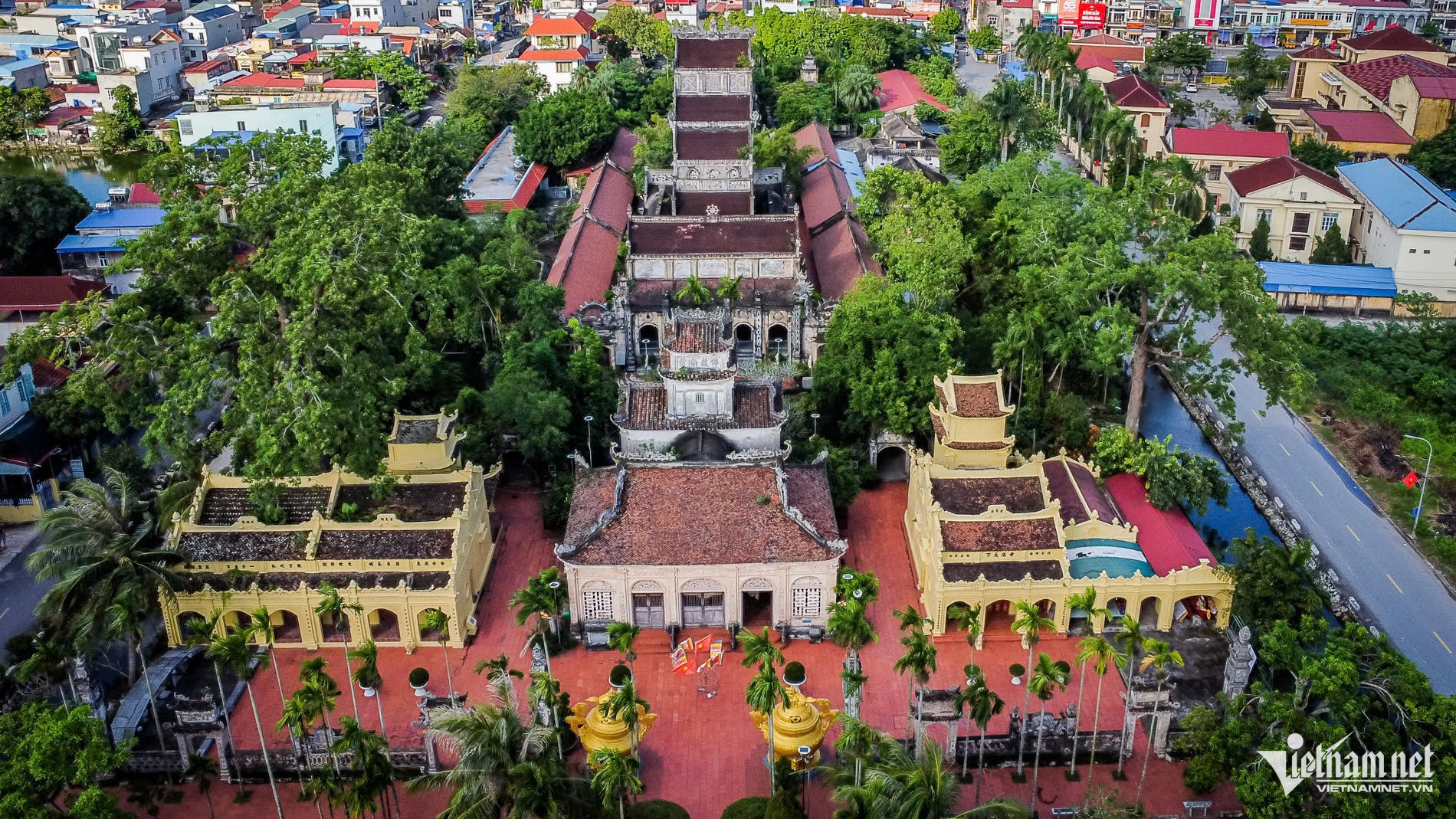
Located in Co Le commune, Co Le Pagoda, also known as Than Quang Tu, has a long history as a place of worship dedicated to the Buddha and the revered Nguyen Minh Khong, a renowned royal Buddhist preceptor during the Ly dynasty.
Historical records indicate that the pagoda was founded in the 12th century, during the reign of King Ly Than Tong. Over the centuries, it deteriorated and fell into ruin. In 1902, Pham Quang Tuyen, revered as the pagoda’s First Patriarch, became its abbot and worked with local residents to rebuild it in an architectural style known as “Nhat Thoc Lau Dai.”
Co Le’s distinctive character comes from its blend of traditional Buddhist architecture and Western-influenced features.
The main sanctuary, approximately 29 meters tall, is dedicated to the Buddha and Nguyen Minh Khong. Its soaring vaulted structure evokes Western cathedrals, giving the ancient pagoda an unusual appearance.
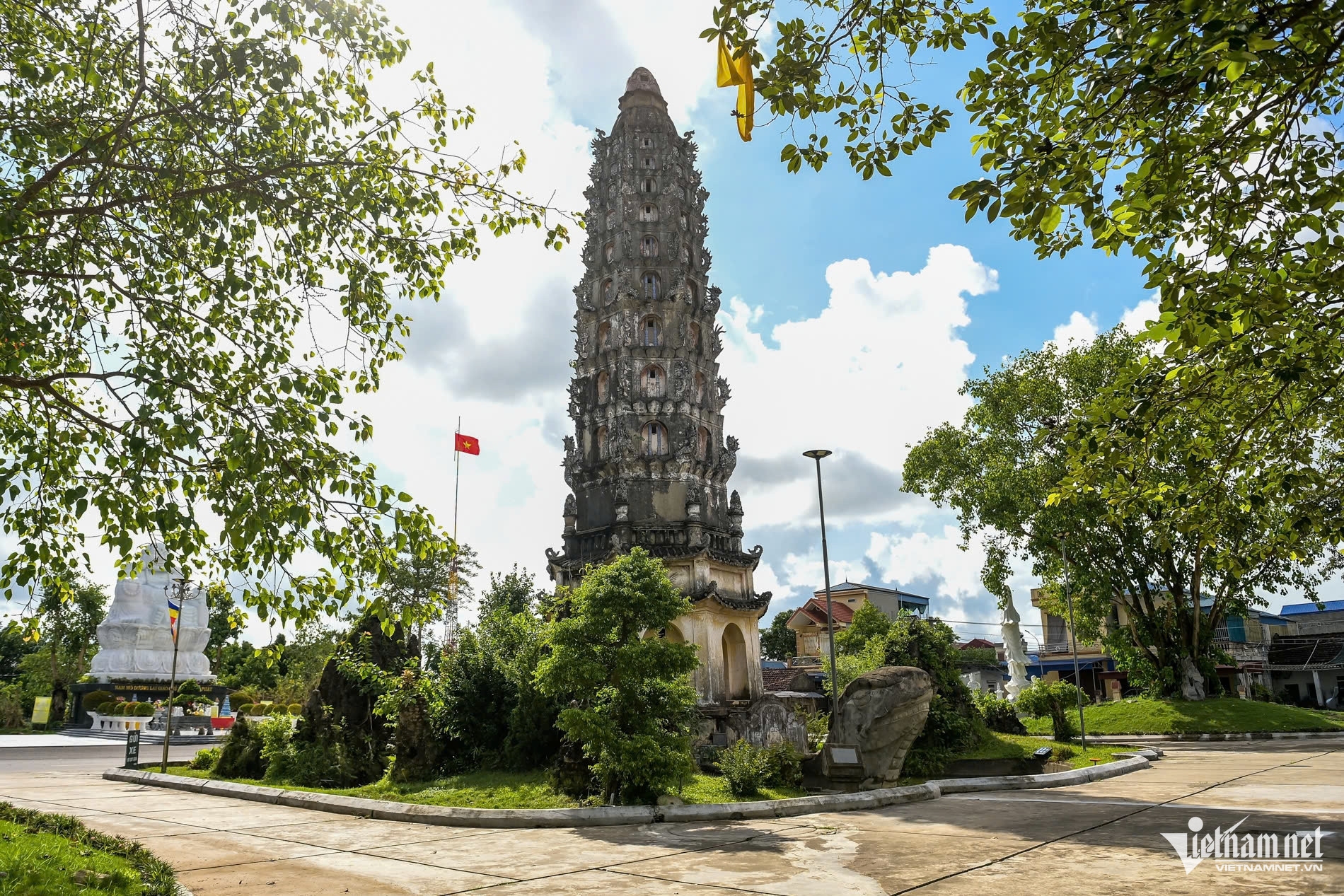
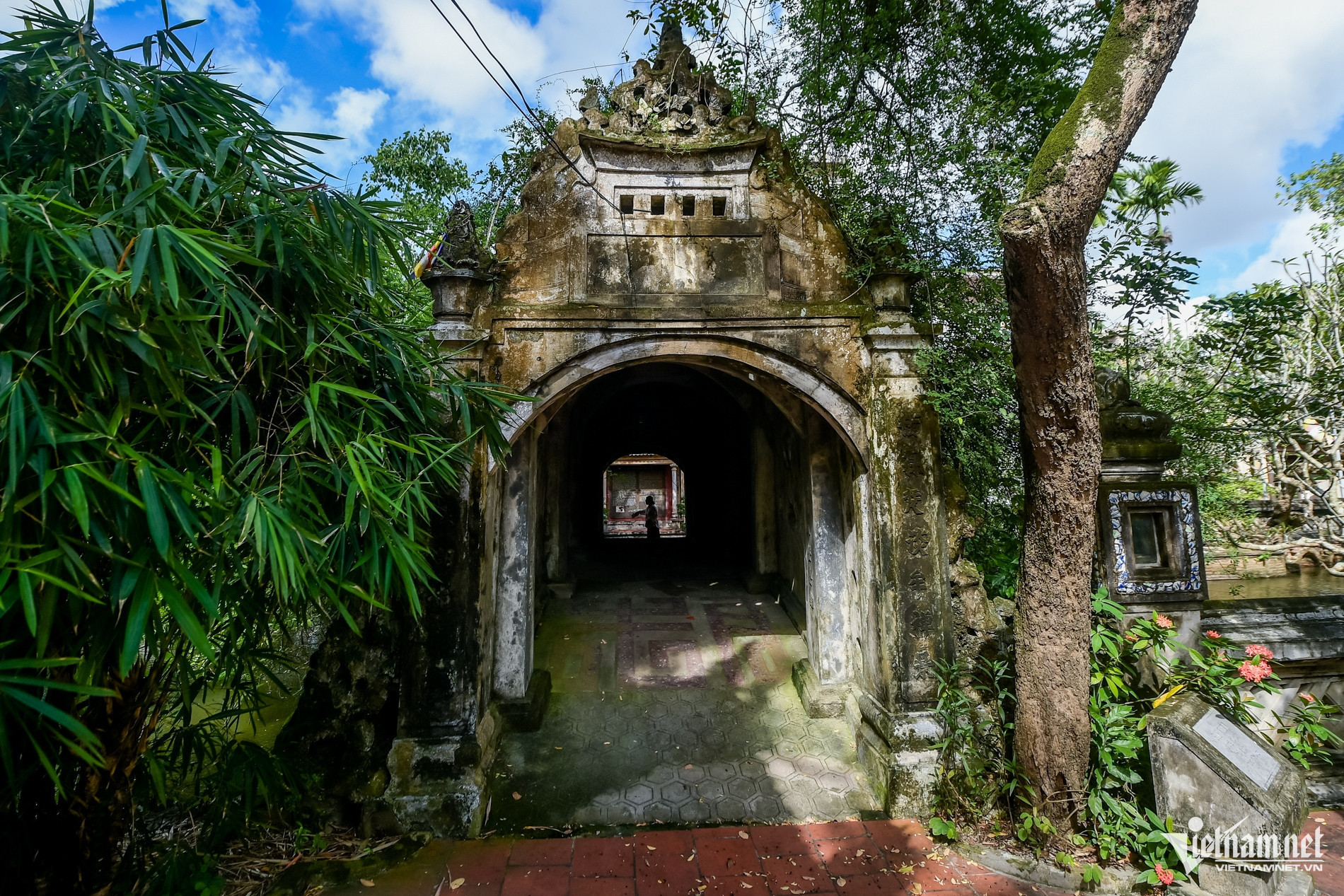
Other notable features include the Cuu Pham Lien Hoa, or Nine-Tier Lotus, tower, an arched bridge and a three-entrance gateway. Together, they create a setting that is both imposing and serene.
According to accounts passed down through generations, the monks used neither cement nor iron or steel in construction. Instead, they relied on traditional materials, including bricks, lime, sugarcane molasses and handmade paper, to bind the structure together.
Where monastics left religious life for the battlefield
Beyond its architecture, Co Le Pagoda preserves an exceptional chapter in the history of Vietnamese Buddhism.
A representative of Co Le commune’s Culture and Social Affairs Division said the pagoda serves not only as a religious building but also as a cultural and spiritual center and a revolutionary heritage site that teaches patriotism and national unity.
The story of Buddhist monastics ceremonially laying aside their robes to join the resistance has been passed down through generations, becoming a defining part of the pagoda’s history and an expression of Vietnamese Buddhism’s engagement with society.
Responding to President Ho Chi Minh’s appeal for nationwide resistance, on February 27, 1947, Venerable Thich The Long, then abbot of Co Le Pagoda, presided over a solemn gathering and a ceremony at which 27 Buddhist monastics vowed to “lay aside their Buddhist robes and don military uniforms” to join the resistance against French colonial rule. They came from pagodas across the former Nam Dinh province and neighboring provinces and cities.
The book History of Buddhism in Truc Ninh District also recounts the event. Dressed in Buddhist robes, barefoot and bareheaded, the monastics stood in rows of three, holding cloth caps. At the rear were two nuns, Dam Nhung and Dam Lan. The following vow was then recited for the 27:
“Lay aside our Buddhist robes and don the garb of battle,
Draw swords and take up arms to bring warfare to an end.
We depart, resolved to avenge our country’s wrongs and save it,
For a just cause, we give ourselves and shed our blood.”
When the ceremony ended, the entire group stood, removed their Buddhist robes and placed them before the Buddha’s altar. The 27 monastics had become 27 soldiers of the national defense force, ready to leave for the battlefield.
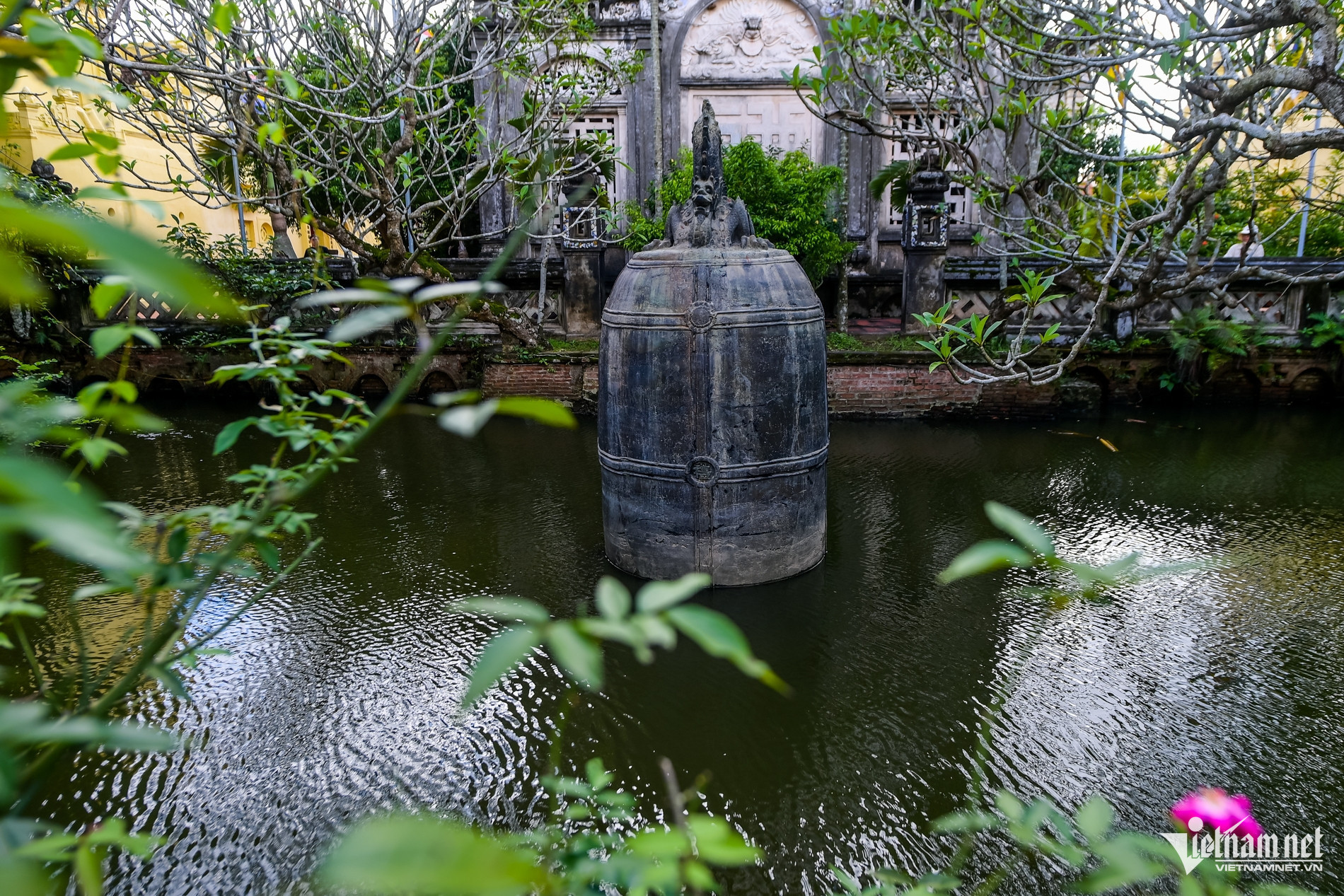
On the day of the farewell ceremony, Venerable Thich The Long had the pagoda’s nine-ton bronze bell hidden in the lotus pond, then closed the pagoda to join the resistance.
Following in the footsteps of those 27, another eight monastics left religious life to serve in the war against the United States and in fighting to defend Vietnam’s northern border.
In all, 35 Buddhist monastics associated with Co Le Pagoda took part in combat. Twelve were killed on various fronts and were officially recognized by the state as fallen war heroes.
Among those who survived, some continued serving in the military after completing their duties, while others returned to monastic life.
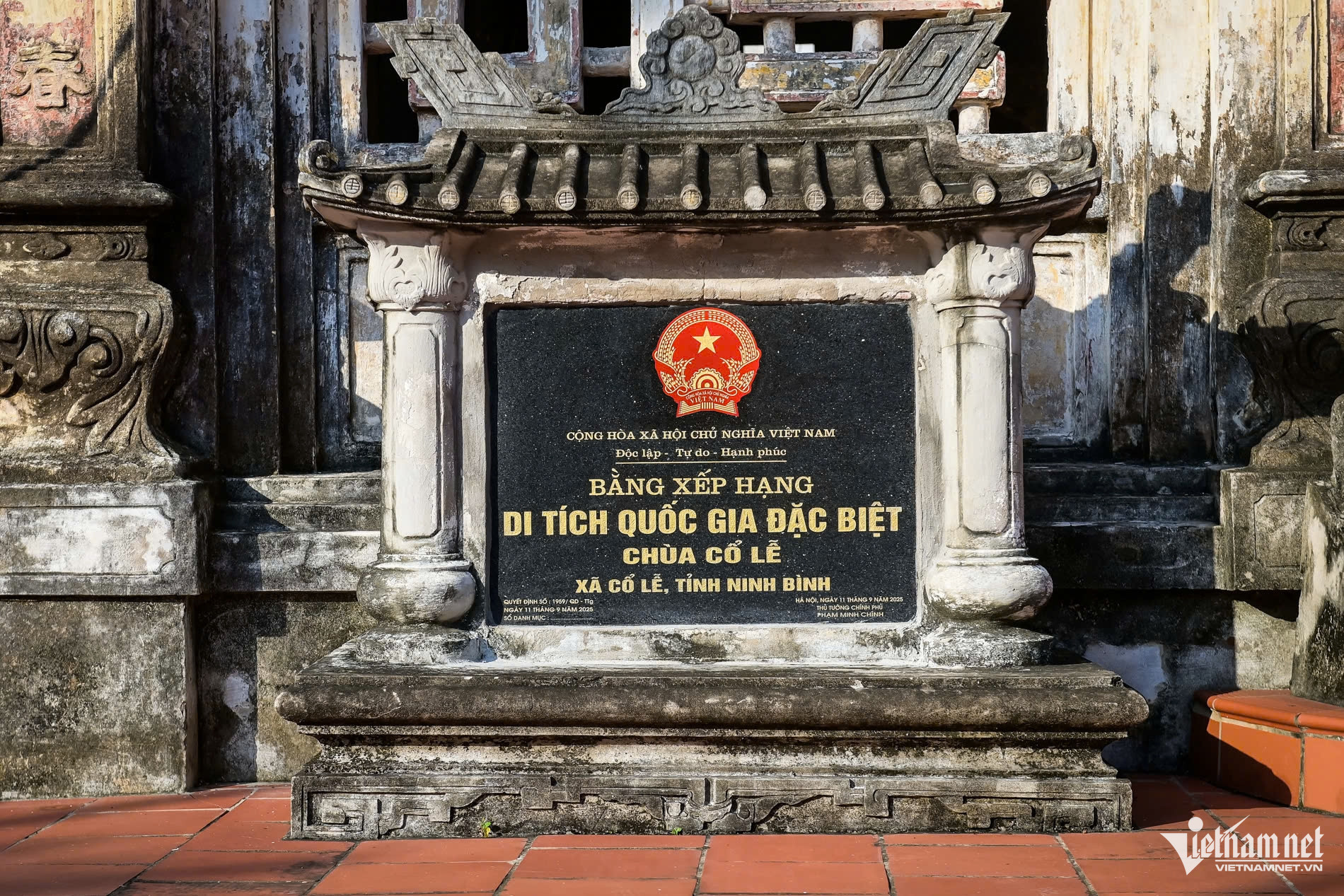
According to the representative of Co Le commune’s Culture and Social Affairs Division, Co Le Pagoda, designated a special national heritage site, is regarded as a treasured cultural asset of the locality.
Local authorities will continue to preserve and promote the site’s heritage, linking those efforts with cultural and spiritual tourism and teaching younger generations about the country’s historical and revolutionary traditions.
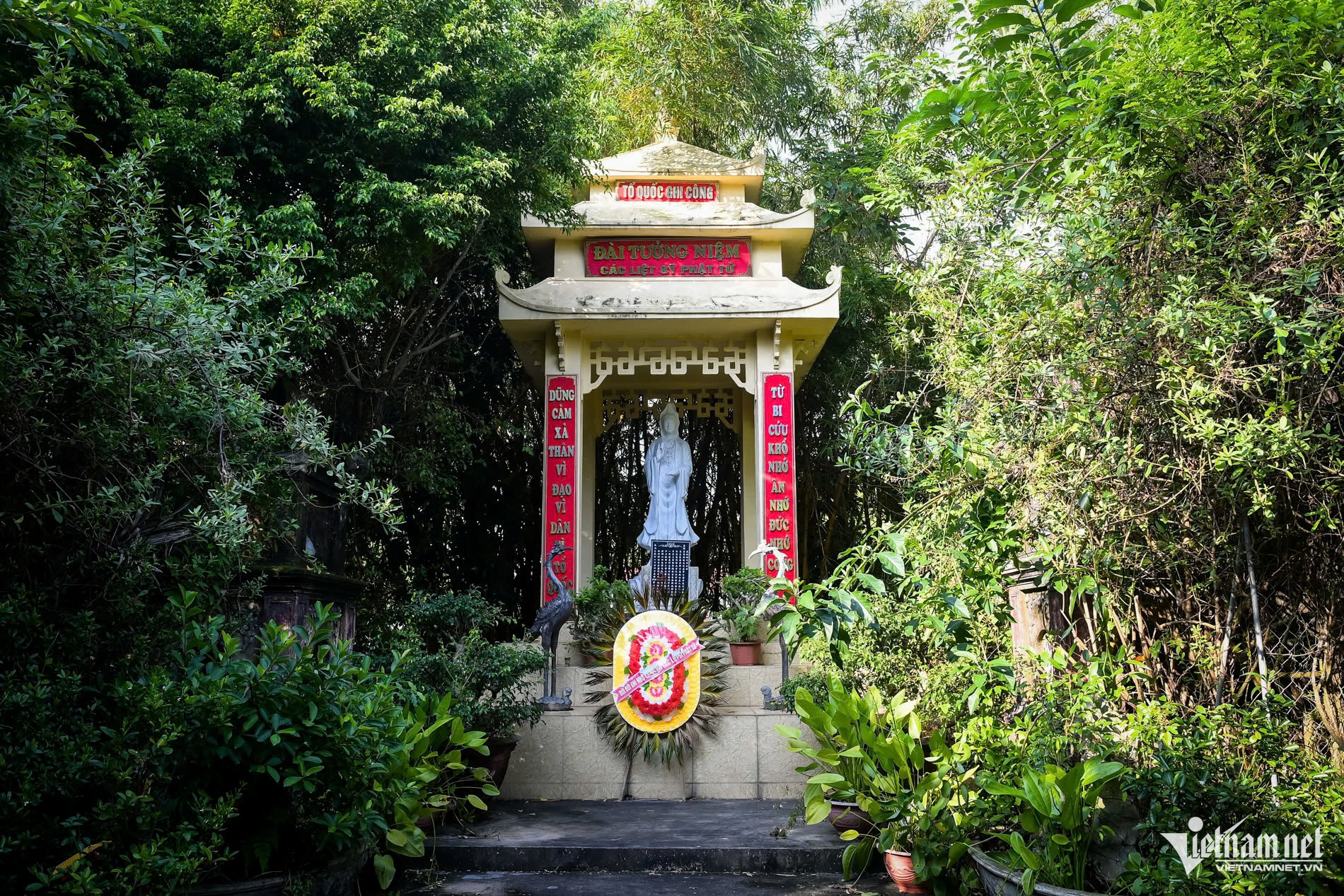
The memorial to fallen war heroes within Co Le Pagoda’s grounds also honors the Buddhist monastics who lost their lives.
Trong Tung
.svg)
