 Vietnamnet.vn

 Podcast



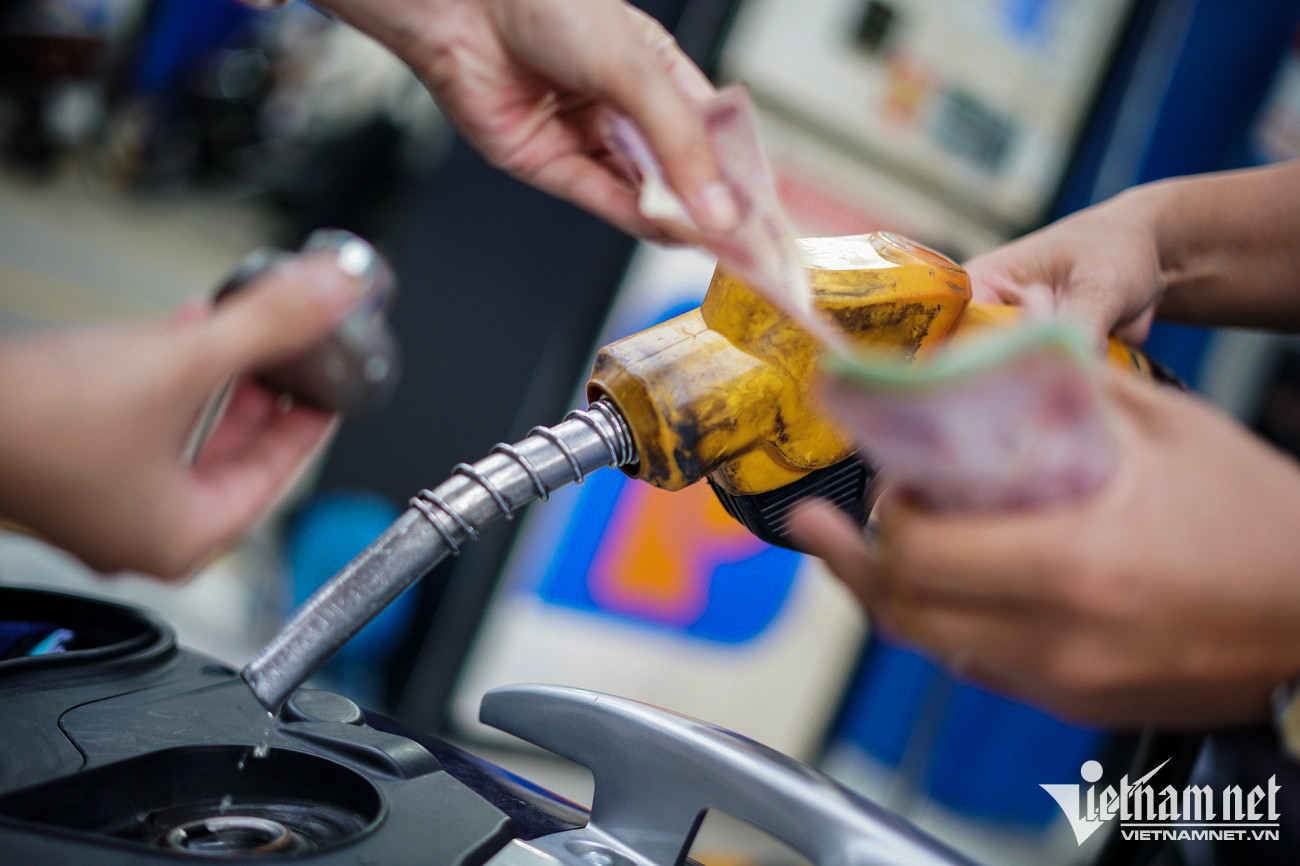
According to the Ho Chi Minh City Department of Construction, the ongoing conflict in the Middle East has affected global energy markets, causing domestic fuel prices to rise sharply during adjustments on March 5, 7 and 10, 2026.
Gasoline prices rose about 45 percent and diesel prices about 59 percent compared with levels at the end of February 2026, significantly increasing operating costs for transport businesses.
By 10pm on March 11, fuel prices were updated to show a decline of around 13 percent compared with the previous adjustment period.
Against this backdrop, transport services across the city have begun adjusting ticket prices.
Freight transport costs up 20-25 percent
As of the end of March 11, 2026, the Department of Construction recorded that 18 out of 97 passenger transport companies operating fixed routes in the city, accounting for 18.5 percent, had reported fare increases.
The adjustments apply to 102 fixed passenger routes, with ticket prices rising by roughly 5 to 36 percent depending on the route and operator.
However, these changes affect only about 5 percent of the total routes in the city, which currently has 2,115 passenger routes with 2,758 registered vehicles in operation.
Regarding bus services, the city’s 179 bus routes with 2,112 vehicles continue operating normally, and ticket prices remain unchanged.
Metro Line 1, running between Ben Thanh and Suoi Tien, has also kept fares unchanged.
In the taxi sector, Ho Chi Minh City currently has 36 operators with around 24,000 vehicles in service.
Among them, GSM Green and Smart Mobility JSC (Xanh SM) operates about 20,700 electric taxis, accounting for roughly 86 percent of the city’s taxi fleet, and has introduced a 10 percent fare reduction.
Meanwhile, Vinasun Corporation, with about 1,700 taxis, has increased fares by around 11 to 12 percent. Other taxi operators have maintained stable prices while continuing to monitor passenger demand.
For ride-hailing services using motorcycles and cars, platforms such as Grab and Be have not increased fares, while Xanh SM has reduced prices by 10 percent.
In road freight transport, the Ho Chi Minh City Freight Transport Association said operating costs for member companies have risen by about 20 to 25 percent due to higher fuel prices.
Some businesses have also reported difficulties refueling at certain petrol stations because diesel supply has been temporarily unstable at times.
Freight transport through the city’s seaports remains stable for now, with no immediate adjustments in shipping rates.
However, the Middle East conflict is affecting global container shipping routes, including those connecting Ho Chi Minh City with the US, Europe and other markets.
On the afternoon of March 12, a representative from the Department of Industry and Trade said that according to reports from key petroleum traders, distributors and market surveillance forces, fuel and gas supplies in Ho Chi Minh City are currently being maintained.
Retail petrol stations and gas distributors continue to operate normally, meeting production and consumption needs of residents and businesses.
Some stations have experienced temporary shortages of certain fuel products due to logistical factors or delivery cycles. However, wholesalers and distributors have quickly dispatched tanker trucks and replenished supplies, ensuring the city’s overall energy supply remains stable.
Tran Chung
.svg)
