 Vietnamnet.vn

 Podcast



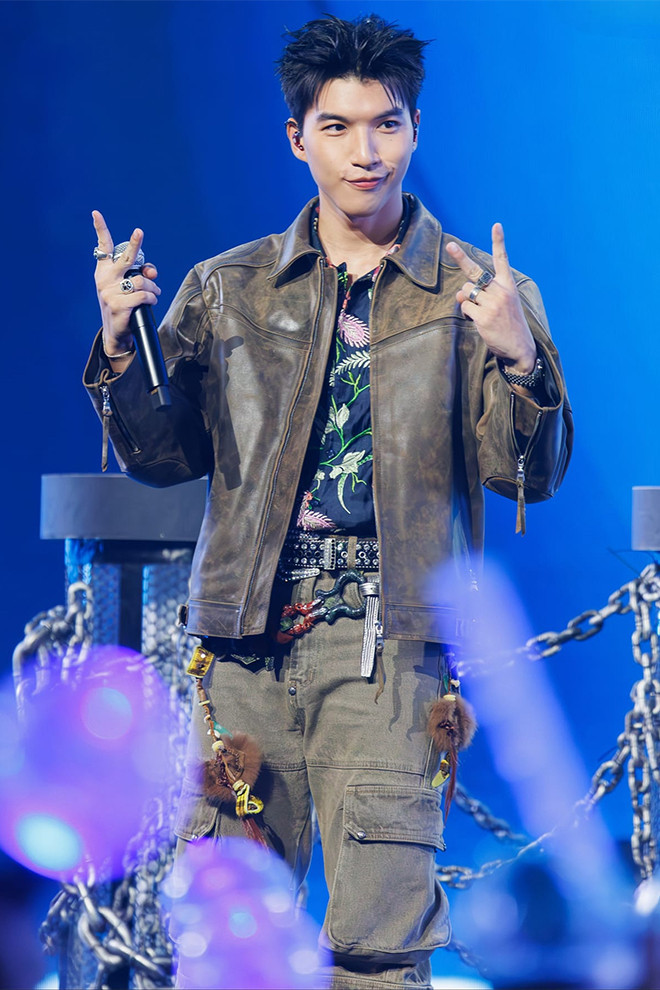
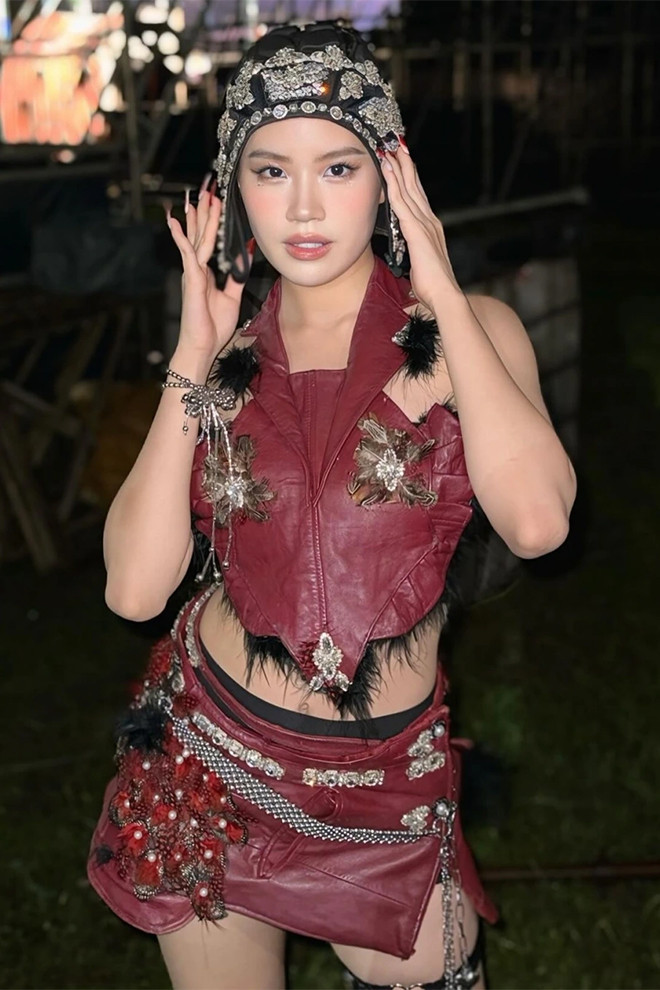
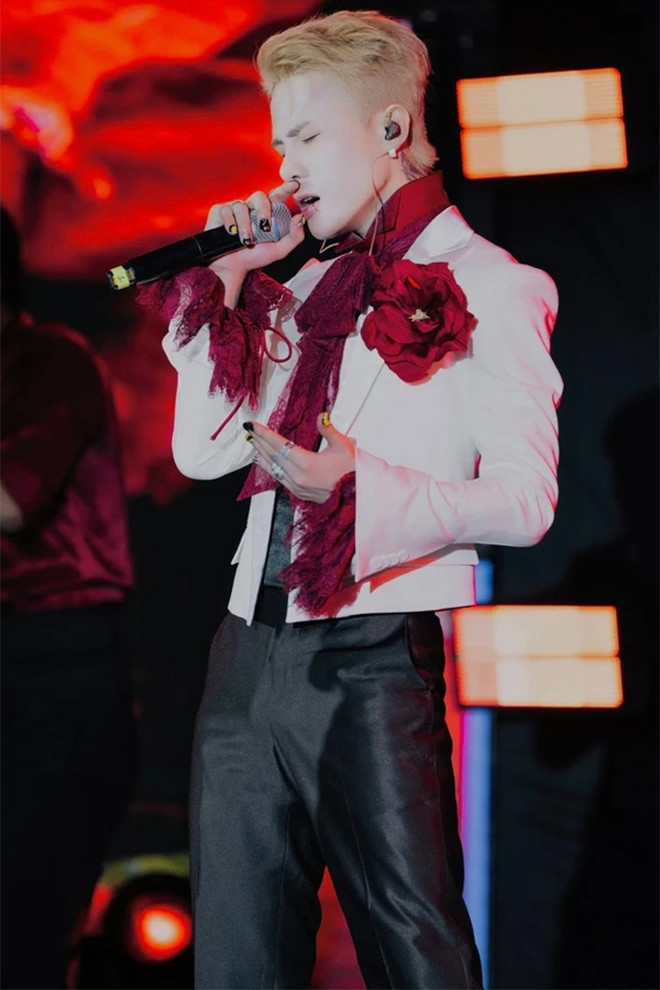
The Publicity and Mass Mobilization Committee of the Ho Chi Minh City Party Committee has issued an official document to relevant agencies, urging stricter management and rectification of music activities that display signs of cultural deviation.
Specifically, the committee recommends considering a ban on inviting artists whose creative works, behavior, speech, or performances are contrary to traditional customs and values, to participate in events and festivals organized by the city.
Artists such as Jack (whose performance in Hanoi on October 16 included vulgar and arrogant lyrics), Pháo (song Su nghiep chuong), HIEUTHUHAI (song Trinh), along with Gducky, CLME, DSK, Andree, Bray x Dat G, and Andree x Binh Gold were named for producing music that uses crude, offensive language, promotes hedonism, and glamorizes social evils.
The concern stems from a growing trend in music, particularly rap and social media-driven genres, that is believed to negatively influence traditional values and young people. Proposed solutions include increased monitoring, sanctions for violations, public awareness campaigns, creative guidance, and collaboration among government agencies, professional associations, critics, and the media to foster a healthy cultural environment.
Public opinion, especially from readers on media platforms, has been overwhelmingly supportive, with many considering this a necessary step to protect national cultural values. The following are notable reader comments categorized by key themes.
Call for harsher penalties
On VietNamNet, reader Le Tran Thi expressed a decisive stance: “Ban them from performing altogether,” emphasizing the need for firm action to reform the music industry.
Reader Vo Quoc Ha agreed, saying: “This directive is necessary and must be taken seriously. It should’ve been done a long time ago,” reflecting strong support for strict governance.
Reader Luong Ha Linh praised: “Ho Chi Minh City is always at the forefront of innovation and fairness in building a modern, civilized city with no room for artists who deviate from standards.” Reader Tale Minh added: “I support this decision. The Ministry of Culture should consider banning the circulation of works that use deviant language.”
Many readers went beyond expressing support to proposing tougher actions. Reader Khoa stated bluntly: “These so-called artists are corrupting the youth by encouraging reckless lifestyles,” warning of their direct influence on younger generations.
Reader Phan Hoai Thu stressed: “These are idols of the youth appearing regularly on television, so their inappropriate behavior must be dealt with seriously. Right now they’re just banned from city events, but if they repeat offenses, ban them from the airwaves entirely.”
Reader TQ Dung went further: “Strip them of the artist title altogether. Are they still worthy of it? The Ministry of Culture should handle this strictly.”
Reader Dinh Huy added: “Cultural authorities must impose serious penalties. We can’t allow celebrities with improper behavior or language to continue unchecked.”
Protecting youth and learning from global models
Other readers expanded the discussion, emphasizing the importance of protecting young audiences and drawing lessons from international experiences.
Reader Nhat Ha Suni supported the proposal: “I fully agree with Ho Chi Minh City’s stance. Serious actions will push artists to behave appropriately and become role models for youth.”
Reader Nmdunghoang proposed: “Artists like these shouldn’t be invited in any province, not just Ho Chi Minh City. Celebrities must uphold their image and set a good example.”
Reader Quyet Tam commented: “They should be banned from all public events. These youth idols are setting bad examples.”
Reader Thuy Tram compared: “In China, artists who deviate from standards are completely blacklisted, their careers destroyed. That’s why most Chinese artists are well-behaved, while Vietnamese artists often act out of line. Here, they just get fined, and what do artists have most of? Money.”
Reader Ha Tan Vu was adamant: “There should be a nationwide ban on performances and any distribution of these artists' work to protect children.”
Reader Ha Hong Van concluded: “Ban them from performing in all forms,” reflecting a strong desire to foster a healthier musical environment.
These responses reveal a powerful public consensus in favor of stringent regulation for artists with inappropriate behavior, aimed at preserving cultural values and shaping a positive artistic landscape.
Thuan Phong
.svg)
