 Vietnamnet.vn

 Podcast



For generations, the Po Co River has flowed tirelessly through the borderlands of Vietnam and Cambodia. During the resistance war against the United States, legendary ferryman A Sanh used his dugout canoe to cross the river, carrying soldiers, weapons, food and supplies for the struggle to defend the country.
Along this river, however, history remembers not only the courage of the legendary ferryman but also the steadfast bonds between the peoples of the two countries. Cambodians living along the river quietly passed on information about safe routes, shared food and supplies, and guided Vietnamese soldiers away from enemy pursuit.
These simple yet courageous acts contributed to the strength of solidarity and helped write enduring chapters in the history of friendship and comradeship between the Vietnamese and Cambodian peoples during the years of war.
Today, those memories continue to be passed down as a powerful symbol of Vietnam-Cambodia solidarity, while local communities are now “writing the next chapter of peace.”
Part 1: Po Co River tells a story of enduring Vietnam-Cambodia friendship
Part 2: Po Co River binds Vietnamese-Cambodian families across the border
Building thriving villages along the border
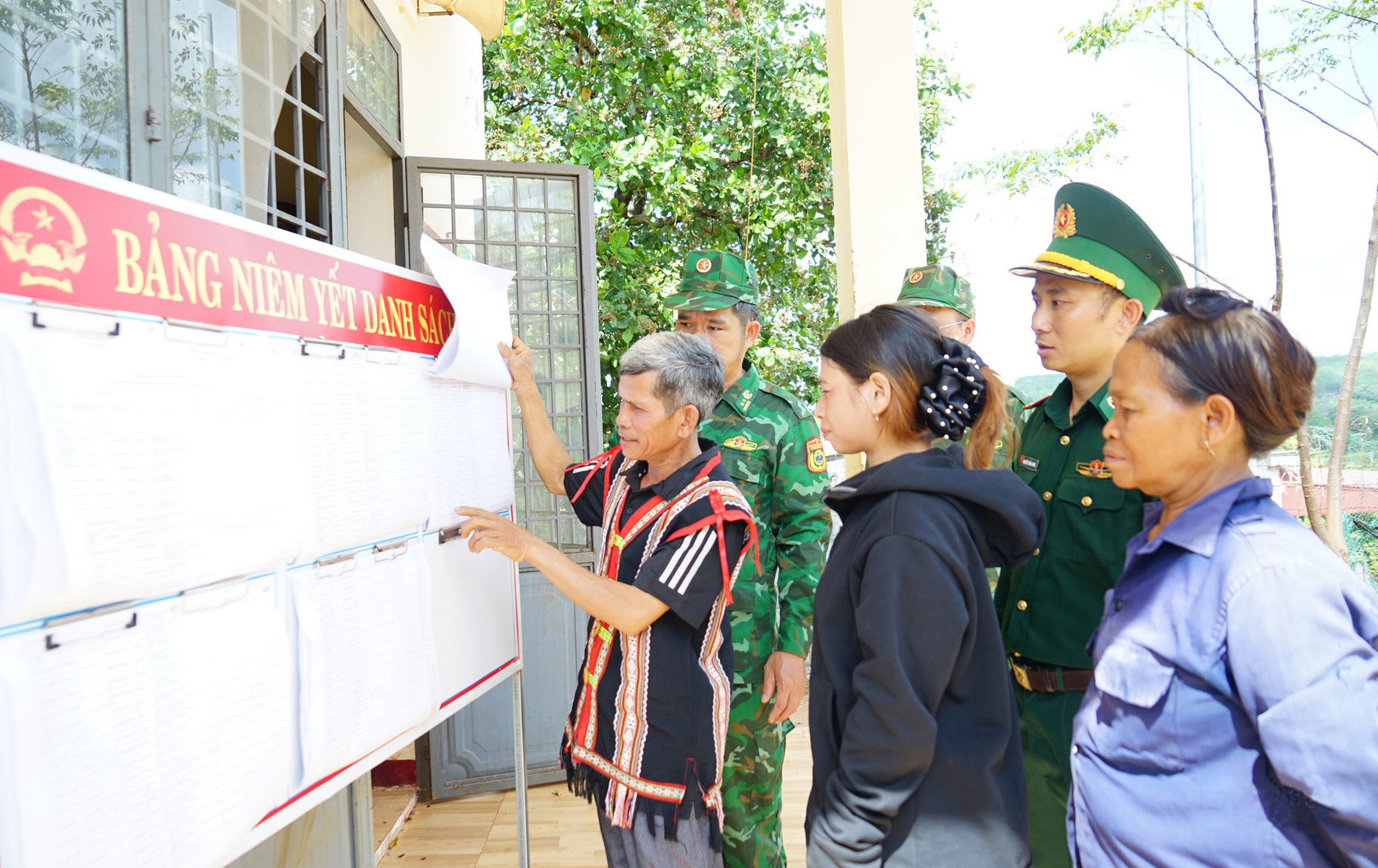
Nearly half a century after leaving the land of his birth to seek refuge, village elder Ro Mah Bloih has come to love his second homeland as deeply as the place of his roots.
He said the lives of Cambodian-origin families are far more stable today than they once were. Residents are not only working to improve their livelihoods and build better lives for their families, but also remain mindful of their responsibility to show gratitude to the Party, the State and the Vietnamese people for opening their arms to shelter and support them.
Guided by that belief, elder Bloih has consistently taken the lead in local movements and become an important bridge between the authorities and the community.
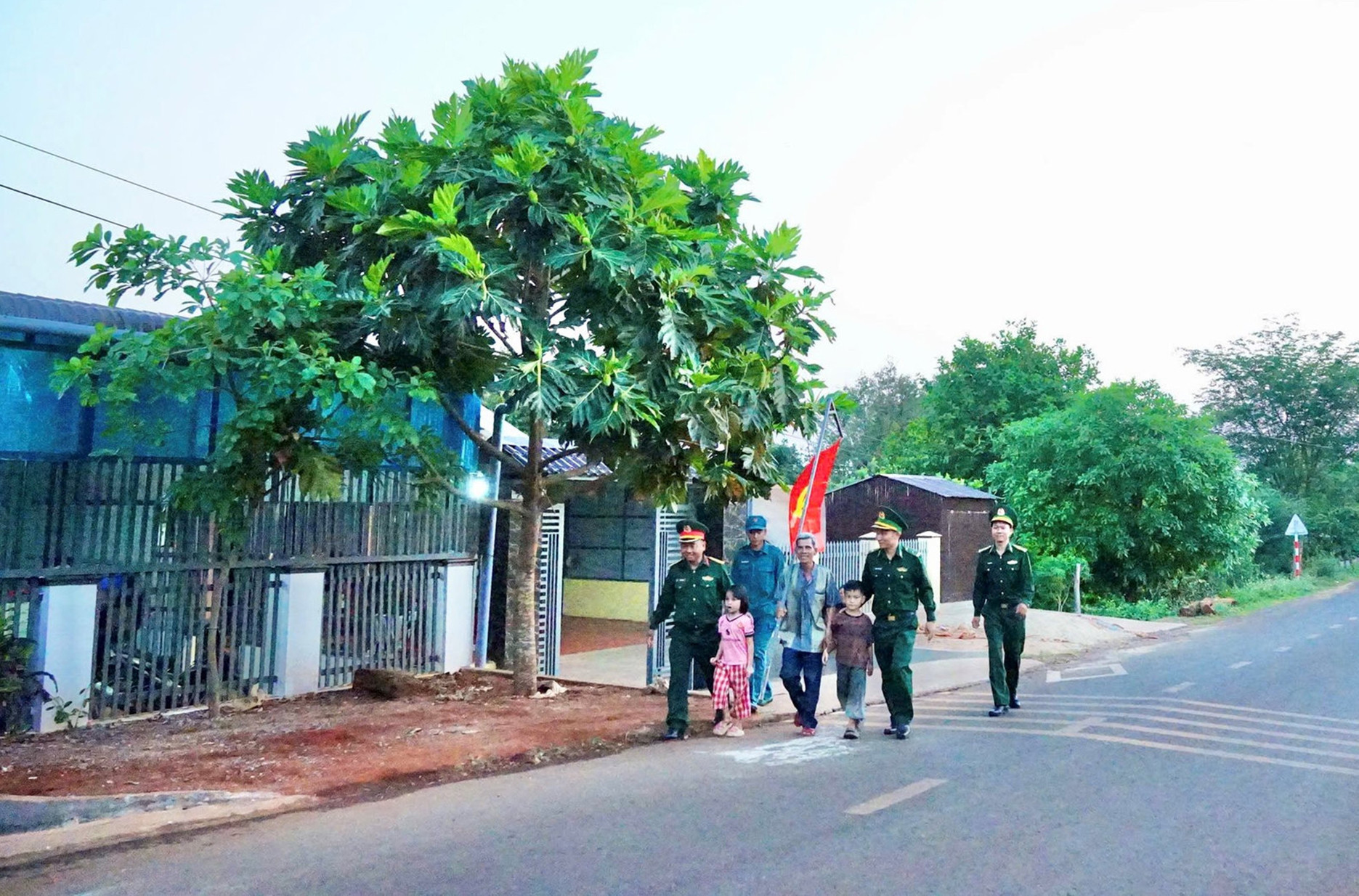
For years, he has worked with the Border Guard, the Vietnam Fatherland Front and mass organizations to raise legal awareness, encourage villagers to change outdated ways of thinking and working, build a better way of life together and safeguard peace along the border.
In 2023, residents elected him village elder and a respected community figure in Triel village, Ia Pnon commune.
“Early marriage used to be quite common. Together with the local authorities, I encouraged families to change and helped establish village conventions under which families allowing their children to marry too young would have to answer to the community and their clan. Gradually, people changed their thinking. They began focusing on making a living, sending their children to school and working together to protect the land that had given them a home,” elder Bloih said.
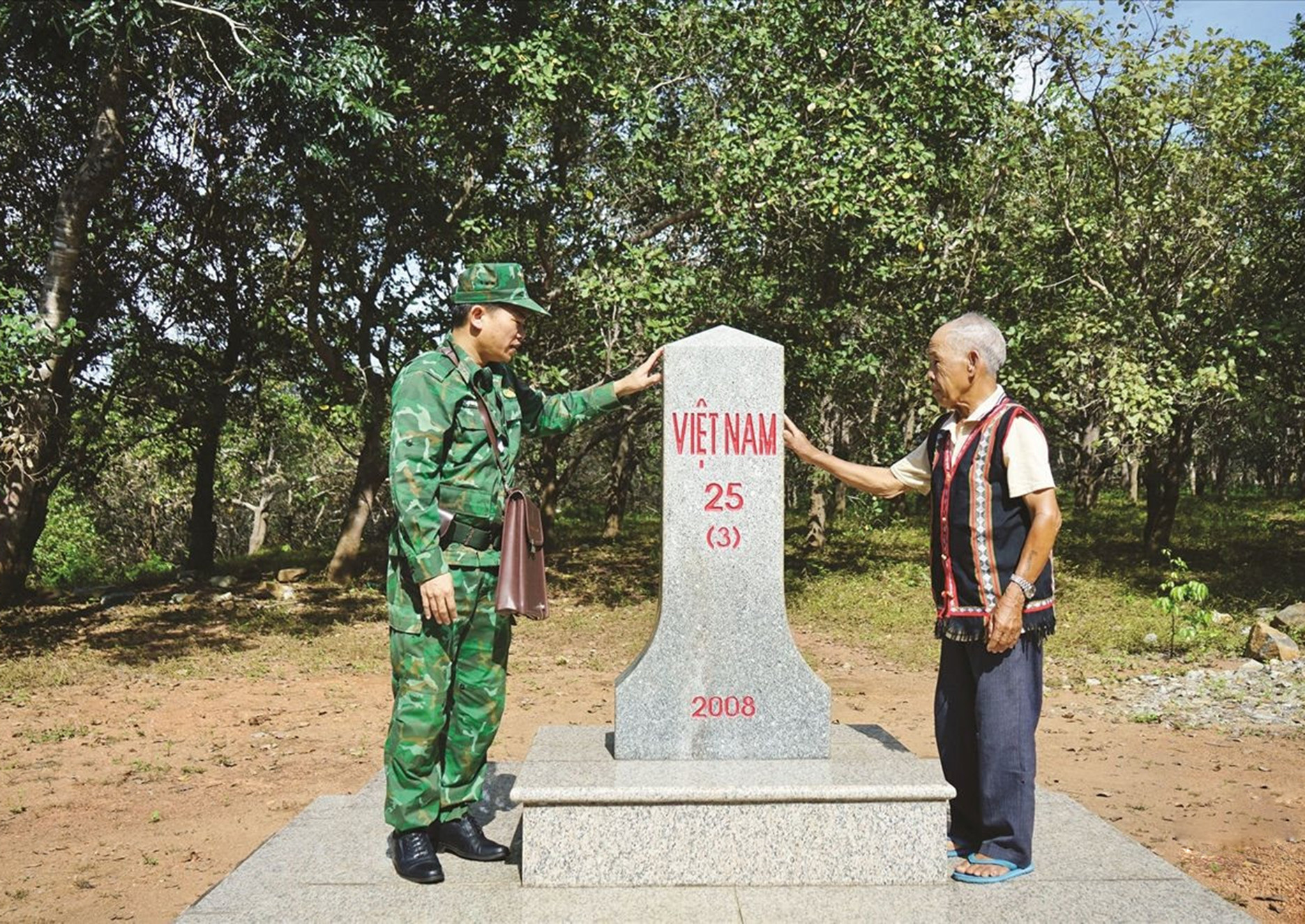
Bloih has led not only through words but also by example. He was the first villager to boldly cut down nearly two hectares of aging cashew trees and replace them with smallholder rubber plantations. When the model proved successful, many other households followed. Triel village now has nearly 300 hectares of rubber, which has become an important source of income for many families.
Sharing the same profound gratitude toward his second homeland, Ksor Bong, village elder and a respected community figure in Bi village, Ia O commune, has also devoted himself to serving the community.
In his role, he actively encourages residents to work together to improve their livelihoods, preserve their cultural identity and build a more civilized way of life. At the same time, he works with the Border Guard to promote legal awareness and strengthen residents’ understanding of their responsibility to protect national sovereignty and border security.
“The village can only be peaceful when the border is peaceful. People must know how to protect their homeland, obey the law, refuse to be swayed by those with malicious intentions and work hard so that their lives continue to improve,” elder Bong said.
Through his advocacy, Bi village established a self-management team responsible for the border and boundary markers, working alongside police and Border Guard forces to conduct patrols and maintain security and public order. For many years, the area has recorded no illegal border crossings or legal violations, helping preserve peace and stability along the frontier.
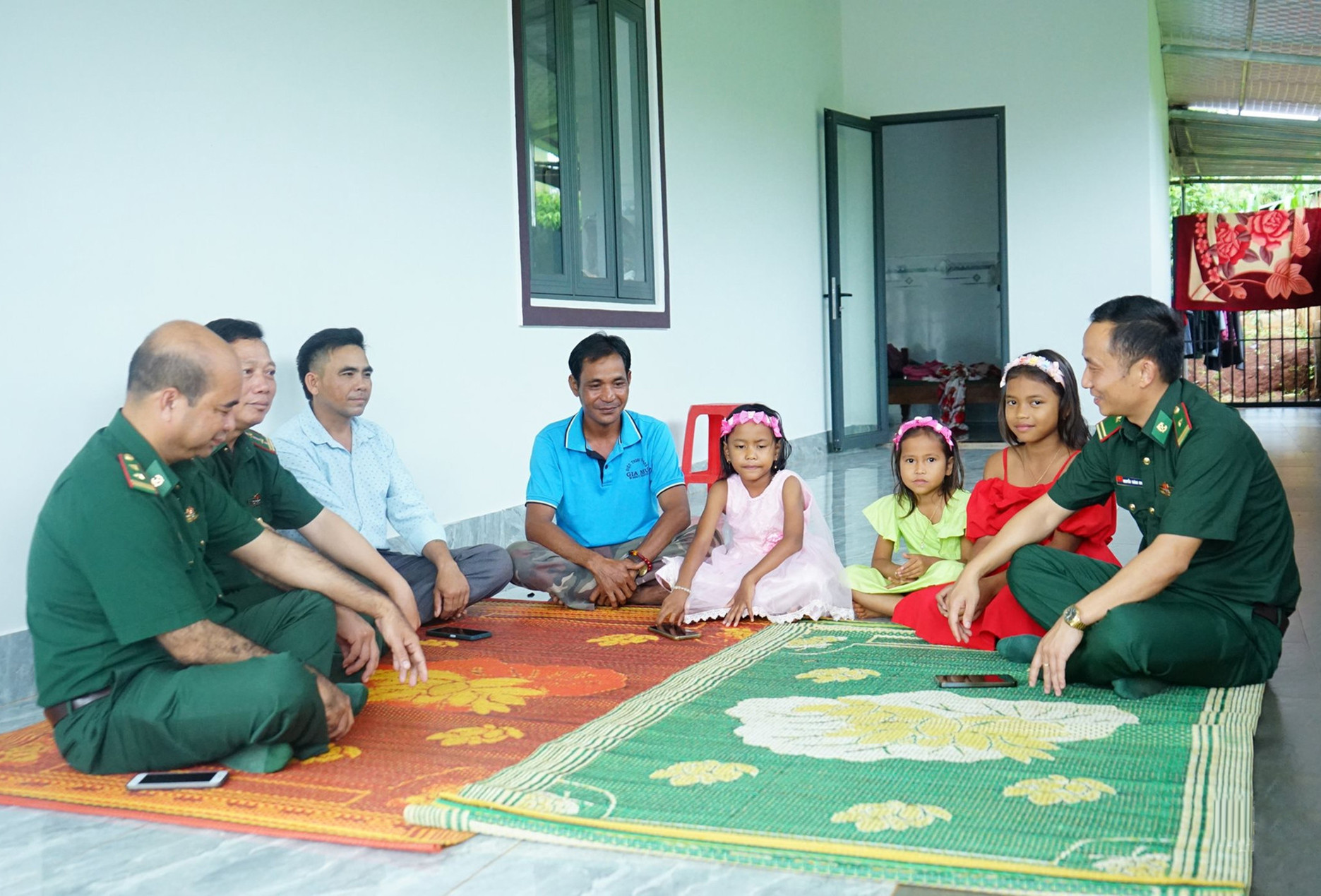
Alongside elders Bloih and Bong, Ksor Biu, head of Triel village, regularly reminds residents to remember the kindness shown by the Vietnamese people. He actively communicates Party guidelines and State policies and laws, while encouraging residents to remain united, develop their livelihoods and build an increasingly prosperous community.
Biu said that thanks to the attention and assistance of the Party, the State and local authorities, the lives of people of Cambodian origin have gradually transformed. From only a few dozen households facing considerable hardship in the early days, Triel village now has 95 households with 427 residents and has met the standards of a new-style rural village in an ethnic minority area.
Many families now cultivate tens of sao of coffee, cashew and rubber while also raising livestock, generating annual incomes of around US$9,600-11,500. The spacious, solid homes rising across the borderland offer visible evidence of both the transformation taking place and the confidence local residents have in their future.
Carrying Vietnam-Cambodia friendship into the future
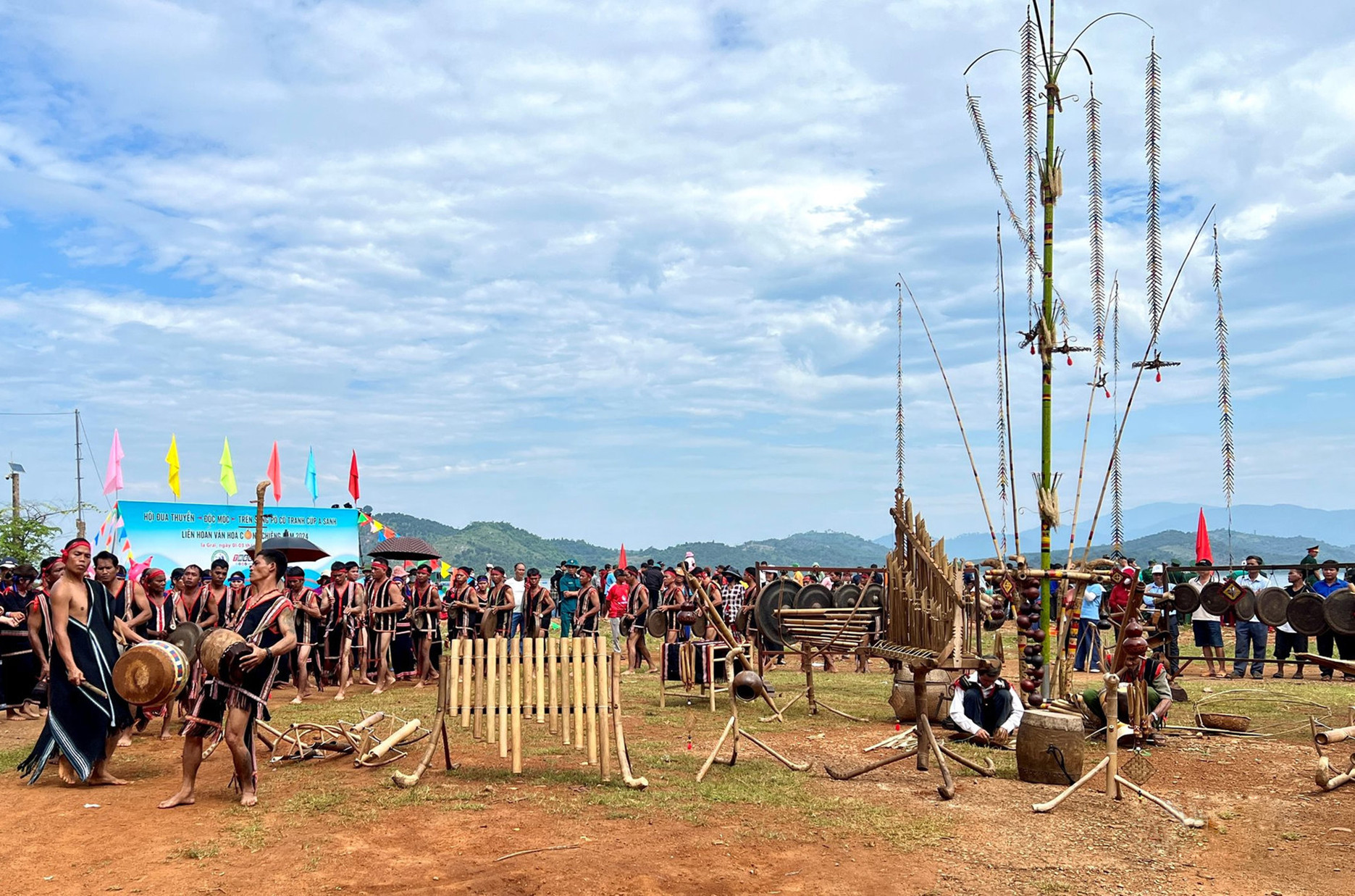
Building on the longstanding friendship between the two peoples, border protection forces and communities on both sides regularly organize cultural exchanges, visits, medical examinations and treatment, gift-giving programs and twinning activities between residential communities. Through these efforts, solidarity and close ties between the peoples of Vietnam and Cambodia continue to deepen.
Colonel Ro Mah Tuan, Deputy Political Commissar of the Gia Lai Provincial Border Guard Command, said the force would continue working with local Party committees and authorities to promote public participation in building a healthy cultural life and advancing socio-economic development in border areas.
Particular attention, he said, would be given to communication and outreach among ethnic minority communities, while effective models of twinning, people-to-people exchanges, bilateral patrols and cross-border crime prevention would continue to be maintained.
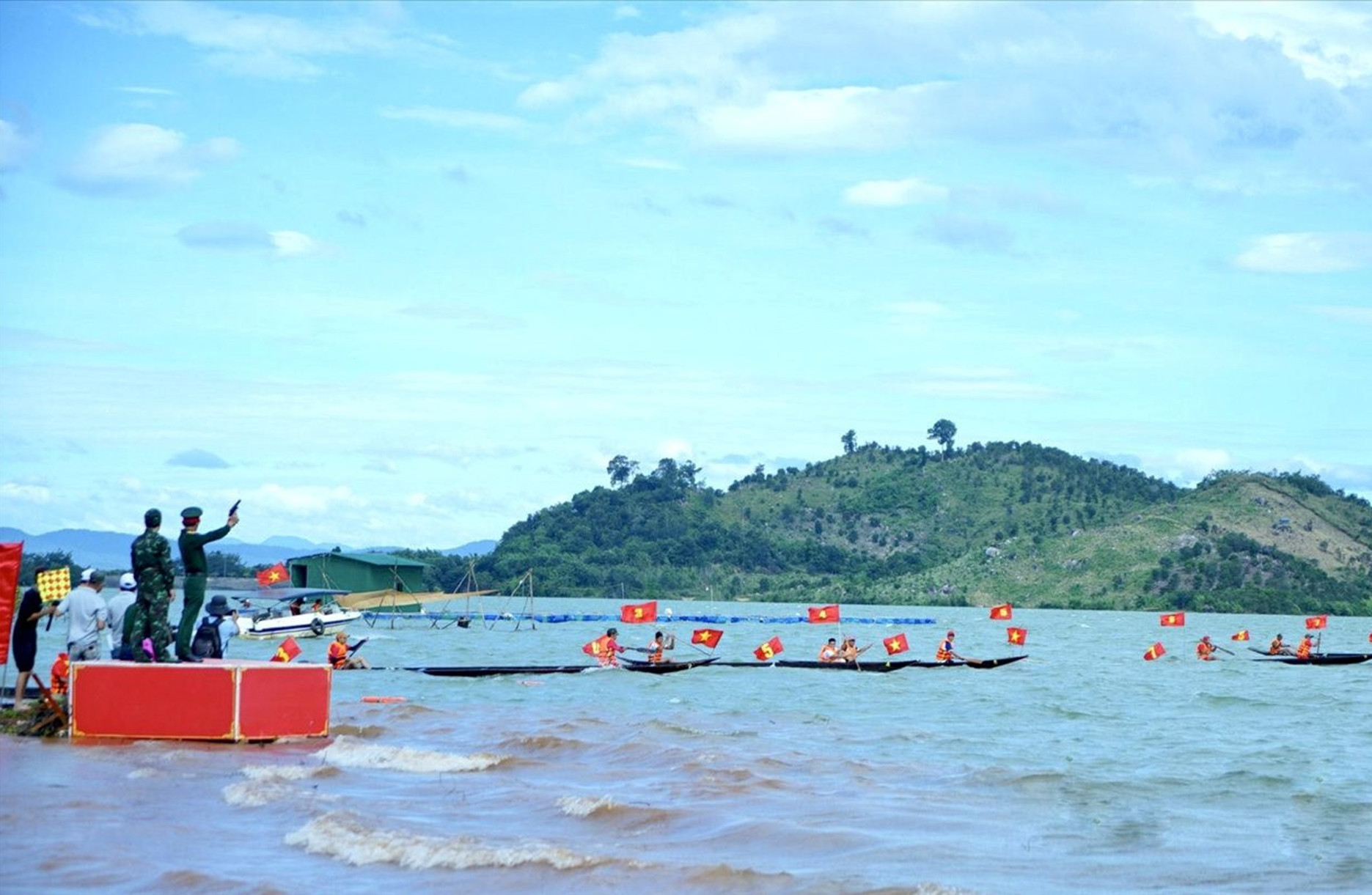
These activities help strengthen trust and friendship while contributing to a Vietnam-Cambodia border of peace, stability, cooperation and sustainable development.
Today, the Po Co River is not only a witness to history but also a cultural meeting place for the peoples of both countries through the annual Dugout Canoe Racing Festival in Dang village, Ia O commune, Gia Lai province, bordering Dun Mia district in Cambodia’s Ratanakiri province.
Puih Toi, a Cambodian resident, said emotionally: “I love this river, and I love the Vietnamese people. I hope the brotherly solidarity between Cambodia and Vietnam will remain as pure and enduring as the waters of the Po Co.”
In their second homeland, people of Cambodian origin now hold Vietnamese citizenship. Their children attend school, adults have land to cultivate, families live in increasingly spacious homes, and their lives are becoming more prosperous.
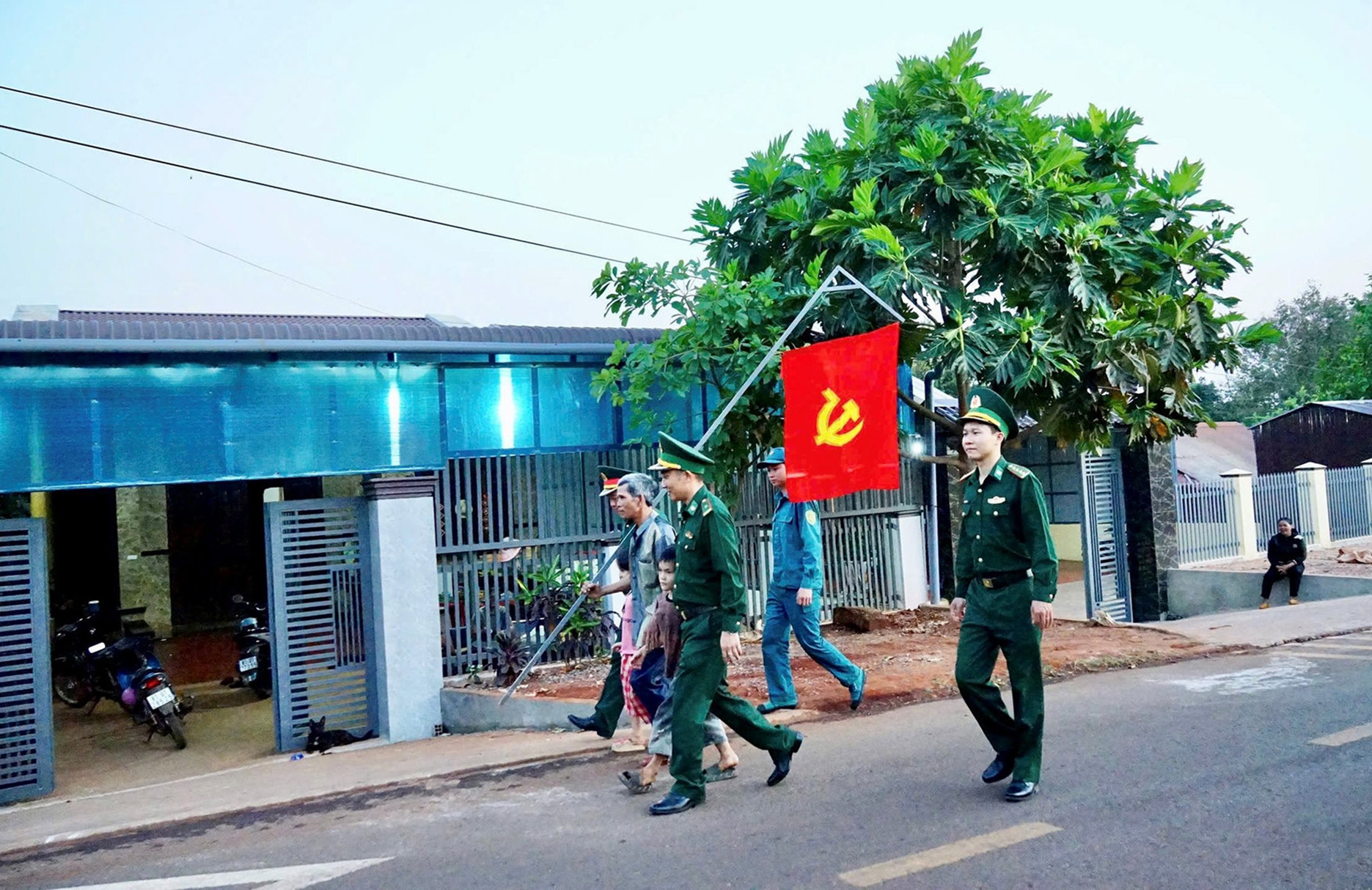
Cambodia is where their roots lie, but their hearts remain deeply attached to Vietnam - the country that opened its arms to welcome and protect them and gave them the opportunity to build a new life.
In many homes of Cambodian-origin families, a portrait of beloved President Ho Chi Minh occupies a place of honor. Along roads across the borderlands, Party and national flags flutter in the wind, affirming the residents’ trust, gratitude and attachment to the country that has become their second homeland.
Elder Ro Mah Bloih said emotionally: “We are of Cambodian origin, and being able to live here and hold Vietnamese citizenship is an honor and a source of pride. We always place our trust in the Party’s leadership and work together with our community to build increasingly prosperous, united and developed lives.”
The Po Co River continues its journey through the borderlands. And alongside its ceaseless flow, the current of Vietnam-Cambodia friendship lives on - sustained by human bonds, gratitude and ties that time cannot erase.
Ngoc Thu
.svg)
