 Vietnamnet.vn

 Podcast



For generations, the Po Co River has flowed through the borderlands of Vietnam and Cambodia.
During the resistance war against the United States, national hero and ferryman A Sanh used a dugout canoe to transport soldiers, weapons and food across the river in support of the struggle for national liberation.
The river witnessed not only the bravery of the legendary ferryman but also the steadfast bonds between the people of the two countries.
Cambodian residents living along the river quietly informed Vietnamese soldiers when routes were safe, shared food with them and guided them away from enemy searches.
These simple yet courageous acts contributed to the strength of solidarity and helped write a historic chapter of friendship and mutual support between the Vietnamese and Cambodian peoples during the war.
Today, those memories continue to be passed down as powerful symbols of Vietnam-Cambodia unity, while local residents carry forward what they describe as a continuing story of peace.
The home of village elder Ro Mah Bloih, born in 1966, stands amid vast green rubber plantations in Triel Village, Ia Pnon Commune, Gia Lai Province.
Originally from Cambodia, Bloih fled to Vietnam with his family in 1978 to escape the genocide perpetrated by the Pol Pot regime.
Over a cup of hot green tea, he slowly recounted the journey from his Cambodian village to the country that later became his home.
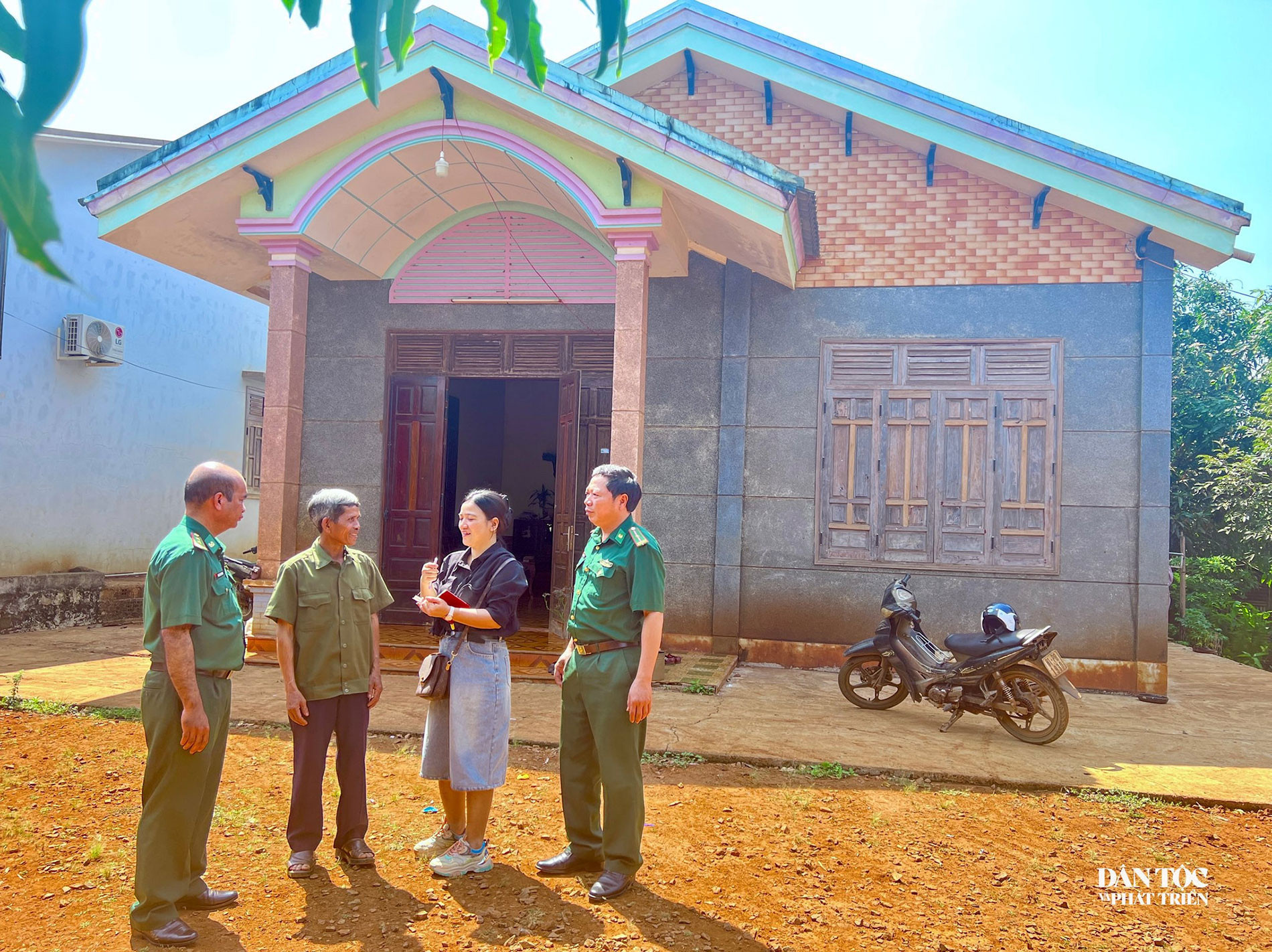
Nearly 50 years later, Bloih remains haunted by the horrific years under the genocidal regime. He was only 10 at the time.
In 1978, nearly 40 households from Lam Village in Po Nhay Commune, Oyadav District, Ratanakiri Province, crossed the border and sought refuge in Vietnam.
Panic-stricken families carried their children into the forest as they fled.
To escape the violence, Bloih's parents led him and his sibling across streams and through forests into Vietnam with nothing. Their property had either been taken or burned.
At around the same time, approximately 60 households with 200 people from Cambodia's Kloong Village also fled eastward.
Village elder Ksor Bong, born in 1952 and now living in Bi Village, Ia O Commune, still vividly remembers the days spent fleeing the genocide.
His voice lowered as he recalled memories that have never faded.
The villagers were desperately hungry and had almost nothing to eat. Families moved together through forests and across streams in search of shelter. Some children were exhausted by hunger and fatigue.
Yet the threat of genocide was even more terrifying than starvation, so everyone struggled to remain alive and continue moving.
They were fortunate to cross the Po Co River and reach Ia O Commune, where Vietnamese residents and soldiers gave them shelter and assistance.
Vietnam opened its arms
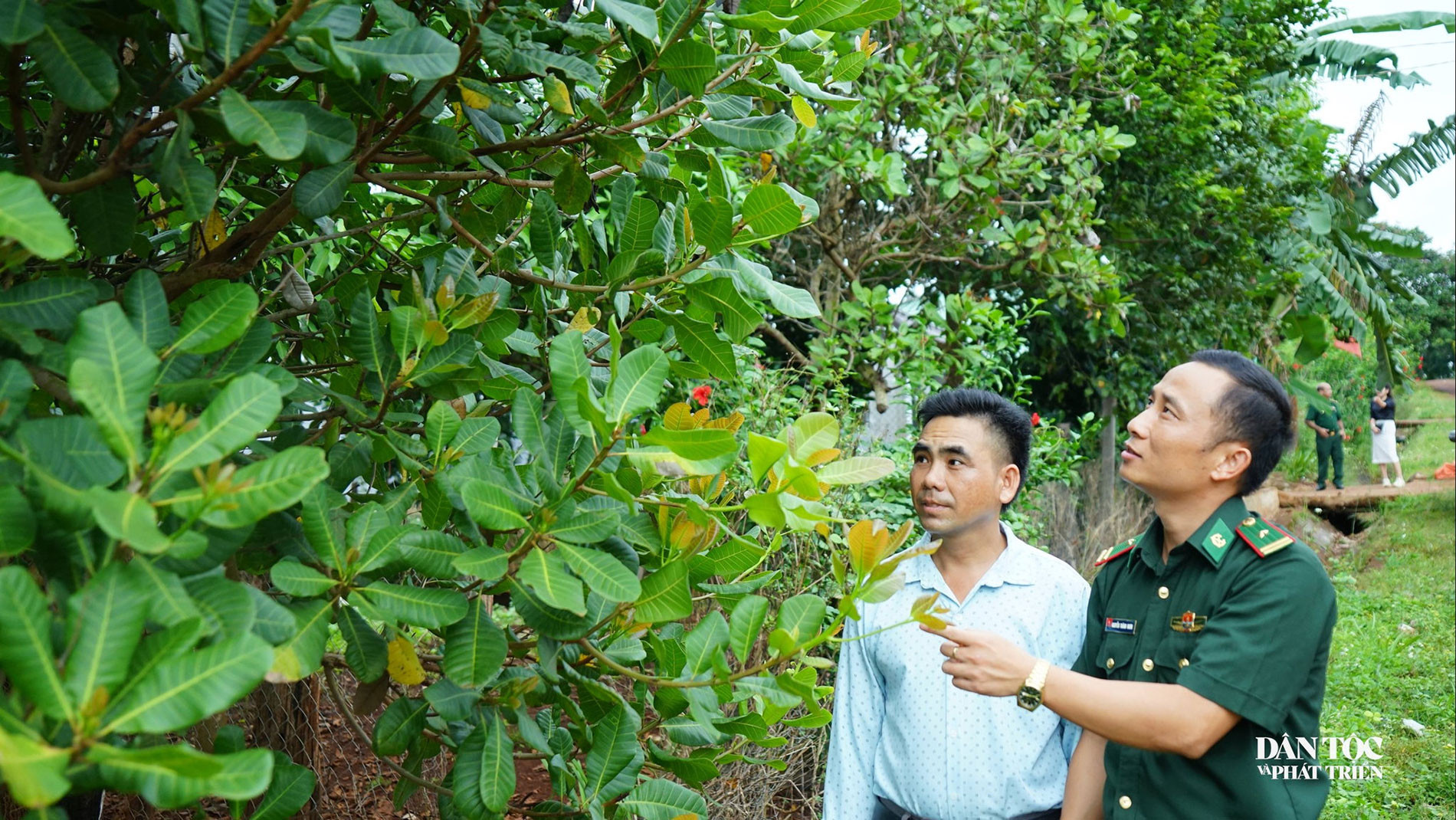
When the Cambodian refugees arrived in Vietnam, local residents, officials and soldiers welcomed them with open arms.
Despite facing food shortages themselves, many Vietnamese families shared their most precious supplies.
Some even ground rice seeds reserved for future crops and cooked porridge to help the refugees survive the crisis.
"We ate leaves and drank water from streams. Many people collapsed from hunger and exhaustion," Bloih said. "When we arrived in Triel Village, the Jrai people, local officials and soldiers opened their arms and sheltered us. It was the humanity we found in Vietnam that sustained us and gave us the opportunity to have the lives we have today."
The family of Ksor Biu, another village resident of Cambodian origin, has now been connected to this second homeland for three generations.
With assistance from local authorities and residents, hundreds of Cambodian-origin people found new homes.
They later established Triel Village in Ia Pnon Commune and worked together to rebuild their lives in a new country.
According to Bong, who is of Cambodian origin and now lives in Bi Village, Vietnamese residents and soldiers provided deeply compassionate support during those difficult years.
They helped build thatched roofs to protect families from the weather, supplied seedlings and shared their limited rice.
"The kindness and humanity of the Vietnamese people along the Po Co River warmed us and helped the villagers quickly overcome hardship, settle down and gradually improve their lives," Bong said.
Nguyen Hue, Chairman of the Ia Pnon Commune People's Committee, said Triel Village was established by Cambodian-origin residents who crossed into Vietnam as refugees.
They have since developed a deep attachment to the land they regard as their second homeland.
For decades, local authorities have supported and guided residents in developing agricultural production and stabilizing their livelihoods.
Particular attention has been given to ensuring that families possess the necessary legal documents, allowing them to remain securely in their villages and benefit from state support policies.
Local authorities have also worked with border guards to facilitate cultural exchanges and family visits between communities on both sides of the border.
These activities contribute to the preservation of cultural identity while strengthening solidarity and friendship between Vietnam and Cambodia.
Ngoc Thu
.svg)
