 Vietnamnet.vn

 Podcast



While rumours surrounding Apple’s next-generation flagship have largely focused on new colours and adjustments to the company’s release strategy, the latest leaks suggest Oppo could be preparing a device with specifications powerful enough to capture the attention of even the most devoted technology enthusiasts.
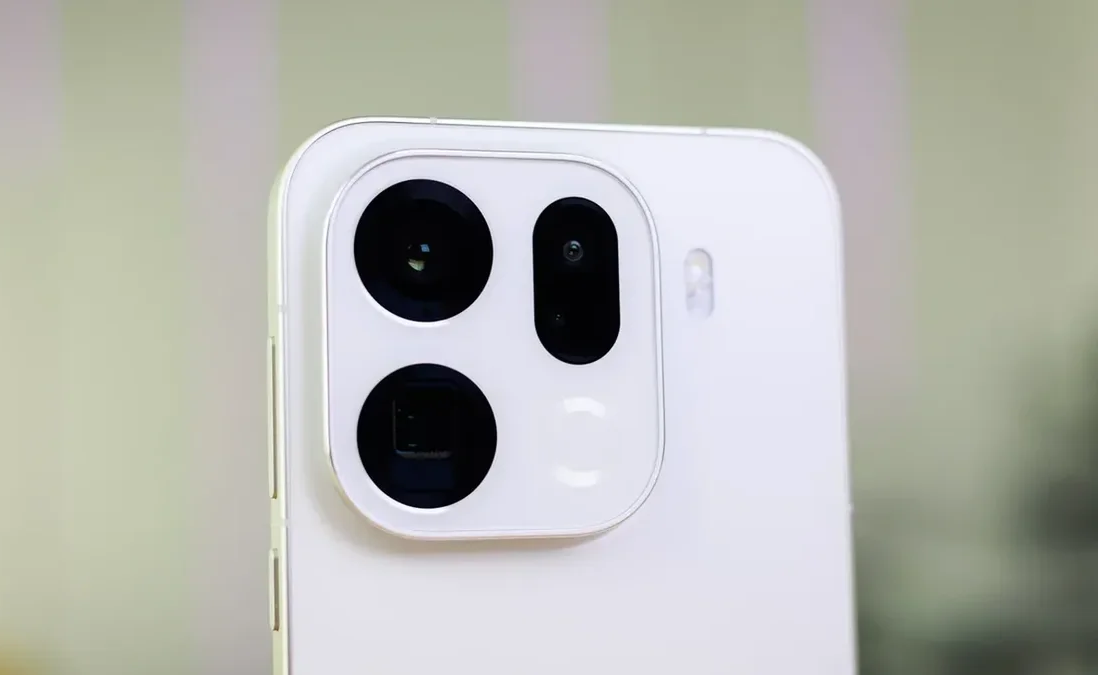
Apple is reportedly planning to change the release schedule for the iPhone 18 series, separating certain models to create more marketing space for the premium iPhone 18 Pro Max.
However, even that strategy may not be enough to preserve its advantage against an increasingly competitive wave of premium Android smartphones, particularly from Chinese manufacturers such as Oppo.
Leaks point to a new performance powerhouse
According to recent reports, Oppo is expected to unveil the entire Find X10 lineup in September, with the Find X10 Pro positioned as the flagship model.
The most notable upgrade is expected to be MediaTek’s next-generation Dimensity 9600 processor.
The chip is reportedly built on an advanced 2nm manufacturing process, promising significant improvements in both performance and power efficiency.
If the leaks prove accurate, the Dimensity 9600 could become a direct competitor to Apple’s A-series processors, long regarded as the benchmark for smartphone performance.
Beyond raw processing power, the Find X10 Pro is also expected to feature an ambitious camera system.
The device is rumoured to include a 200MP primary camera using a 1/1.3-inch Samsung sensor, accompanied by a second 200MP telephoto camera, a 3MP multispectral sensor and an ultra-wide camera whose specifications have yet to be disclosed.
If confirmed, Oppo would become one of the few manufacturers to bring a dual-200MP camera system to a commercial smartphone, potentially delivering major advantages in zoom photography and image detail.
Battery could become its most powerful weapon
For many users, however, the most eye-catching specification may not be the cameras but the battery.
Leaked information suggests the Oppo Find X10 Pro could be equipped with a battery capacity of at least 8,000mAh - nearly double the size typically found in current iPhone Pro models.
As silicon-carbon battery technology continues to mature, Android manufacturers have increasingly pushed battery capacities to unprecedented levels without significantly increasing device thickness or weight.
If Oppo successfully integrates an 8,000mAh battery into a premium flagship, battery life could become one of its strongest competitive advantages over Apple.
The device is also rumoured to feature a 6.78-inch LTPO OLED display based on a new-generation Tianma panel, along with wireless charging, an ultrasonic in-display fingerprint sensor and IP68/IP69 water and dust resistance ratings.
Growing pressure on Apple
The previous-generation Find X9 Pro was already regarded as one of the most powerful Android smartphones on the market and a credible competitor to the iPhone 17 Pro Max. With the Find X10 Pro, Oppo appears determined to push even further.
By contrast, current leaks surrounding the iPhone 18 Pro Max suggest Apple may not introduce revolutionary changes in either design or battery capacity.
Instead, the company is expected to focus on camera improvements, including support for variable aperture photography.
While such features may appeal to photography enthusiasts, many analysts believe mainstream consumers place greater importance on battery endurance and everyday performance - areas where Oppo appears to be investing heavily.
Technology journalist Peter previously described the Find X9 Pro as “the craziest flagship of 2025” in his review.
Although not the most radical design on the market, the device stood out thanks to its exceptional battery life, premium build quality, impressive display and reliable camera system.
If the Find X10 Pro builds upon those strengths while delivering substantial hardware upgrades, it could become one of the most powerful Android smartphones ever produced.
Even so, Oppo’s technological advances may not be enough to force Apple into an immediate strategic response.
The main challenge remains market reach. Oppo smartphones are not officially sold in the United States, and the company’s global presence remains significantly smaller than Apple’s.
That limitation makes it difficult for Oppo to compete directly with the iPhone in terms of overall sales volume or market share.
Apple still benefits from a highly integrated ecosystem, powerful brand recognition and a vast global distribution network - advantages that no Android manufacturer can easily replicate in the near future.
Nevertheless, Oppo’s progress continues to increase competitive pressure across the premium smartphone segment. In reality, Samsung may have more reason to monitor Oppo closely, as both companies compete directly within the high-end Android market.
Future Galaxy S devices could find themselves facing increasingly capable rivals such as the Find X10 Pro.
Hai Phong
.svg)
