 Vietnamnet.vn

 Podcast



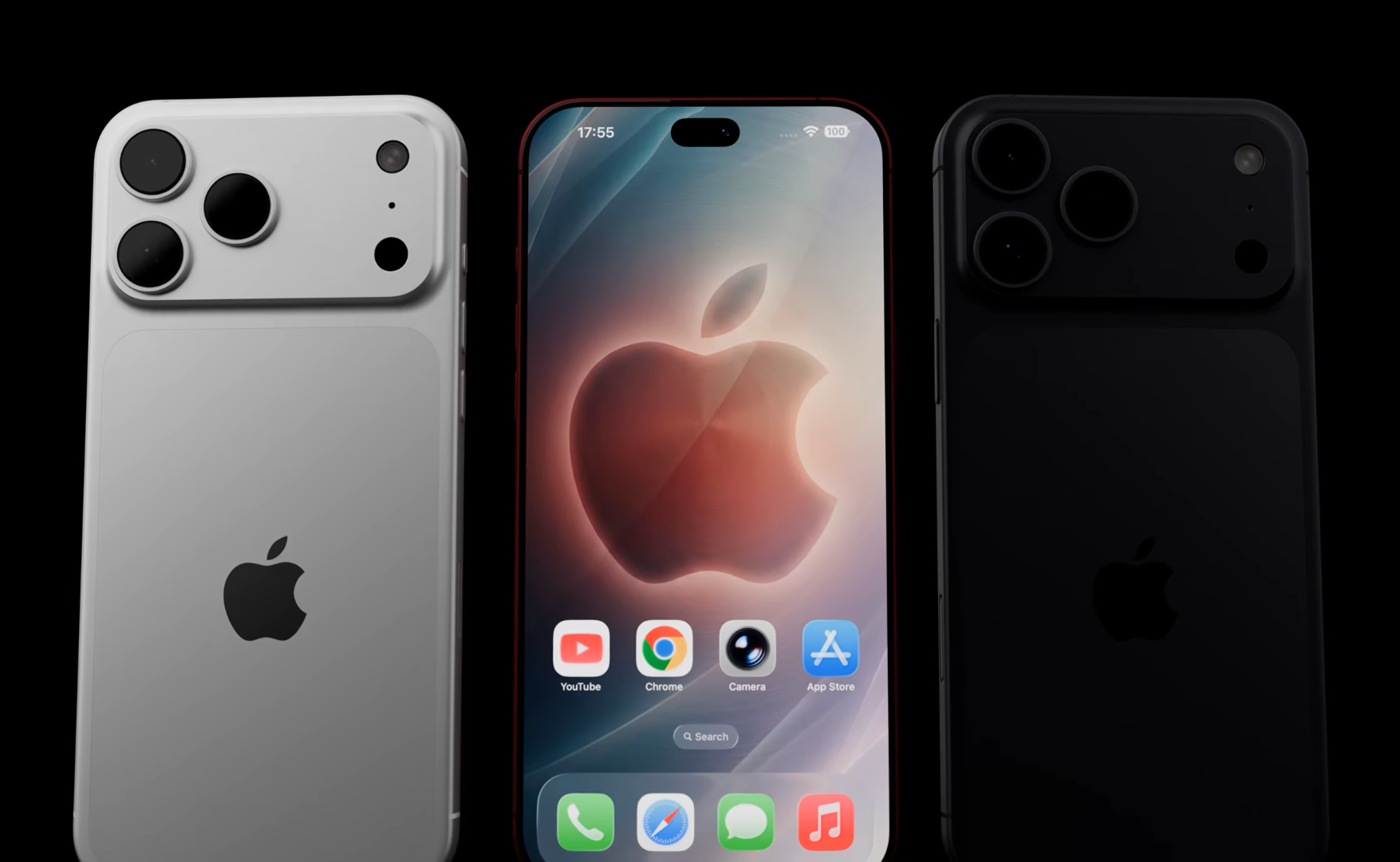
The iPhone 18 Pro Max is not expected to feature a premium Tandem OLED display. Photo: TT Technology
According to a new report from South Korea, Apple is not expected to equip this year's iPhone 18 Pro Max with Tandem OLED display technology. Instead, the company is reportedly prioritizing improvements related to thermal management and overall display performance.
What makes the development particularly noteworthy is that while Apple remains cautious, OPPO is emerging as a leading candidate to bring the technology to smartphones first. The Chinese brand has steadily strengthened its position in the global premium smartphone market and could now gain an important technological advantage.
What is Tandem OLED and why is it considered the future of smartphone displays?
Unlike conventional OLED panels that use a single organic light-emitting layer, Tandem OLED employs two stacked light-emitting layers.
This design allows each layer to operate at lower intensity while producing the same brightness level. The result is a display capable of achieving significantly higher brightness while generating less heat and offering a longer operational lifespan.
The benefits extend well beyond specifications on a product sheet. Cooler-running displays improve outdoor visibility under strong sunlight, while the long-term degradation commonly associated with OLED technology can be slowed.
Apple is no stranger to Tandem OLED. The company previously introduced the technology on the iPad Pro M4, where it received widespread praise from industry observers. The move demonstrated Apple's confidence in the potential of next-generation display technology.
However, according to the latest report, Apple's next device featuring Tandem OLED may be an M6-powered MacBook Pro, while iPhone users could reportedly wait until 2028 before seeing the technology arrive on Apple's flagship smartphone lineup.
OPPO emerges as a surprise contender in the display race
The most intriguing aspect of the report is the claim that display manufacturer BOE is ready to begin production of new Tandem OLED panels, with OPPO expected to be among the first customers.
If accurate, OPPO could become the first smartphone maker to bring Tandem OLED to premium handsets on a large commercial scale, beating Apple to a technology that Apple itself helped bring into the spotlight through the iPad Pro.
Such a development would not be entirely unexpected. In recent years, OPPO has invested heavily in display technology and has repeatedly impressed consumers with exceptionally bright smartphone screens.
Independent testing of the OPPO Find X9 Pro reportedly measured peak brightness at approximately 3,545 nits, closely matching the company's official claims. The result highlights OPPO's growing expertise in display engineering and suggests the company is well positioned to capitalize on next-generation panel technologies.
Why Tandem OLED matters
For consumers, Tandem OLED is more than a marketing feature.
Because two light-emitting layers share the workload, displays can operate more efficiently and generate less heat when maintaining high brightness levels for extended periods. This is particularly beneficial for users who frequently use their phones outdoors or consume HDR content.
Another advantage frequently cited by industry experts is improved resistance to burn-in, the image retention issue historically associated with OLED displays.
Many analysts and technology enthusiasts argue that reducing electrical load on each light-emitting layer lowers operating temperatures and helps extend pixel lifespan. Although burn-in is far less problematic on modern smartphones than it once was, improved durability remains a meaningful benefit for users who keep their devices for several years.
Is Apple being cautious or losing its edge?
From a strategic standpoint, Apple's decision is not without logic.
New technologies often bring higher manufacturing costs, and the electronics industry continues to face pricing pressures across key components, particularly memory and premium hardware.
Moreover, the displays used in current iPhone models already rank among the best available in the smartphone market. Apple may simply prefer to wait until the technology matures further before deploying it across tens of millions of devices annually.
Nevertheless, from a branding perspective, being overtaken by a rival such as OPPO in display innovation is likely to fuel debate. Apple has long been viewed as a company capable of defining technology trends, but developments like this may prompt some observers to reassess that reputation.
As Android manufacturers continue investing aggressively in hardware innovation, competition in display technology is becoming increasingly intense. If OPPO ultimately becomes the first company to commercialize Tandem OLED smartphones at scale, it could mark one of the most significant shifts in the mobile industry between 2026 and 2028.
Hai Phong
.svg)
