 Vietnamnet.vn

 Podcast



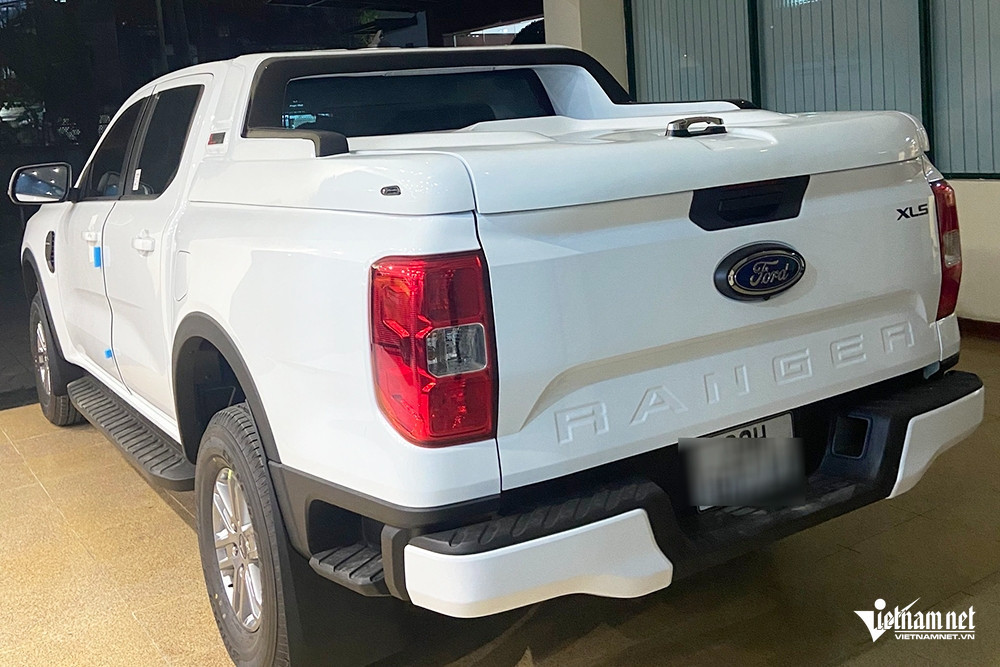
The debate over pickup trucks being classified as trucks and thus restricted from entering inner Hanoi during peak hours has drawn a great deal of public attention. Speaking with VietNamNet, Nguyen To An, Deputy Director of the Vietnam Register, explains the technical criteria used to classify pickup vehicles, as well as the regulations the public needs to understand.
Could you explain if the classification of pickup vehicles as passenger cars or trucks is mainly based on vehicle structure, payload, or usage purpose?
The classification between pickup passenger cars and pickup trucks is not based on a single criterion but on a combination of technical factors. These include vehicle structure, the ratio between permitted cargo weight and passenger weight, as well as the usable cargo bed area.
For pickup trucks, the cargo bed floor area must be at least 1 sqm, calculated as usable length multiplied by usable width in accordance with national technical standards.
Another important criterion is the ratio between permitted cargo weight and passenger weight. The standard weight per person is set at 65 kg, multiplied by the total number of permitted occupants, including the driver.
These criteria are not new. They were established in 2003 within the national standards system for classifying vehicles by usage purpose and have been updated multiple times since then. Currently, Circular 53/2024 serves as the legal basis for implementation.
Many people wonder why some pickup vehicles are registered as passenger cars while others are classified as trucks. How can users tell the difference?
First, it should be clarified that the term “pickup” does not exist in legal documents or certificates issued by the registration authority.
When issuing certificates of technical safety and environmental protection, the authority clearly specifies whether the vehicle is a pickup passenger car or a pickup truck.
The most notable difference lies in regulatory management. For example, pickup trucks are subject to a usage lifespan similar to other trucks, with a maximum of 25 years from the year of manufacture. Pickup passenger cars are not subject to such lifespan limits.
Therefore, when purchasing a vehicle, users only need to check the vehicle type stated in the certificate of origin, import certificate, or inspection certificate to determine whether it is classified as a passenger or cargo vehicle.
For vehicles already registered as pickup trucks, can they be converted into pickup passenger cars?
Under current regulations, pickup passenger cars belong to the passenger vehicle category, while pickup trucks belong to the cargo vehicle category. Therefore, converting a pickup truck into a pickup passenger car is not permitted.
The Law on Road Traffic Order and Safety clearly prohibits this, specifically banning the conversion of other types of vehicles into passenger cars, except for national defense or security purposes.
So, vehicles classified from the outset must retain their category throughout their entire period of use.
What is the Vietnam Register’s view if manufacturers reduce payload to below 950 kg to avoid truck-related restrictions?
In reality, the classification criteria between pickup passenger cars and pickup trucks do not include any threshold related to 950 kg, as many people currently assume.
Classification relies on technical factors such as vehicle structure, cargo bed area, and the ratio of cargo weight to passenger weight.
To bring a vehicle model to market, manufacturers or importers must undergo rigorous testing, evaluation, and certification processes. Therefore, it is not possible to simply adjust specifications on paper without changing the actual structure of the vehicle.
In addition, the two types of vehicles are subject to different regulatory policies, especially in terms of taxation. The tax rate for pickup passenger cars is higher than that for pickup trucks, meaning classification directly affects pricing and ownership costs.
Beyond technical factors, regulations on usage lifespan, tax policies, and traffic restrictions also significantly influence consumers’ purchasing decisions and on-road costs.
In addition to technical factors, regulations on service life, tax policies, and circulation regulations also significantly impact the decision of vehicle buyers.
Vu Diep
.svg)
