 Vietnamnet.vn

 Podcast


The VPpop - Next: Technology Meets Soul event took place in Ho Chi Minh City on November 7, bringing together artists, producers, representatives of digital platforms and artist management companies.
Participants discussed the future of Vietnamese music, the role of artificial intelligence (AI) in creative work and opportunities to build a diverse, healthy and sustainable music ecosystem.
Vietnamese artists must adapt to AI, says Dong Quang Vinh
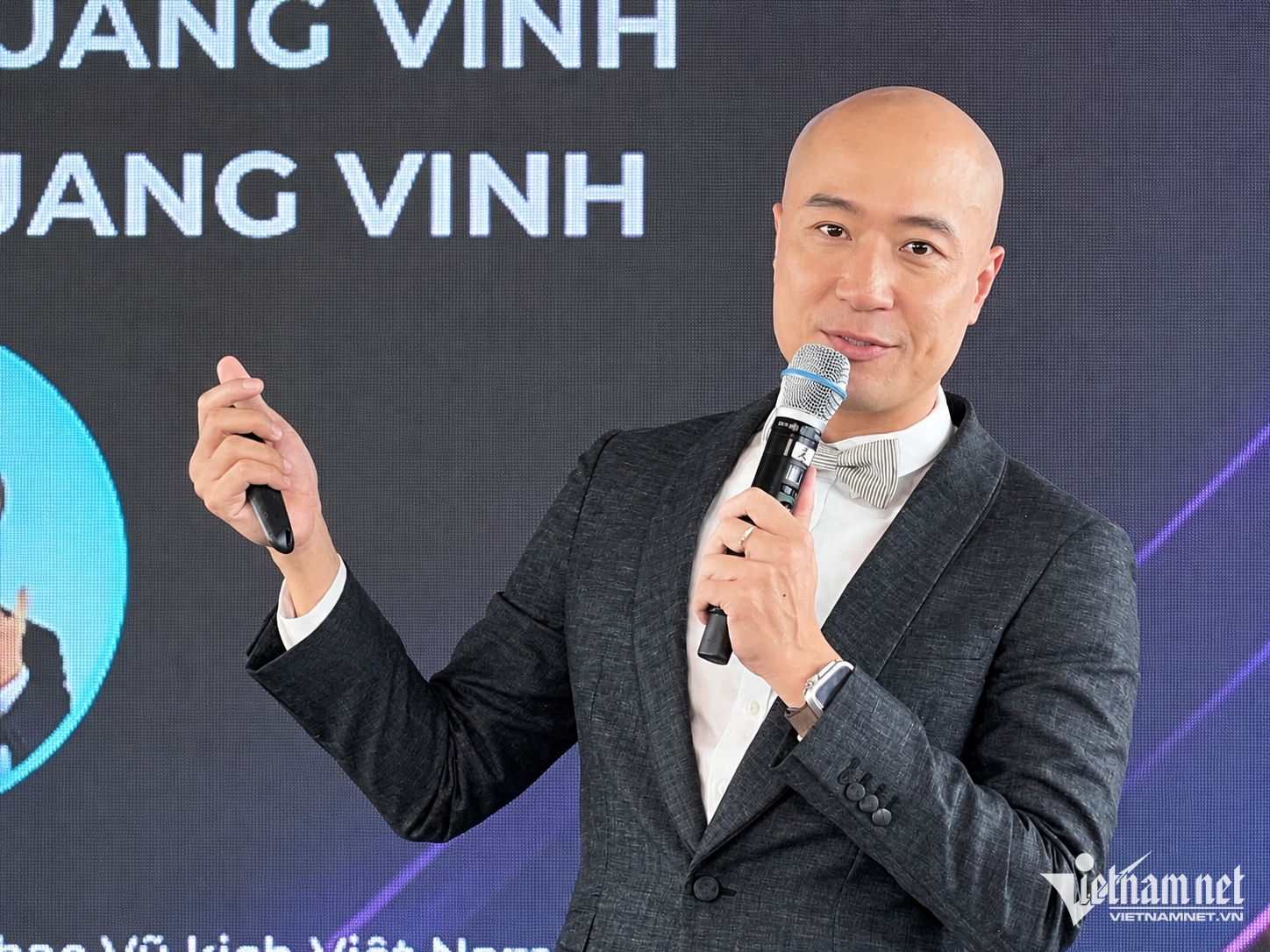
Conductor Dong Quang Vinh, one of the event's speakers, highlighted the importance of cultural exchange in connecting people through the arts.
He said the value of such events extended beyond professional discussions and performances. They also provided opportunities for people who share a passion for music to meet, exchange ideas and learn about one another's cultures, helping bridge distances between countries and cultural communities.
Alongside these opportunities, Vinh acknowledged that AI was placing considerable pressure on people, including those working in the arts.
The rapid development of machines and artificial intelligence, he said, was an inevitable trend that could neither be denied nor avoided.
"AI is a formidable competitor for humans. However, I still believe that if we continue learning, improving our skills and developing ourselves, we can create values that AI cannot yet replace," he told VietNamNet.
According to the conductor, humanity's greatest strengths lie in emotion, lived experience and the ability to connect knowledge with emotional depth.
These qualities distinguish human artistic expression and represent values that AI cannot replicate.
Despite his optimism about the opportunities offered by technology, Dong Quang Vinh remains deeply concerned about one fundamental question: How can artists strike a balance between tradition and modernity?
Technology can help musicians reach global audiences and explore new creative approaches, but international integration should not come at the expense of national cultural identity.
He believes that works presented to international audiences should reflect contemporary artistic sensibilities while retaining a distinctly Vietnamese cultural character.
"The greatest challenge is creating a work that international audiences can immediately recognize as Vietnamese when they hear it, while ensuring that it is modern and artistically accomplished," he explained.
Achieving that balance requires artists to develop a strong intellectual foundation and a deep understanding of Vietnamese culture, including the distinctive traditions of different regions.
Only by genuinely understanding and appreciating traditional values, he argued, can artists determine which elements should be preserved and which can be reinterpreted to resonate with contemporary audiences.
Dong Quang Vinh stressed that Vietnamese artists must move beyond simply preserving existing traditions.
They should actively explore new approaches to bring traditional music closer to younger generations and international audiences.
"Artists cannot afford to be lazy or remain in their comfort zones forever. Of course, this is not something that can be achieved overnight. It requires years of learning, accumulating knowledge and sustained artistic effort," he emphasized.
Vietnam's music future depends on more than hit songs
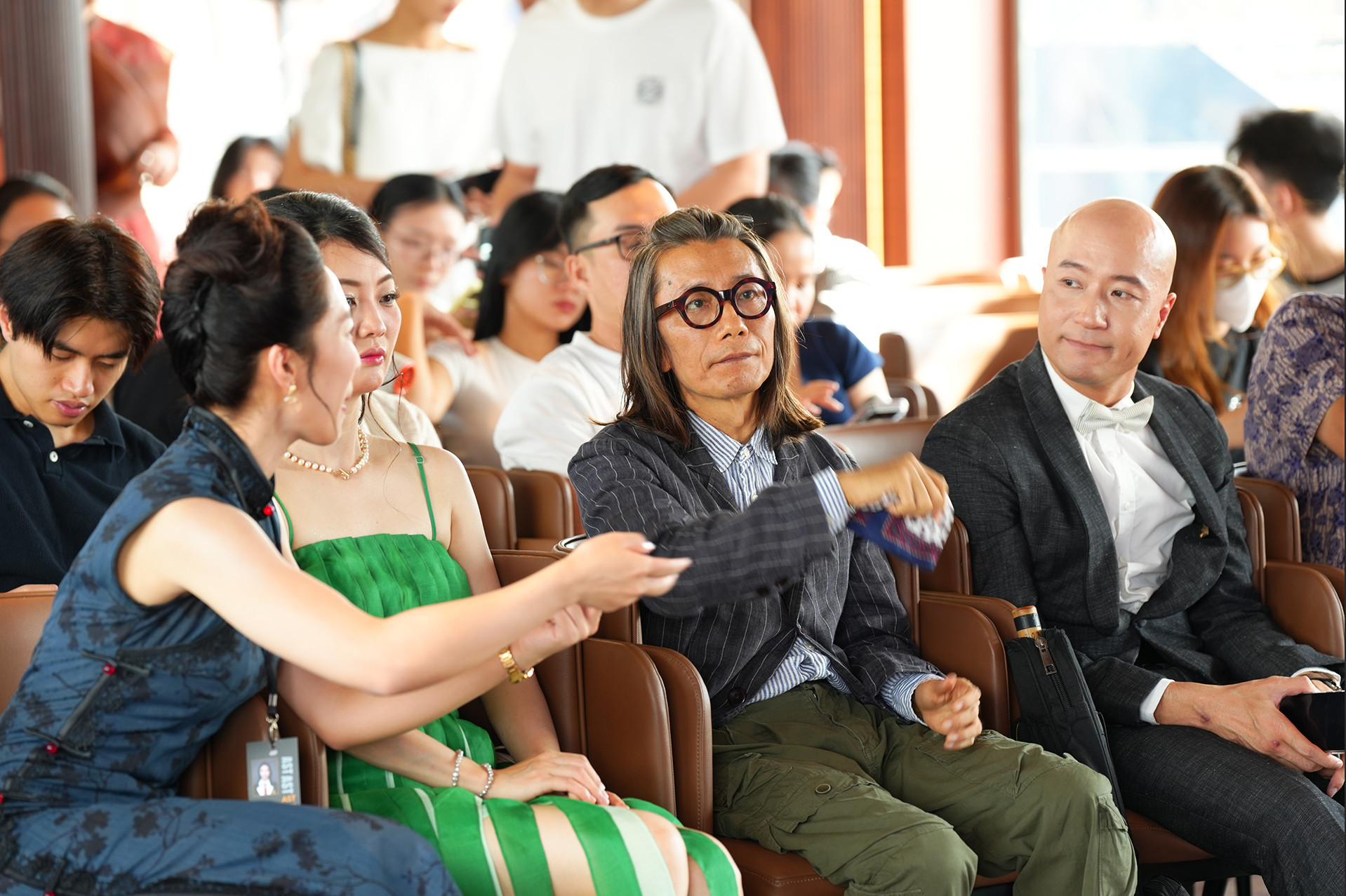
Also speaking at the event, Danny Sim, Visiting Professor and Academic Adviser to the Supervisory Board at the Communication University of China, discussed the importance of cooperation among artists, record labels, music platforms and audiences.
Such collaboration, he said, is essential to nurturing talent and encouraging diversity across musical genres.
Although technology and AI are opening up new possibilities, he maintained that human creativity and cultural authenticity remain at the heart of music.
"A hit song may provide a good starting point, but a healthy ecosystem is what allows music to continue spreading and endure over time," he observed.
The future of Vietnam's music industry, therefore, should not be measured solely by its ability to produce chart-topping songs.
Equally important is its capacity to establish a sustainable and collaborative ecosystem that supports domestic talent and helps Vietnamese music reach international markets.
Representatives of the organizing committee said the event aimed to encourage dialogue and cooperation among different stakeholders in the music industry.
As technology transforms how music is created, produced and delivered to audiences, human creativity, cultural identity and meaningful connections between people will remain decisive factors in determining its lasting value.
Tuan Chieu

