 Vietnamnet.vn

 Podcast



The reorganization and restructuring of villages and hamlets are not only based on population criteria, but also traffic conditions, residential characteristics, customs, and the community cohesion of each village.
Cu Bao ward used to have 10 villages and 35 residential groups, with 8,276 households. After reorganization, the ward now has five villages and 12 residential groups.
Y Khue Ayun, a prestigious person from Kwang A village, said the reorganization and restructuring of villages and residential groups in Cu Bao ward received consensus, support, and active participation from officials, Party members, and all citizens.
Through public opinion polls, residents of Kwang A and Kwang B villages showed very high consensus, agreeing on the common name of Kwang village. After the merger, Kwang village has more than 400 households, with the Ede ethnic group making up the majority.
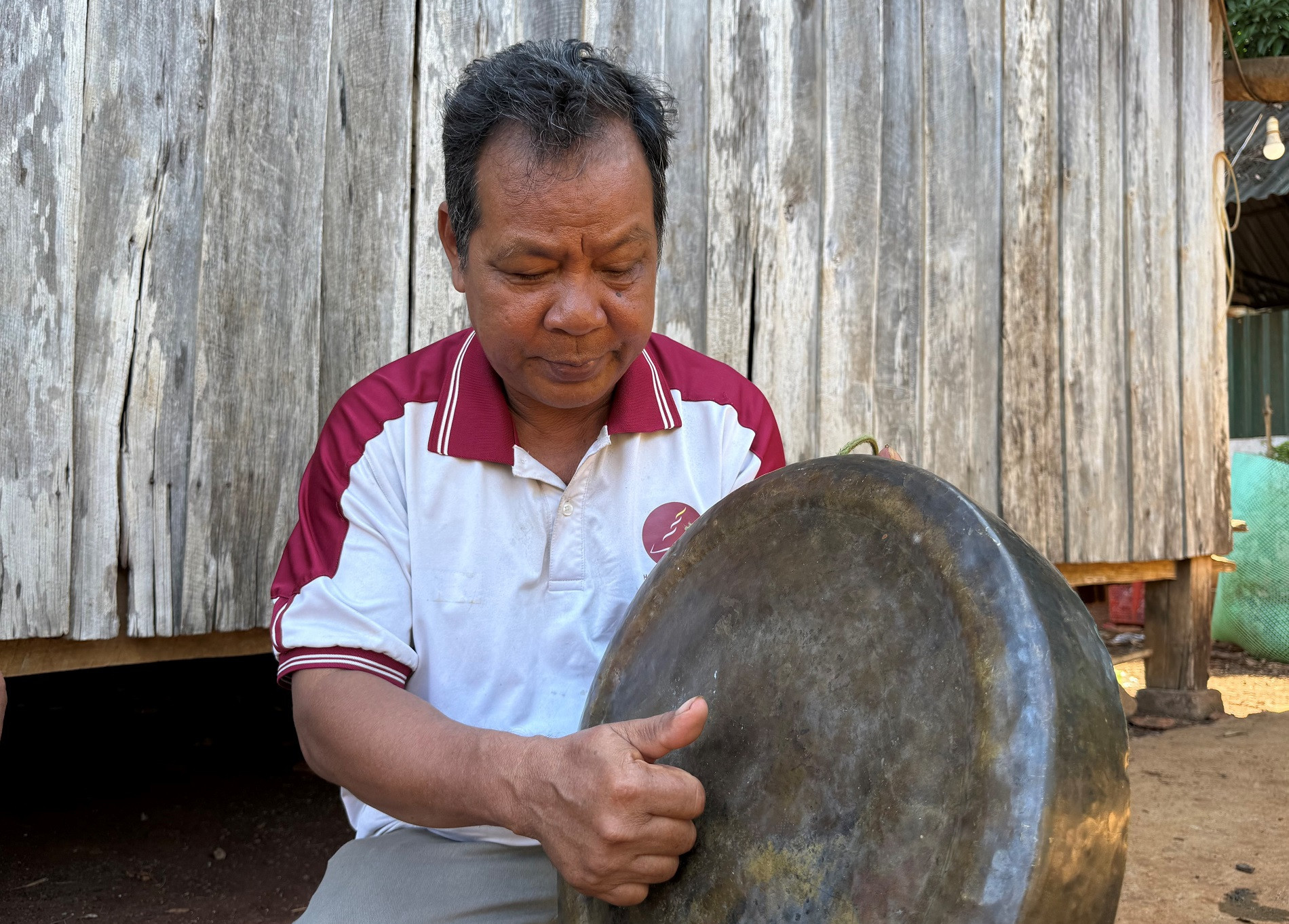
Currently, both villages still preserve many beautiful traditional cultural features of the Ede people, such as longhouses and gongs.
“The two villages were originally one, then separated, and now merged back together, so they are quite similar in culture and customs. The merger does not affect the preservation and promotion of traditional cultural identity,” Y Khue Ayun said.
Based on the regulations of the Central Government and the province, Lien Son Lak reorganized 31 villages and hamlets down to 15, including two villages and 13 hamlets.
H Huyen Hmok, a resident of Dong Bak village, said that understanding the goals and significance of the reorganization, the majority of residents agreed with the policy. What the people desire most is that after the reorganization, the apparatus will operate more effectively, and policies will reach the people faster, while still maintaining solidarity and the cultural identity of the village.
Administrative reorganization
While the reorganization of villages and hamlets is a requirement of the innovation process, preserving cultural identity is no less important during implementation.
Kon H’ring village in Cu Mgar commune is home to the Xo Dang ethnic people who migrated from Kon Tum. Through many historical happenings, from war to migrations in search of new lands, people decided to keep the original name Kon H’ring when establishing the village in 1988 as a way to preserve their roots.
For many years, the Xo Dang people have maintained festivals and cultural activities at the community cultural house. The new rice celebration is organized regularly every year, becoming an occasion for the entire village to offer sacrifices to thank Giang (the Heaven), pray for a bumper harvest, and teach cultural values to the younger generation.
Joang Cha, a prestigious person from Kon H'ring village, said that after merging Kon H'ring village and Krang village, the locality still kept the name Kon H’ring. This creates a more diverse community, as Xo Dang culture blends with the identities of the Tay, Nung, and Ede ethnic groups.
"The village is larger and more populous, but the most important thing is that the people still work together to preserve the cultural identity of each ethnic group. It is this diversity that will create new vitality for the community," Joang Cha said.
Not only in Kon H’ring village, but many other localities in Dak Lak also chose a similar approach.
At the age of 77, village elder Y No of Buon Dap, a prestigious person of Jun village, has witnessed almost all the changes of the land by Lak Lake. The village is not only a place to live but also a place to store memories, customs, and cultural values of the Mnong people.
Elder Y No said that merging Jun village and Le village was a reasonable choice, as the two villages have similar histories of formation, natural conditions, and cultural life. The residents have long worked together, organized festivals, and shared community activities, so the merger will not disrupt daily life.
Jun village has become a community-based tourism destination of the locality. This is also a place that still preserves many cultural values of the Mnong people, such as longhouses, gongs, brocade weaving, and traditional festivals.
Keeping the name Jun village after the merger maintains historical values but also contributes to preserving the community-based tourism brand known to many tourists.
Le Huong
.svg)
