 Vietnamnet.vn

 Podcast



With over 40 years of experience in the fading art of coal carving, Quyet - born in 1974 and based in Ha Long ward - continues to preserve one of the most intricate and meaningful traditions of Vietnam’s mining region.
As Tet approaches, Quyet’s sculpture workshop hums with the rhythmic sound of chiseling and polishing. Together with his wife, Nguyen Thanh Binh (born in 1978), Quyet has spent the past three months completing his latest masterpiece: a symbolic horse statue titled War Horse.
Standing over 40 cm tall, the statue captures a rearing horse with wind-swept mane and raised head - conveying strength, endurance, and the will to rise. The piece was carved from two large blocks of “kip le” coal: one forming the horse, the other its battle chariot.
“The piece was completed just before Tet, so many people have asked to buy it at high prices, but I haven’t sold it,” Quyet shared.
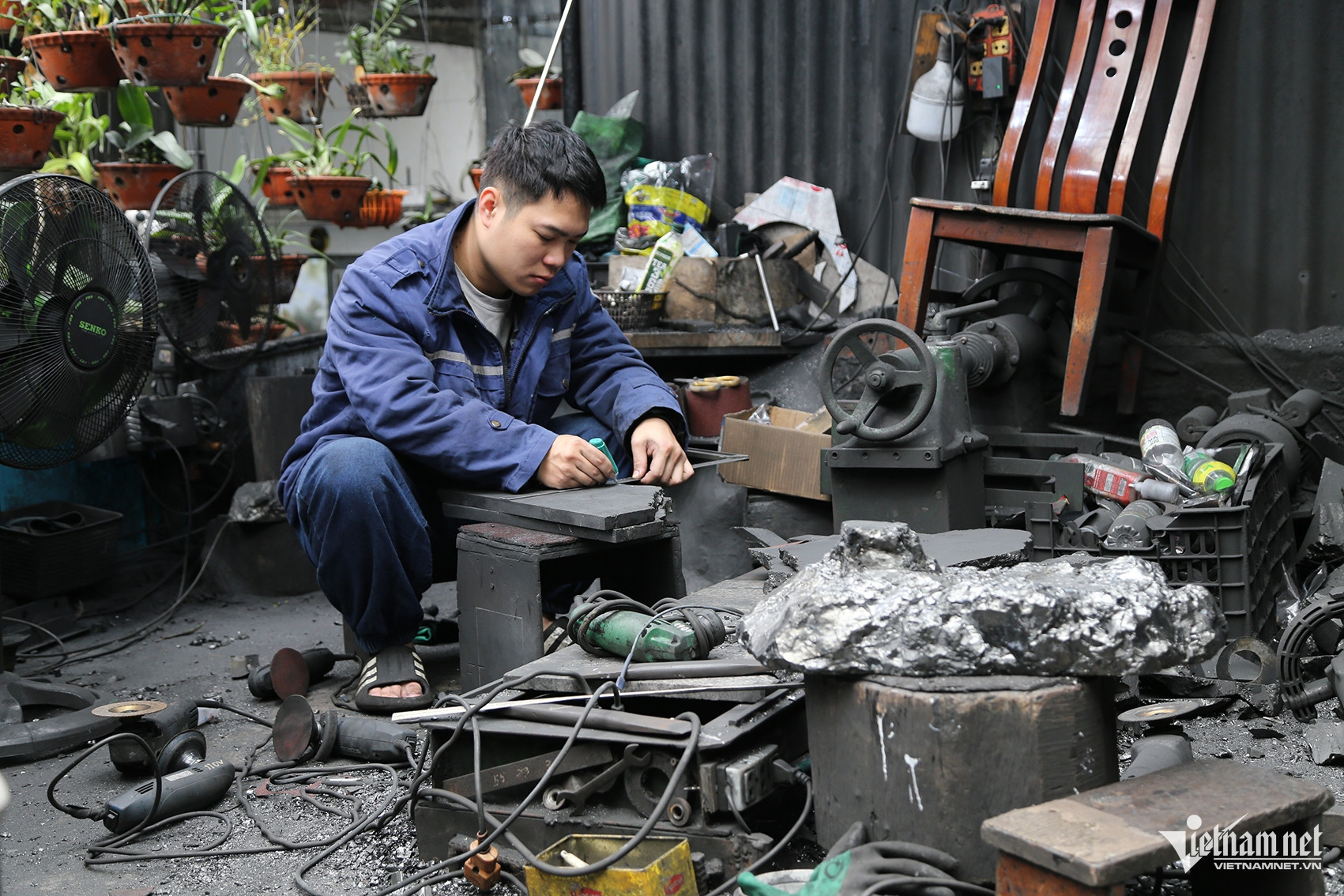
He explained that coal carving demands absolute patience. Though hard, coal is also brittle. A single slip can ruin the entire work.
Quyet has dedicated decades to refining this high-risk, high-skill craft - breathing cultural meaning and artistic depth into each figure. Under his hands, coarse coal becomes a canvas for spirit and story.
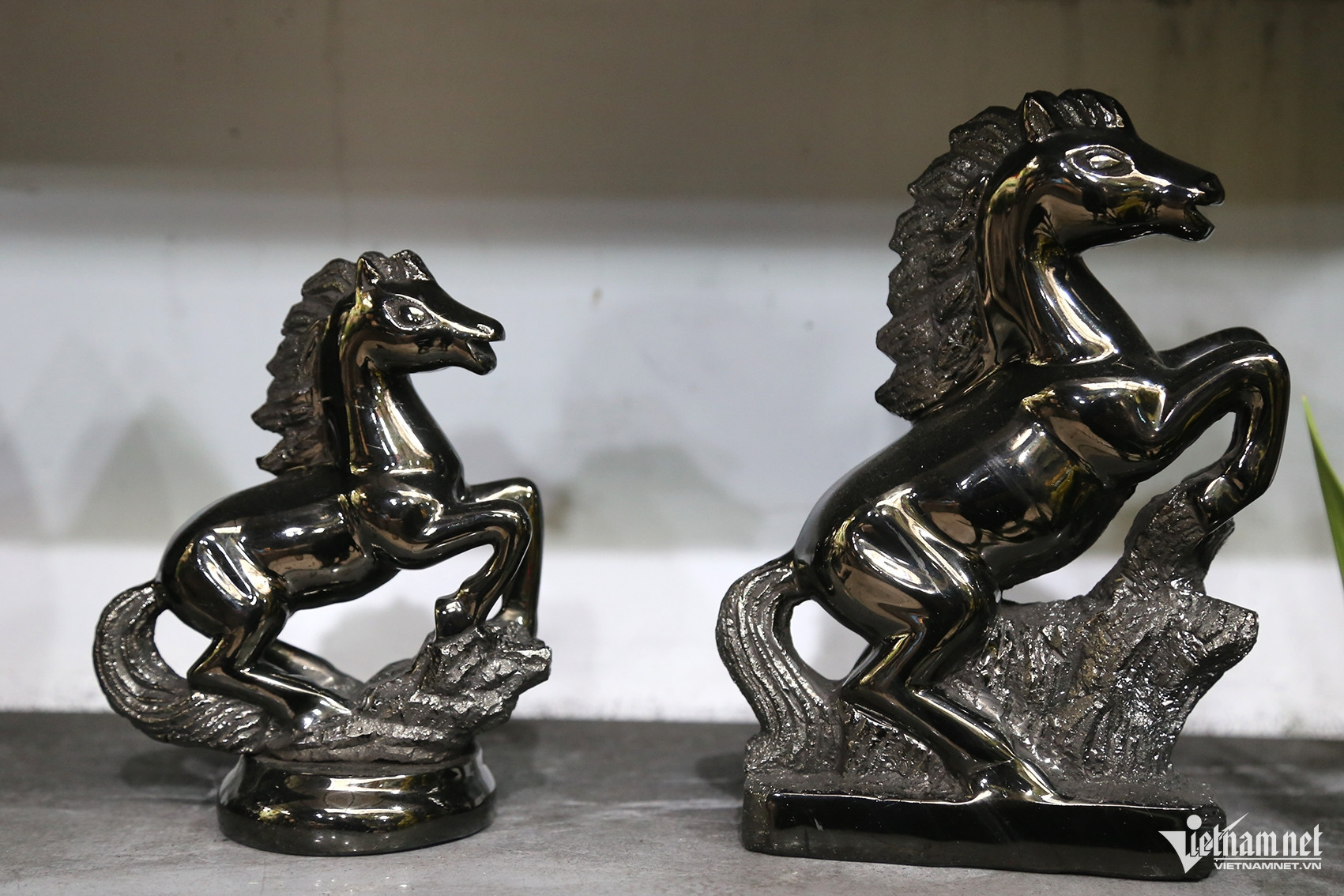
Beyond large-scale sculptures, Quyet’s family workshop also produces mini horse statues as Tet souvenirs. These compact pieces come in various stances - standing tall, in mid-gallop - and are prized for their feng shui symbolism and cultural value.
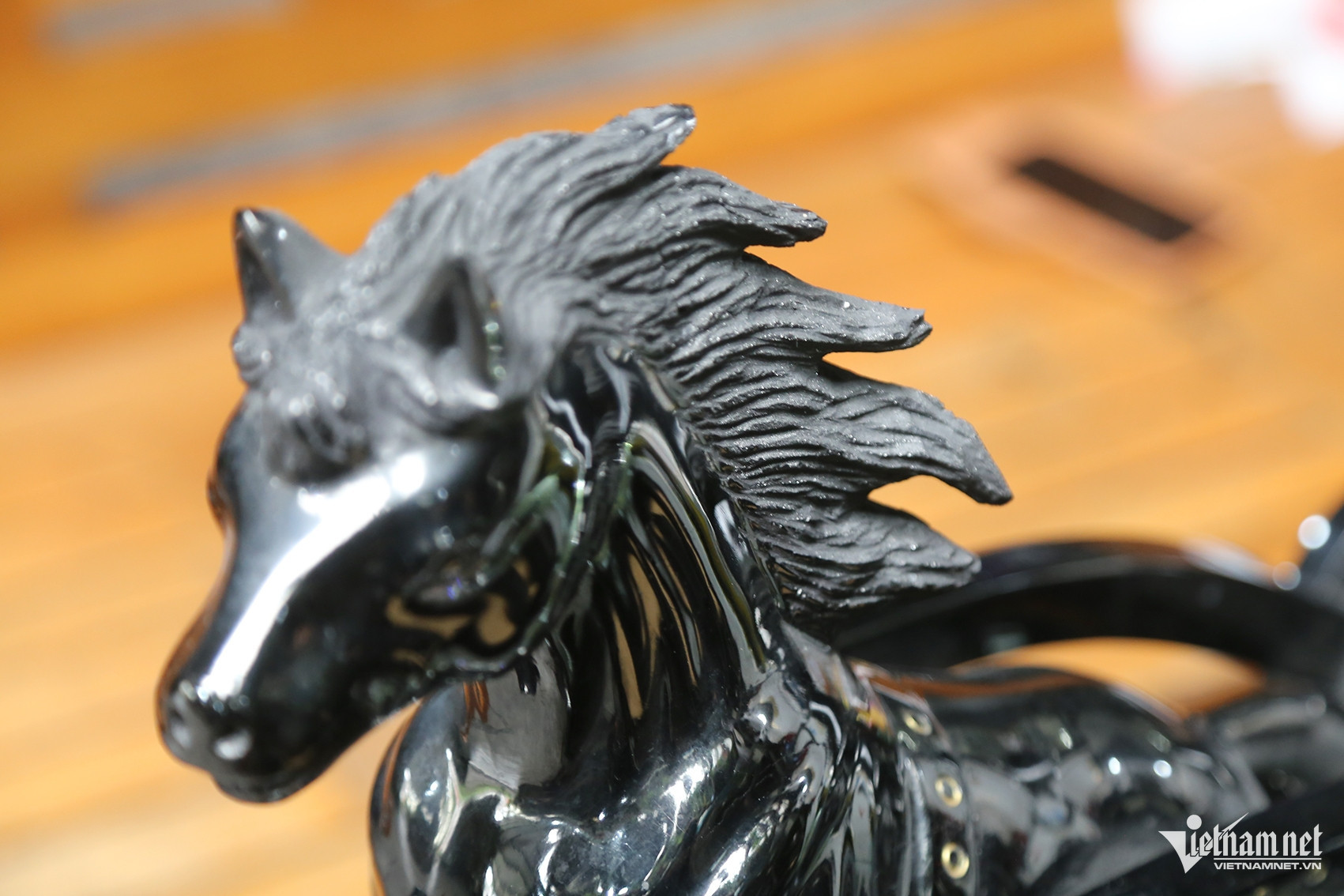
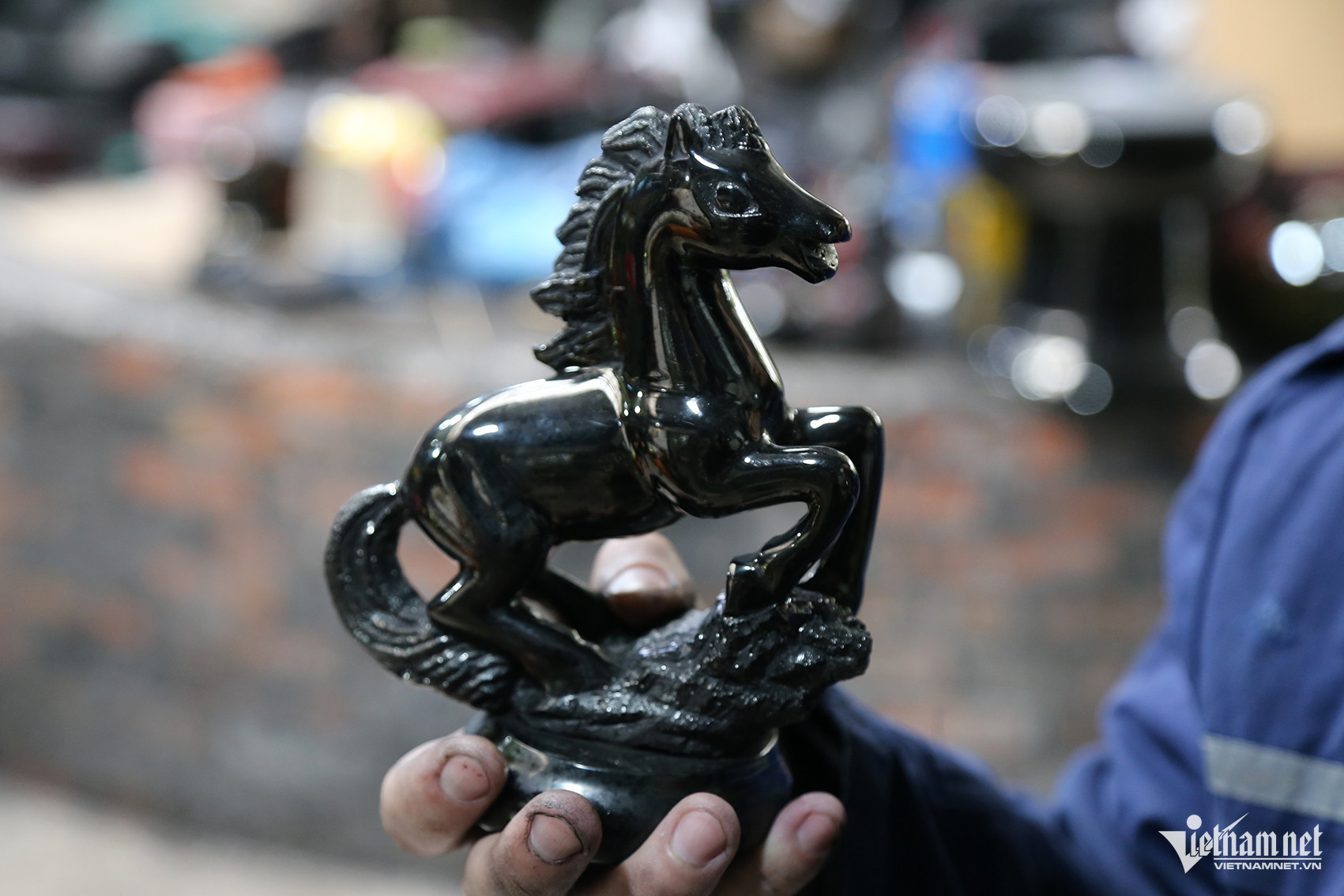
“We polish the body but leave the mane and tail rough for texture and contrast,” Quyet noted.
The demand for these miniatures rises as Tet nears. Finished products are carefully packaged, ready for delivery to customers across the country.
The family tradition is being carried forward by Quyet’s son-in-law, Nguyen Pham Trung Thanh (age 27). After five years in the workshop, Thanh has mastered key techniques - from selecting coal to shaping and finishing detailed features.
“At first, I found the work extremely difficult because coal behaves so differently from other materials,” Thanh said. “But thanks to my father-in-law’s guidance, I’ve grown to love and want to dedicate myself to this craft.”
In a time when many traditional professions are fading, the enduring work of Quyet’s family stands as a quiet but powerful testament to cultural pride, artistic resilience, and generational continuity.
Their horse statues - both large and small - are more than Tet decorations. They embody the spirit of Vietnam’s mining heritage and a belief in the strength of tradition heading into a new year.
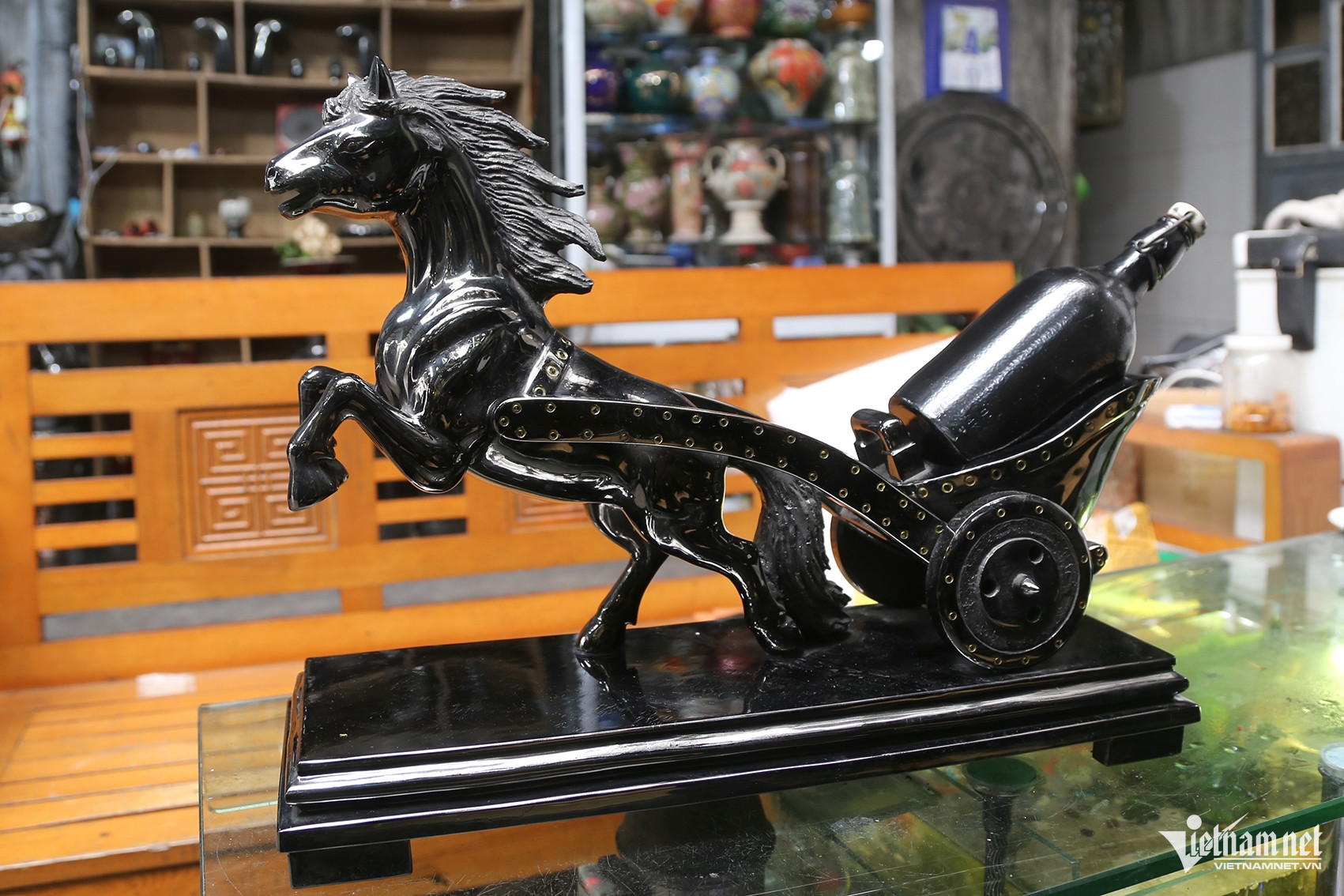
Nguyen Tuan Quyet’s War Horse statue, made from coal over three months. (Photo: Pham Cong)
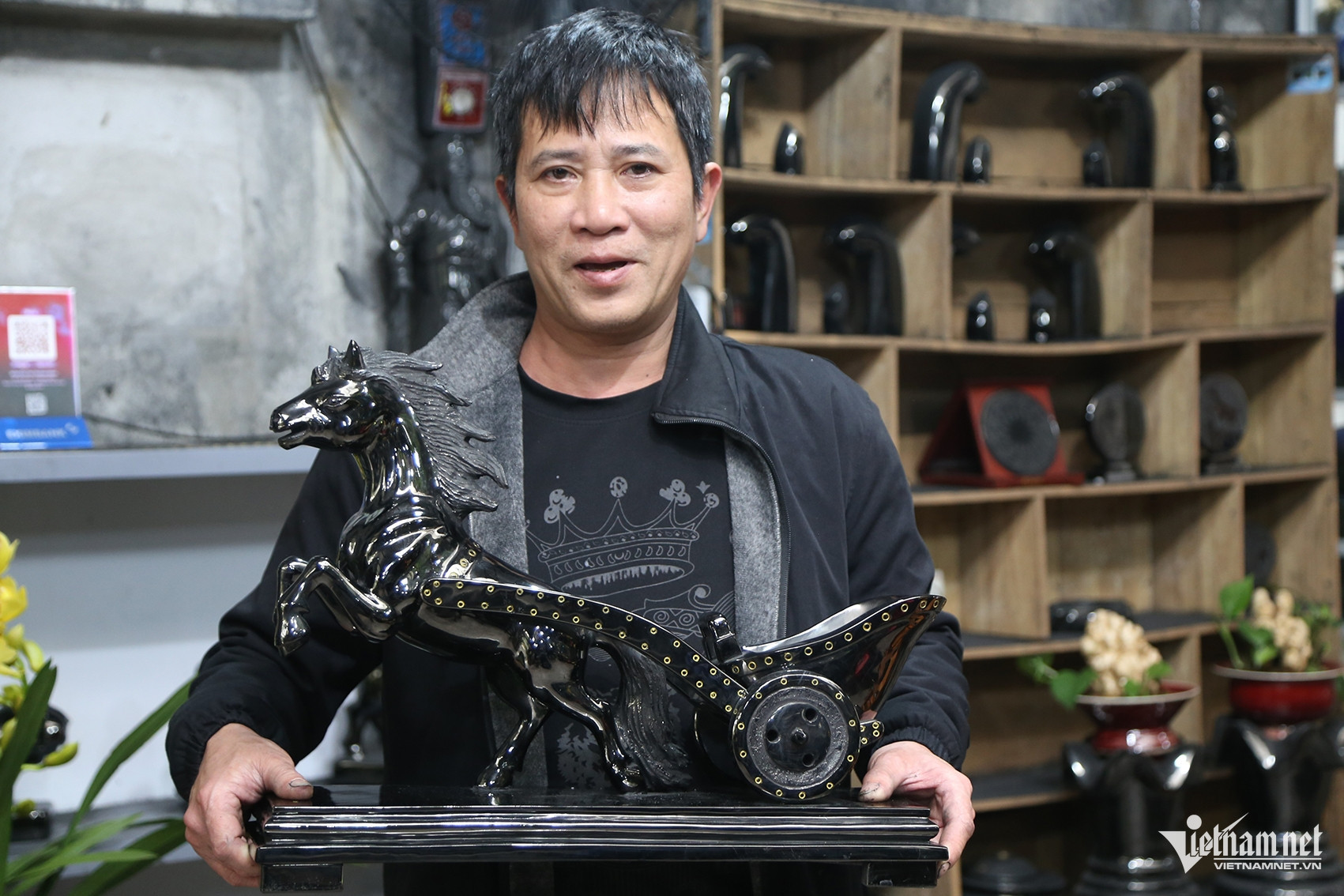
Quyet with his sculpture - many have asked to buy, but he has not sold it. (Photo: Pham Cong)
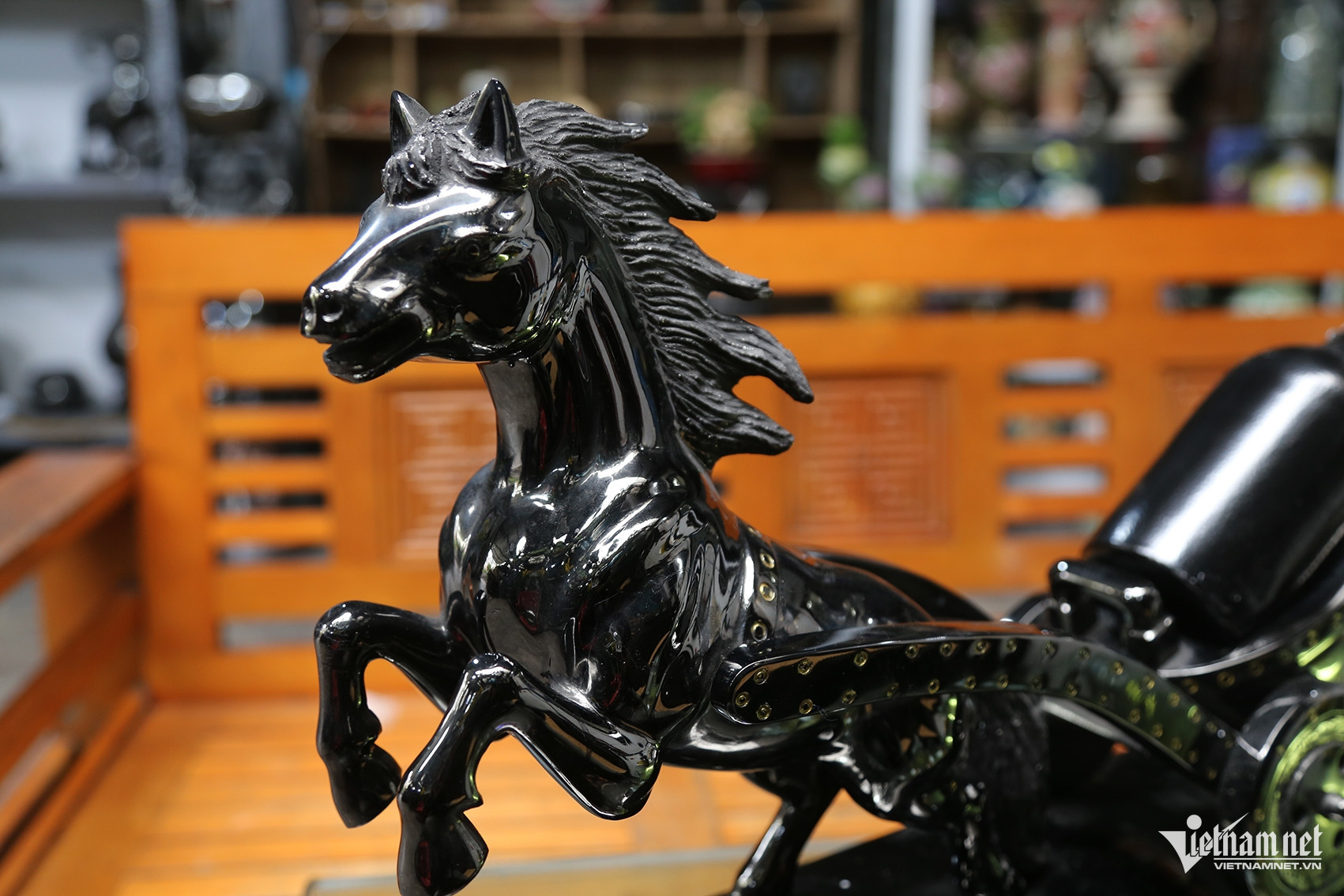
The sculpture’s body is polished while the mane and tail are left raw for contrast. (Photo: Pham Cong)
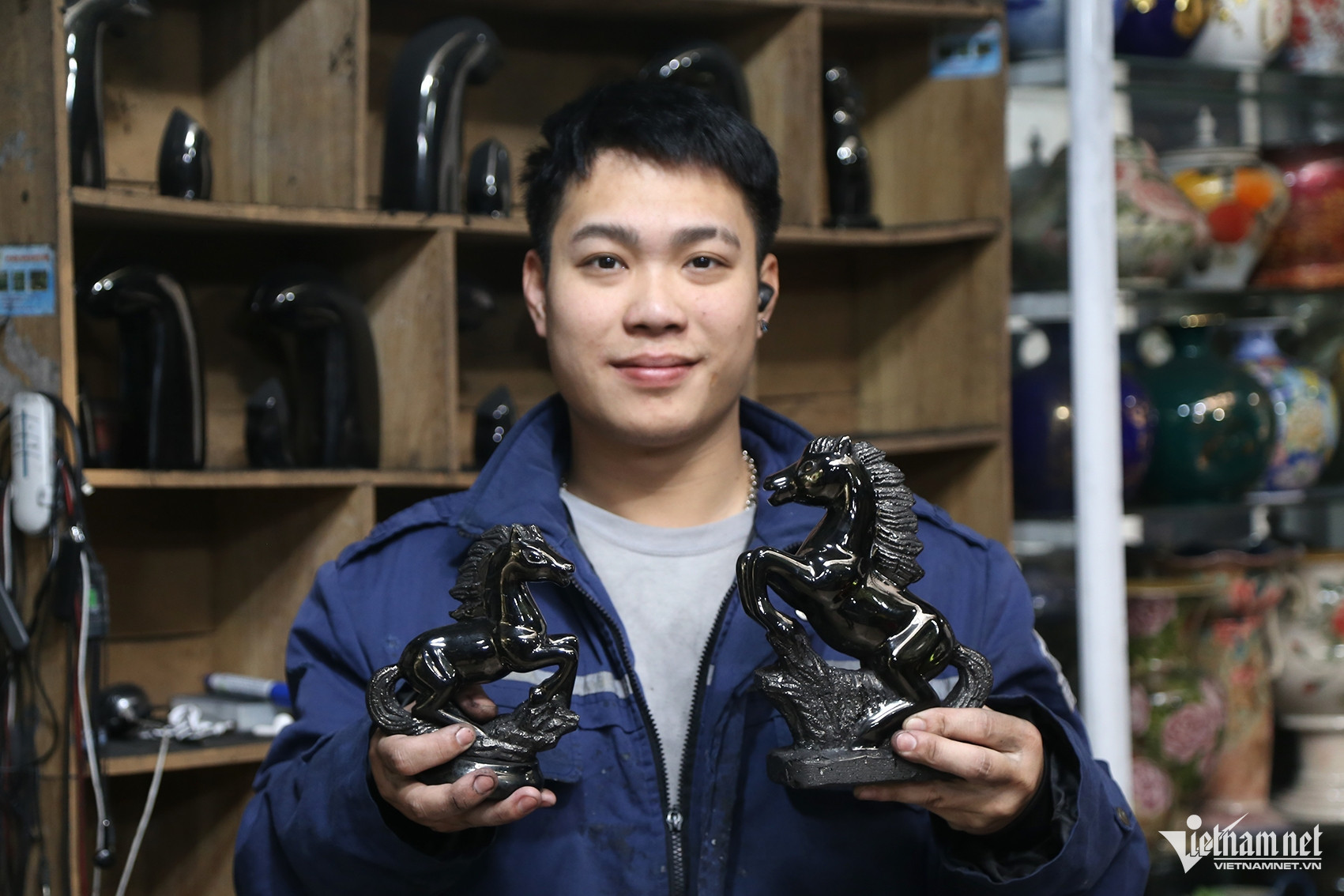
Miniature coal horses await delivery as Tet souvenirs. (Photo: Pham Cong)
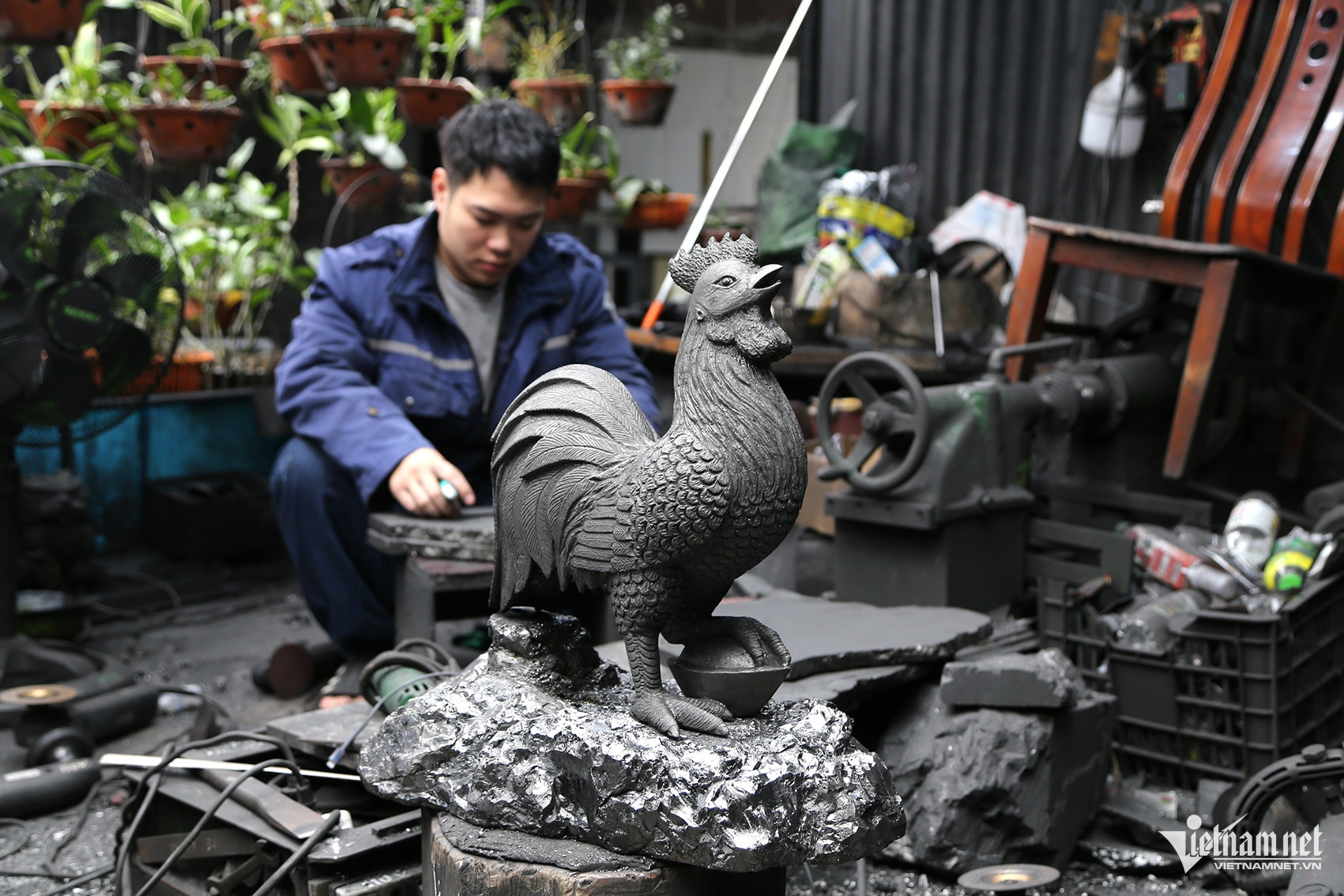
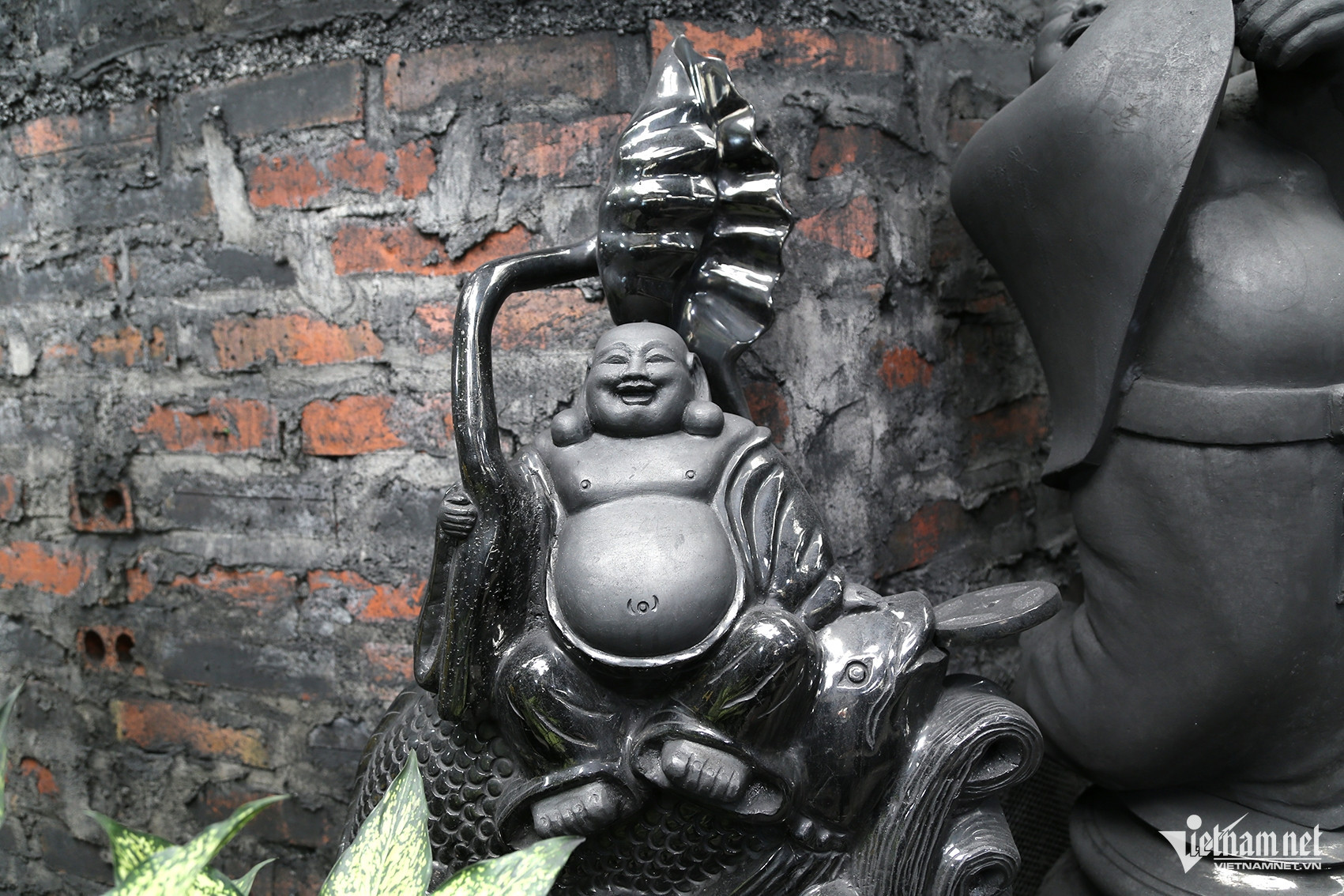
Coal blocks are carved into commissioned animal figures. (Photo: Pham Cong)
Coal blocks are carved into commissioned animal figures. (Photo: Pham Cong)
Pham Cong
.svg)
