 Vietnamnet.vn

 Podcast



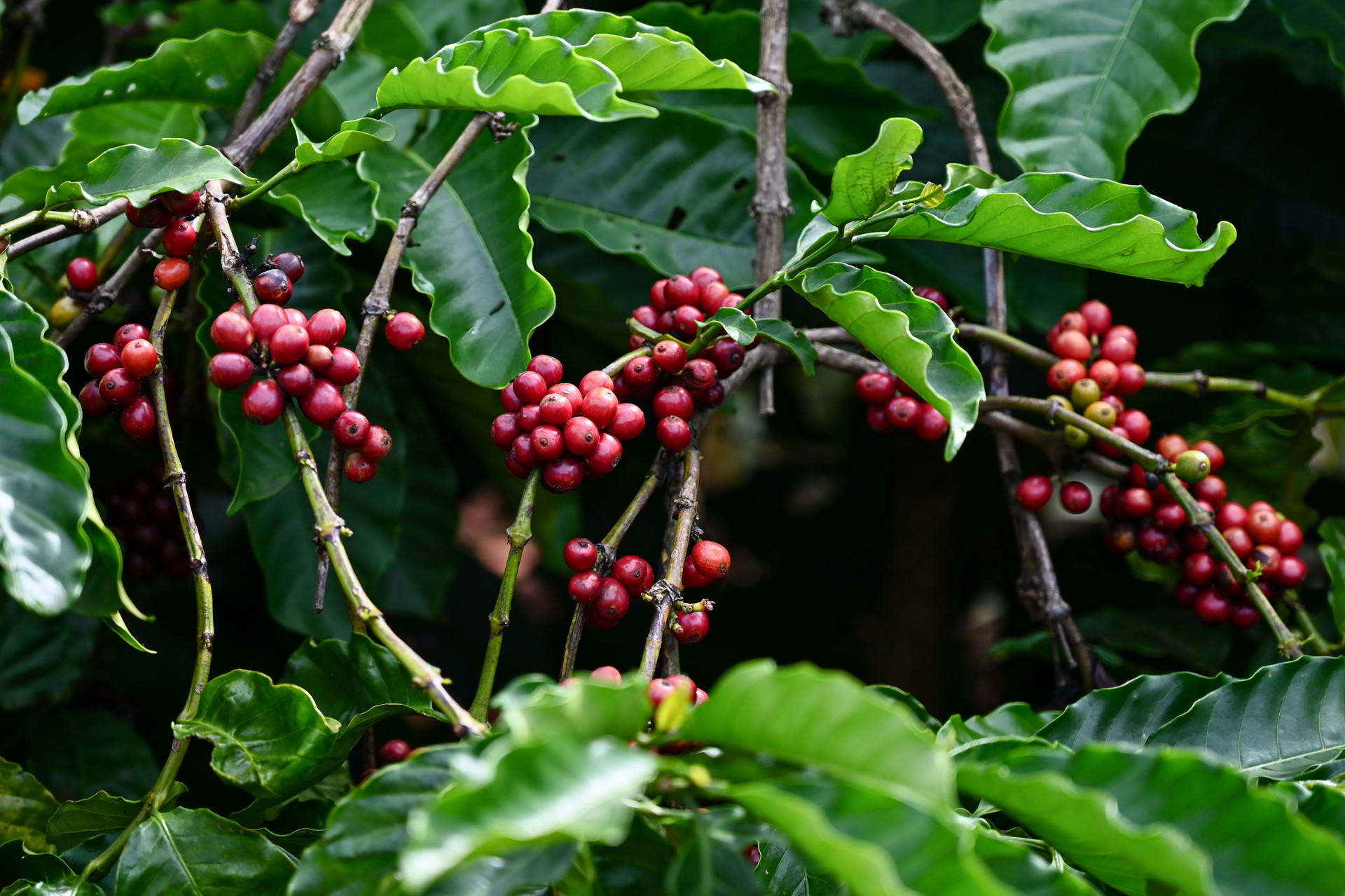
According to the latest data from the Ministry of Agriculture and Environment, Vietnamese enterprises exported 180,000 tonnes of coffee in January 2026, earning $981 million.
Compared with the same month last year, coffee exports rose by 25.5% in volume and 26.6% in value.
The average export price of coffee in January 2026 continued to edge up by 0.9%, reaching an estimated $5,450 per tonne.
Meanwhile, in the domestic market, raw coffee beans were being purchased at prices ranging from approximately $3.85 to $3.89 per kilogram.
By the end of January, coffee ranked second among agricultural products with the highest export value, trailing only wood and wood products.
In 2025, Vietnam’s total coffee export volume reached nearly 1.6 million tonnes, with export turnover hitting $8.92 billion, the highest level on record.
Accordingly, export volume increased by 18.3%, while export value surged by 58.8% compared with 2024.
Germany, Italy, and Spain remained Vietnam’s three largest coffee markets, accounting for market shares of 13.7%, 7.8%, and 7.1%, respectively.
Compared with 2024, the value of coffee exports to Germany doubled in 2025, while shipments to Italy rose by 52.3% and to Spain by 41.5%.
Among Vietnam’s 15 key markets, coffee export value grew most sharply in Mexico, posting a 13.1-fold increase.
Notably, beyond growth in volume and value, Vietnam’s coffee industry has also made progress in restructuring its product mix, moving toward greater diversity and reducing reliance on raw exports.
Robusta coffee continued to play the dominant role in 2025, with export revenue reaching $6.59 billion, up 57.4% year on year and accounting for 73.8% of total coffee export turnover.
Arabica coffee exports also performed strongly, generating nearly $550 million, a surge of 129.1%.
Meanwhile, exports of processed coffee reached $1.78 billion, up 50.4% compared with 2024, driven by stronger investment in deep-processing technologies and expanded production of instant coffee, roasted and ground coffee, and other value-added products.
At the same time, effective use of free trade agreements has allowed Vietnam’s processed coffee products to enjoy tariff preferences, expand market access, and enhance competitiveness in international markets.
Tam An
.svg)
