 Vietnamnet.vn

 Podcast


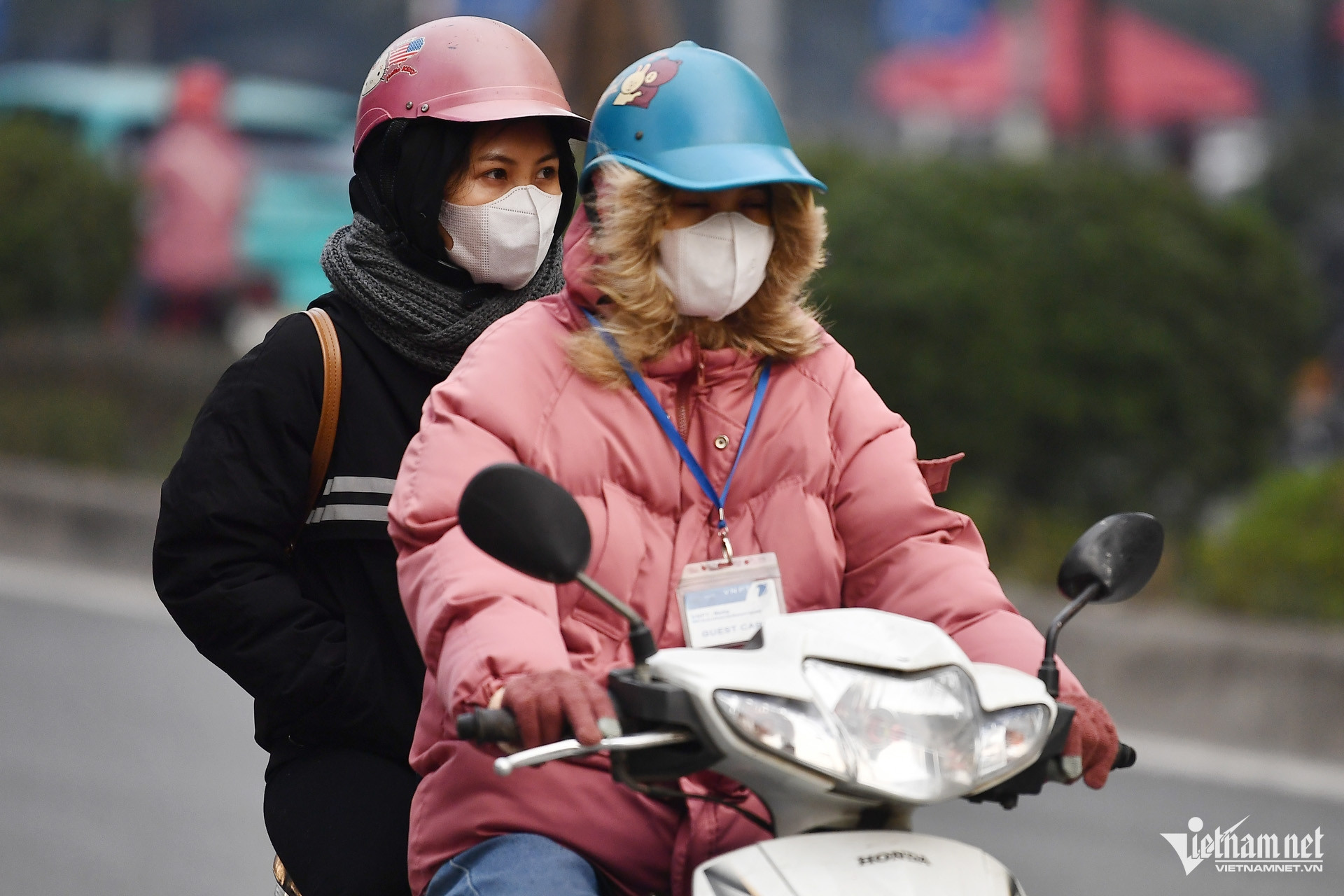
A strong cold air mass is expected to affect northern and central Vietnam in the coming days, bringing falling temperatures, heavy rain, thunderstorms and strong winds at sea, according to the National Center for Hydro-Meteorological Forecasting.
From the night of November 18, northern Vietnam is forecast to turn cold, with some mountainous areas experiencing particularly low temperatures.
Cold conditions are expected to spread to the north-central region from November 19, while temperatures in areas from Quang Tri to Hue will also decline.
During the cold spell, minimum temperatures in northern mountainous and midland areas are expected to range from 12°C to 15°C, with some high-altitude locations dropping below 10°C.
Temperatures across the northern plains and north-central Vietnam are forecast to range between 15°C and 18°C.
Between November 18 and 19, northern Vietnam, Thanh Hoa and Nghe An are expected to experience showers and scattered thunderstorms, with locally heavy rainfall.
From the night of November 19 through November 21, rain, moderate showers and thunderstorms are forecast for areas from Ha Tinh to Da Nang and the eastern parts of provinces stretching from Quang Ngai to Dak Lak.
Some locations could experience heavy to very heavy rainfall.
Strong winds are also expected over several maritime areas.
From midday and the afternoon of November 18, winds in the Gulf of Tonkin and the northern East Sea, including the Hoang Sa (Paracel) archipelago, are forecast to strengthen to force 6–7 on the Beaufort scale, with gusts reaching force 8–9.
From the afternoon and night of November 19, winds in the northern waters of the central East Sea and coastal areas from southern Quang Tri to Quang Ngai are expected to reach force 6, with gusts of force 7–8.
Authorities urged to prepare for multiple natural hazards
The National Civil Defense Steering Committee has called on 26 provinces and cities, stretching from Tuyen Quang to Lam Dong, to take proactive measures against potentially dangerous weather conditions in the coming days.
For coastal localities from Quang Ninh to Lam Dong, authorities have been instructed to closely monitor forecasts and warnings of strong winds at sea.
Local agencies must promptly inform vessel owners, captains and fishing crews of changing weather conditions, enabling them to adjust their operations and take appropriate precautions.
They have also been asked to maintain regular communications with vessels to ensure timely responses to emergencies and protect lives and property.
In central Vietnam, where heavy rainfall, whirlwinds, lightning, flooding, flash floods and landslides are possible, provincial and municipal People's Committees have been urged to closely follow weather forecasts and hazard warnings.
Authorities must promptly communicate relevant information to local administrations and residents so they can take appropriate preventive measures.
They have also been instructed to review areas at high risk of deep flooding, flash floods and landslides and arrange evacuations to safer locations when necessary.
In addition, local governments must proactively regulate hydropower and irrigation reservoirs to ensure the safety of infrastructure and downstream communities.
Reservoir operations must comply with existing regulations and the Prime Minister's Directive No. 39/CT-TTg, issued on October 30, 2026.
Particular attention should be given to small hydropower reservoirs, small irrigation reservoirs and facilities considered vulnerable to extreme weather.
Local emergency response forces must remain prepared to assist residents and address any damage caused by natural disasters.
Northern provinces warned of cold-weather risks
For northern Vietnam, the National Civil Defense Steering Committee has urged provincial and municipal authorities to review and implement response plans for cold weather, thunderstorms, lightning, whirlwinds and hail.
Protecting public health is a key priority, particularly preventing carbon monoxide poisoning and other dangers associated with using charcoal stoves for heating in enclosed rooms.
Local authorities must also introduce appropriate measures to protect livestock and agricultural production from falling temperatures and adverse weather.
The committee has further requested stronger public communication efforts, particularly through grassroots information networks.
Residents should receive regular updates and practical guidance on responding to cold weather, heavy rain, thunderstorms, lightning, hail, floods, flash floods, landslides and strong winds at sea.
The measures are intended to help communities prepare for the approaching cold front, reduce disaster risks and minimise potential losses to people and property.
Kieu Oanh

