 Vietnamnet.vn

 Podcast



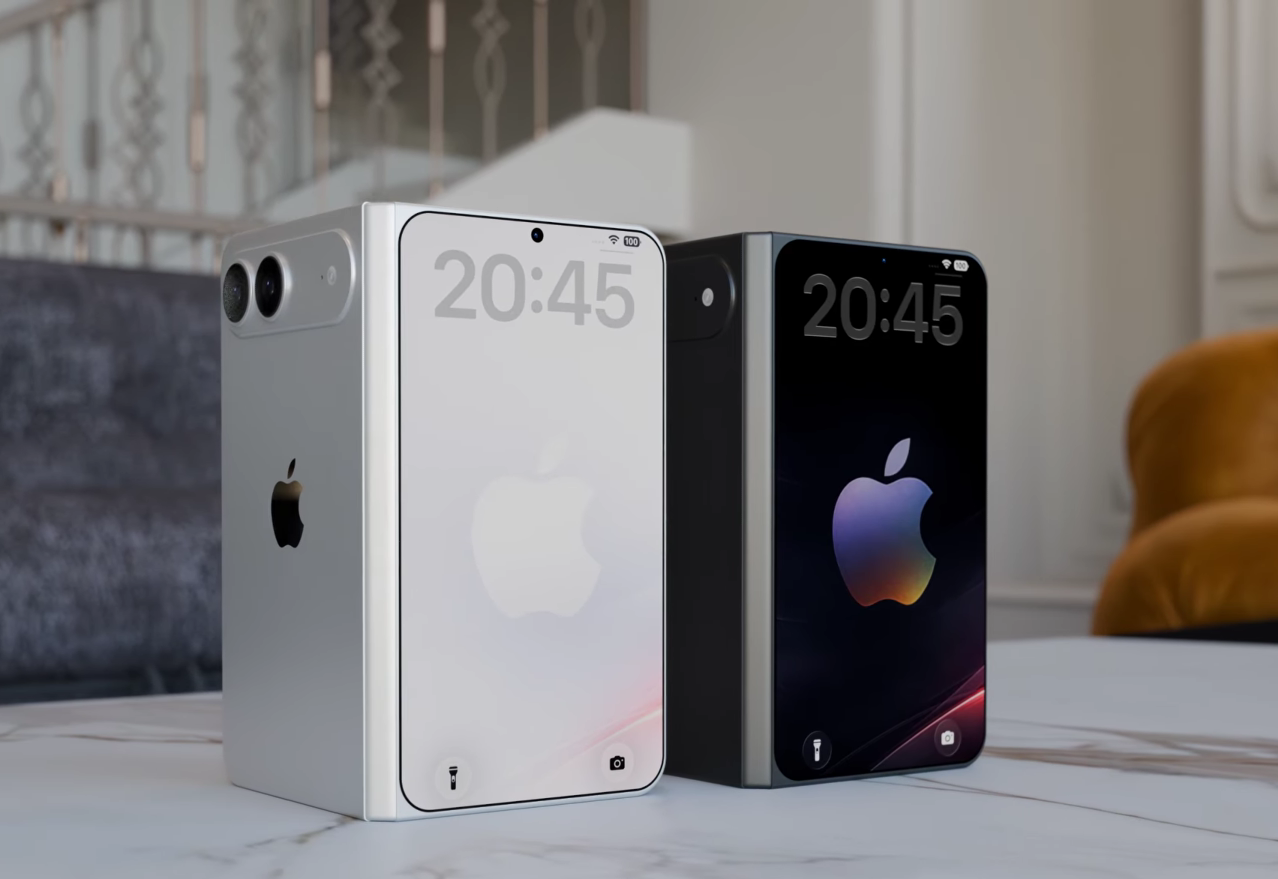
Several well-known technology leakers are offering sharply different predictions about when Apple's first foldable iPhone will arrive, making it difficult for industry observers to determine which scenario is most likely.
Launch delay rumors face pushback
Most reports currently agree that Apple will unveil the iPhone 18 Pro and iPhone 18 Pro Max in September 2026. The standard iPhone 18, meanwhile, is widely expected to move to a new release schedule and launch in spring 2027.
The fate of the foldable iPhone Ultra, however, remains far less certain.
Recent reports have suggested that Apple is facing significant technical challenges that could force the company to postpone the device until 2027.
Chinese leaker Fixed Focus Digital has publicly rejected those claims, arguing that reports of major delays are inaccurate.
According to the source, Apple is still targeting a September unveiling for the foldable device. Even if minor setbacks occur, any adjustment would likely be measured in weeks rather than a delay extending into the following year.
That assessment aligns with previous comments from prominent technology journalist Mark Gurman, who reported that Apple plans to introduce the foldable iPhone alongside the iPhone 18 Pro lineup this autumn, although retail availability could come later than usual.
Under that scenario, Apple could unveil the product in September to generate publicity while delaying shipments by several weeks or months.
Manufacturing challenges remain
Despite disagreement over launch timing, most sources agree that Apple continues to face significant development challenges.
One of the most frequently cited concerns involves hinge durability, a problem that has affected nearly every foldable smartphone manufacturer over the past several years.
Apple is reportedly pursuing stricter standards for mechanical durability, overall thinness and the visibility of the display crease.
The company is also believed to be working through manufacturing and production-scale challenges that have not yet been fully resolved.
However, these obstacles may not be severe enough to derail the project entirely.
Instead, the primary impact could be limited production capacity during the initial launch phase. If Apple is unable to expand manufacturing as planned, supplies of the foldable iPhone may remain constrained during the first months of availability.
With a reported price tag of around USD2,000, some analysts question whether limited supply would represent a major issue. The target audience for a premium foldable iPhone is relatively small compared with mainstream smartphone buyers, potentially allowing Apple to manage demand through a gradual rollout.
Supply chain signals add to the confusion
The uncertainty has been amplified by mixed signals emerging from Apple's supply chain.
Lin En-ping, chairman and chief executive officer of camera lens supplier Largan Precision, recently revealed that a major US customer had postponed the launch of a new product.
According to Lin, the fourth quarter of this year will be busier than usual because of changes to the customer's release schedule. Some products will launch during the third quarter, while others have been pushed into the early months of the following year.
The comments immediately sparked speculation across the technology industry.
Some analysts interpreted the remarks as evidence that the foldable iPhone is experiencing delays. Others argued that the statement likely refers to the standard iPhone 18, which has long been rumored to be moving to a spring release window.
For months, industry observers have discussed the possibility that Apple will split its iPhone launch calendar. Under that strategy, the iPhone 18 Pro models and the foldable iPhone Ultra would debut in autumn, while the standard iPhone 18, iPhone Air 2 and iPhone 18e would launch the following spring.
Even if the foldable iPhone reaches consumers later than the iPhone 18 Pro lineup, such an approach would not be unprecedented for Apple.
In 2017, Apple introduced the iPhone 8 on schedule in September, while the anniversary-edition iPhone X did not reach store shelves until November.
That strategy allowed Apple to maintain market attention for a longer period while reinforcing the exclusivity of its most advanced device.
Apple is also familiar with supply shortages affecting premium models. Even weeks after launch, some high-end iPhone variants have historically experienced lengthy delivery times and constrained inventory.
Based on current information, the most plausible scenario appears to be that Apple will unveil the foldable iPhone Ultra alongside the iPhone 18 Pro family during its September event, while commercial availability could follow several weeks or even months later.
Hai Phong
.svg)
