 Vietnamnet.vn

 Podcast



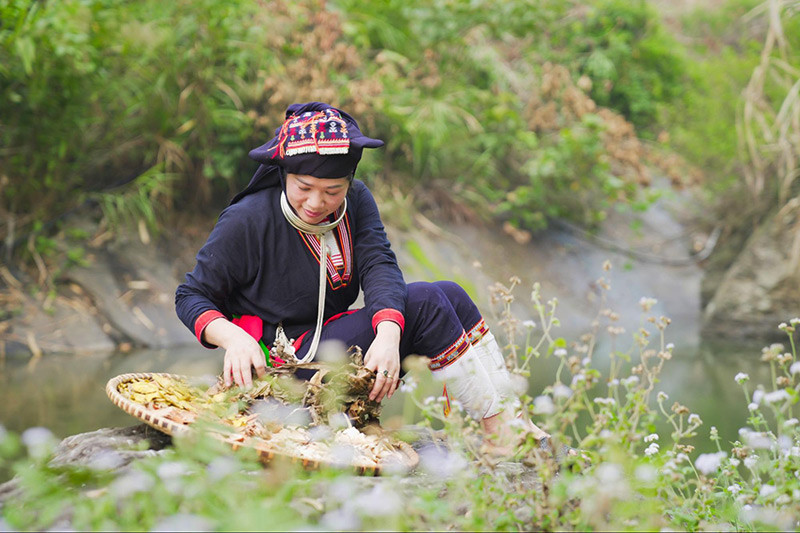
In the digital age, one of the greatest concerns for those preserving this craft is the risk of being impersonated online.
At the foot of the Ba Vi mountain range, where ancient knowledge of the Dao people continues to be passed down through generations, traditional herbal medicine stands as a living testament to the harmony between humans and nature.
Trieu Thi Thoa, a traditional medicine practitioner from Yen Son village, Ba Vi commune, shared that she began learning about herbal medicine from her mother when she was still in secondary school.
By accompanying her mother into the forest to collect medicinal plants, she learned to identify hundreds of species, understand their properties, uses, and how to prepare them. After getting married, she continued learning from her husband's family, who also practiced traditional Dao medicine, and further improved many remedies.
According to Thoa, mastering Dao traditional medicine is no easy task. It requires passion and dedication. Each prescription is the result of a meticulous process, from correctly identifying the plants, thoroughly cleaning them, to precisely measuring dosages for each patient.
After collection, the herbs must be washed and dried, and if it rains, they must be processed in a rotating drum (similar to tea processing machines) before being packed. If any step is done carelessly, the entire batch could be ruined.
In Thoa’s village, dozens of Dao households still maintain the traditional medicine trade. Each family has its own secret remedies, with carefully calculated dosages and combinations of medicinal ingredients.
“We typically use around 120 types of herbs. On average, each remedy contains between 10 and 30 ingredients, but for joint-related treatments, it can go up to 60,” she said.
Like many Dao households in Yen Son village, herbal medicine is the main source of income for Thoa's family.
Not only does she treat illnesses, but Thoa also creates jobs for locals in the commune. When preparing medicinal ointments, packaging, or handling large orders, she hires villagers, paying them VND200,000 per day. This provides additional livelihoods while preserving the traditional craft.
Her family has also established a small cooperative, consisting of siblings and younger relatives. From planting herbs to processing and preparing remedies, they strictly avoid using chemicals or preservatives.
"My place is near the foot of the mountain, free from pollution and industrialization, so our herb garden is very clean," she said.
Many people are returning to herbal medicine as a gentler option, especially for its sustainable effectiveness in treating chronic conditions."Herbal medicine is entirely natural, very good for health. One of my greatest prides is helping many people recover from sinusitis with our traditional remedy," Thoa said.
No online sales
Thoa said that she doesn’t sell products online, promote on social media, livestream, or run online ads. When asked why, she gently confided, "There’s so much fake and misleading information now. I’m afraid people might use images of our Dao ethnic remedies to sell substandard products, and I wouldn’t be able to control that. If customers buy the wrong product and it’s ineffective, they might think our herbal medicine is poor, damaging the reputation of our traditional craft."
Thoa hopes for policies to prevent and strictly address online misrepresentation to ensure the sustainable development of the Dao’s traditional herbal medicine, contributing to community health protection.
The traditional herbal medicine craft of the Dao in Yen Son is a means of livelihood but also a treasure trove of valuable indigenous knowledge. Preserving this craft is not just about maintaining a tradition but also about safeguarding the Dao ethnic identity in modern life.
Many Dao ethnic minority households in LaoCai, especially in Sa Pa and Ta Phin, are thriving by growing ‘tia to do’, or purple Perilla (Perilla frutescens).
The work of growing, harvesting and drying perilla is a good fit for Dao people, as they have extensive experience in traditional medicine and are well known for their herbal bath remedies.
In Ta Phin commune, many women have found employment through perilla farming. Some, who previously made a living by street vending or working as hired laborers, have now returned to their hometowns to grow medicinal plants and develop their family economy.
After being harvested, perilla leaves are processed into powder or essential oil and sold to pharmaceutical and cosmetic companies for use in tea, functional foods, and beauty products.
Red perilla grown at altitudes above 1,000 meters above sea level yields essential oil content three to four times higher than that of plants grown in lowland areas.
Binh Minh
.svg)
