 Vietnamnet.vn

 Podcast



Attending the meeting were Minister of Ethnic and Religious Affairs Nguyen Dinh Khang; Deputy Ministers Y Vinh Tor, Nong Thi Ha, and Nguyen Hai Trung; Deputy Minister-Chairman of the Government Office Don Tuan Phong; Deputy Minister of Home Affairs Vu Chien Thang; and representatives from central ministries and agencies including the Ministry of Finance, Ministry of Public Security, Ministry of Justice, and Ministry of Agriculture and Environment.
Determined to cut administrative procedures
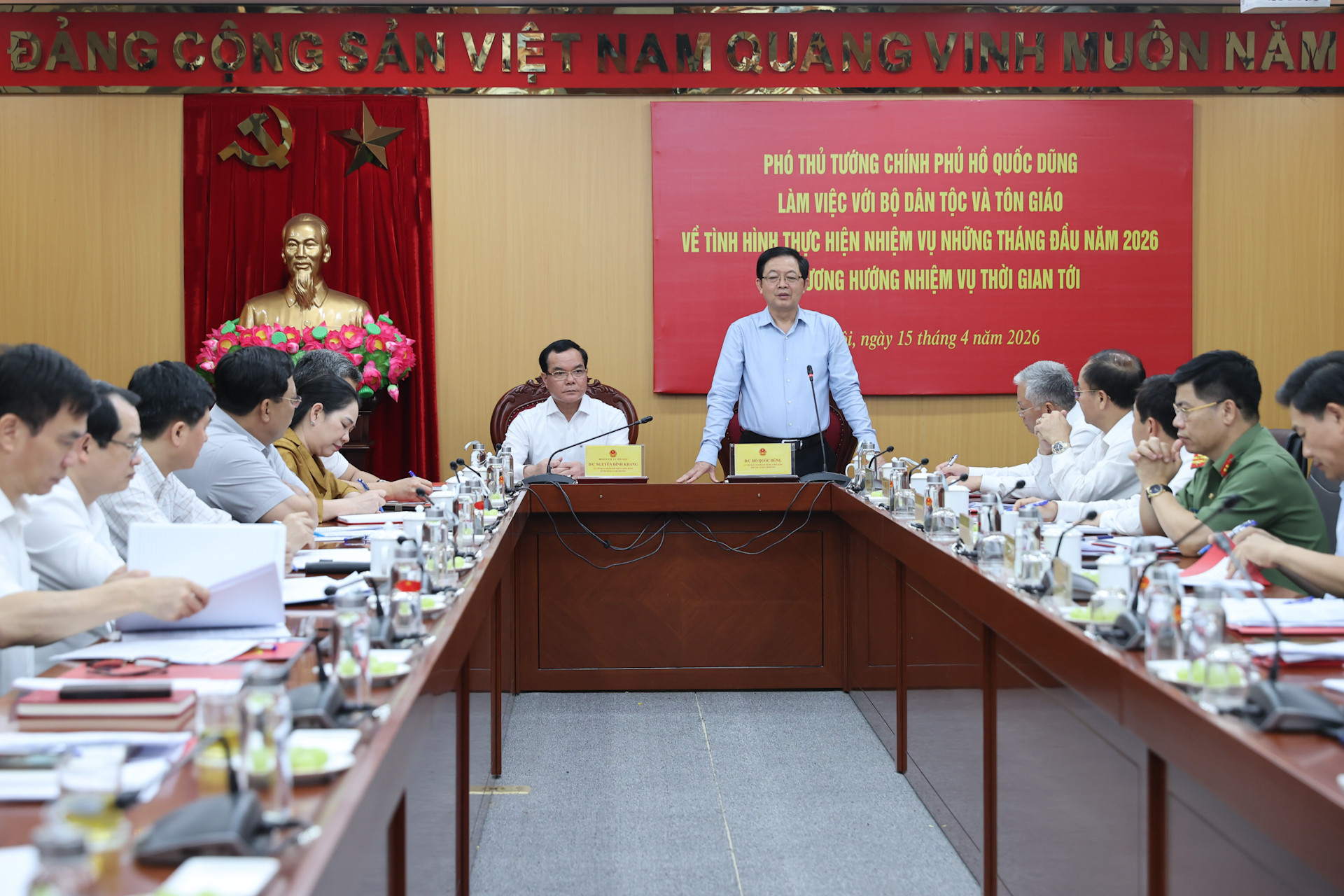
Reporting to the Deputy Prime Minister, Deputy Minister Y Vinh Tor said that in implementing decentralization in administrative procedures, the ministry had simplified 2 out of 2 procedures in the field of ethnic affairs, achieving 100 percent of the decentralization plan. It also delegated three authorities to provincial-level People’s Committees in the field of belief and religion.
Regarding simplification under the two-tier local government model, 78 out of 108 administrative procedures in ethnic, belief and religious affairs have been reduced or simplified, reaching 72.2 percent. At the same time, 118 internal procedures have been made public and uploaded to the national database.
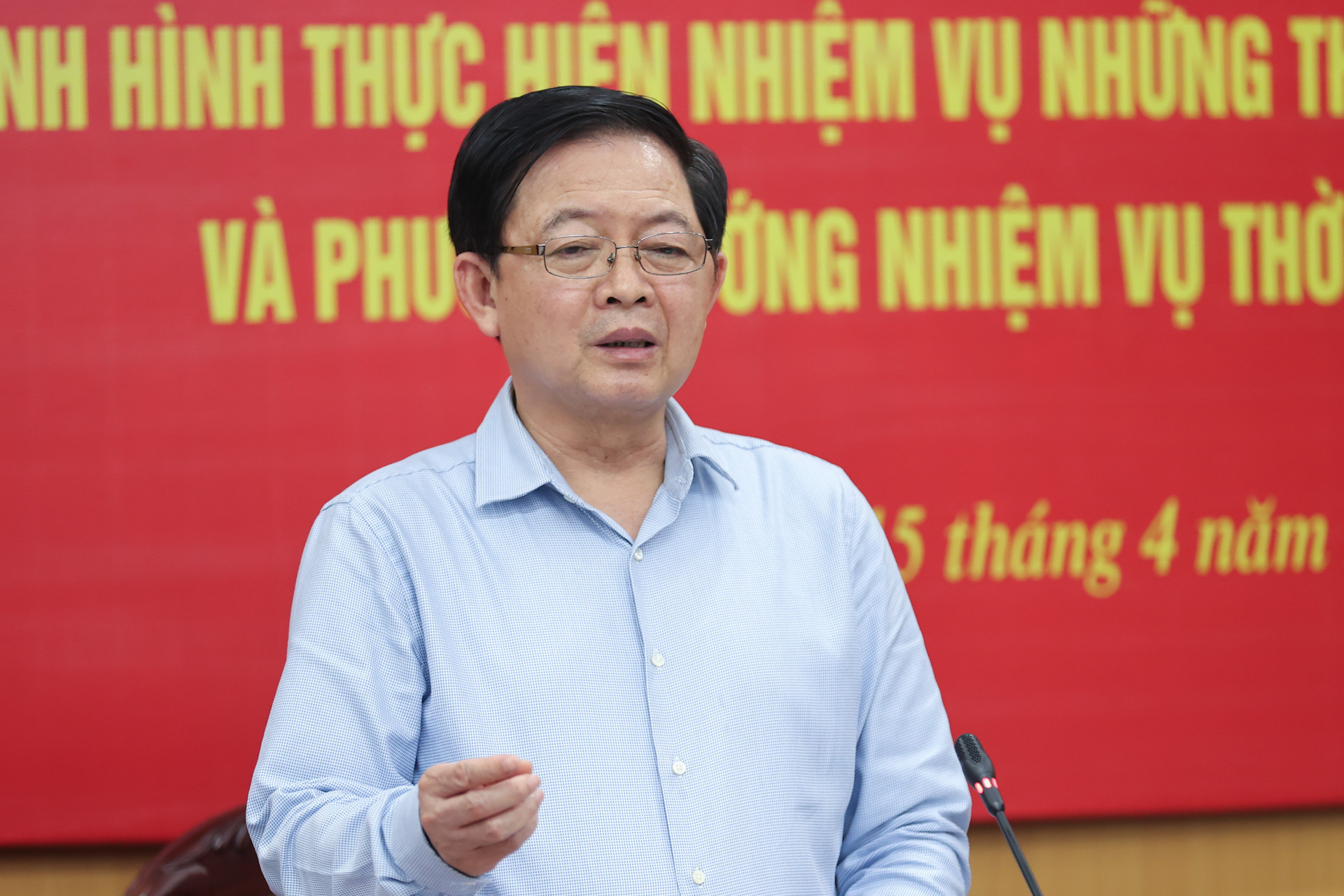
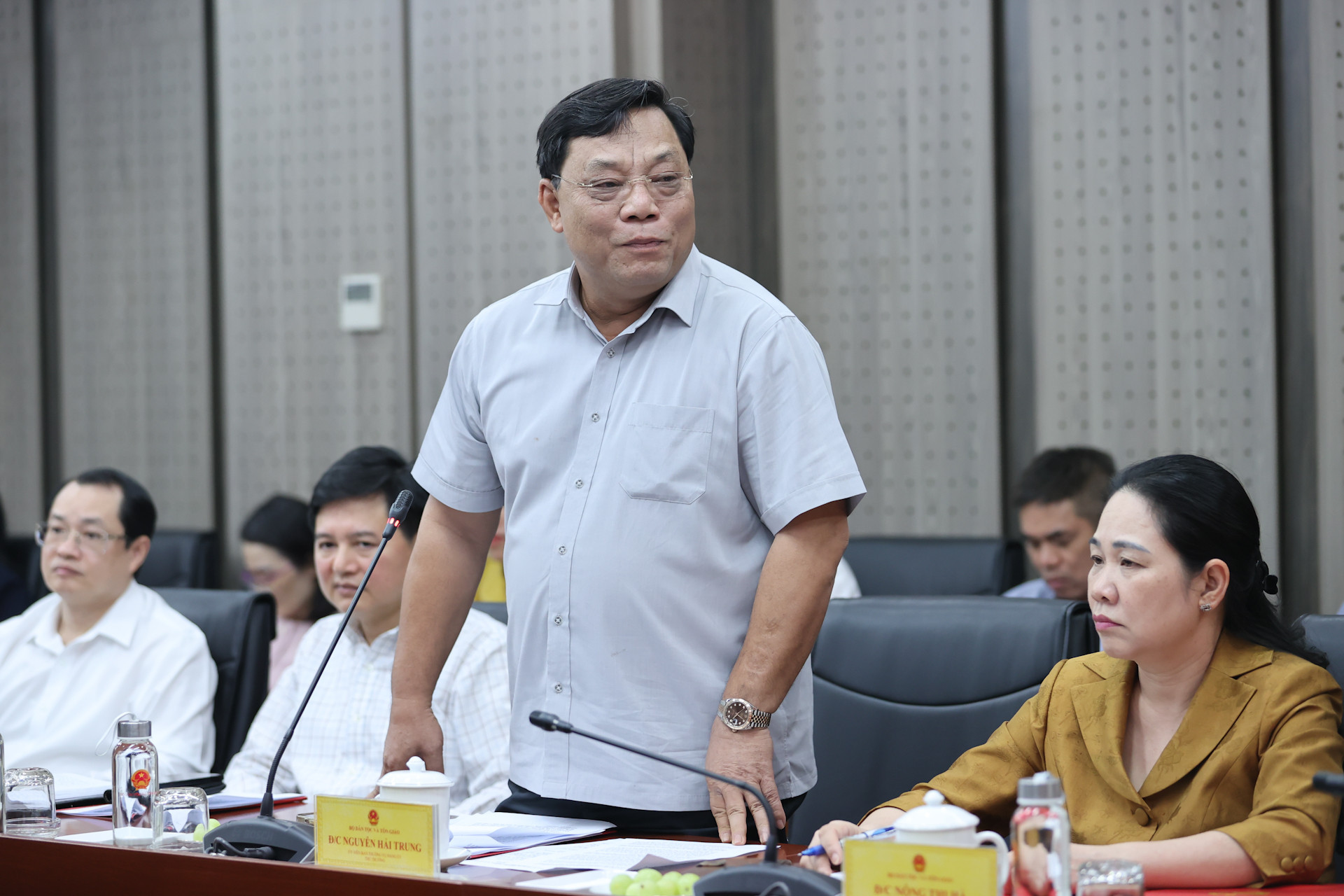
On reducing procedures in the field of belief and religion, Deputy Minister Nguyen Hai Trung reported that the ministry is currently handling 21 out of 56 procedures. To meet the requirement of reducing them to below 30 percent, around six procedures would need to be cut, though many require careful consideration before being removed.
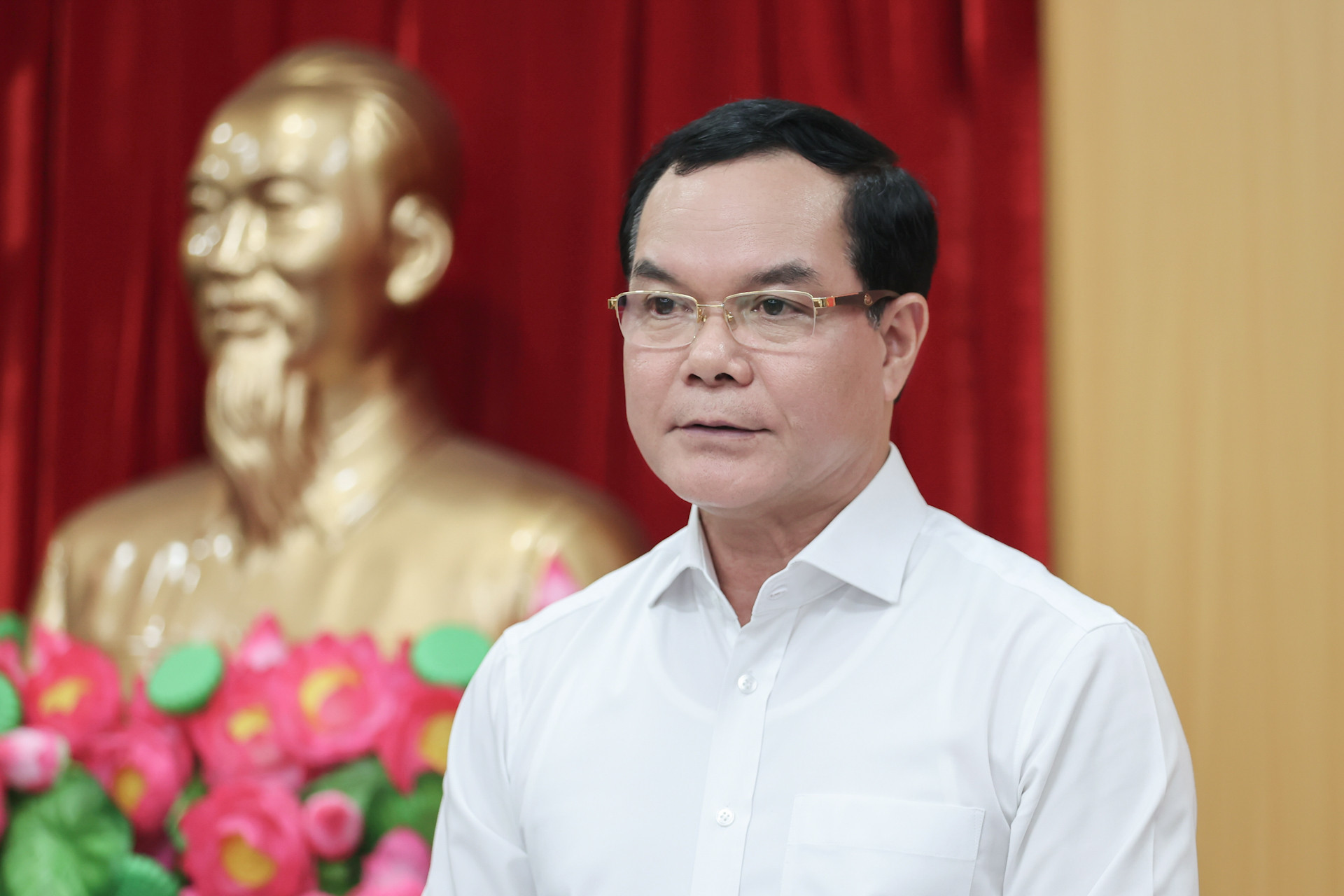
Minister Nguyen Dinh Khang said further review is needed to ensure procedures are simplified in line with the specific conditions of disadvantaged areas, particularly in fields directly affecting people’s livelihoods.
He noted that administrative procedures in the ministry are mainly concentrated in the religious sector. In socio-economic development for ethnic minority regions, mechanisms should be further improved to be more open and facilitate local implementation of national target programs.
Clarifying causes of slow disbursement
At the meeting, the Ministry of Ethnic and Religious Affairs, the Ministry of Agriculture and Environment, and the Ministry of Finance reported on the implementation of national target programs on new rural development, sustainable poverty reduction, and socio-economic development in ethnic minority and mountainous areas for the 2026-2030 period.
Obstacles in implementing components extended to the end of 2026 under the 2021-2025 program were also clarified.
Deputy Minister Y Vinh Tor said slow disbursement stemmed from the program’s design, which integrates ethnic policies and development investment. The legal framework was only largely completed around 2023 and has since been adjusted.
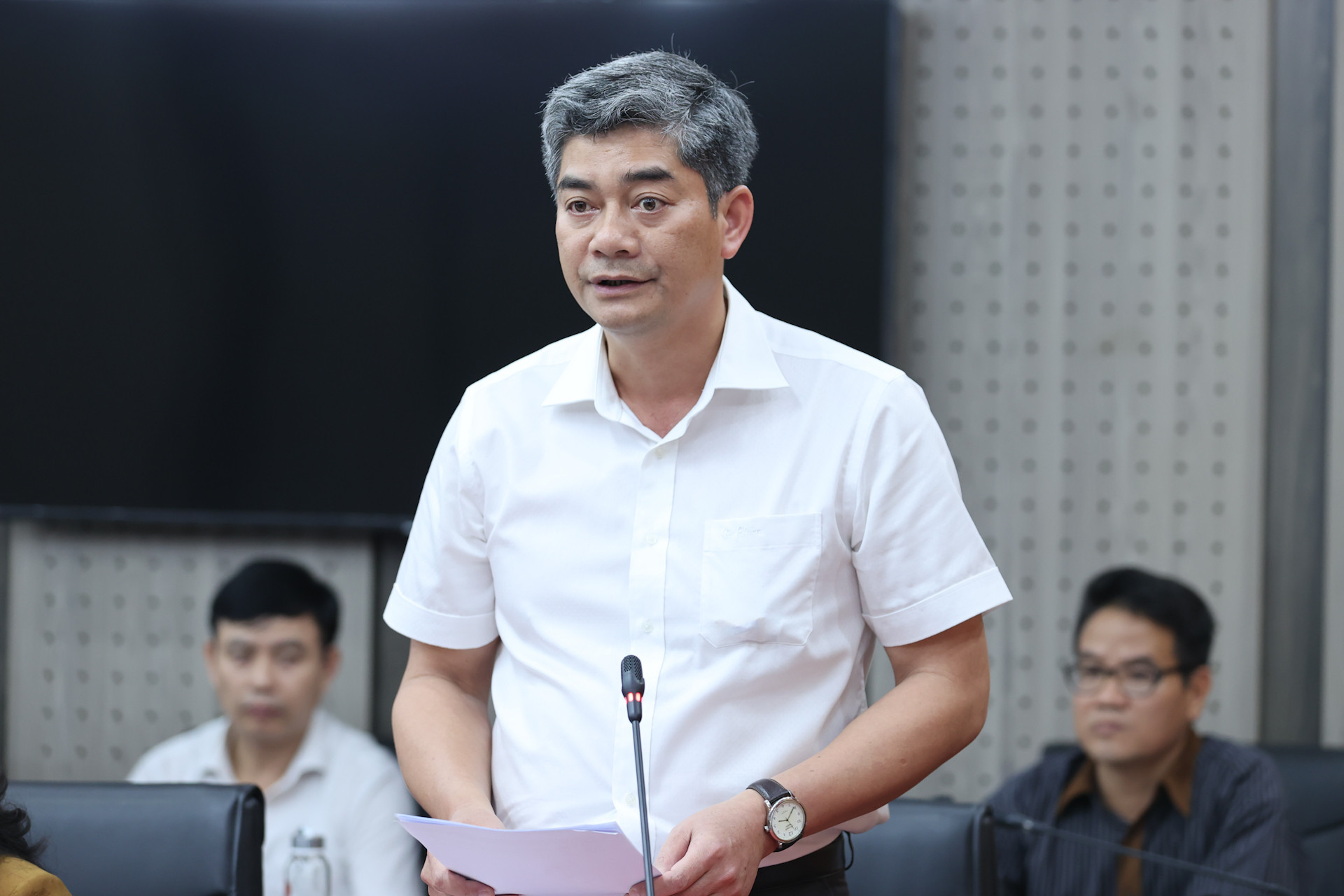
For the integrated program, the ministry is coordinating with relevant agencies to finalize decisions on allocation principles, criteria and norms.
Nguyen Xuan Dai, head of the Central New Rural Coordination Office, said that many guiding documents have been issued recently to remove local bottlenecks, and further improvements will be made to accelerate implementation and disbursement.
Enhancing flexibility for localities
Minister Nguyen Dinh Khang noted a potential issue regarding counterpart funding. Programs led by the ministry mainly target poor provinces and communes with difficult conditions, so funding mechanisms should differ from those applied to new rural development programs.
Applying uniform criteria and contribution levels would make it difficult for poorer localities to implement programs effectively, he said, stressing that mechanisms must ultimately serve essential needs such as housing, production land, water, healthcare and education.
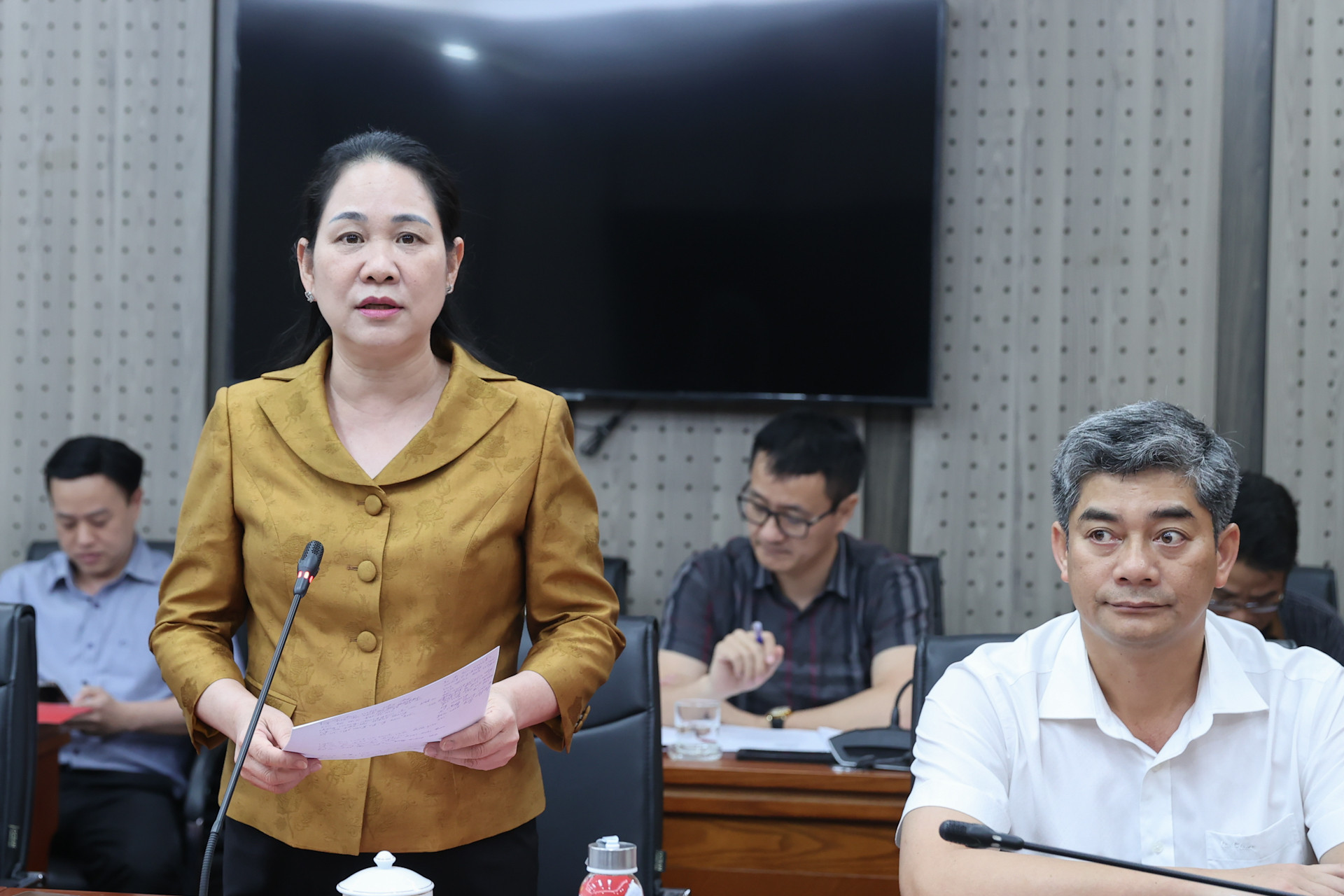
He shared that during a recent visit to Ha Giang, access to clean water remained unresolved, with a boarding school sourcing water from 10 kilometers away.
According to him, although water supply is included in national programs, sufficient resources and flexible mechanisms are needed for effective implementation.
Nguyen Xuan Dai said seven provinces and cities capable of balancing their budgets are expected to cover about two-thirds of counterpart funding, easing pressure on poorer areas. Additional allocation criteria include the number of communes and villages, poverty rates, and the proportion of ethnic minorities.
Six key tasks assigned
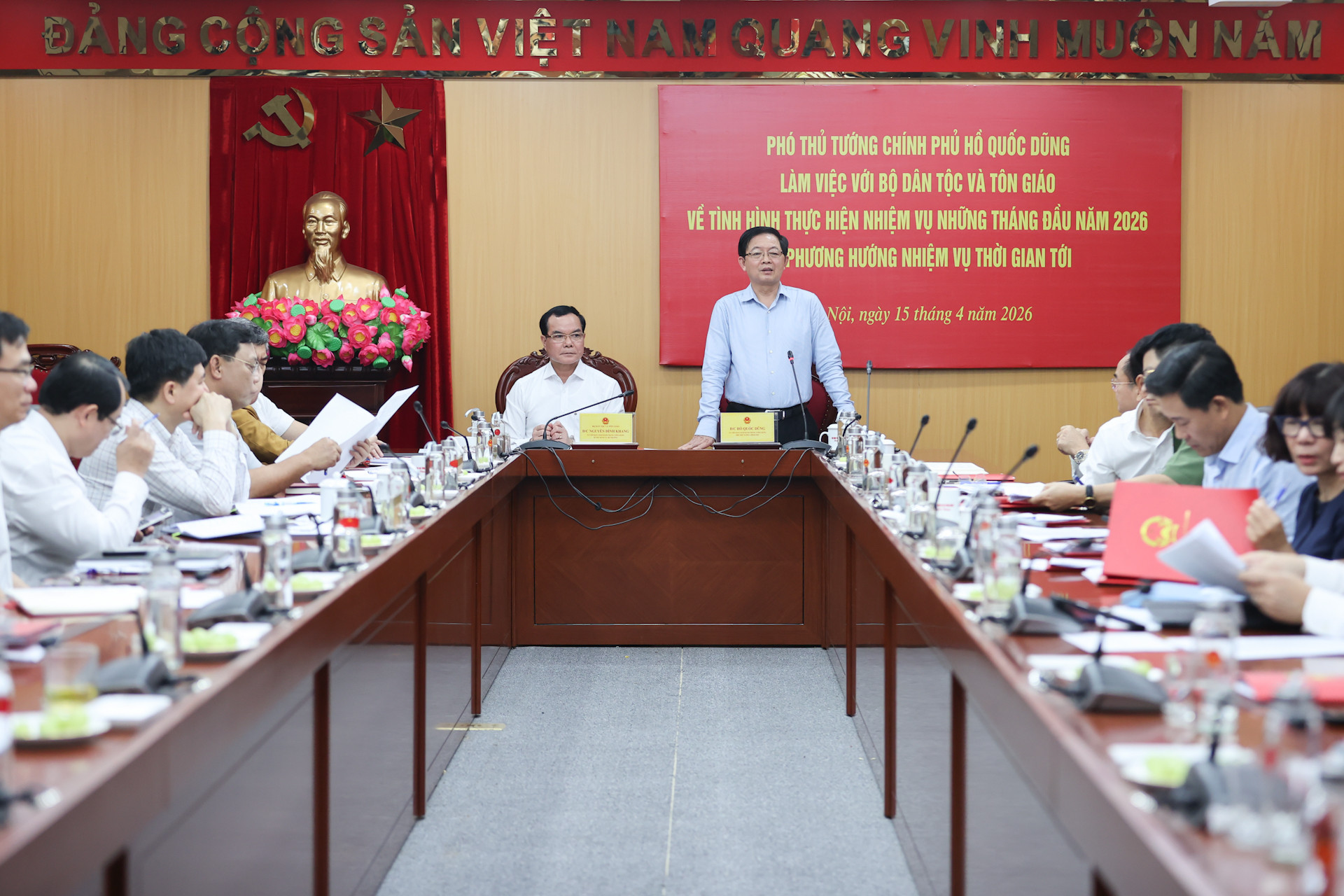
Concluding the meeting, Deputy Prime Minister Ho Quoc Dung praised the ministry’s performance after more than a year of operation and said a review meeting would be held to comprehensively assess national target programs.
He outlined six key tasks for the ministry.
First, prioritize institutional and legal framework development by reviewing functions, identifying gaps, and improving legislation.
Second, effectively implement social, education and employment policies, including building programs to create jobs and sustainable livelihoods for ethnic minority communities.
Third, resolutely reduce and simplify administrative procedures to below 30 percent as required by the Government.
Fourth, closely monitor local situations, especially in sensitive areas, and strengthen coordination to respond promptly to emerging issues.
The ministry has also largely completed digitization and standardization of religious databases and is developing a database on ethnic groups, expected to be completed in 2026.
Fifth, improve the effectiveness of national target programs, ensuring they address essential needs rather than focusing only on visible infrastructure projects.
Sixth, strengthen personnel work and decentralization, ensuring policies match local capacities, especially in remote areas.
The Deputy Prime Minister also emphasized the need to improve communication so that policies are clearly understood and widely supported.
Minister Nguyen Dinh Khang thanked the Deputy Prime Minister and pledged to implement the six tasks, report issues beyond authority, and continue coordinating with ministries to resolve difficulties.
Sy Hao
.svg)
