 Vietnamnet.vn

 Podcast



Linh Trang
With a four-day break for the 2026 New Year, travelers can explore two of Vietnam’s most celebrated rural destinations - Thai Hai and Quynh Son - both recognized as “Best Tourism Villages in the World” by the United Nations World Tourism Organization (UNWTO).
Thai Hai Village, Thai Nguyen
The Thai Hai Ecological Stilt House Conservation Area was honored by the UNWTO in 2022 as one of the world’s best tourism villages. Located just 70 km from Hanoi and about 10 km from downtown Thai Nguyen, Thai Hai lies along the popular tourist route to Nui Coc Lake and the Tan Cuong tea culture zone.
Traveling from Hanoi takes only about two hours, with buses, limousines, and taxis running throughout the holiday period.
The village is home to more than 30 traditional stilt houses and over 200 residents. Visitors can immerse themselves in the cultural practices of the Tay ethnic people and enjoy the village’s lush green natural setting.
One of the most unusual customs here is communal living: families eat together, share resources, and pool their earnings into a common fund. The village chief oversees all essential needs, from food and healthcare to education and daily life.
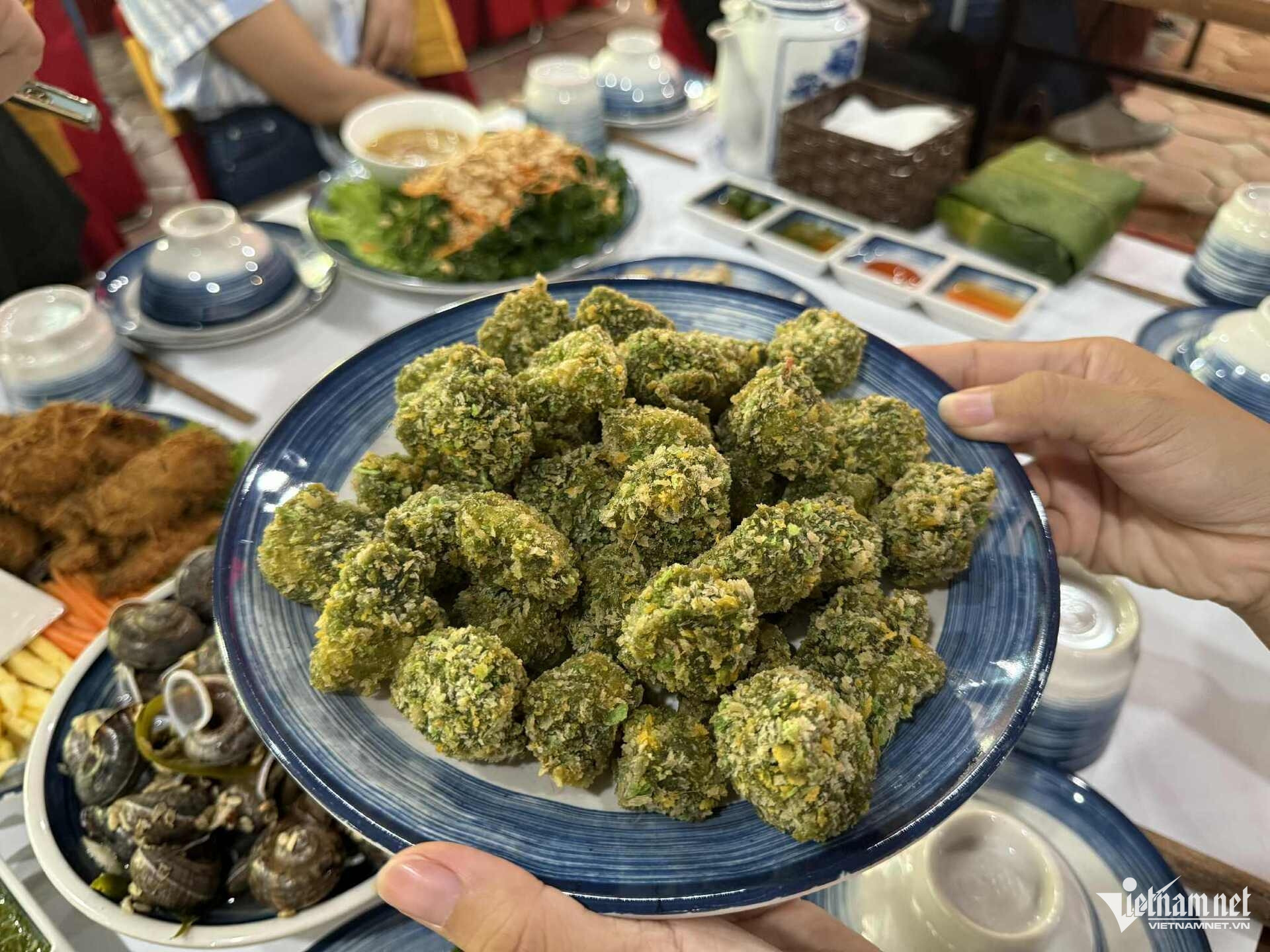
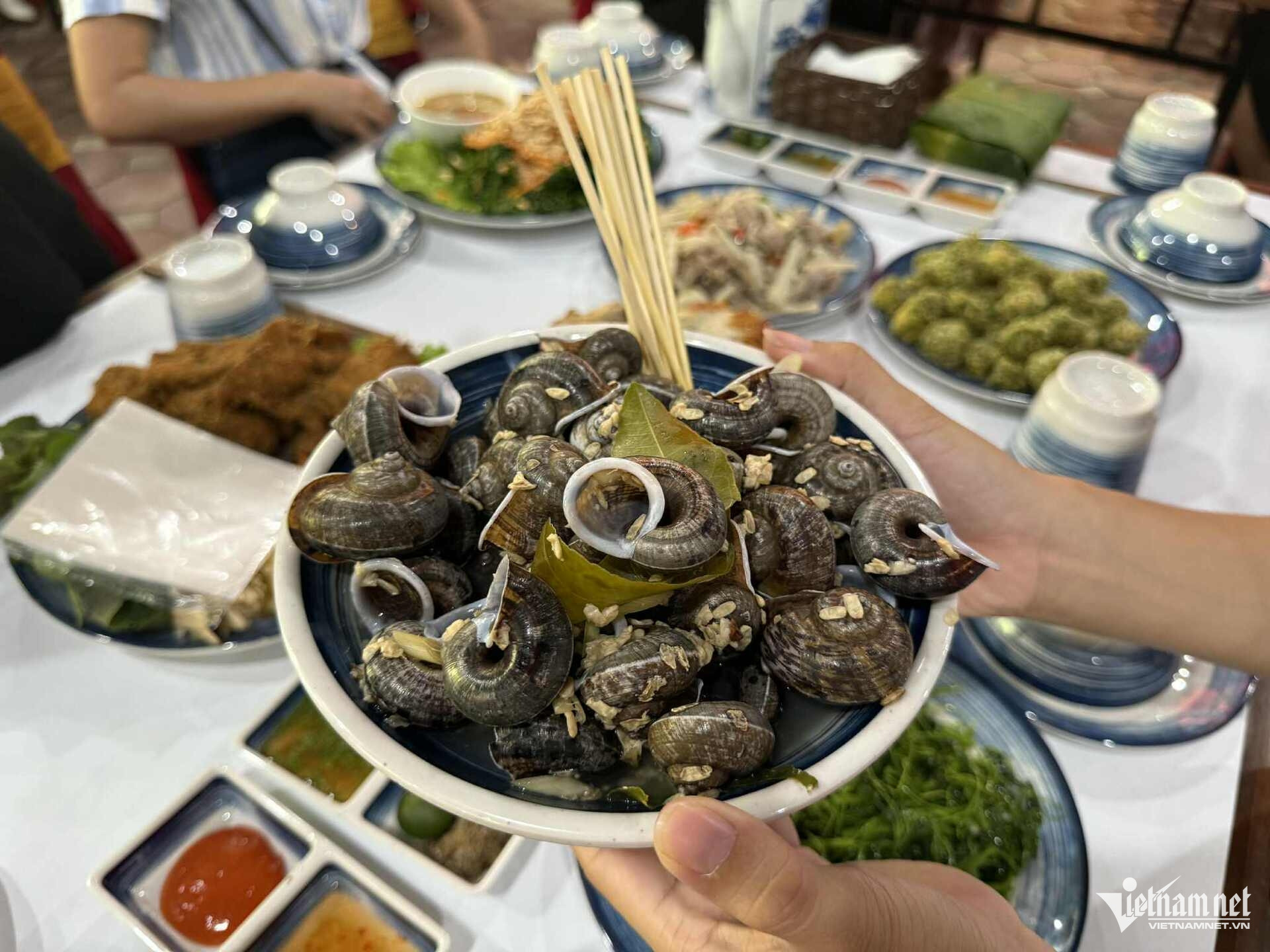
Thai Hai’s residents have preserved more than 100 traditional dishes such as roasted buffalo, fermented carp, five-colored sticky rice, mountain snails steamed with lemongrass, and wild vegetable salads. They also offer creative twists on local flavors - like green-tea grilled chicken and tofu infused with Thai Nguyen tea.
The village has repeatedly been named among Vietnam’s top culinary destinations.
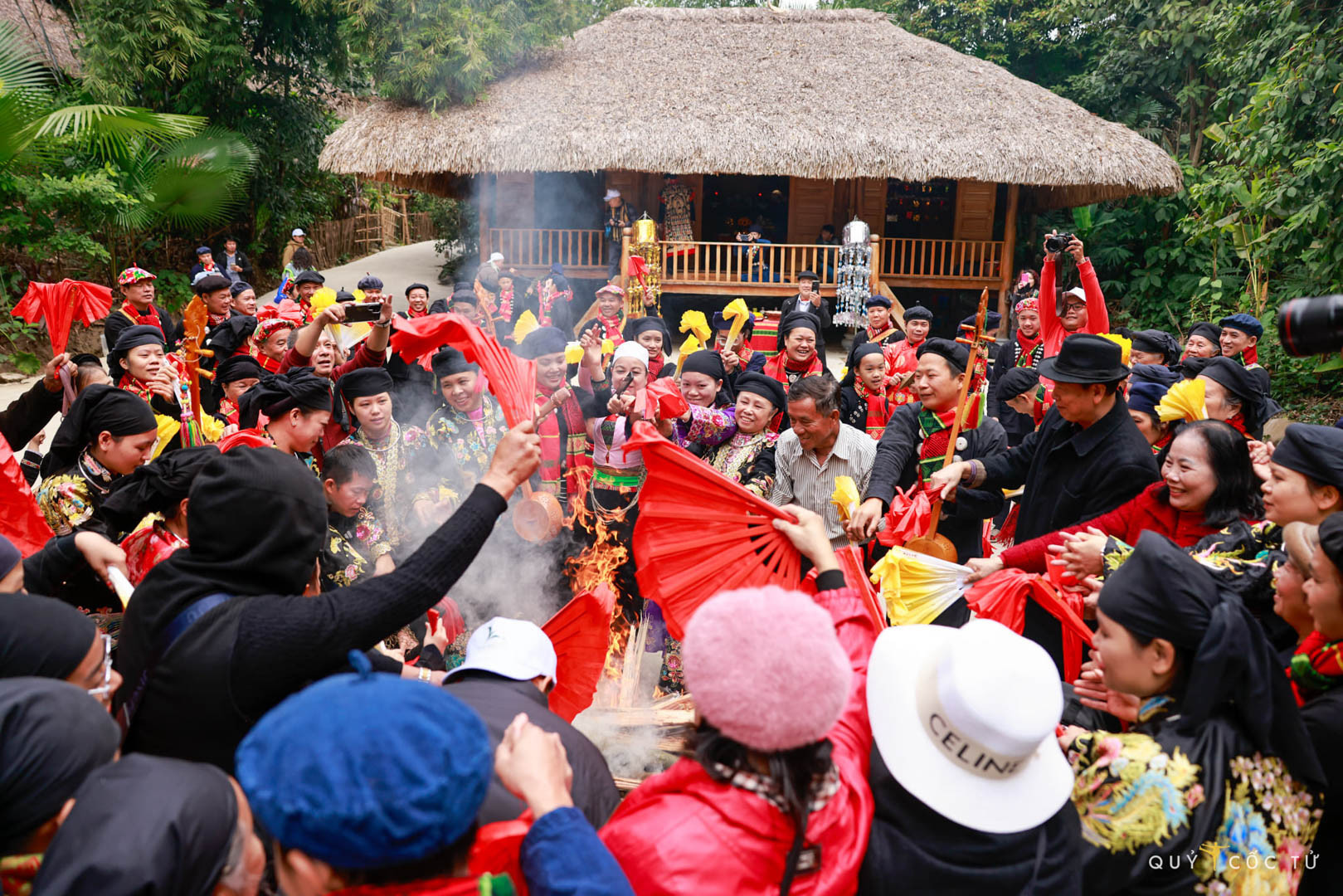
Residents of Thai Hai take part in traditional ceremonies. Photo: Quy Coc Tu

Quynh Son Village, Lang Son
Quynh Son (Lang Son) and Lo Lo Chai (Tuyen Quang) were Vietnam’s most recent entries into the UNWTO’s list of the “Best Tourism Villages in the World,” earning their titles in 2025.
Located just over 150 km from Hanoi, Quynh Son is about a three-hour drive by private car. Travelers can take a coach to Bac Son township and then a motorbike taxi to the village. A few bus operators run direct routes from Hanoi to the village, but early booking is recommended.
The village features more than 400 traditional stilt houses, many of which have stood for centuries across three or four generations. Visitors can take relaxed walks through the village, admire the simple beauty of the architecture, and chat with friendly, welcoming residents. Each home bears the distinct personal touch of its owner, visible in porches, doorways, and wooden walls.
In good weather, visitors can hike Na Lay Mountain for sweeping views of the Bac Son Valley.
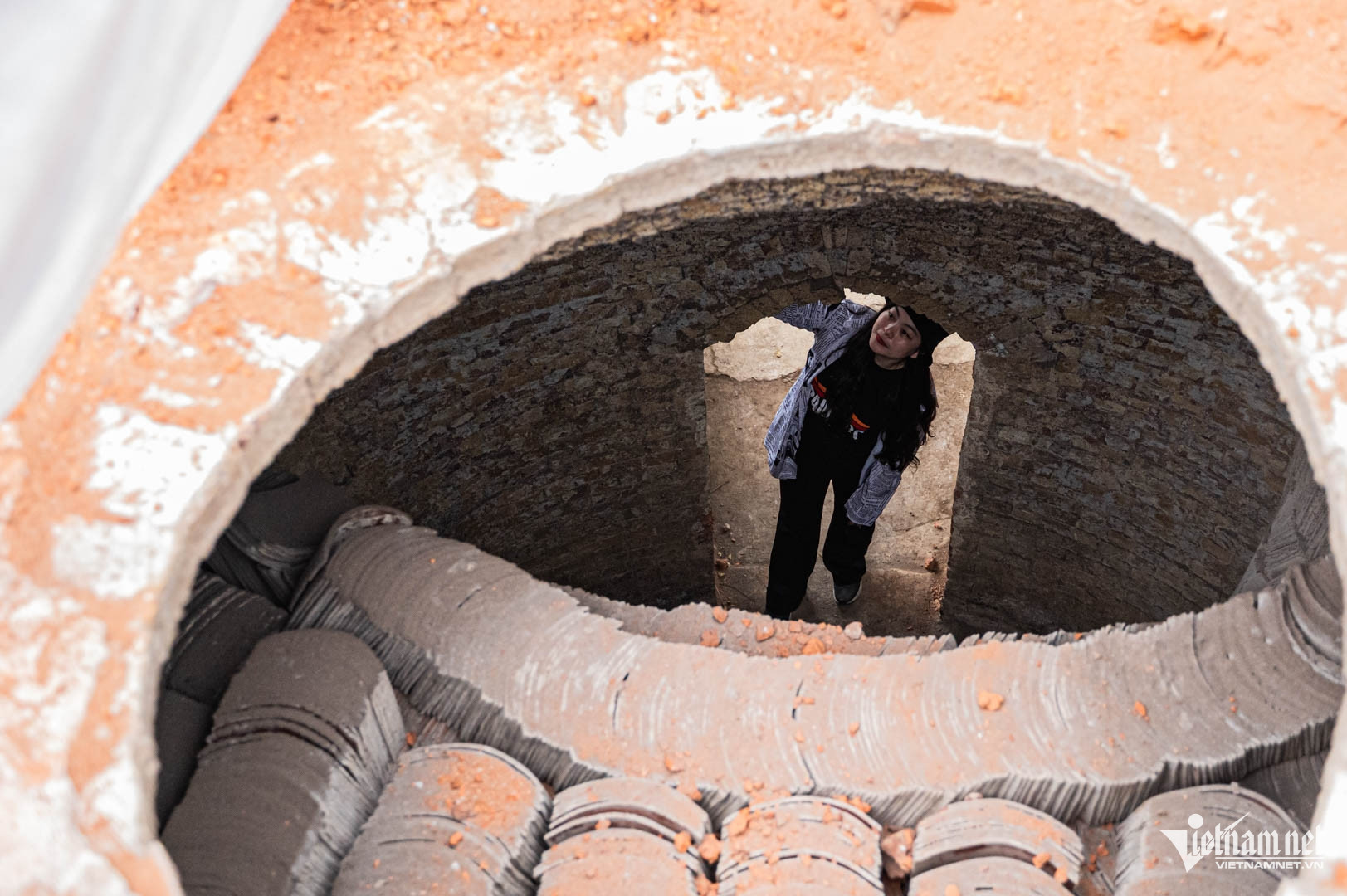
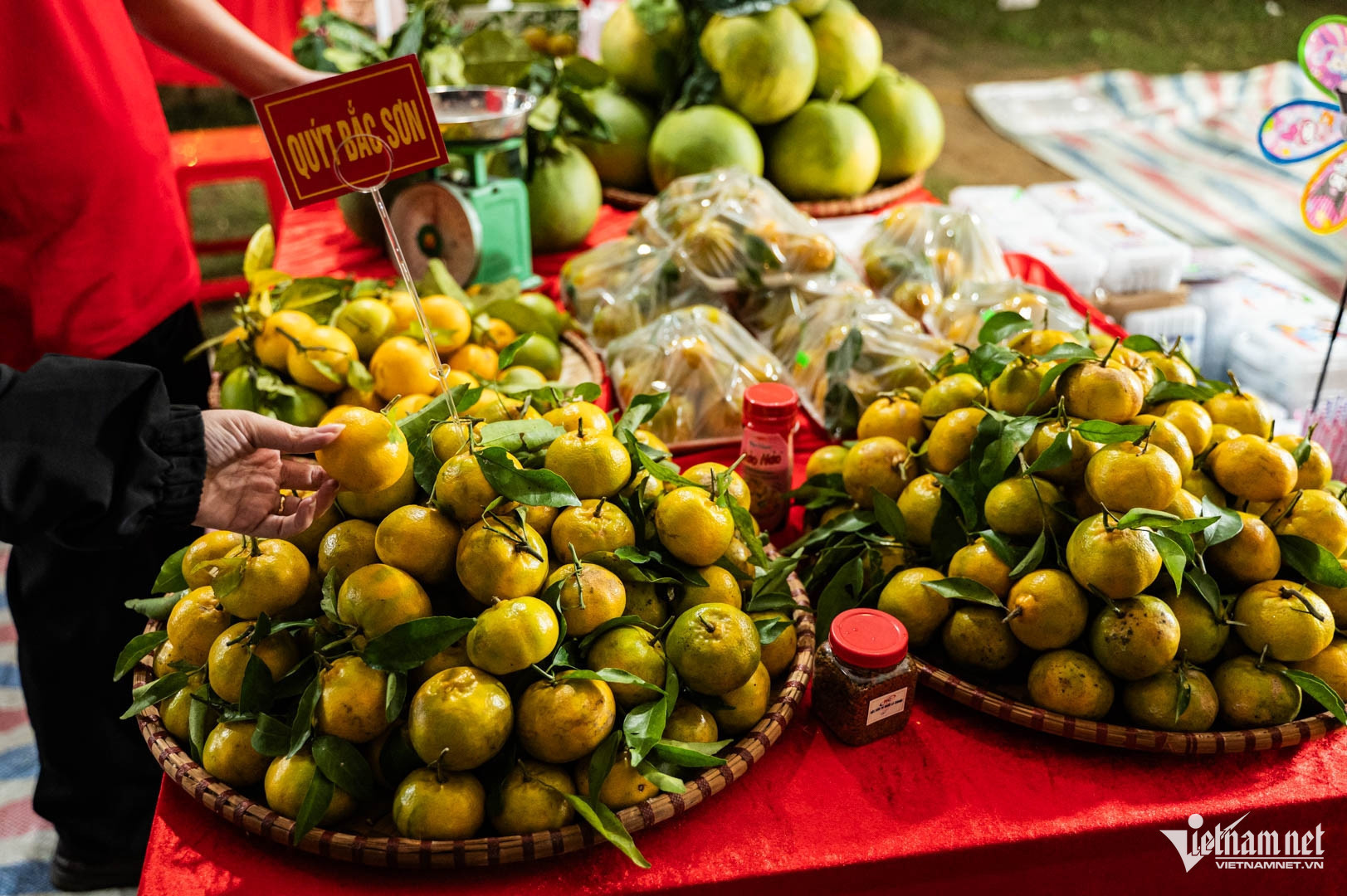
Just minutes away from Quynh Son, travelers can also visit the traditional yin-yang roof tile village or explore the local golden mandarin orchards. These mandarins, grown in mountain crevices, are known for their thin skins, vibrant color, and refreshing, slightly tart flavor.
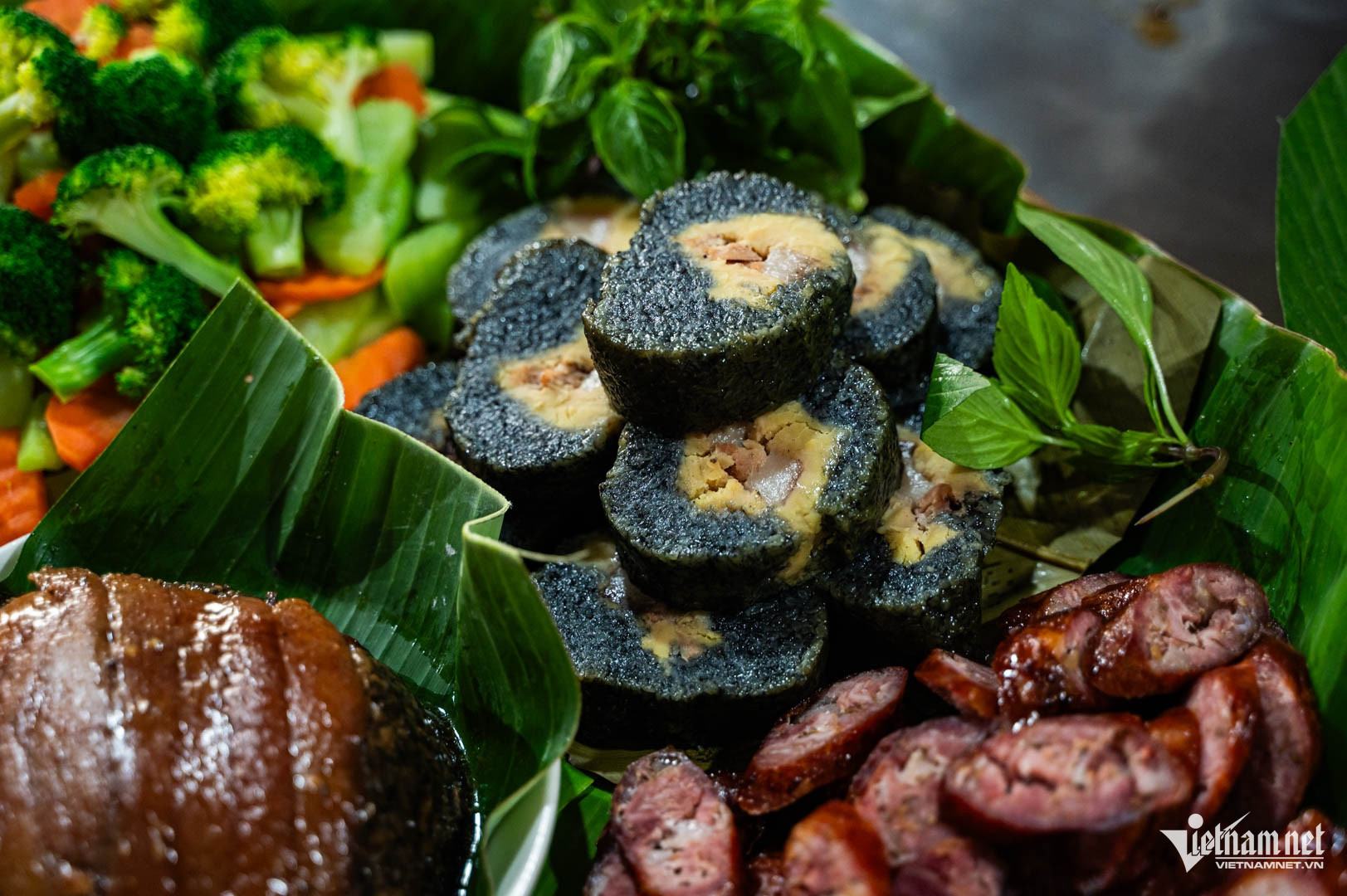
Currently, nine local Tay families in Quynh Son operate homestays. Community rooms cost between 100,000–200,000 VND (approx. $4–$8 USD) per night, with private rooms also available. Local specialties include black sticky rice cakes, mountain ginger sausages, herbal sticky rice, roast duck, and Bac Son’s famous golden mandarins.

.svg)
