 Vietnamnet.vn

 Podcast



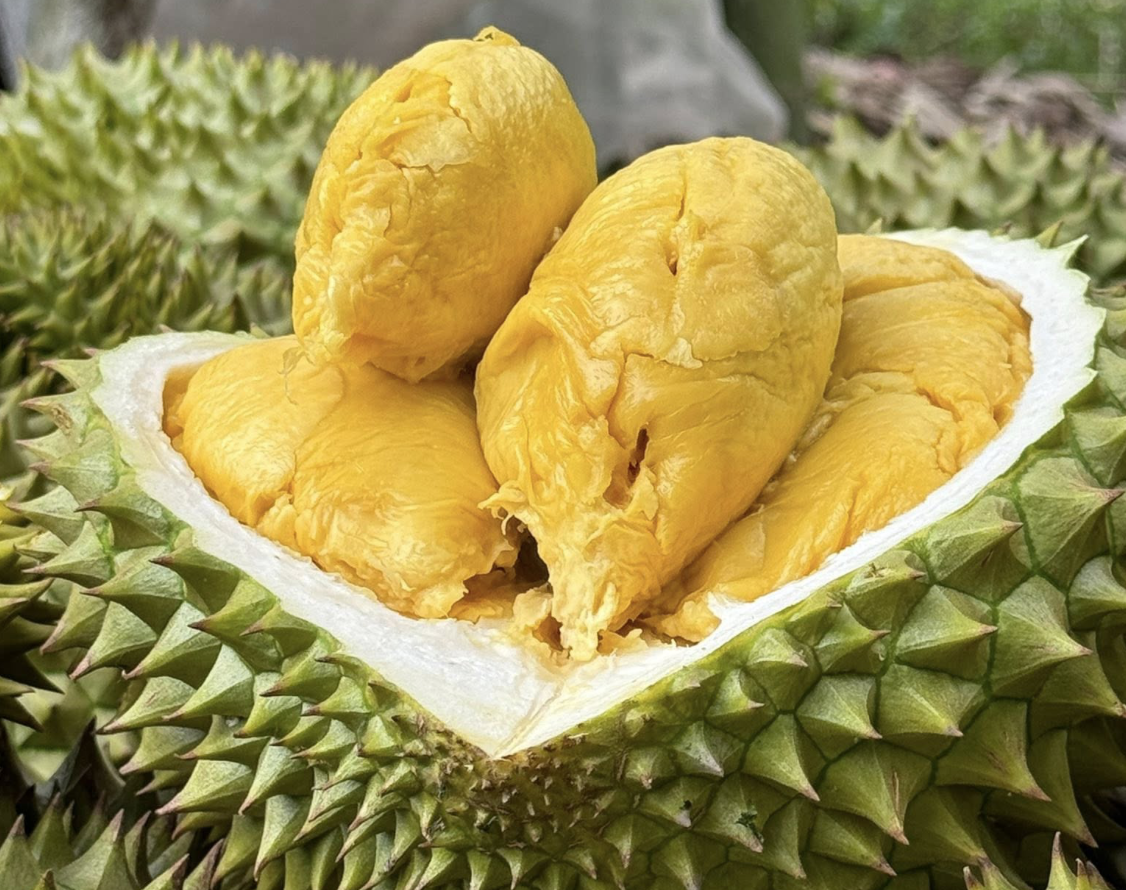
Durian is a fruit cultivated almost exclusively in Southeast Asia. Dubbed the "king of fruits," it generates exceptionally high economic value. However, its consumption remains heavily reliant on the Chinese market.
China is currently the world's largest consumer of durian, with import turnover surging year after year. In 2025, China spent approximately $7.3 billion importing durians.
A durian consumer trend report recently released by Douyin E-commerce (TikTok's e-commerce platform in China) shows that within just 12 months, the platform sold over 30 million orders of fresh durian. Total transaction value surged 142 percent, while order volume rose 148 percent year-on-year.
In 2025, Thailand and Vietnam accounted for more than 99 percent of China’s total durian import value.
To reduce its dependence on the two major suppliers, China has signed protocols allowing durians from several other countries to be officially exported to its market.
So far, six countries are permitted to export durians to China: Thailand, Vietnam, the Philippines, Malaysia, Cambodia and Laos. China is also actively expanding domestic durian-growing areas.
Rapidly rising supply, coupled with improved logistics and lower tariffs, has driven retail durian prices in China down.
The Ministry of Industry and Trade’s Import-Export Department said Monthong durians from Thailand and Vietnam are being sold in China for 20-30 yuan per 0.5 kg ($2.79-4.18), significantly lower than the 35-45 yuan per 0.5 kg recorded during the same period last year.
At wholesale markets, the price of Grade A Vietnamese Monthong durians fell from 36.5 yuan per 0.5 kg ($5.09) to 13 yuan per 0.5 kg ($1.81) between April and June. The price of Grade A Thai Monthong durians also dropped from 26.5 yuan per 0.5 kg ($3.69) to 18 yuan per 0.5 kg.
Many businesses predict that premium durian varieties will remain in a separate price segment, while lower-priced varieties may face fiercer price competition in the Chinese market.
Southeast Asia’s durian-growing hubs struggle
The increasingly diverse supply in China is putting downward pressure on prices in durian-growing regions across Southeast Asia.
In early July, the agricultural marketing authority of Malaysia said the popular local Kampung variety was selling for 1-4 ringgit per kg (around VND6,000-26,000) in some areas. The variety had previously fetched as much as 15 ringgit per kg (around VND100,000).
Even the premium Musang King, which previously sold for 60-80 ringgit per kg (VND380,000-520,000), has fallen to below 30 ringgit per kg (VND190,000), down by more than half from the same period last year.
A similar situation is unfolding in Thailand. The southern Thai durian industry is going through its most difficult period in seven years as output surges, prices plunge and pressure mounts on growers and businesses, Vietnam News Agency reported.
In many southern localities, oversupply has pushed durian prices down to 40-80 baht per kg ($1.2-2.4), significantly below the average of around 100 baht per kg (nearly $3) last year. In the three southernmost provinces of Pattani, Yala and Narathiwat, Grade A Monthong durians are now fetching only around 65 baht per kg (about $1.9).
Thai businesses acknowledge that the difficulties are also stemming from intensifying competition in China, Thailand’s largest durian export market, from suppliers including Vietnam, Malaysia, Indonesia and Laos. Many companies that had purchased durians under pre-signed contracts are also suffering losses as market prices have fallen rapidly.
Vietnam’s durian exports to China continue to grow. However, rising supply pressure has also sent prices sharply lower.
According to a report by the Ministry of Agriculture and Environment, Vietnam’s total durian cultivation area has reached 198,600 hectares. Durian output in the first six months of this year reached 603,300 tonnes, despite the country not yet entering the peak harvest season, up 12.7 percent year on year.
Prices for Ri6 durians in Vietnam currently range from VND5,000-65,000 per kg, depending on grade, while Monthong durians fetch VND35,000-90,000 per kg. These prices are relatively low compared with the same period in previous years, as Vietnam’s durian crop has only just entered its peak season.
Dang Phuc Nguyen, secretary-general of the Vietnam Fruit and Vegetable Association, said Vietnam’s durian export value was estimated at $2 billion in the first seven months of this year, a sharp increase from the same period last year. In 2026, durians could generate $4.8 billion in export revenue if the peak export season proceeds smoothly.
Tam An
.svg)
