 Vietnamnet.vn

 Podcast



Traditionally held between the 10th and 15th days of the seventh lunar month, Pây Tái is a special occasion for sons-in-law to return to their wife’s family with offerings, expressing gratitude and filial piety.
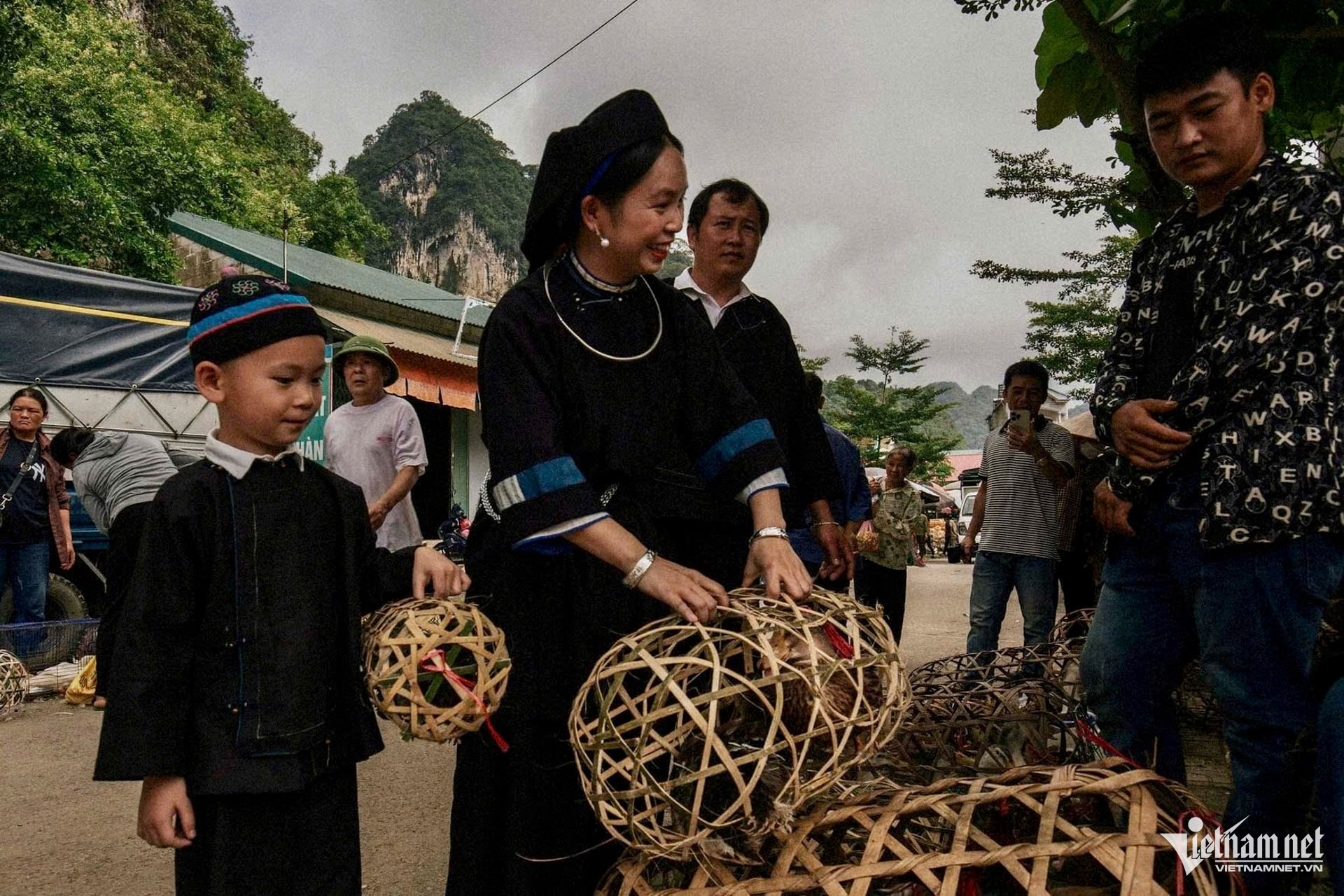
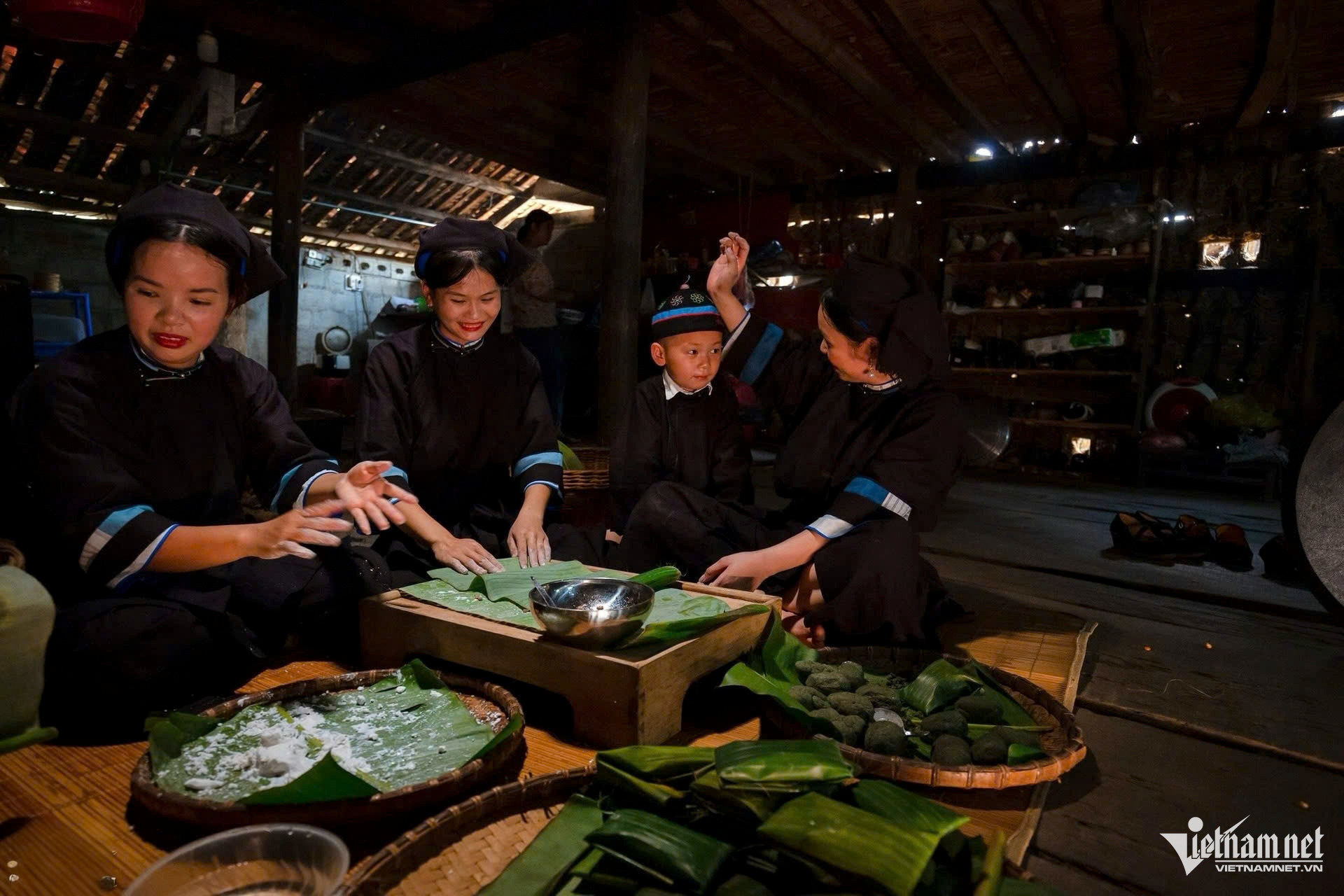
In the days leading up to the full moon, Tay women prepare Pẻng tải cakes – traditional steamed treats made from soaked rice, often in the form of bánh gai (black leaf cake) or banana stem cakes. Meanwhile, the husband is responsible for selecting a duck – the most important offering for the ceremony. Ducks raised in mountain streams, known for their rich flavor, are favored for this purpose.
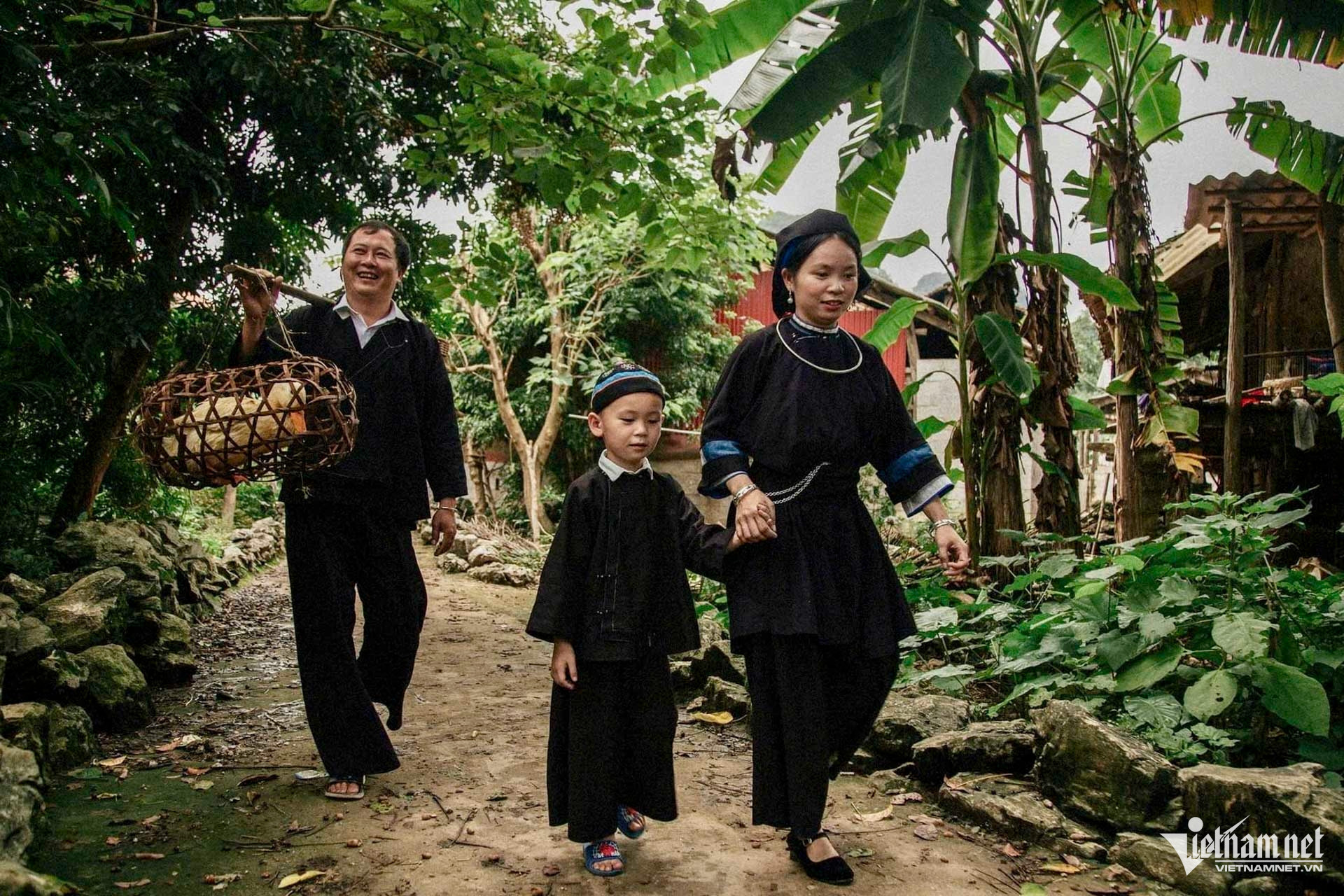
According to Tay folklore, the duck is considered a sacred animal. Legend has it that a duck once carried a rooster across the sea to deliver offerings to heaven on the 15th day of the seventh lunar month. As a result, the duck is not only a key dish on the ceremonial table but also a spiritual symbol, bridging the human world with the divine.
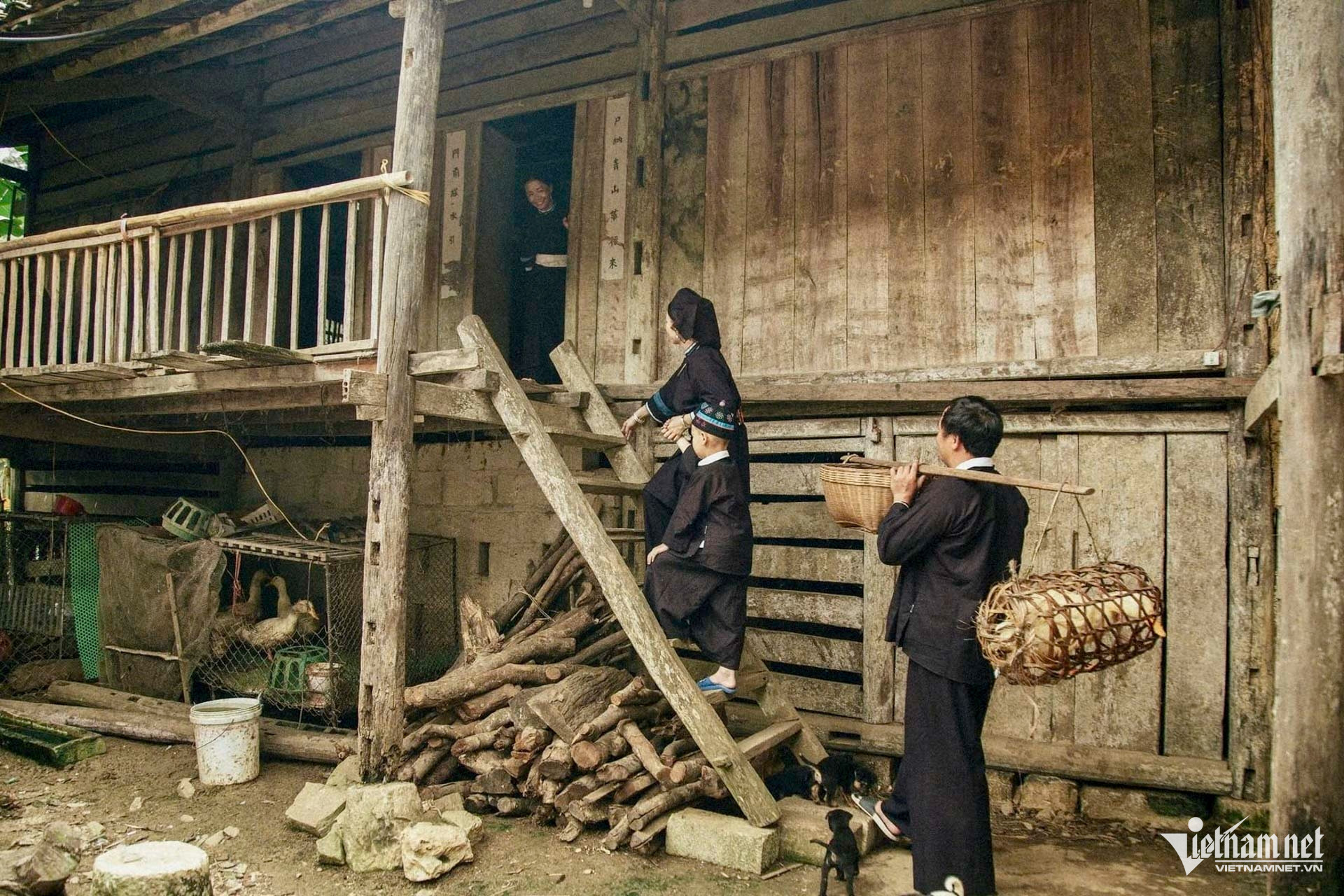
In the past, when travel was difficult and resources scarce, sons-in-law would weave bamboo baskets, build cages, and walk for tens of kilometers to reach their in-laws with ducks and other offerings in tow. Today, with modern roads and improved living conditions, the essence and cultural value of the Pây Tái celebration remain unchanged.
A day of reunion, a lifetime of gratitude
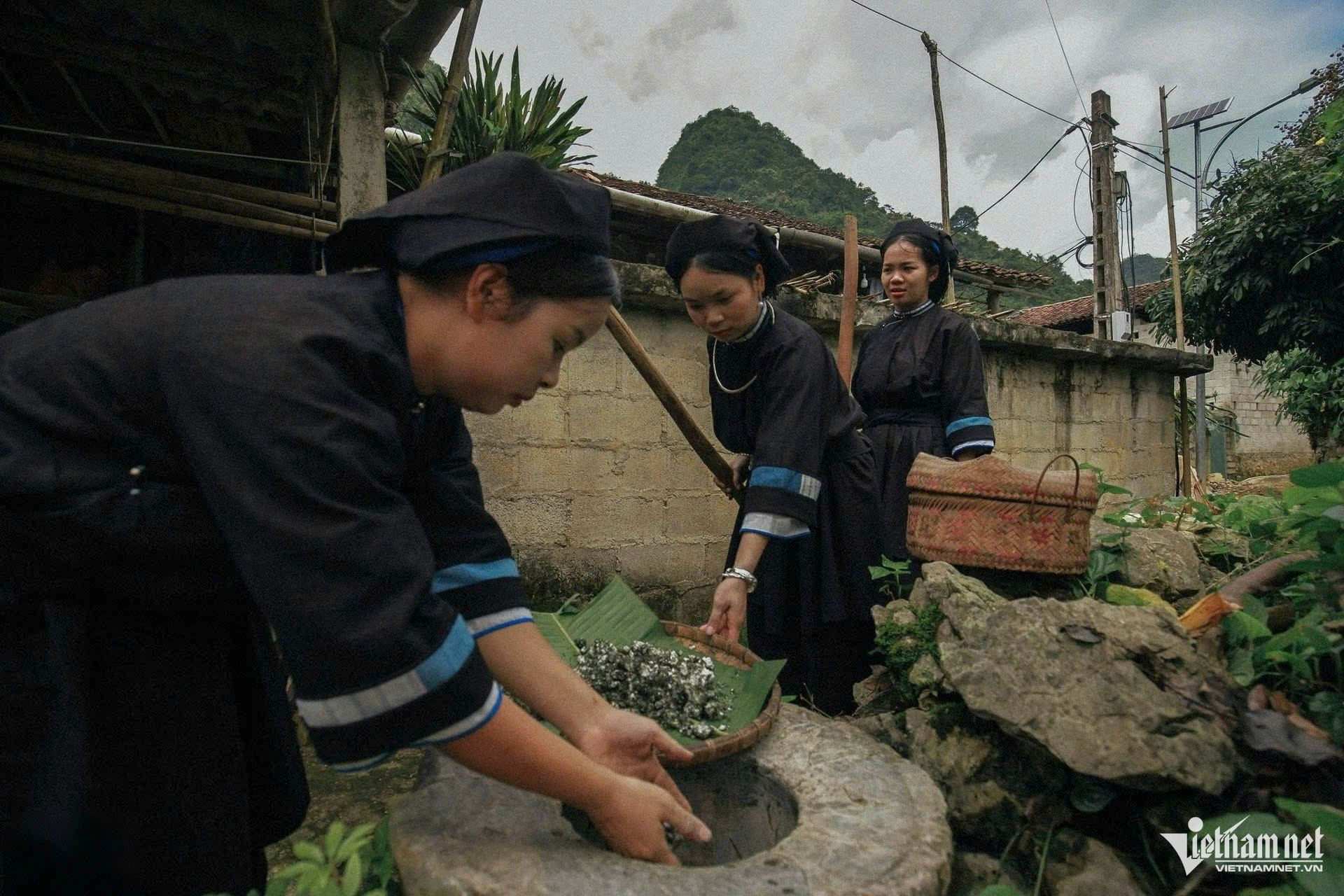
Among the Tay people, it is believed that after marriage, women have fewer chances to care for their birth parents. The full moon of the seventh lunar month is therefore seen as a sacred time for daughters to return and show filial devotion, and for sons-in-law to express their respect and gratitude. A common Tay saying reflects the significance of this celebration: “Eat chicken in the first month, eat duck in the seventh.”
Nguyen, a resident of Cho Don Commune in Thai Nguyen, said that the typical offerings brought to the wife's family include cakes, duck, rice wine, betel and areca nuts, and incense paper.
These items are not only used for ancestral worship but also symbolize the sincerity of the family’s devotion and respect.
Ma Van Trinh (born 1990), from Pac Ngoi Village in Ba Be District, Thai Nguyen, shared that Pây Tái is considered the second most important festival of the year for the Tay people, after Tet. Families take time off from work to prepare for the celebration.
In many Tay households across northern Thai Nguyen and Cao Bang, the duck is often prepared into a hearty soup with rau ram (Vietnamese coriander) and served with handmade rice noodles. Though simple, the dish is full of homely flavor. The noodles are crafted manually: soaked rice is ground into a paste, pressed through wooden molds into boiling water, and fermented naturally to create a slightly sour aroma - commonly known as “sour noodles.”
When served, the noodles are topped with duck soup, vinegar garlic, or soy sauce mixed with finely chopped dia lien (fingerroot), creating a flavor unique to the region.
Besides duck, the Pây Tái feast includes forest vegetables, bamboo shoots, roasted pork, and grilled duck, all brought together in a warm and lively reunion meal. Elders often share family stories and moral lessons about respect and responsibility during the gathering.
Remarkably, the Pây Tái tradition has transcended the Tay community. Many Kinh families who have lived for generations in northern Thai Nguyen also uphold the custom, embracing it as a cherished cultural ritual.
Bao Khanh
.svg)
