 Vietnamnet.vn

 Podcast



The prosperity ritual, known in the Ede language as Kam Hmah Kam Hwa, is one of the traditional ceremonies that reflects the spiritual life of the Ede people.
Traditionally, the ceremony is held on a large, flat piece of land near an old tree with many beehives. For the Ede, such a place is considered “good land,” suitable for performing sacred rituals and sending their prayers to Yang, the spiritual deities.
Before the ceremony, villagers come together to prepare the ritual space. Bamboo is carefully selected and cut, then used to build a symbolic stilt house and granary in the fields.
Shaman Y Blieh Ayun from Ea Knuec Commune said that in Ede life, the granary is where the fruits of each farming season are stored, making it a symbol of abundance. Choosing the location before the ceremony is therefore particularly important. The site must be spacious and level, and close to an old tree with many beehives.
In addition to the rice granary, villagers build smaller symbolic storehouses for tools and equipment used in farming. Every detail is closely tied to daily life and the community’s hopes for prosperity.
According to traditional beliefs, wind chimes are hung around the ceremonial area. Their sound both signals to villagers where the ceremony is being held and carries the meaning of warding off misfortune. Shields and knives symbolize protection and the power to keep evil away.
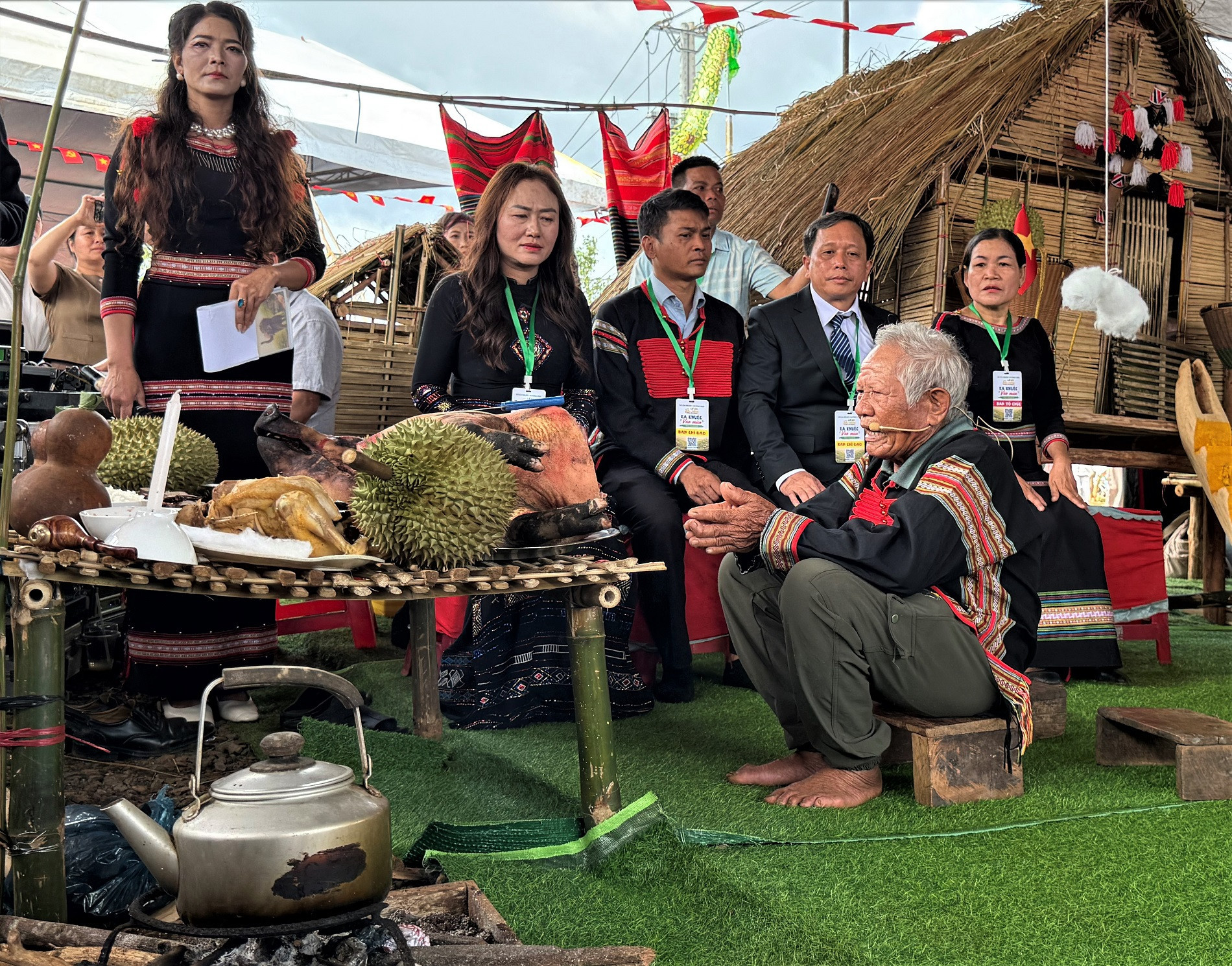
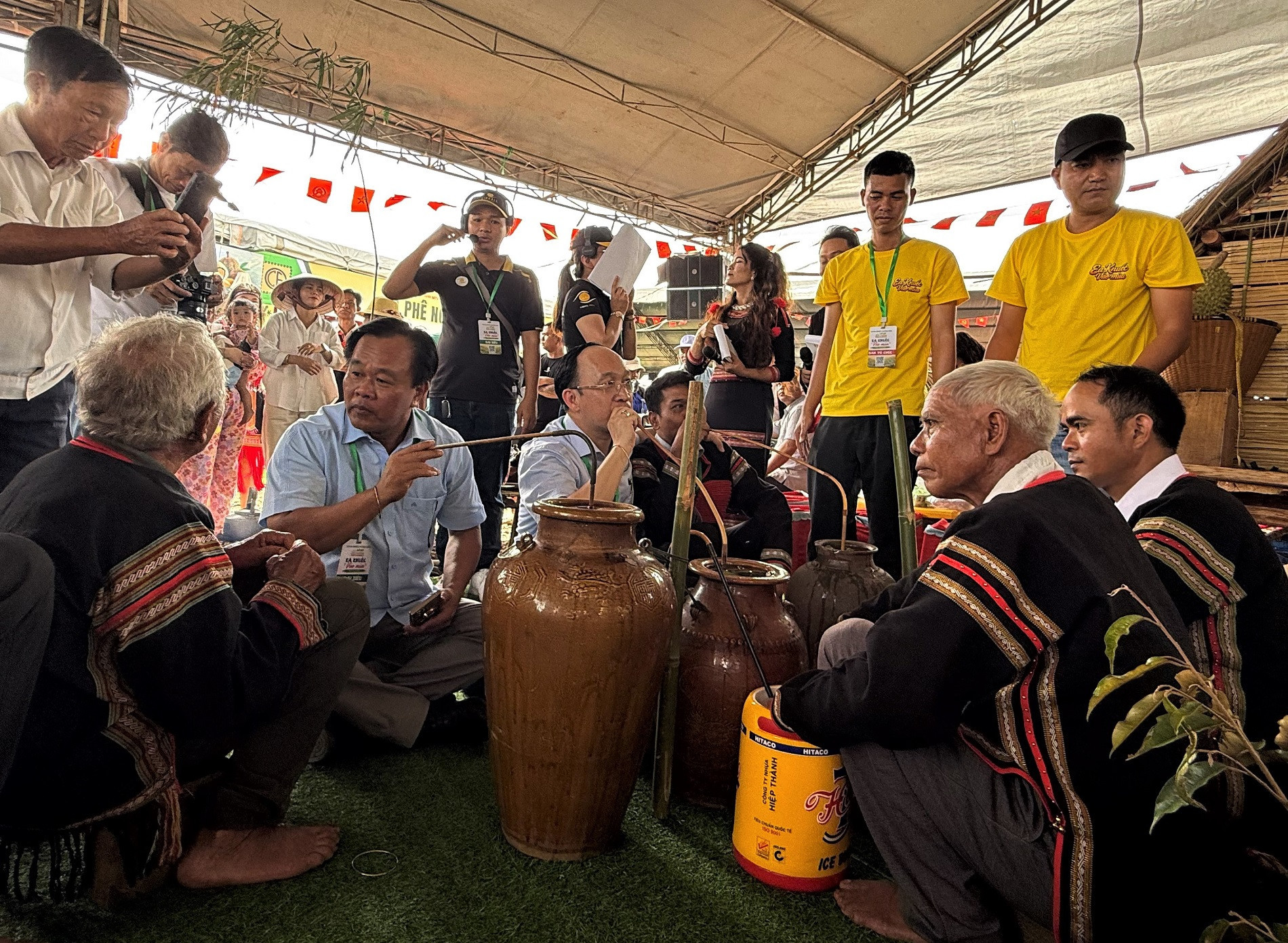
The offerings are carefully prepared and include two pigs, one of them a healthy white pig, five roosters and three jars of ruou can, a traditional fermented rice wine drunk communally through long bamboo straws. Other ritual objects include bronze bracelets, strings of beads, wooden figures representing benevolent and malevolent spirits, wild boars, and wooden clappers used to scare birds away.
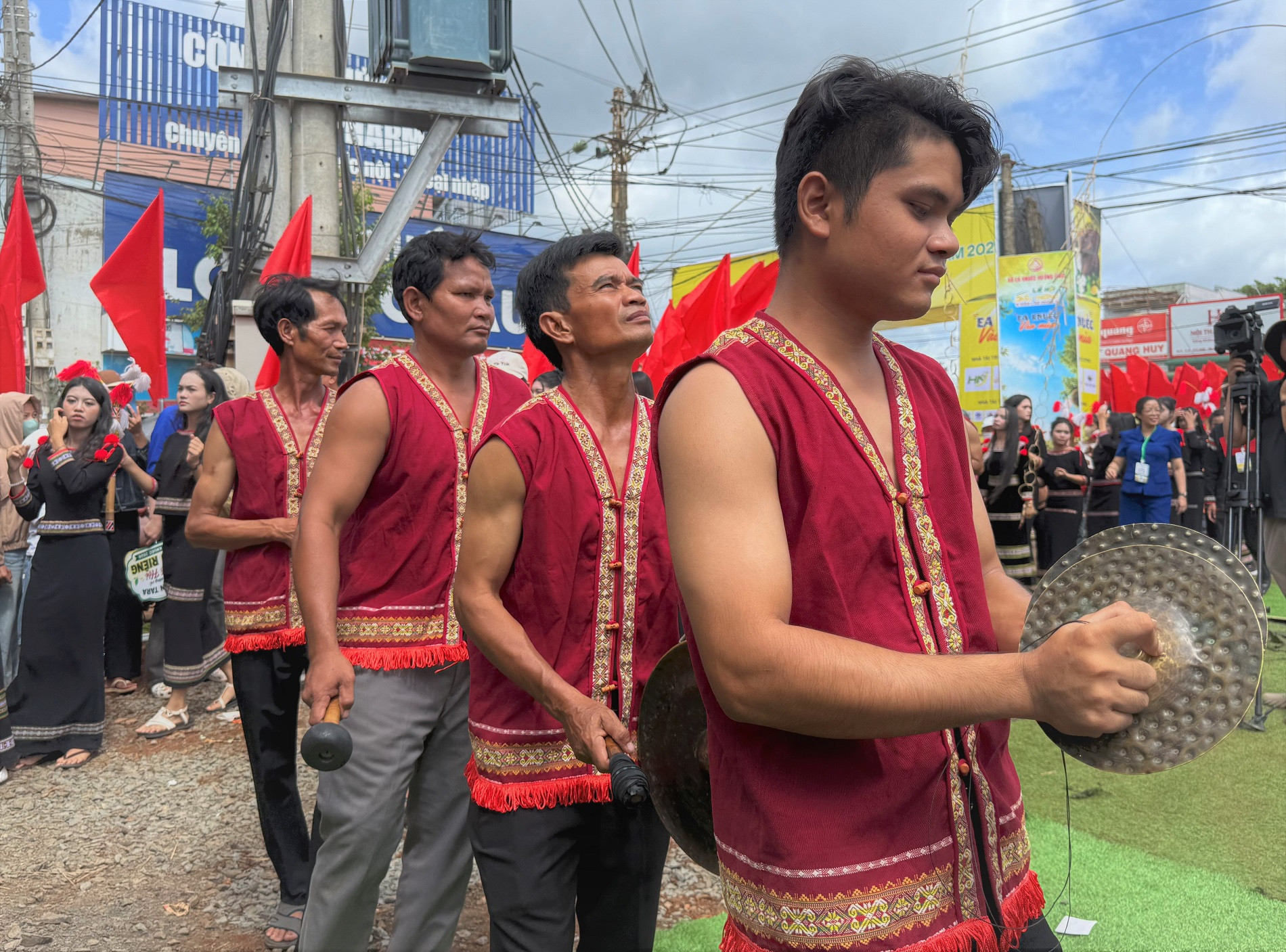
As gongs resonate through the air, shaman Y Blieh Ayun performs prayers to Yang on behalf of the villagers, asking for favorable rain and winds, flourishing fields, abundant fruit and good health for everyone.
A ritual that brings the Ede community together
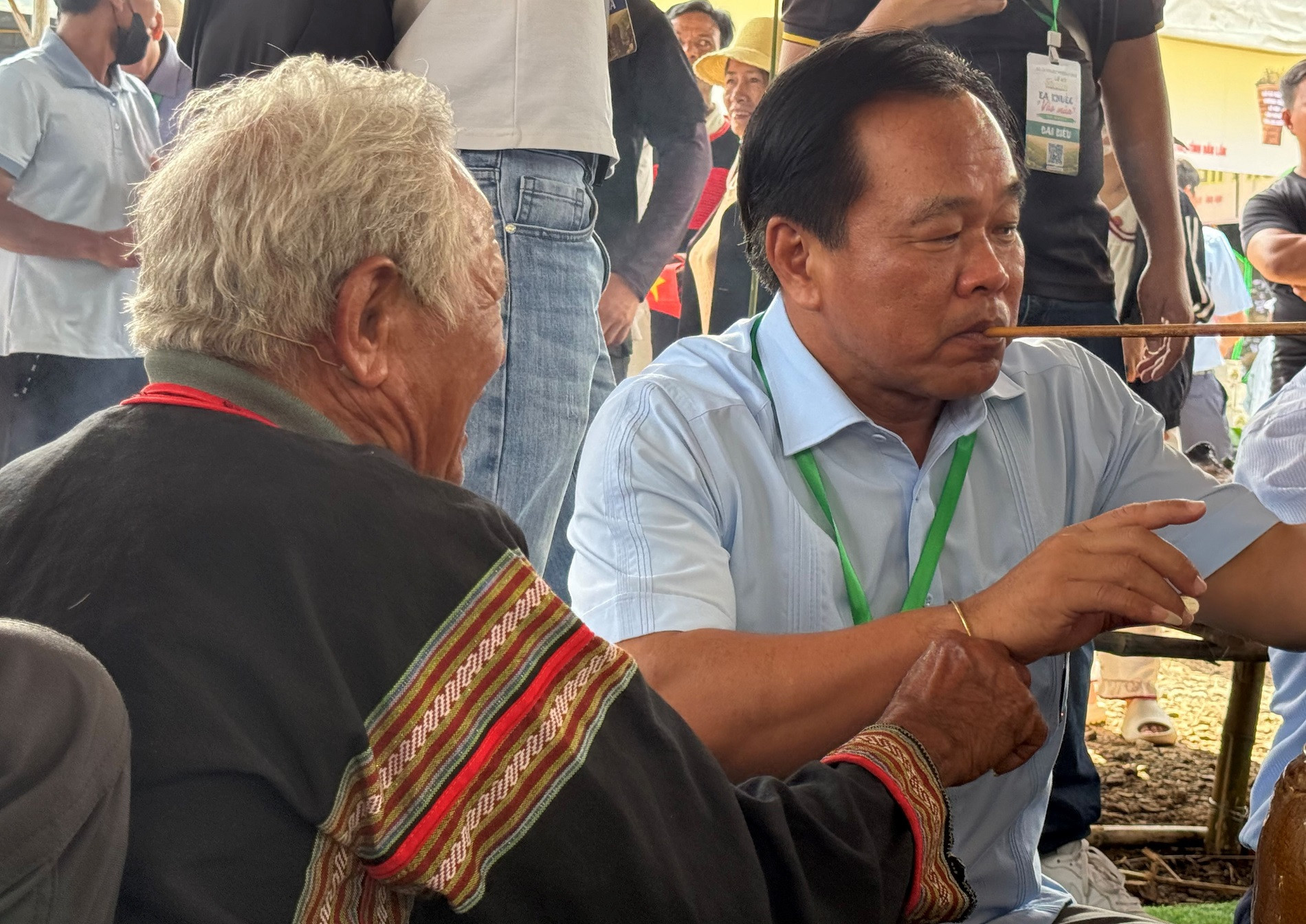
After the prayers for a good harvest comes a bracelet ceremony for health and well-being. The shaman places bronze bracelets on the wrists of guests and villagers while offering prayers for good health, peace, family harmony, successful livelihoods and a tranquil life.
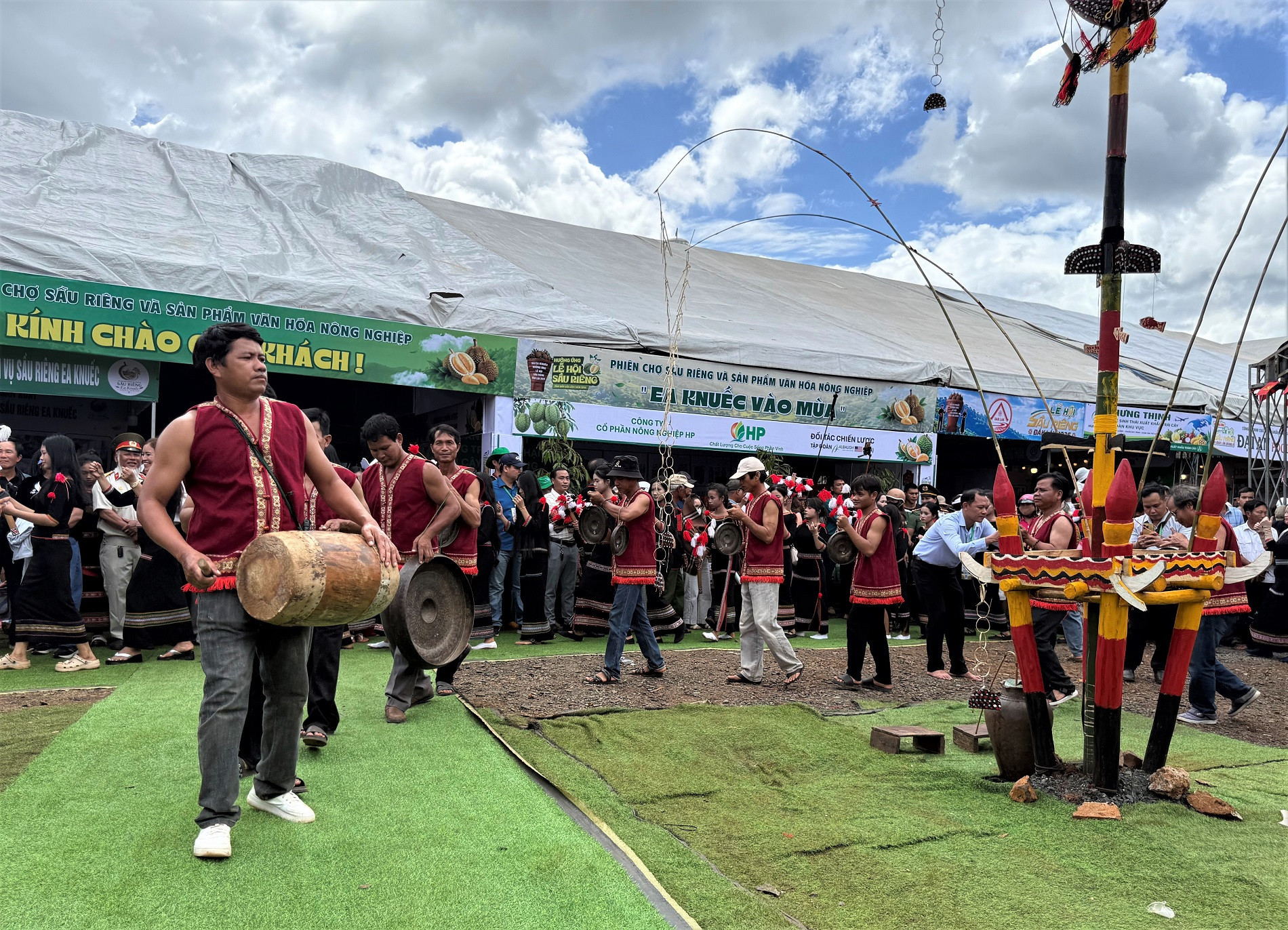
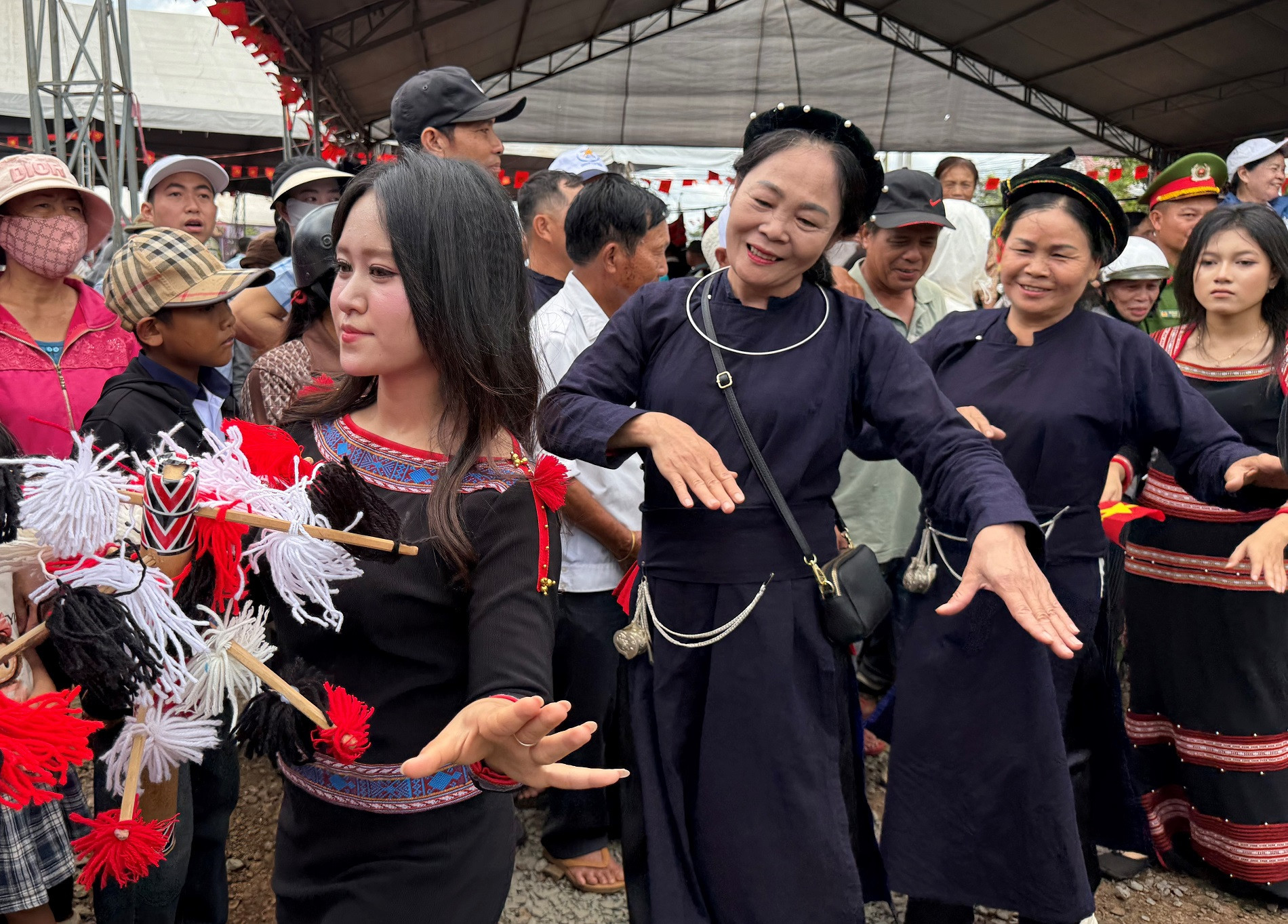
Once the bracelet ceremony concludes, villagers gather around jars of ruou can. The atmosphere becomes increasingly festive as young women from the village join hands and move gracefully into a traditional xoang dance circle to the rhythm of gongs. The sound serves as a spiritual link between people and the divine, embodying cultural values passed down through generations.
Y Nem Krieng, a village elder and respected community figure in Brieng Village, Ea Knuec Commune, said the prosperity ritual carries many layers of meaning. Beyond praying for villagers to enjoy a prosperous and happy life with good health, the ceremony also embodies the solidarity and close bonds among Ede people within the community.
Performing the ritual is also a way for younger generations to better understand the customs of their ancestors. Through stories of crops and harvests, elders remind their children and grandchildren to cherish the land, protect forests and preserve natural resources.
The ceremony is particularly meaningful because it takes place during the durian harvest. Villagers pray not only for granaries filled with rice and fields rich with grain, but also for orchards heavy with fruit.
“Beyond praying for granaries full of rice, the prosperity ritual also asks for thriving fruit trees, a bountiful durian harvest and good prices. We hope the people’s hard work will bring seasons of sweet fruit, so every family can prosper and our village can grow ever more beautiful and thriving,” Y Nem said.
From the symbolic granary erected in the fields, prayers for abundant harvests become a reminder of how the Ede preserve solidarity within their community. These enduring cultural values continue to sustain the vitality of village life.
Le Huong
.svg)
