 Vietnamnet.vn

 Podcast



In 1946, from the first steps to assert economic sovereignty through the issuance of an independent currency to the period 1985 - 2003 and up to the present day, the images on Vietnamese banknotes have undergone many fascinating changes.
VietNamNet was invited to tour an exhibition of Vietnamese banknotes from 1946 to the present at Q&T Polymer High Technology Co., Ltd. - the supplier of substrate paper for the National Money Printing Factory - and now shares the story with readers.
Financial currency 1946 - 1949 and the birth of “Giay bac Cu Ho” (Uncle Ho banknotes)
After the August Revolution in 1945, the Government of the Democratic Republic of Vietnam faced a situation in which multiple currencies circulated simultaneously, including French Indochinese piastres, Japanese-issued notes and Chinese Nationalist currency. This posed the risk that the nation’s financial and monetary system could be controlled from outside. In that context, issuing an independent Vietnamese currency became an urgent task to affirm national sovereignty, stabilize the economy and serve the resistance war.
The period 1946 - 1949 marked a special chapter in Vietnam’s monetary history, when the young government took its first steps in asserting economic independence by issuing its own currency alongside the resistance against French colonial forces.
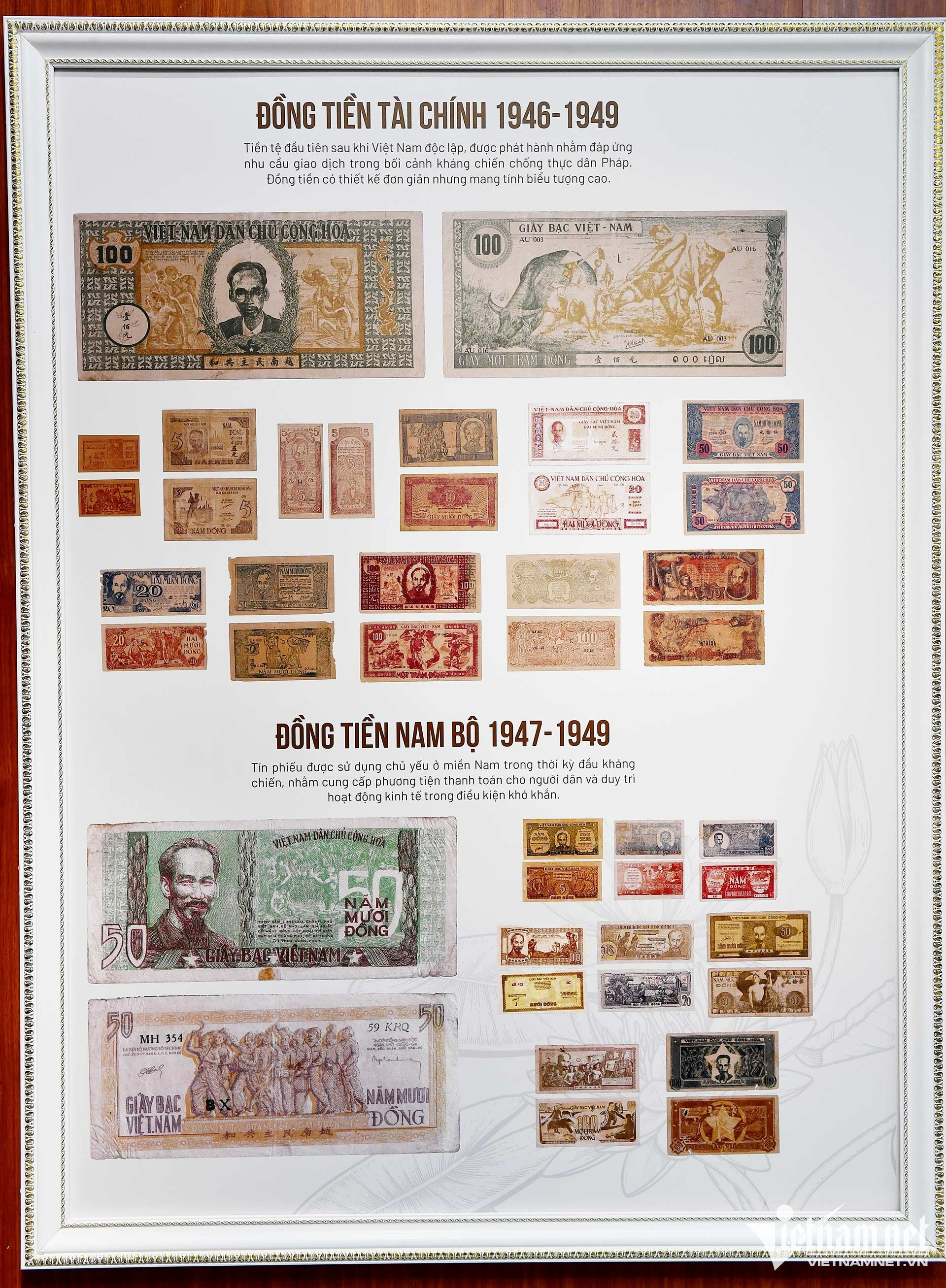
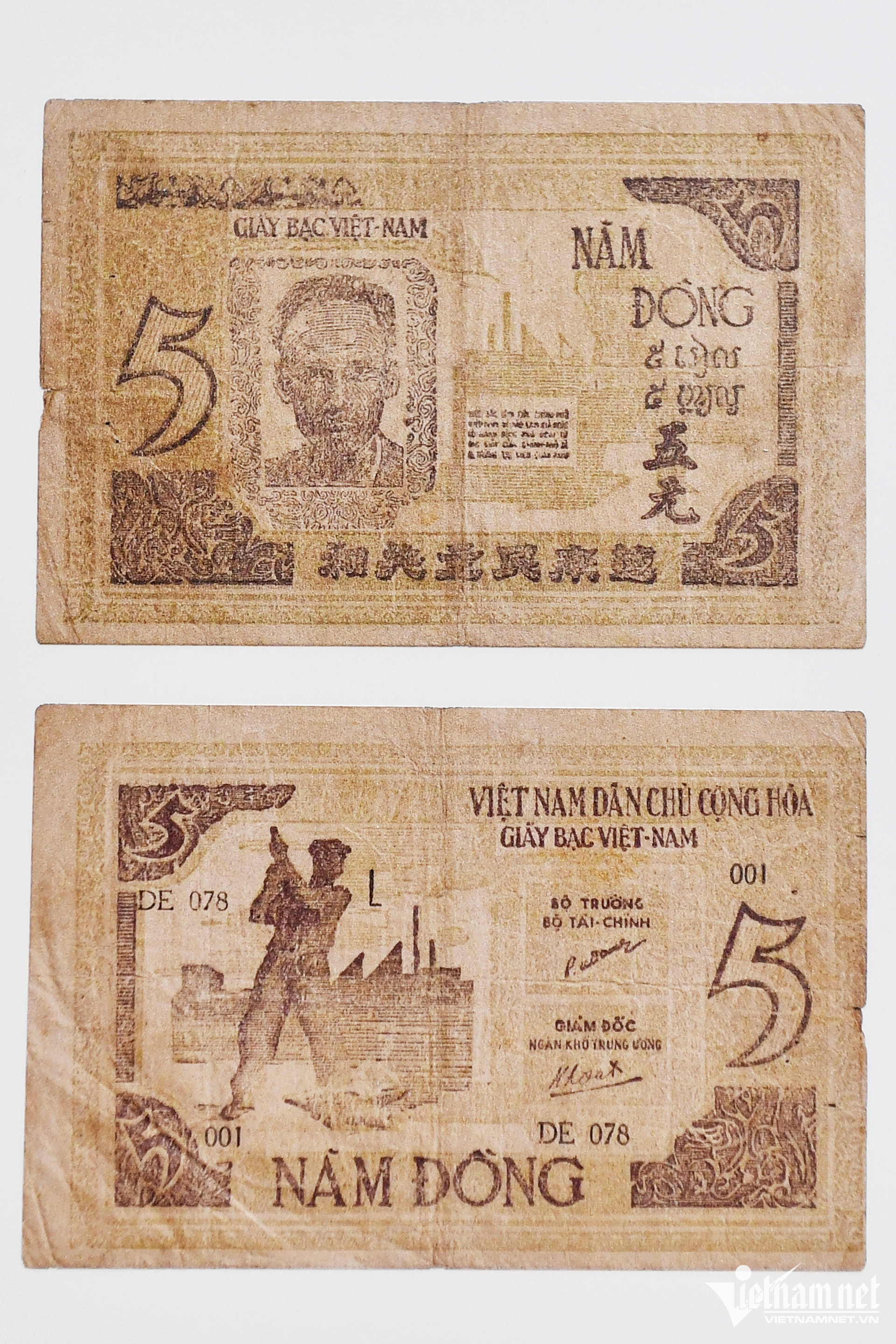
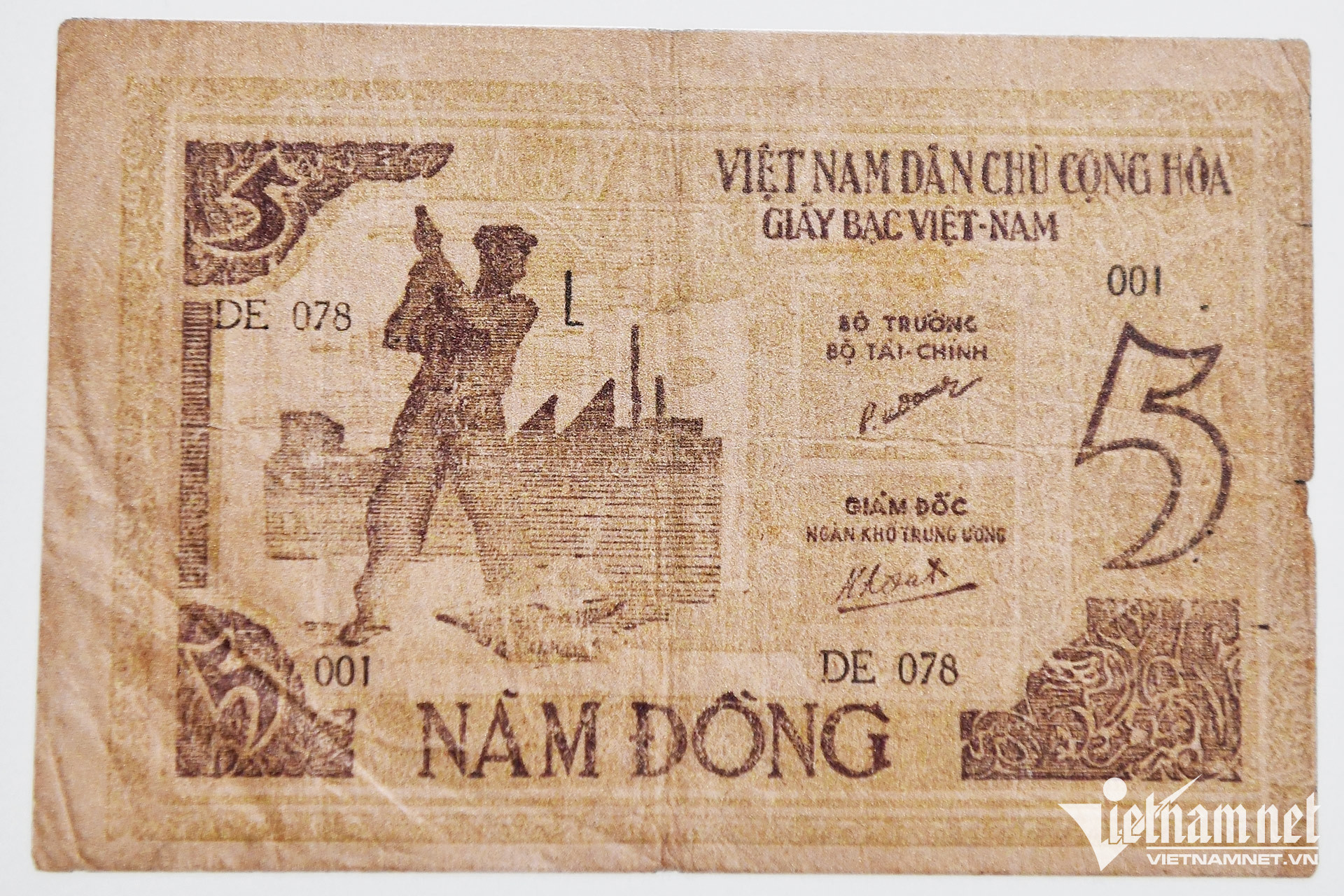
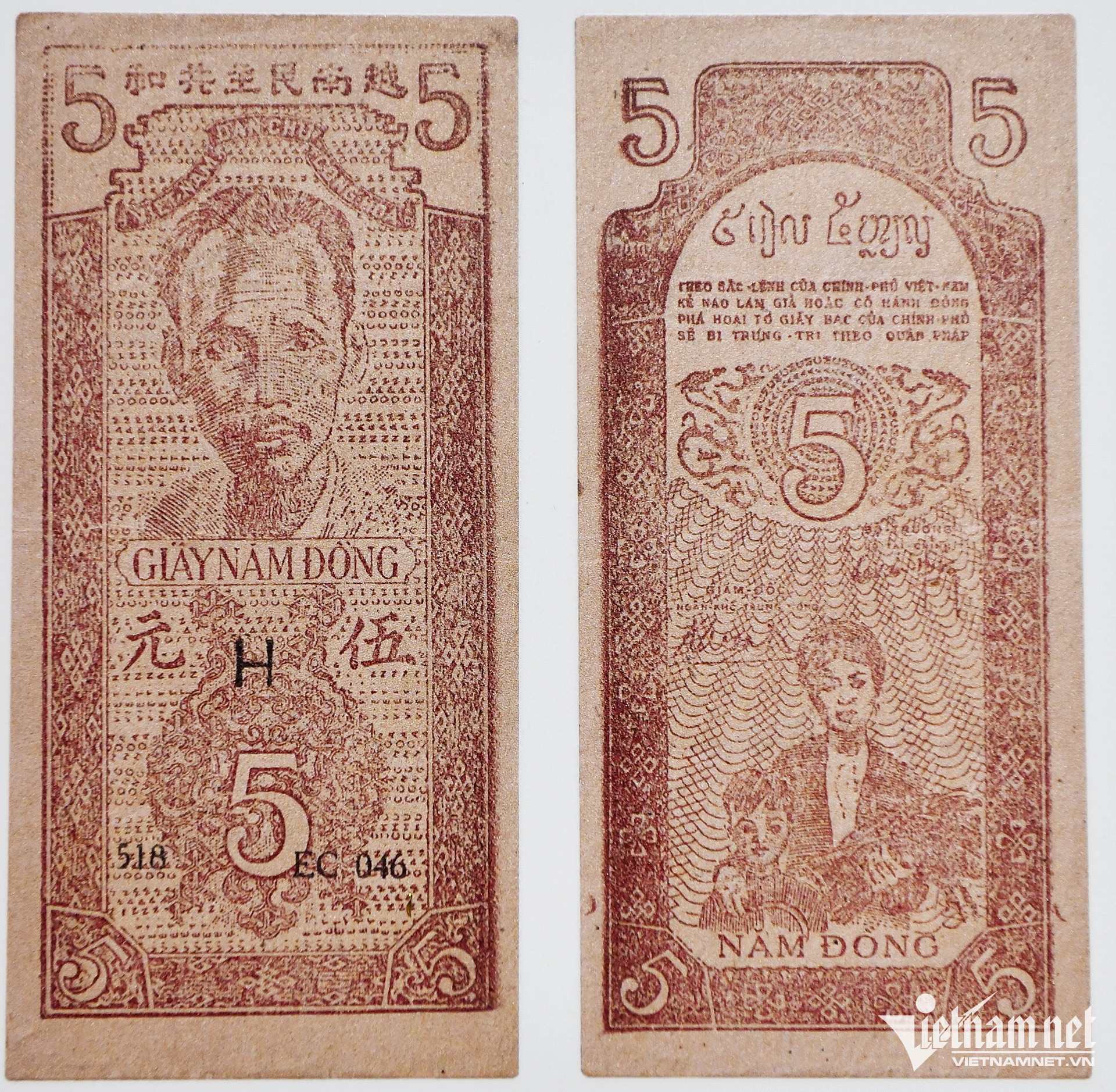
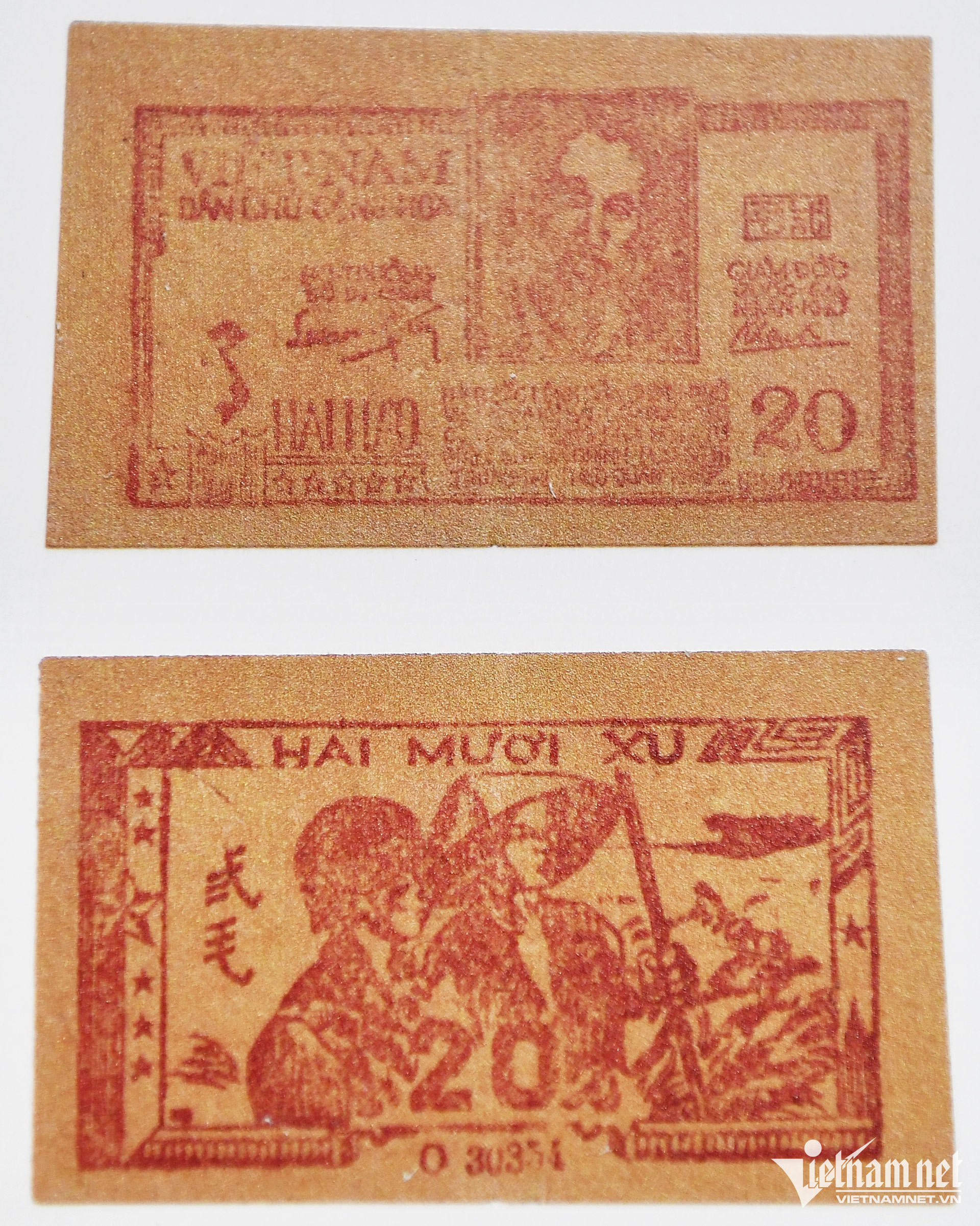
Following the August Revolution, in order to break free from dependence on the Indochina Bank, the Government decided to issue an independent currency. On January 31, 1946, President Ho Chi Minh signed a decree authorizing the issuance of Vietnamese banknotes. The public soon referred to them as “Giay bac Cu Ho” because the portrait of President Ho Chi Minh appeared on the front of most denominations. The monetary unit was the dong, with 1 dong equal to 10 hao or 100 xu.
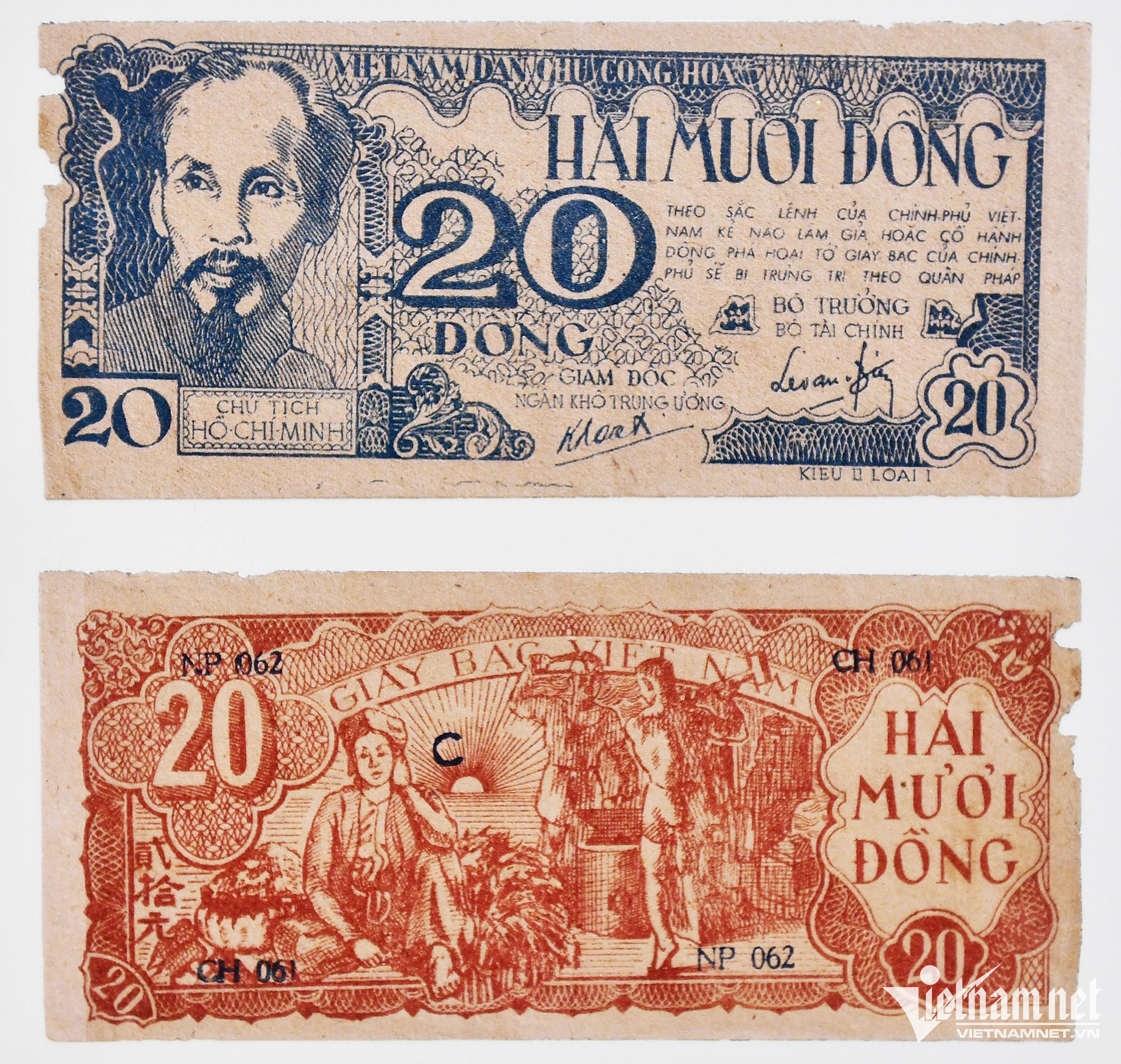
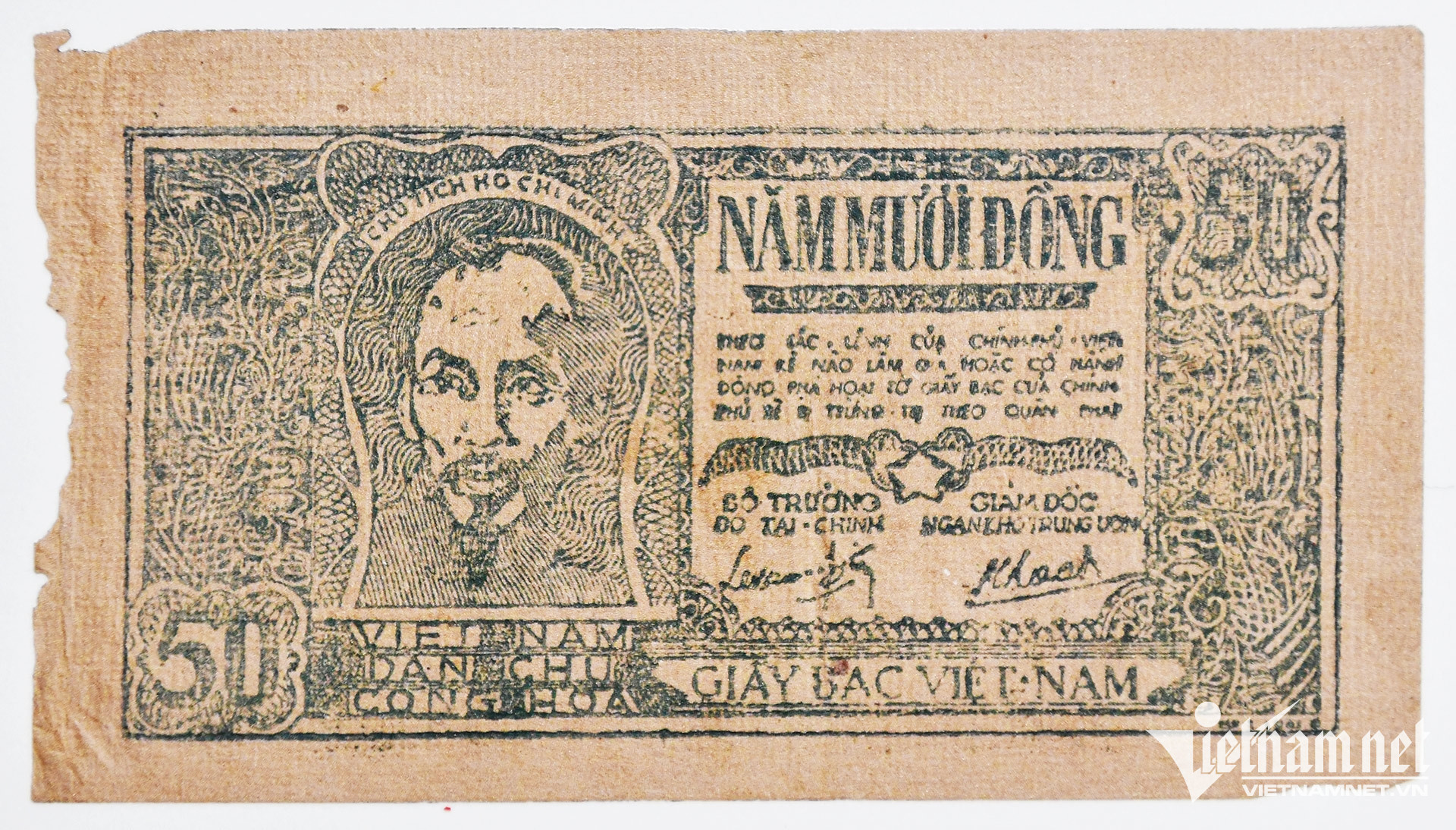
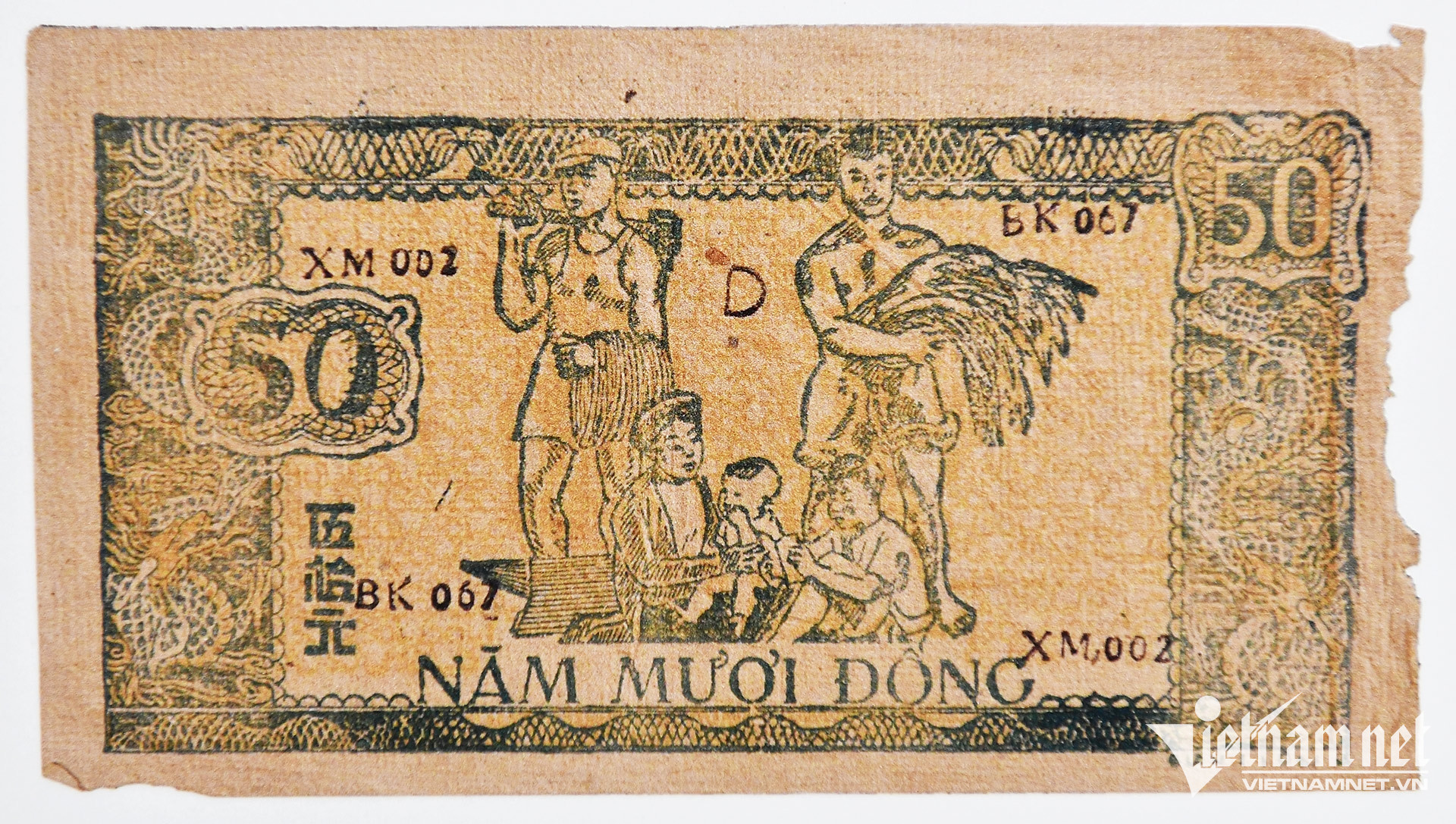
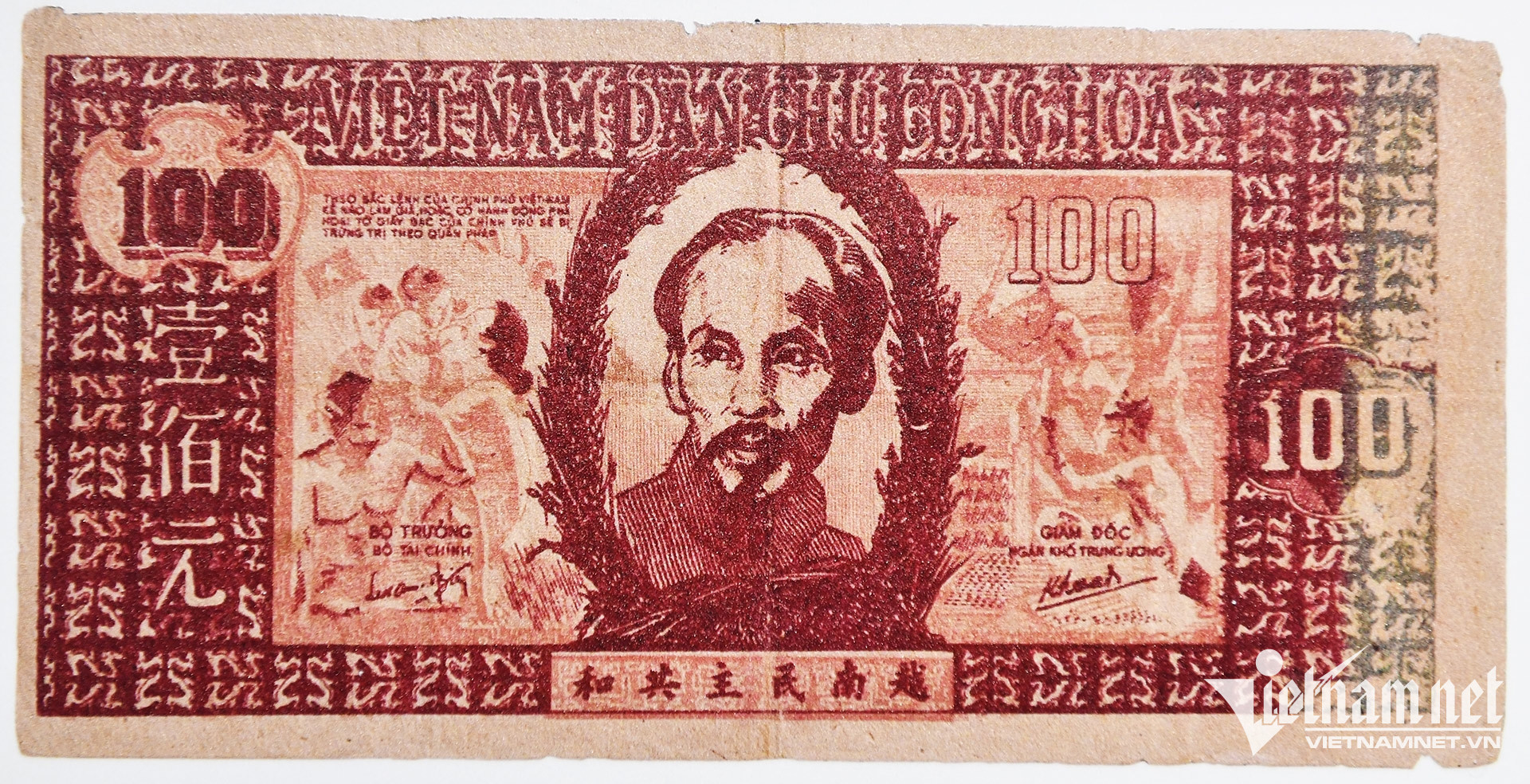
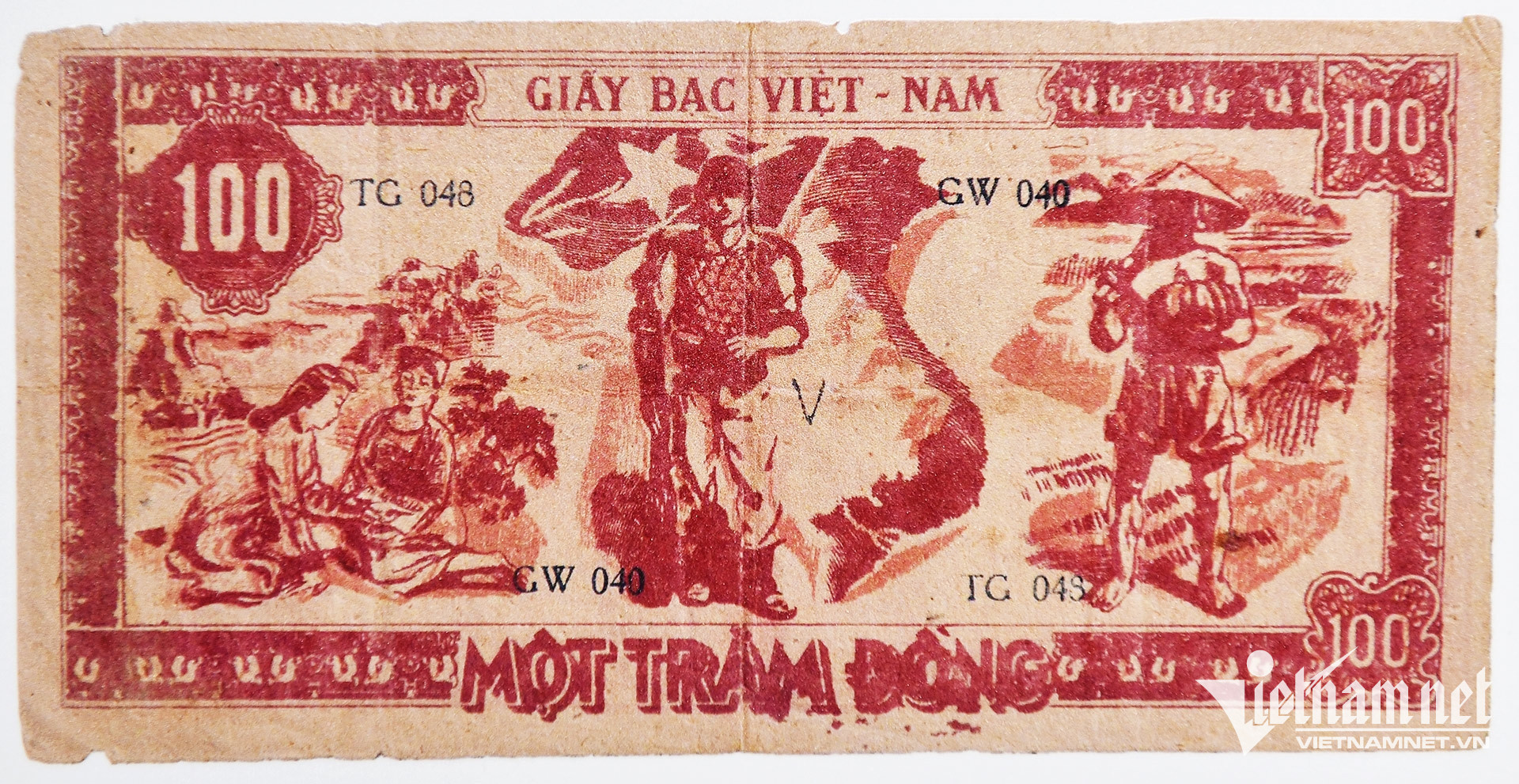
Due to wartime shortages, these notes were mainly printed using typographic or lithographic methods on low-quality paper such as bamboo or traditional handmade paper. Ink was sometimes uneven in color. Denominations were diverse, including 20 xu, 50 xu, 1 dong, 5 dong, 20 dong, 50 dong and 100 dong.
On the front, the portrait of President Ho Chi Minh was the dominant feature. The reverse often depicted workers, peasants and soldiers, as well as movements promoting production and literacy campaigns. The national title “Democratic Republic of Vietnam” and the denomination in both numerals and Vietnamese words were always present.
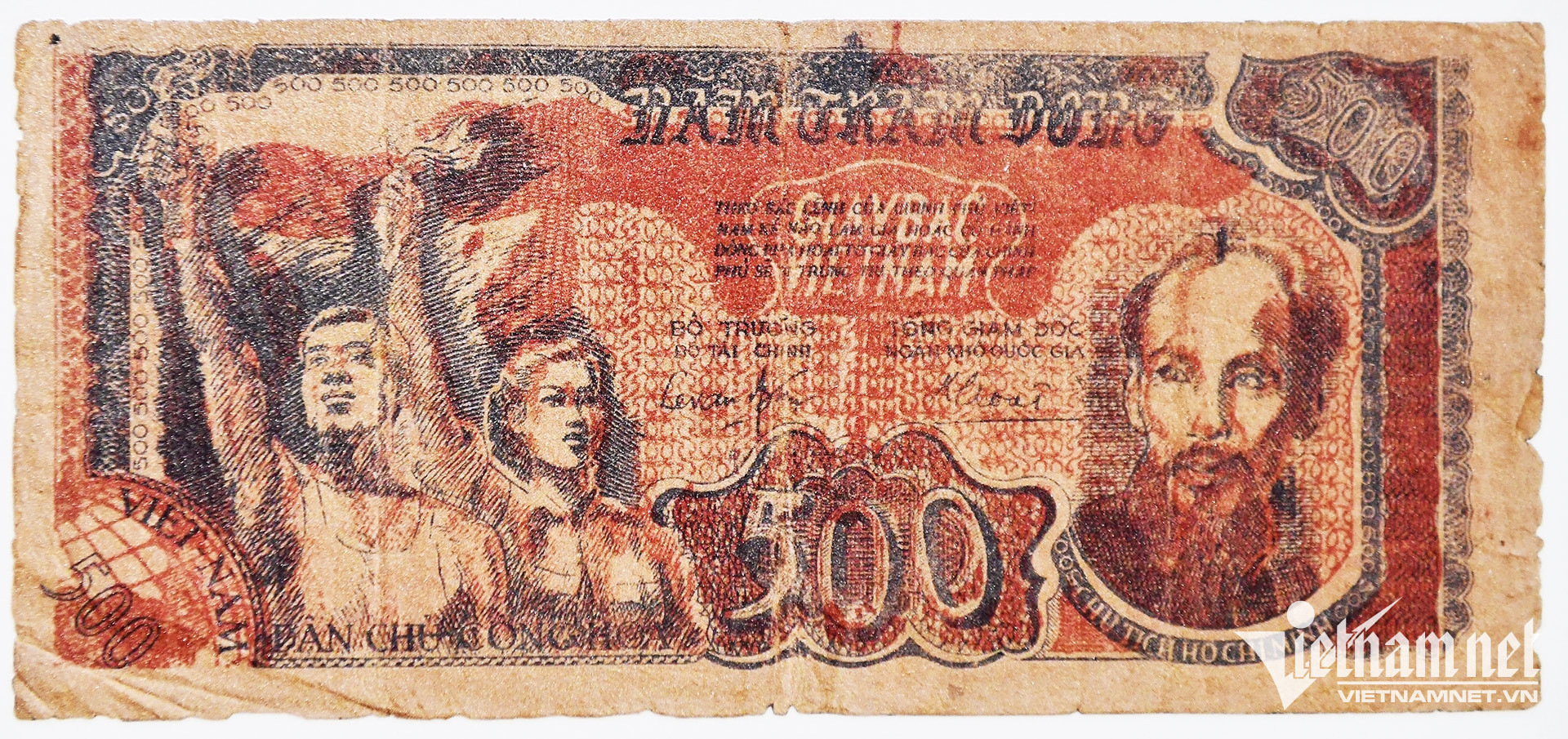
Because printing took place in evacuation conditions at facilities hidden in forested areas, particularly in Viet Bac such as Chiem Hoa in Tuyen Quang, notes of the same denomination could vary in color, paper quality and finishing. This diversity has since become a distinctive hallmark, making resistance-era notes especially prized by collectors.
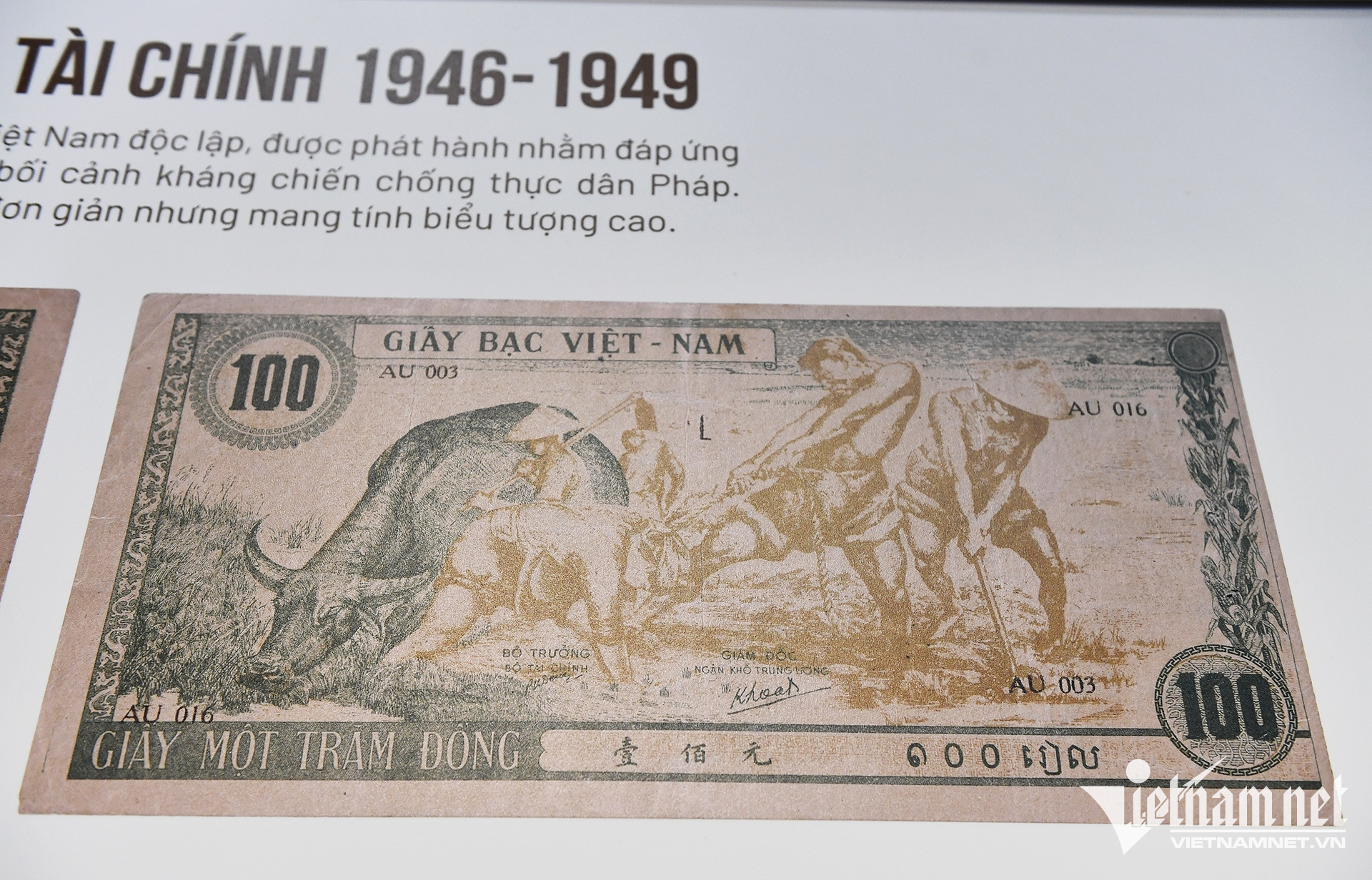
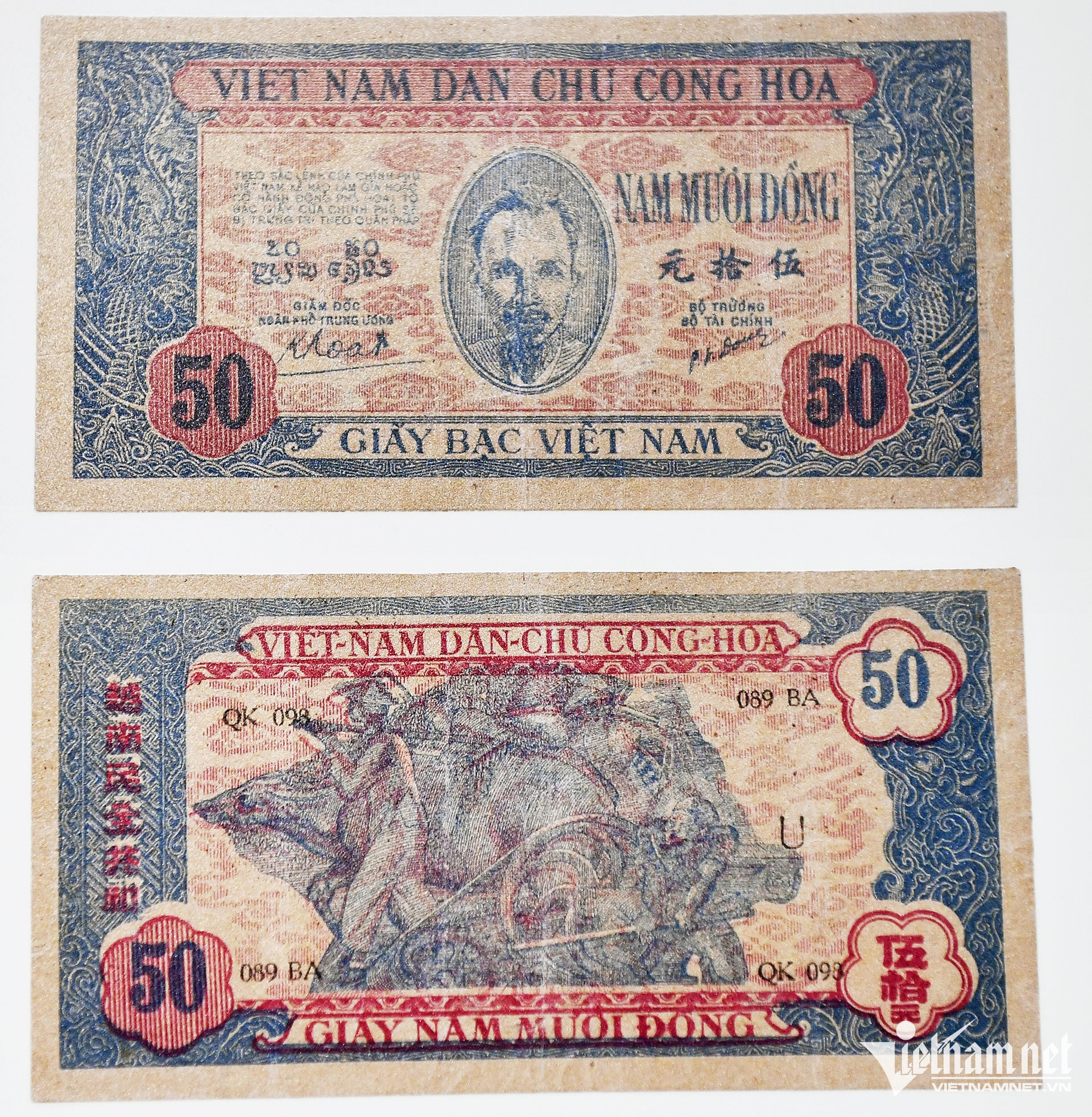
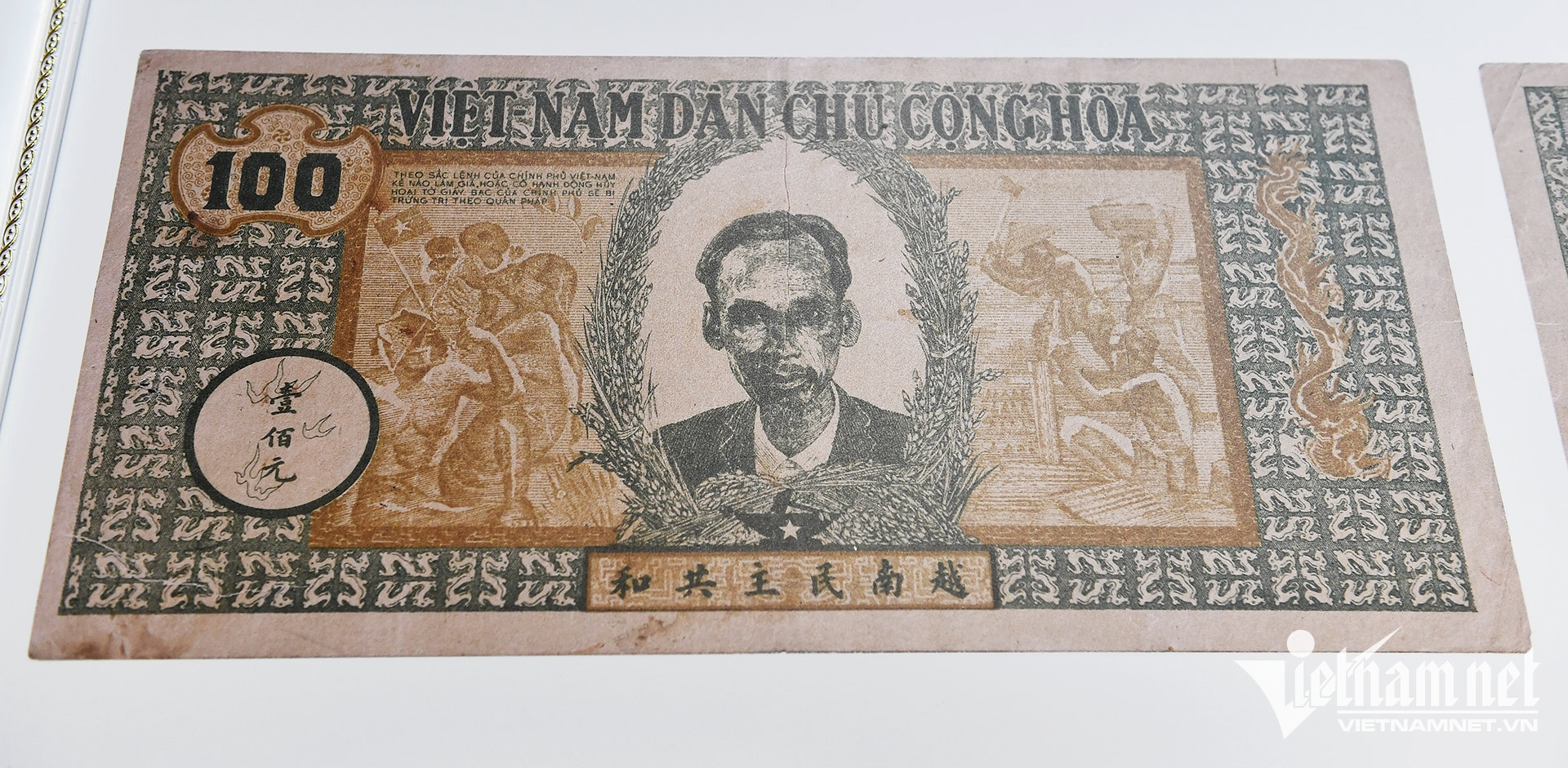
After two to three years of trial and improvement, and with advances in artistic technique, resistance-era artists such as Mai Van Hien and Nguyen Do Cung gradually enhanced design quality despite severe shortages. They skillfully combined folk decorative art with modern graphic elements. Guilloche patterns framing denominations and intricate border motifs began to appear.
Images became more vivid and detailed than those on the earliest 1946 issues. This not only elevated aesthetic value but also helped combat counterfeiting, as French forces reportedly circulated fake currency in liberated zones to undermine the resistance economy.
These notes are widely regarded as among the most representative and beautiful of the early “Giay bac Cu Ho” period, embodying the determination of Vietnam’s financial system amid wartime hardship.
Southern resistance currency 1947 - 1949 affirms monetary sovereignty
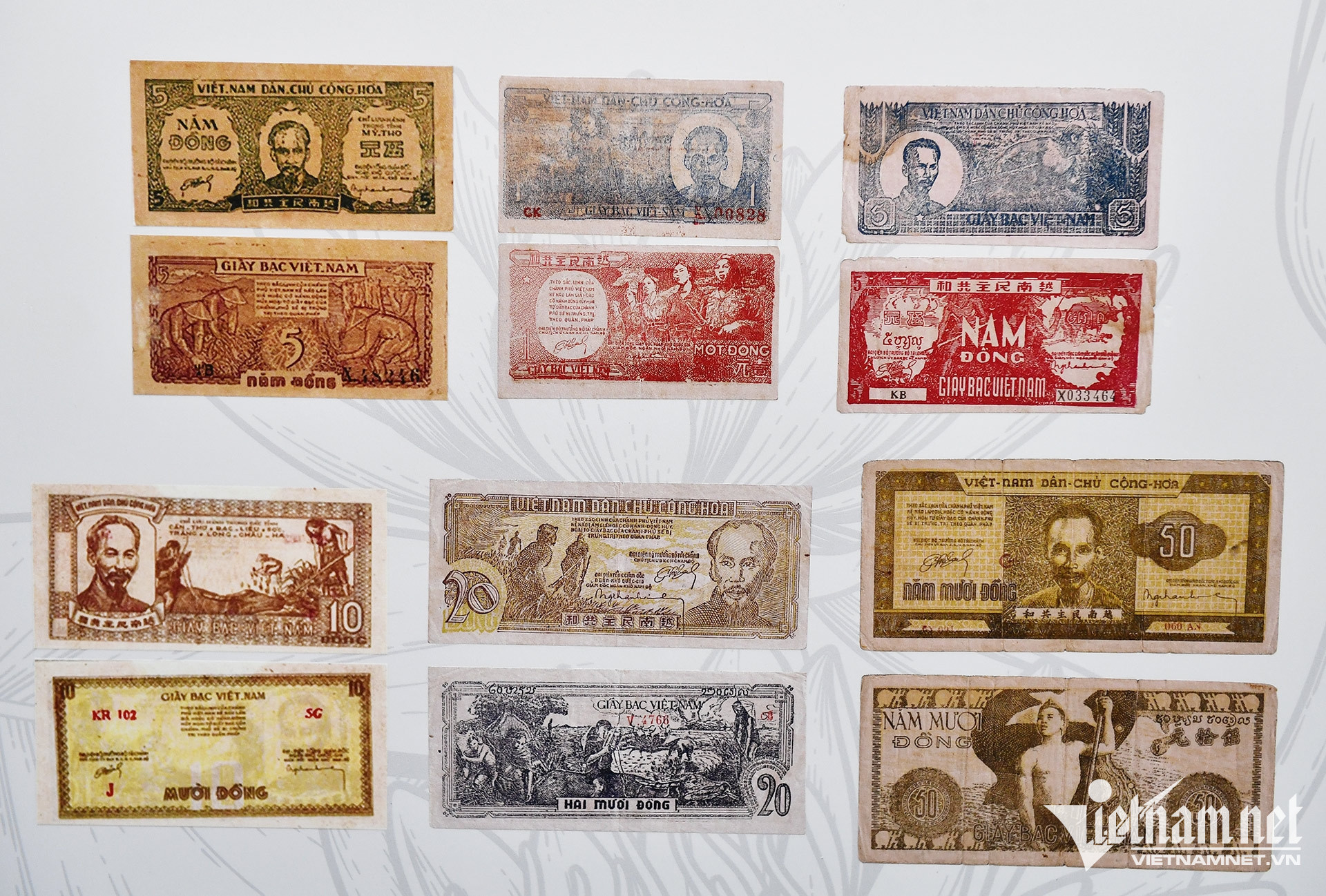
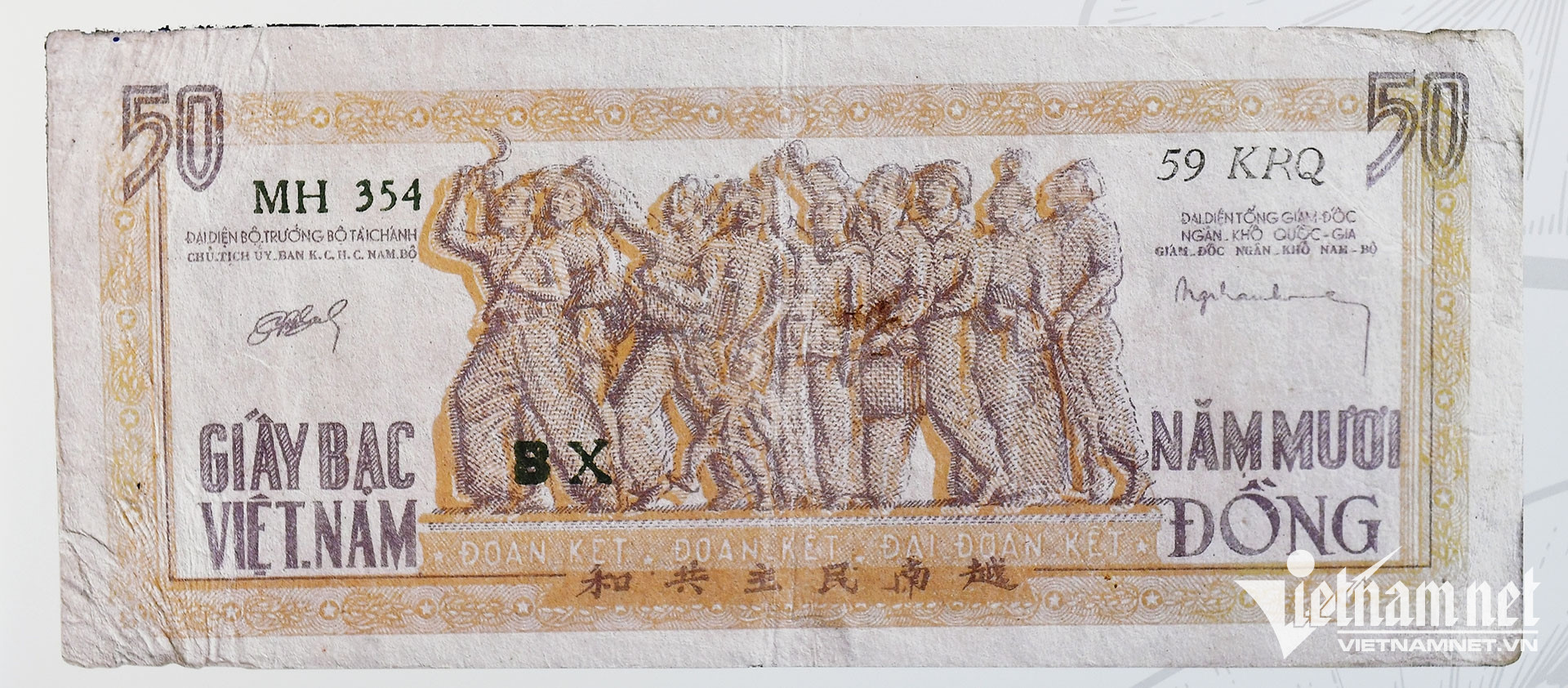
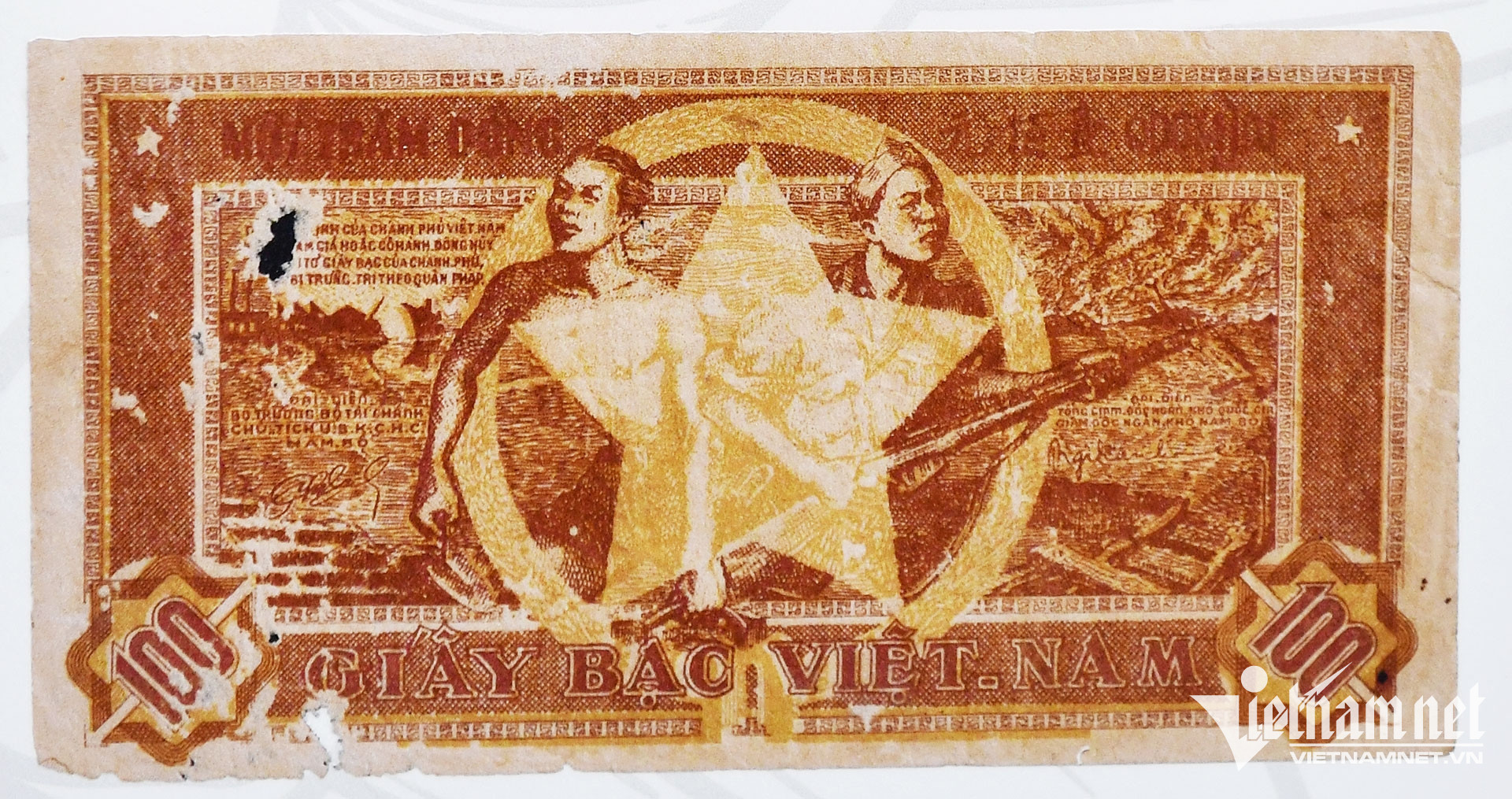
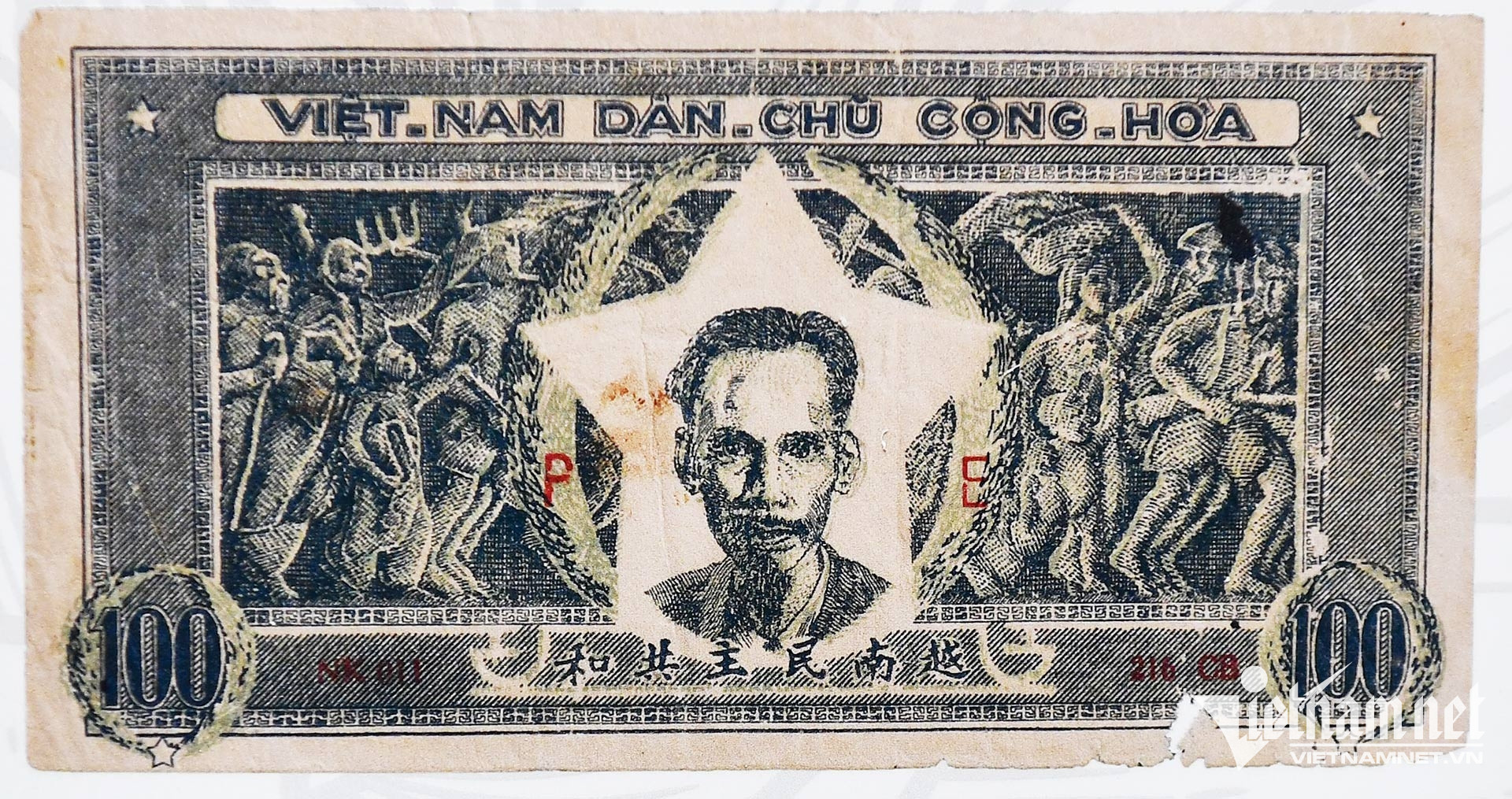
The Southern currency issued between 1947 and 1949, commonly known as “Giay bac Nam Bo”, formed an important part of the resistance monetary system. It emerged under special circumstances when the South was temporarily occupied and cut off from the central government.
On November 1, 1947, President Ho Chi Minh signed Decree No. 102/SL authorizing the Southern Resistance Administrative Committee to print and issue Vietnamese banknotes in the South. The aim was to affirm monetary sovereignty, mobilize financial resources for the resistance and gradually limit the influence of French-issued Indochinese currency in liberated areas.
Due to shortages, Southern notes were printed on handmade or recycled paper produced locally. Paper quality, color and texture varied between print runs, making large-scale counterfeiting virtually impossible. This distinctive feature has become a defining mark of Southern resistance currency.
These notes typically featured images promoting resistance and production, such as soldiers, workers and peasants. They bore the words “Vietnamese Banknote”, the denomination and the national title “Democratic Republic of Vietnam”, along with signatures of representatives of the Ministry of Finance, commonly Minister Le Van Hien, and officials of the Southern Treasury or National Treasury.
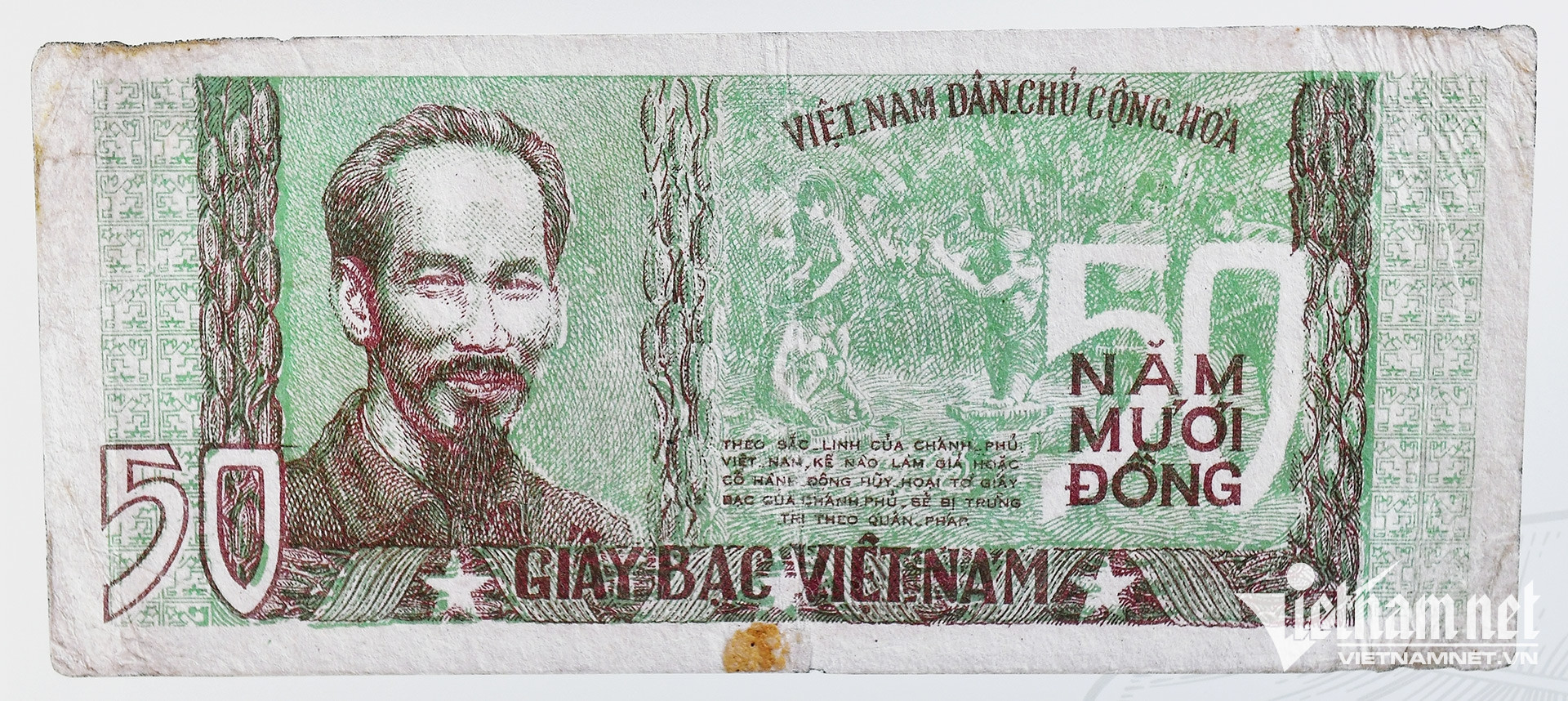
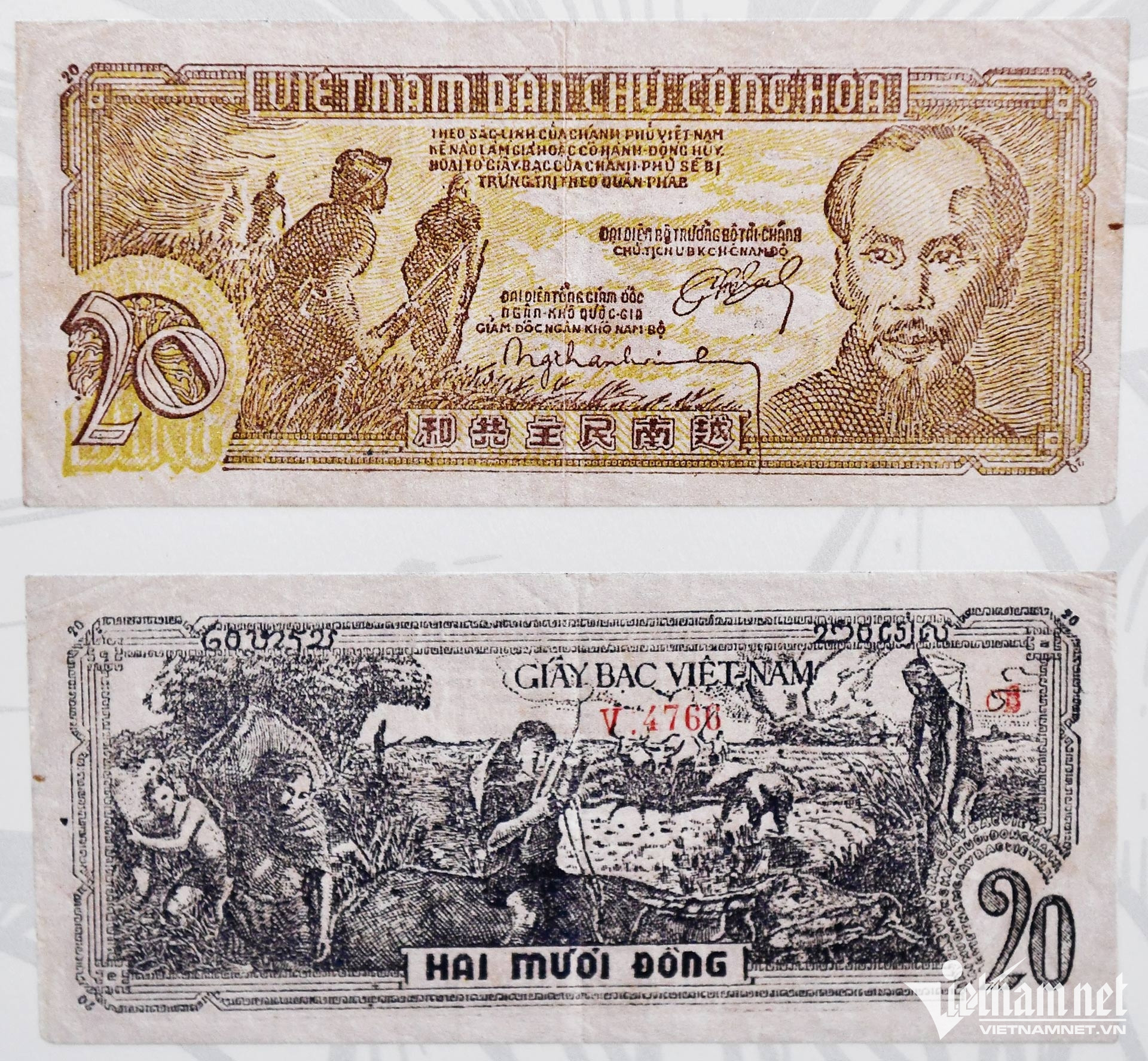
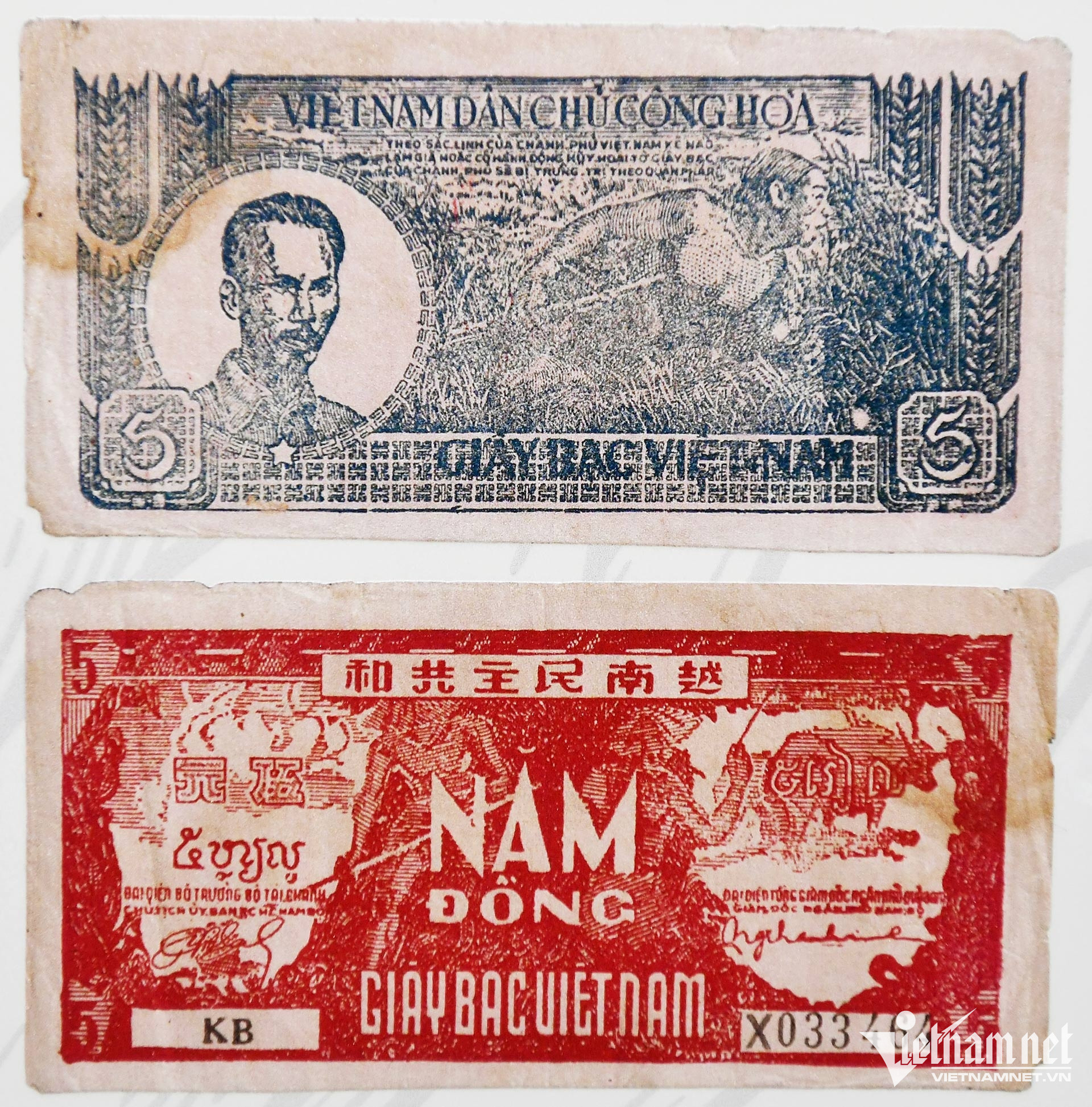
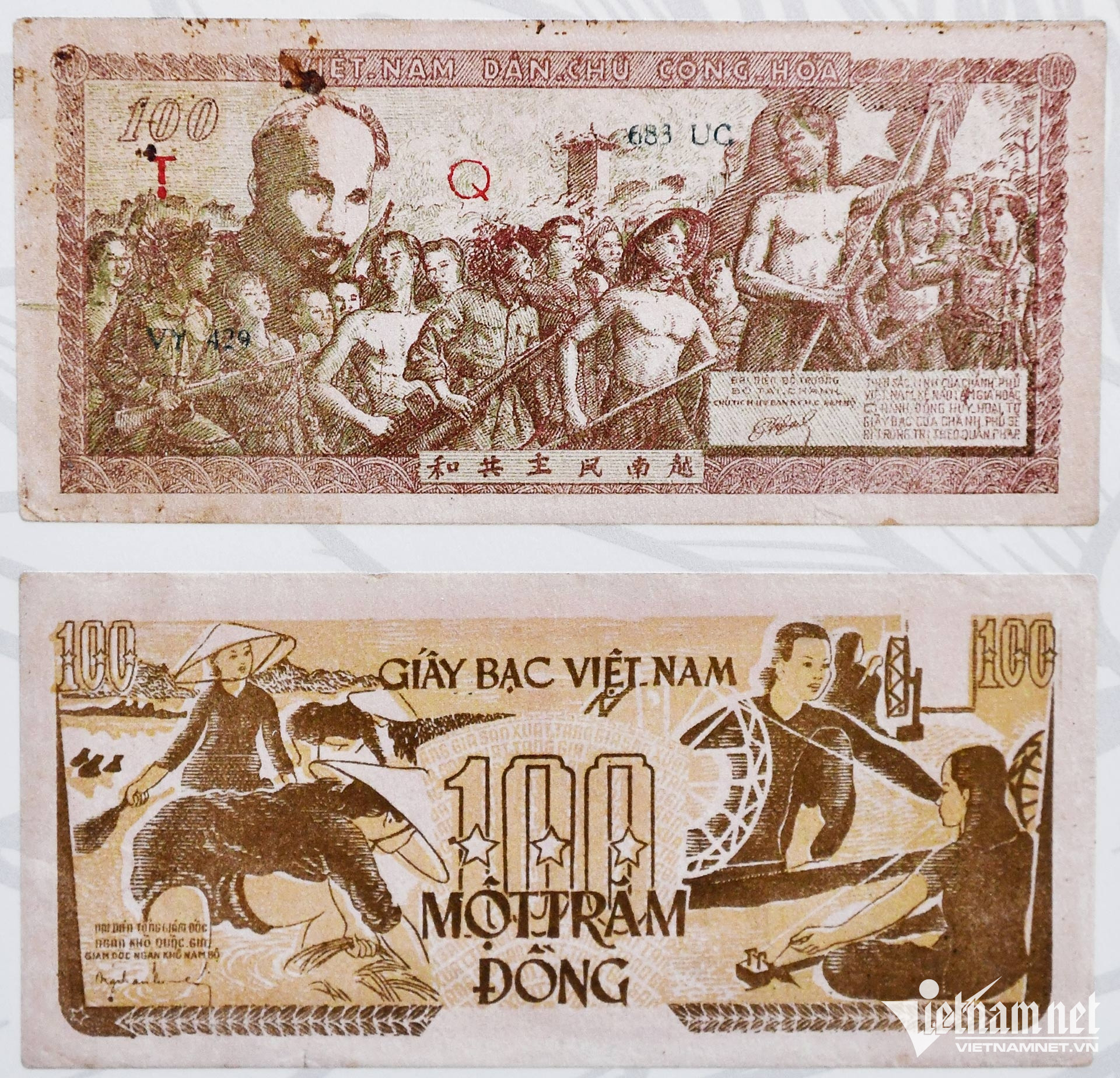
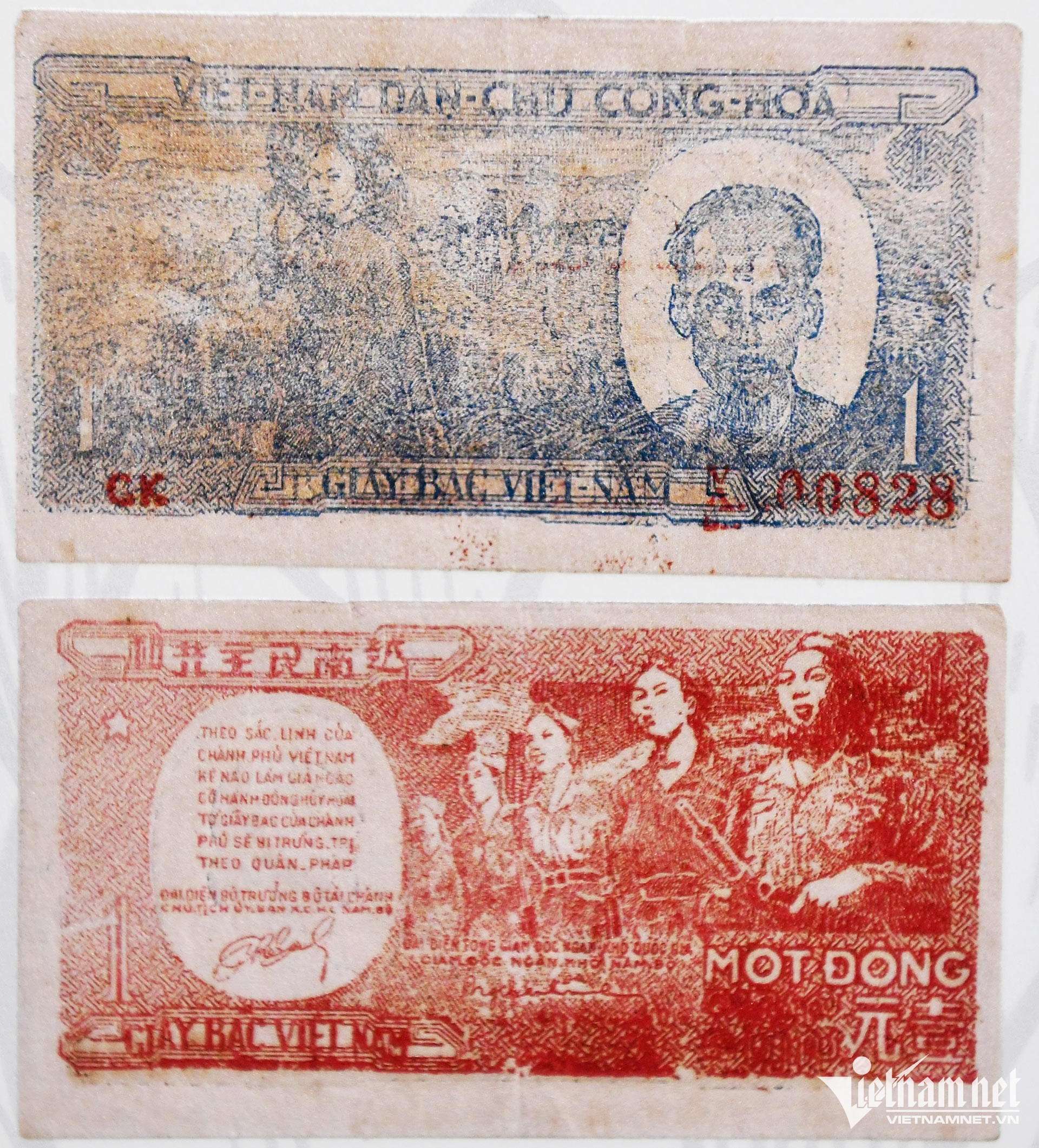
Denominations were diverse to meet wartime circulation needs. Smaller values such as 20 xu and 50 xu appeared around 1948. Medium denominations included 1 dong, 5 dong and 20 dong, while larger notes such as 50 dong and 100 dong were printed in significant quantities from 1948 to 1949.
Collectors often nickname certain issues after their featured imagery, such as the 1 dong “guerrilla”, 5 dong “militia” and 20 dong “soldier” notes. These names reflect the spirit of resistance and the role of different forces in the struggle for national liberation.
Beyond serving as a means of payment, Southern resistance currency symbolized patriotism and faith in the revolutionary government. Even in occupied areas, many people sought to use and preserve these notes as a gesture of support.
In 1951, after the establishment of the National Bank of Vietnam, the resistance financial notes, including Southern issues, were gradually replaced by a more unified and complete monetary system.
1951 - 1959: a historic financial and monetary turning point
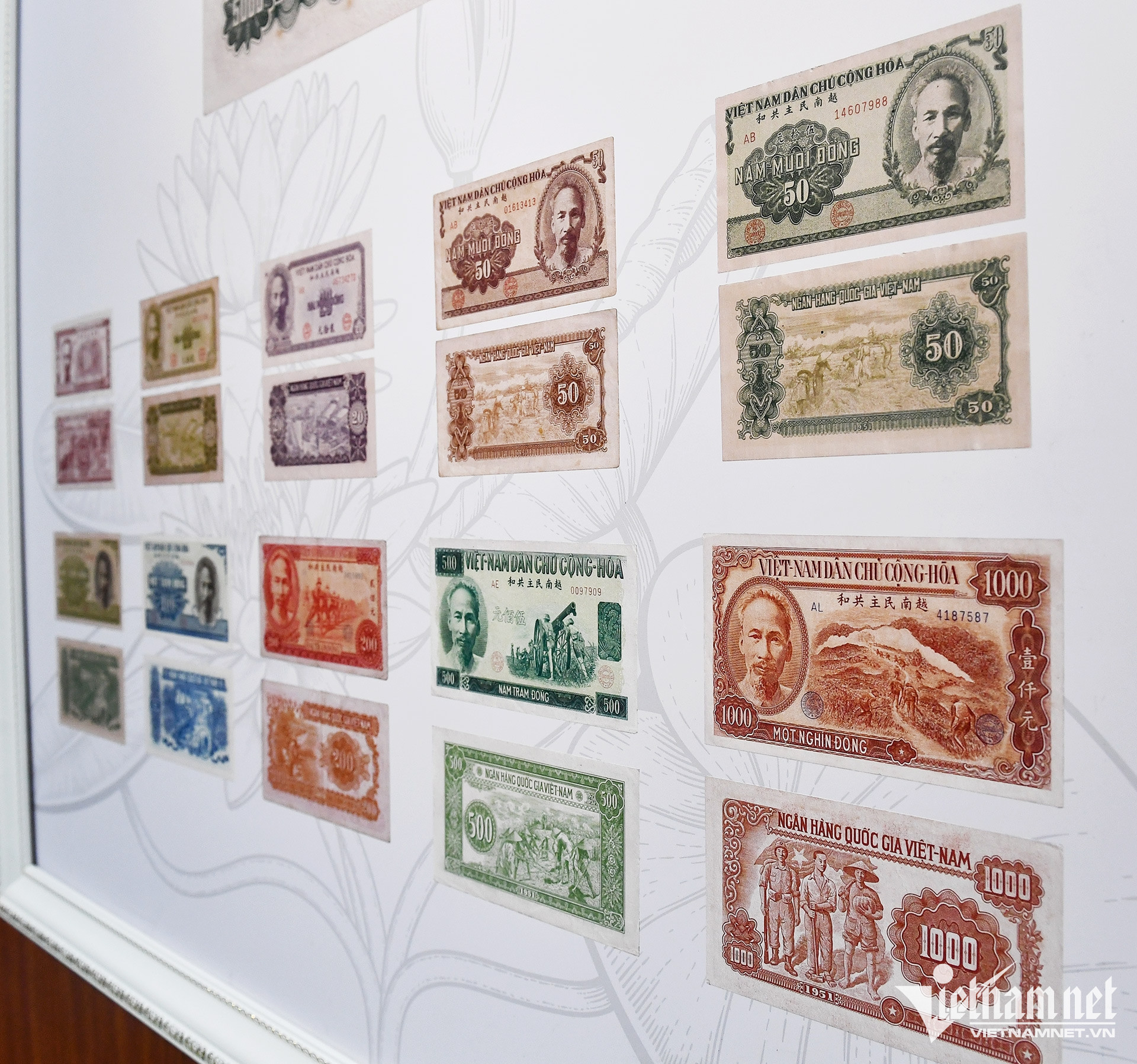
The period 1951 - 1959 marked a major turning point, as the “Financial Notes” system was gradually replaced by “Bank Notes” following the founding of the National Bank of Vietnam in 1951.
From then on, the authority to issue currency was centralized under the Bank, helping standardize and stabilize the monetary system in areas managed by the Democratic Republic of Vietnam and reducing fragmented local issuance.
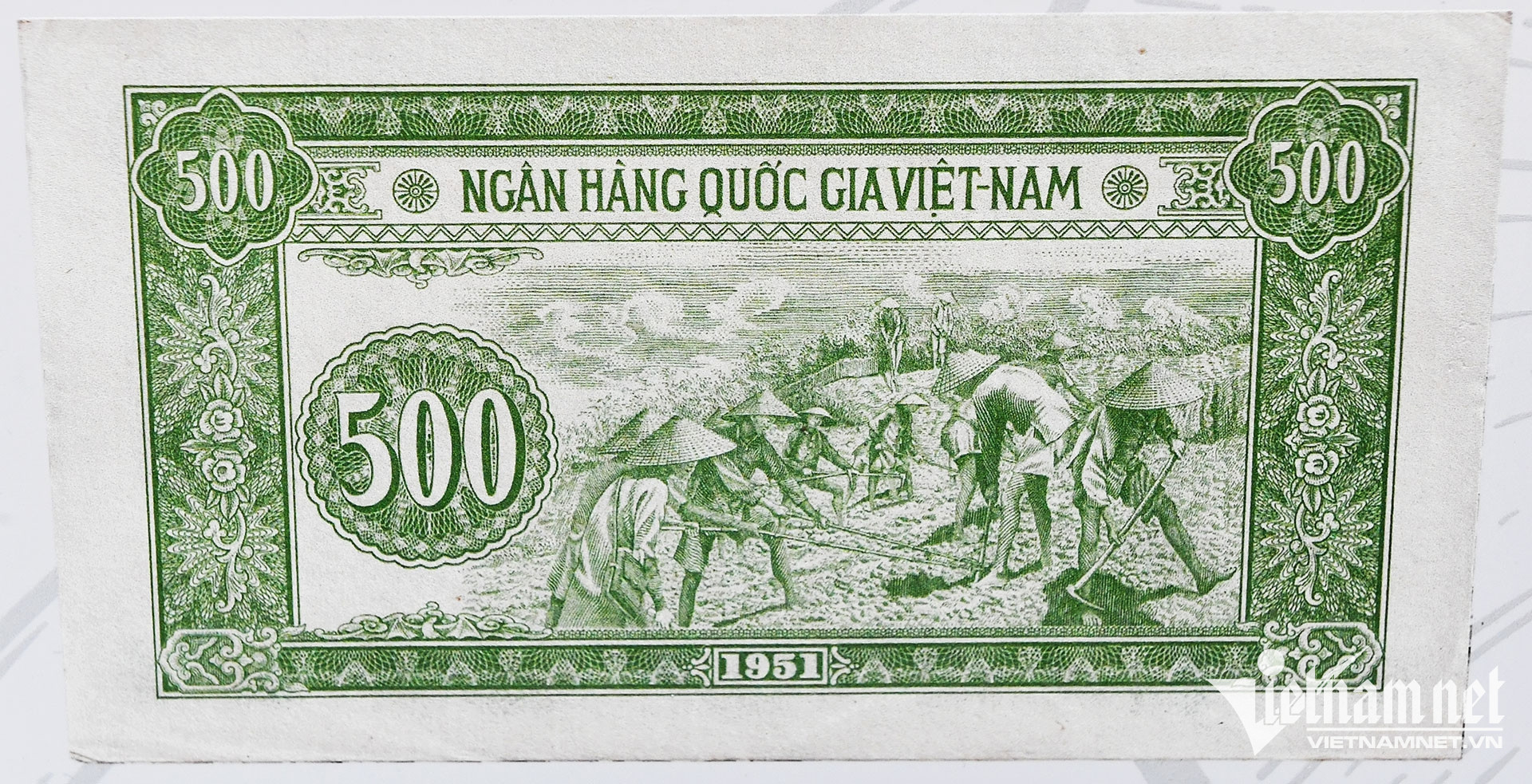
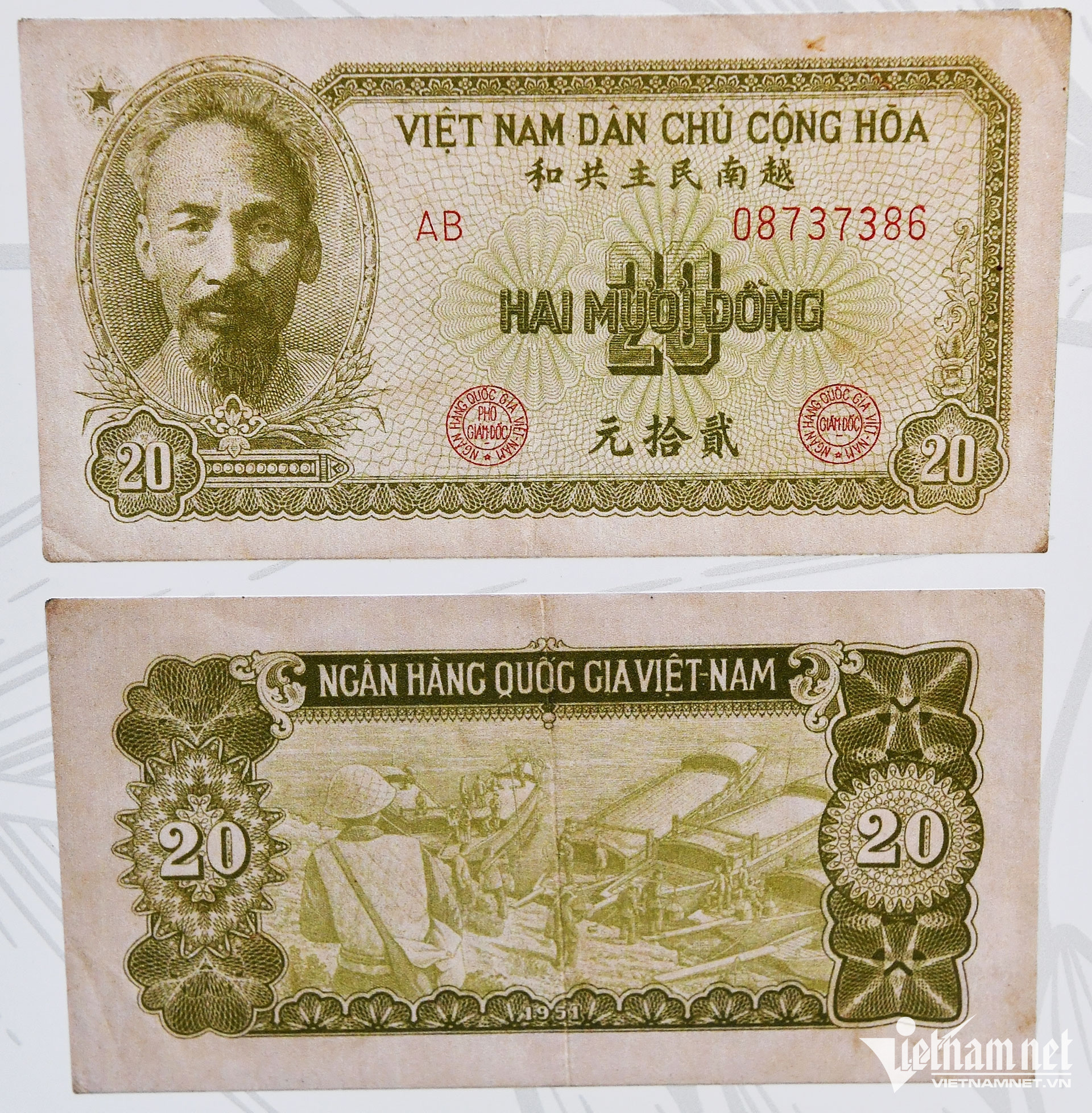
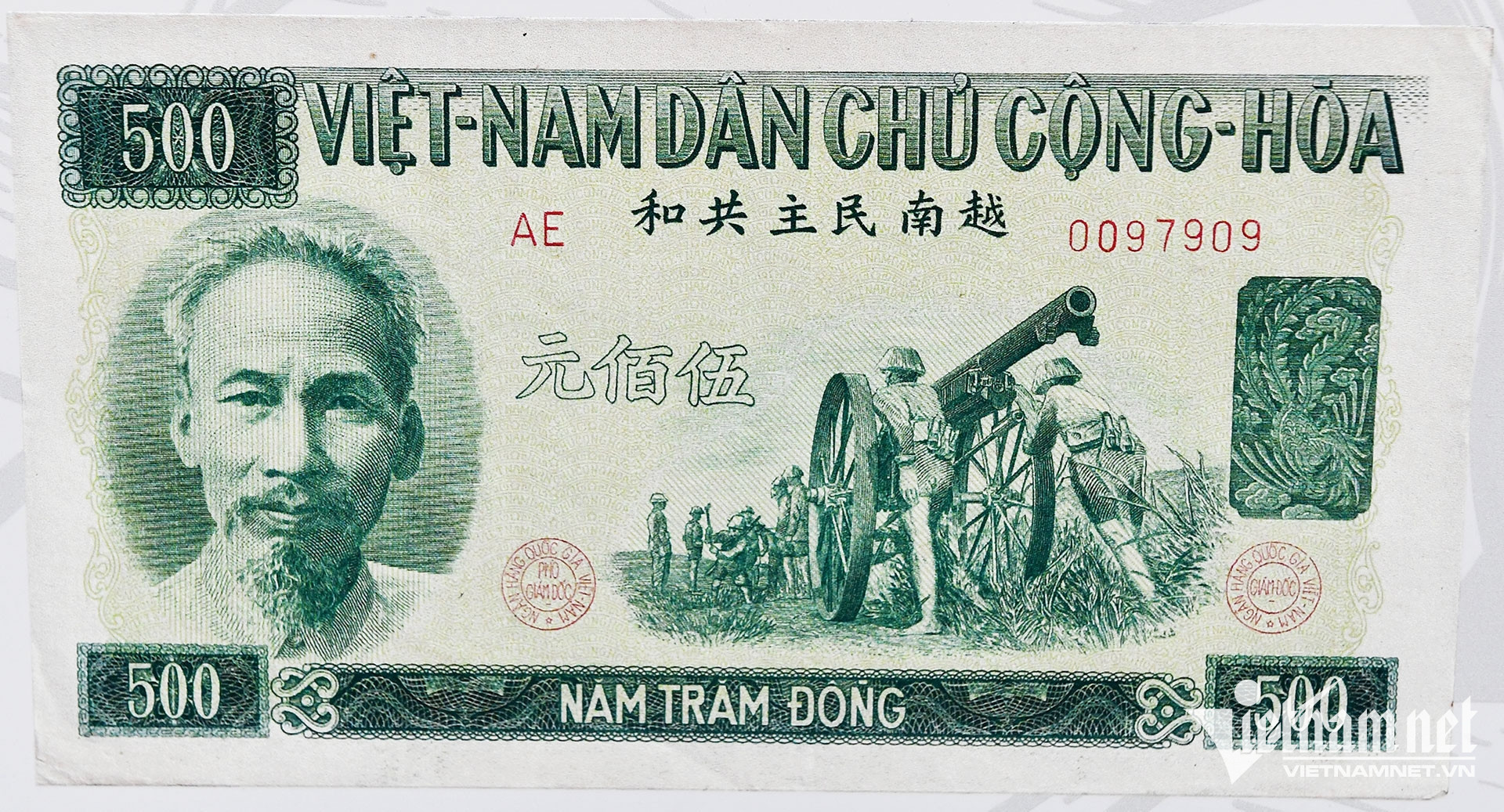
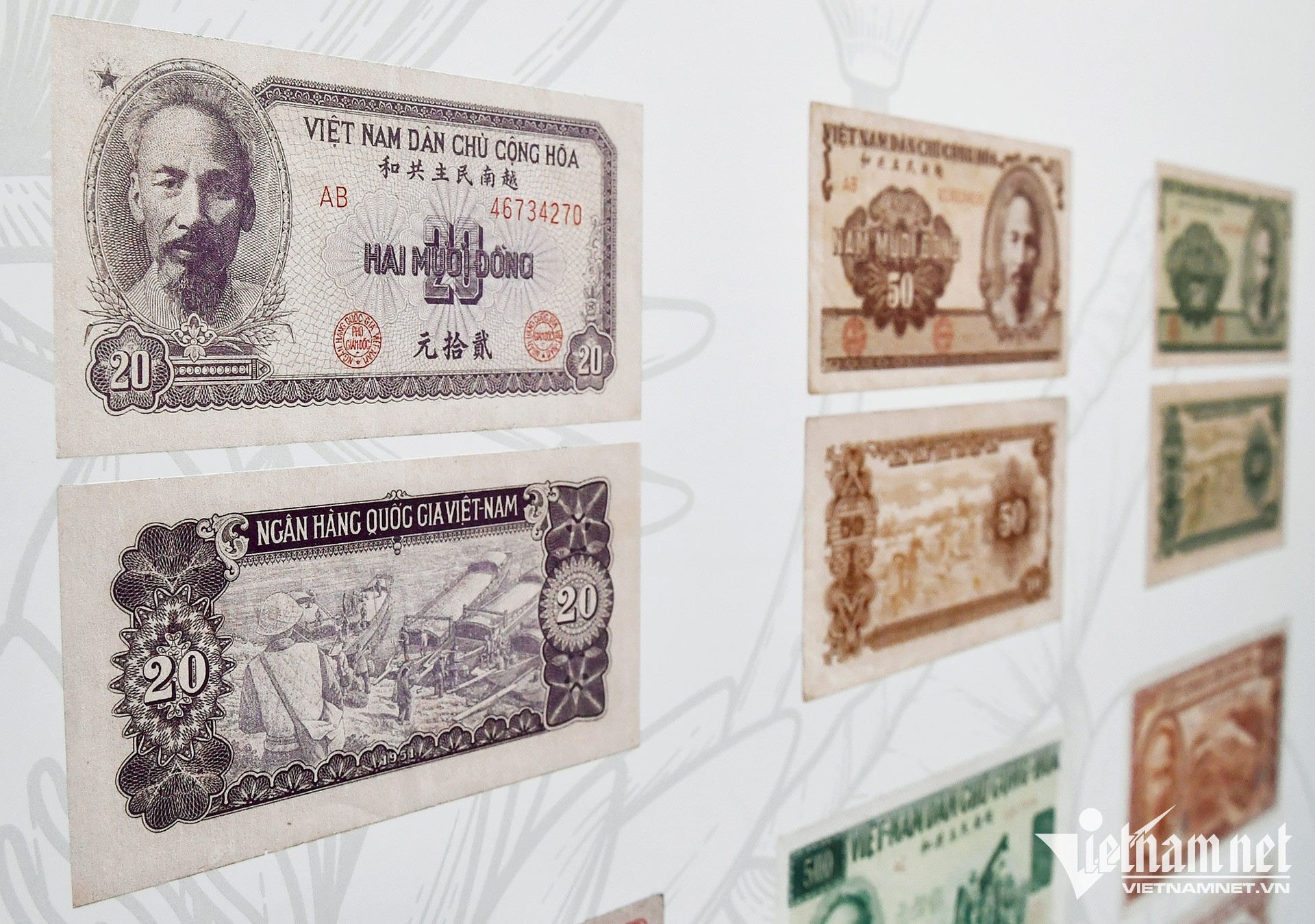
The first issues of National Bank notes appeared in 1951, with a relatively complete range of denominations, from small daily-use notes of 1, 2, 5, 10 and 20 dong to larger values of 50, 100, 200, 500 and 1,000 dong. Higher denominations such as 5,000 dong were issued later in limited quantities.
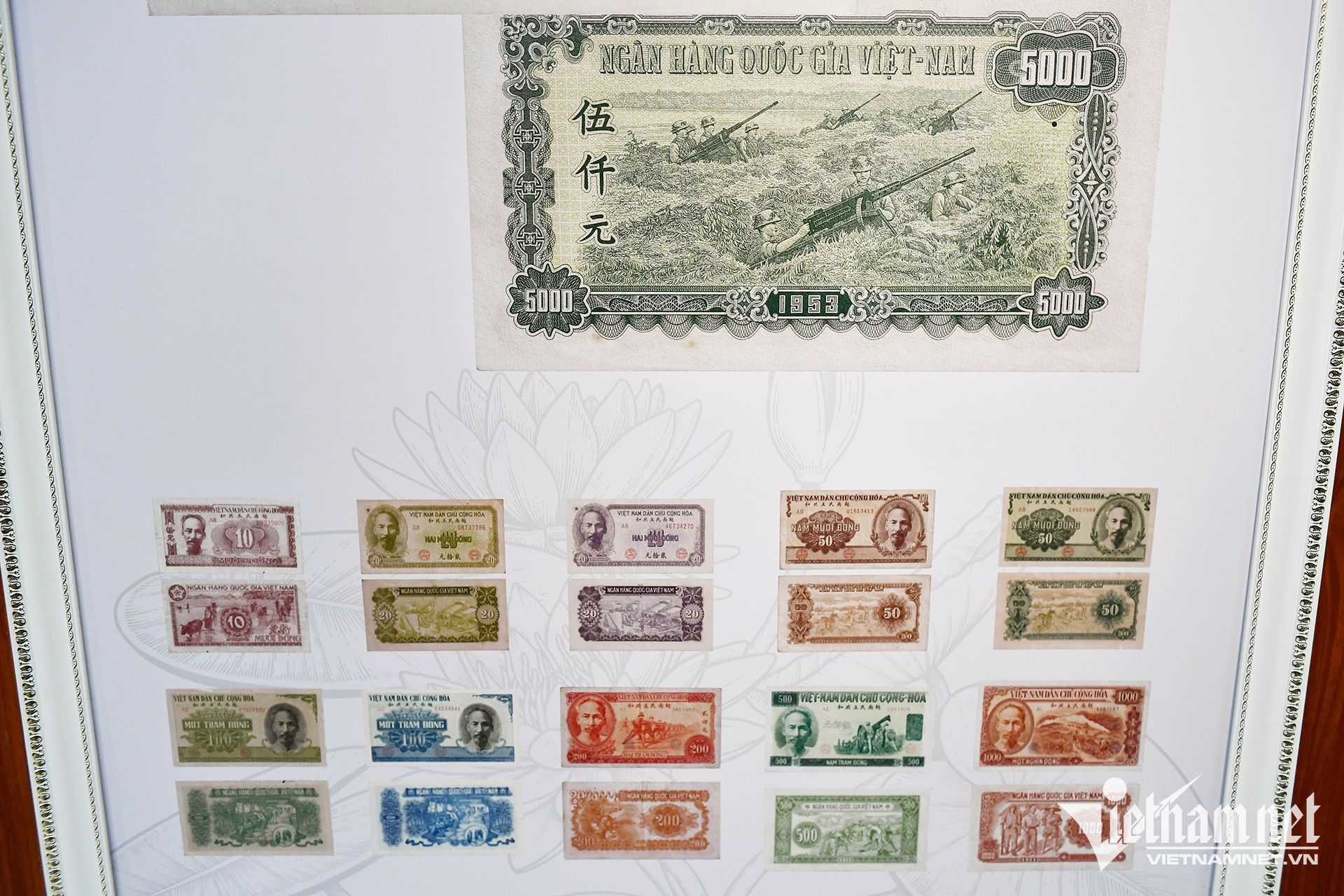
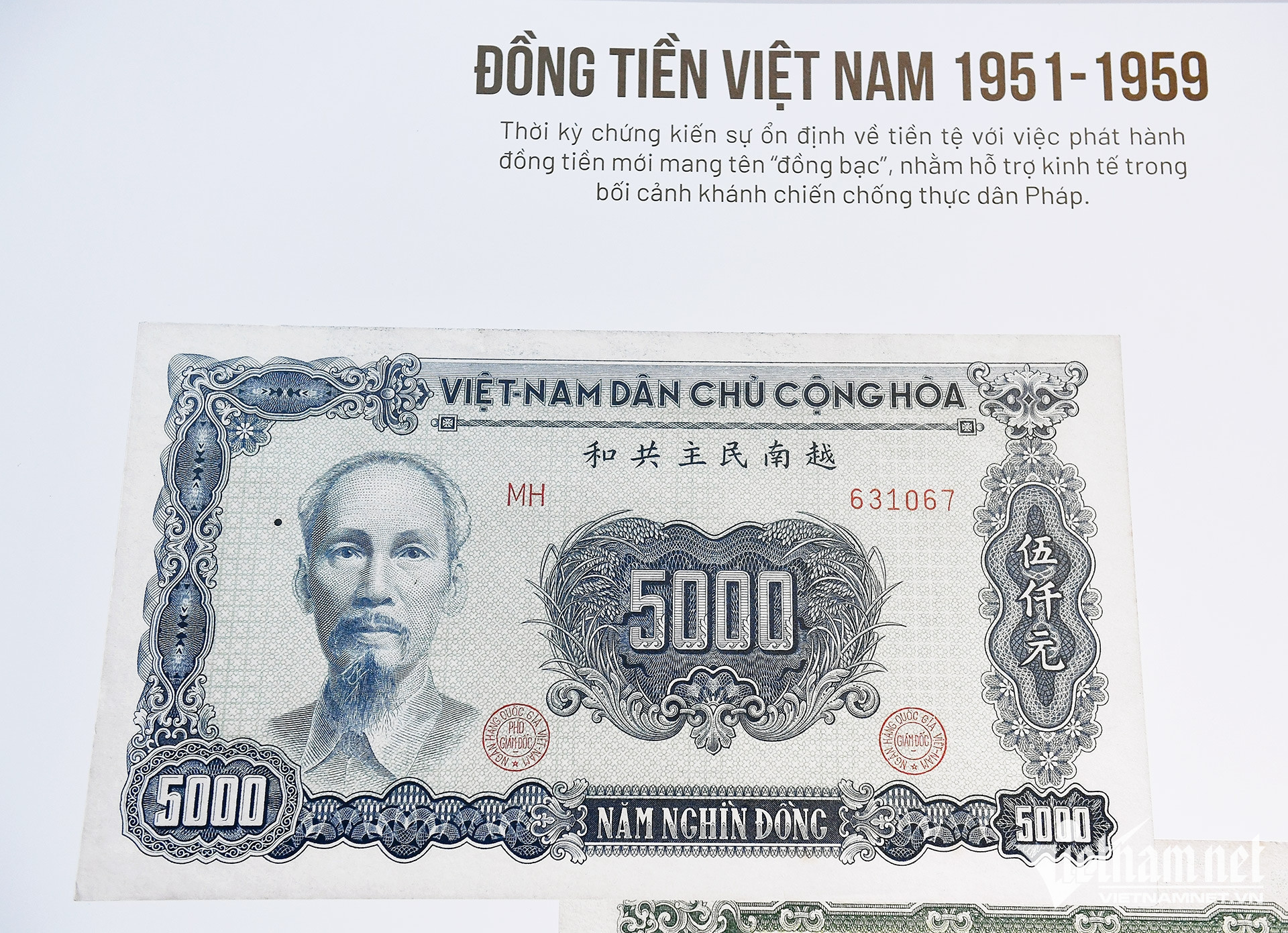
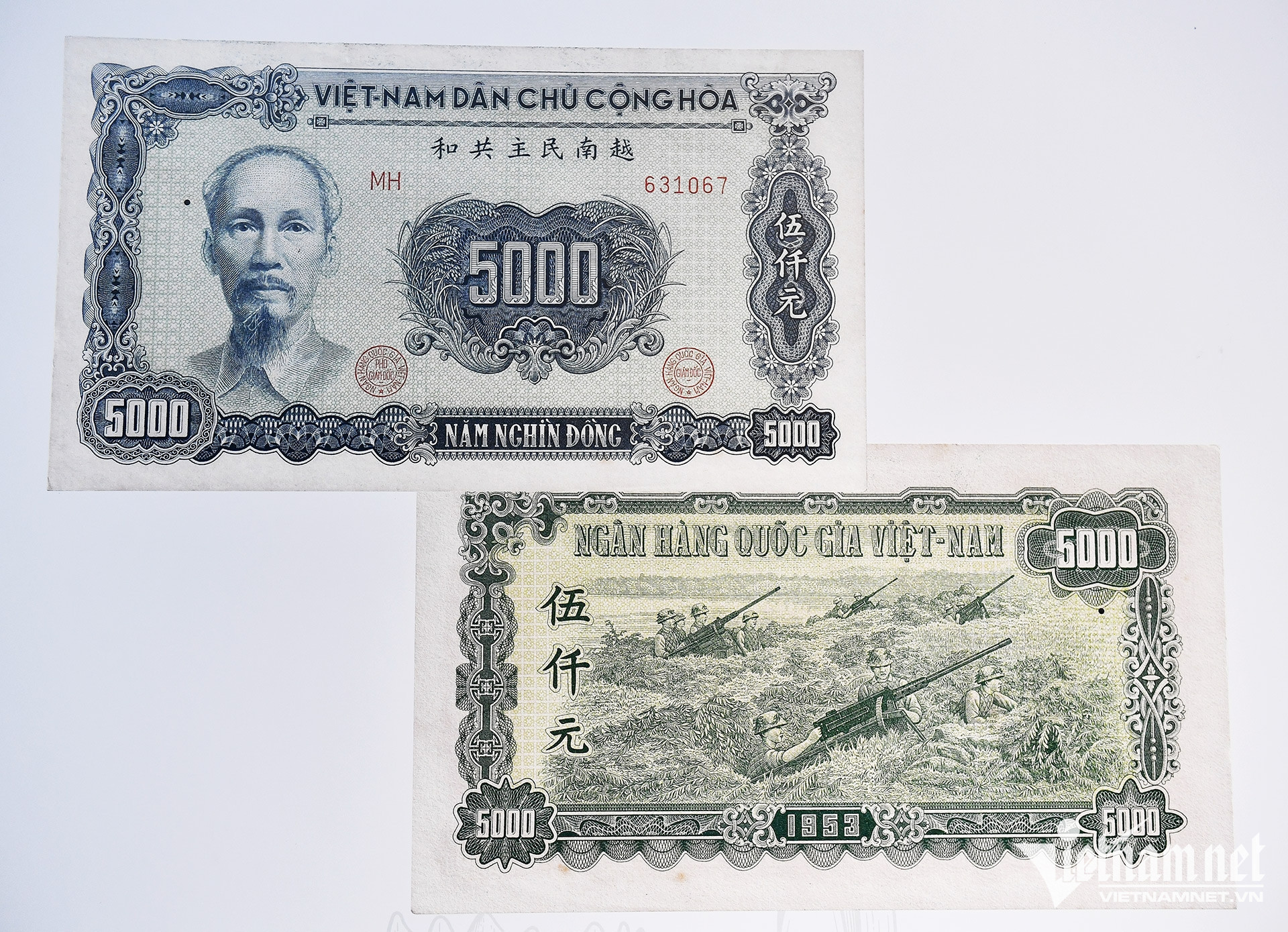
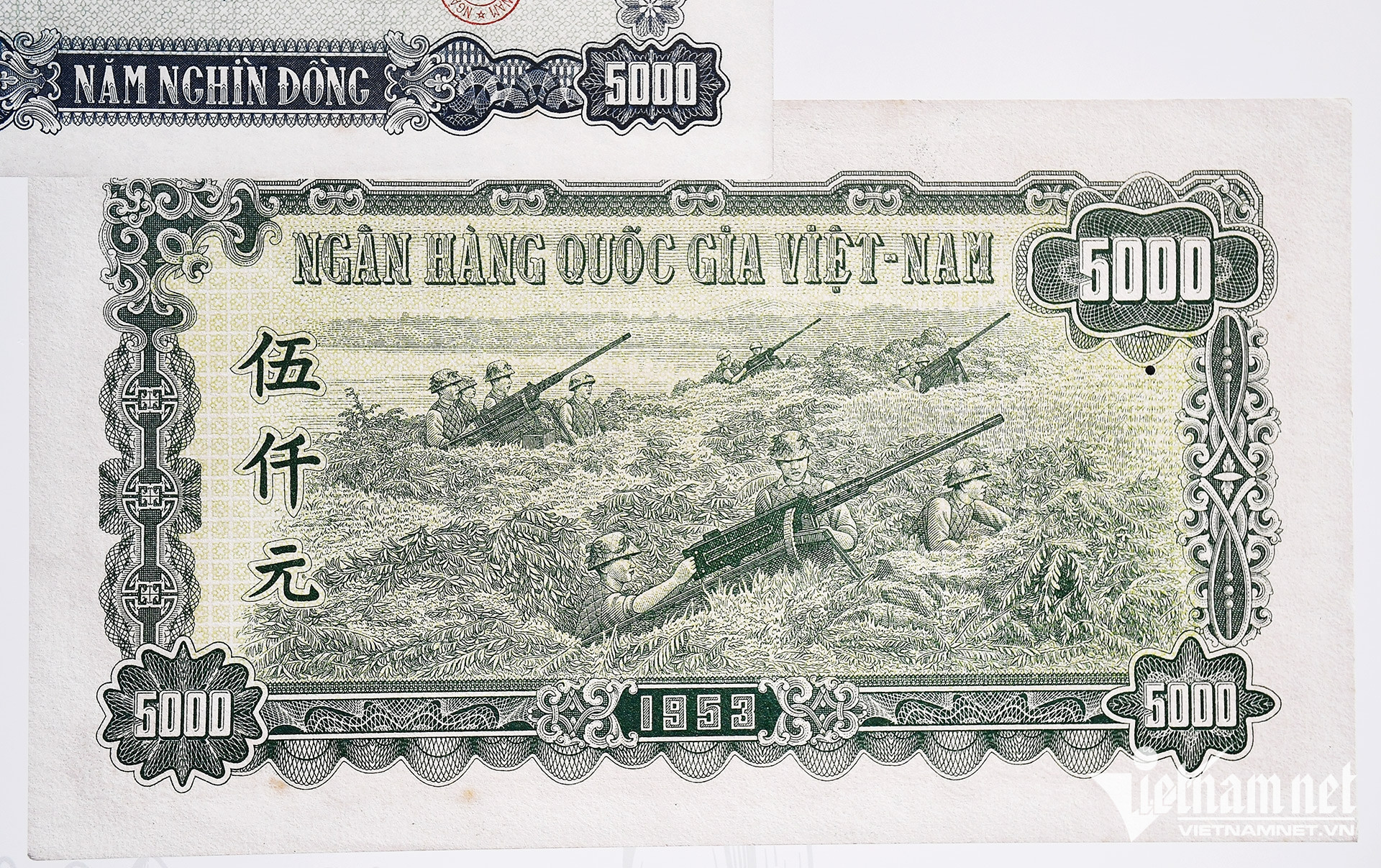
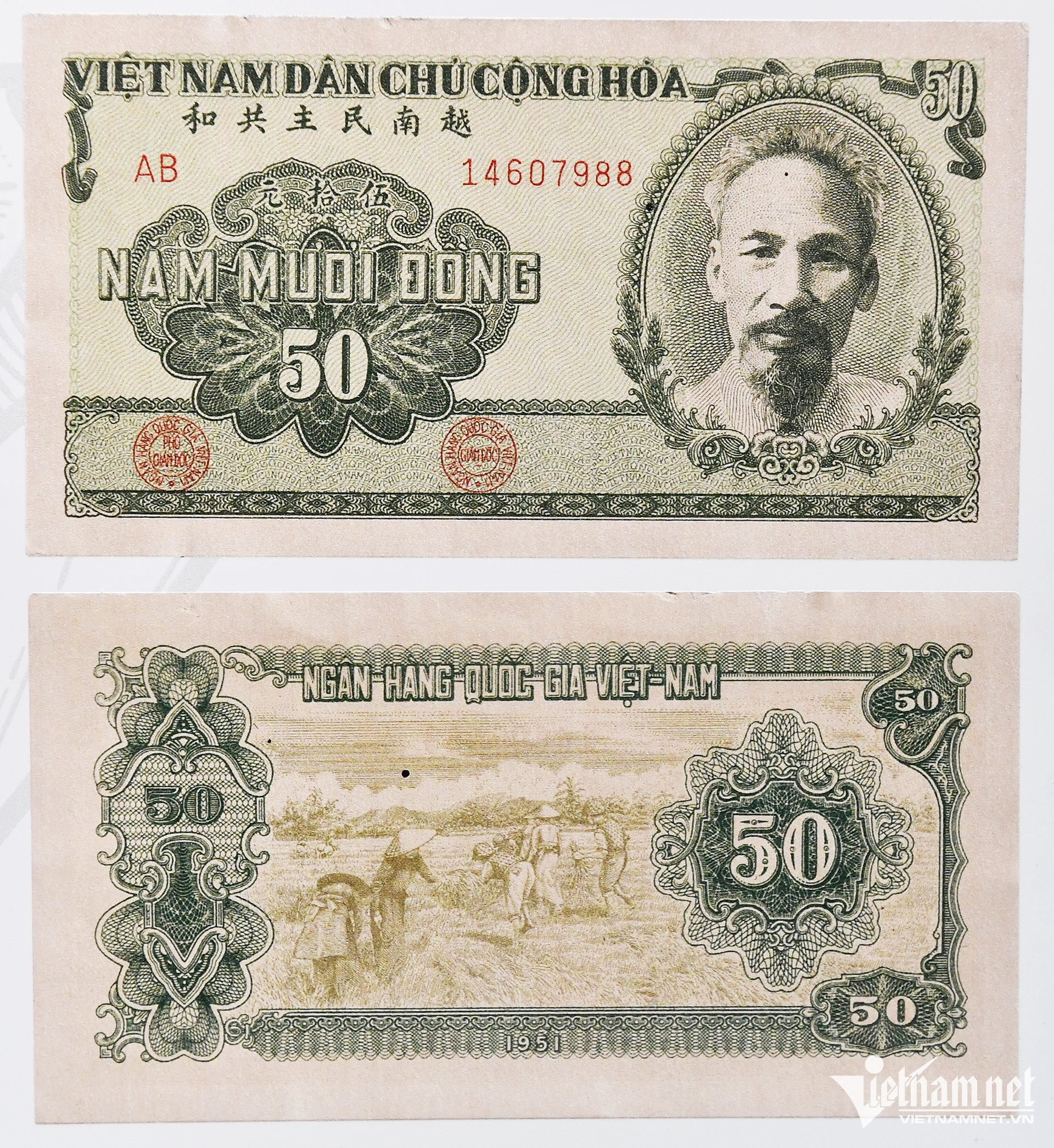
Front designs featured the portrait of President Ho Chi Minh, while the reverse depicted soldiers marching and fighting, labor production and the lives of workers, peasants and soldiers.
Printing quality improved significantly compared to the early resistance years, with tighter layouts, more intricate patterns and more advanced techniques enhancing both aesthetics and anti-counterfeiting capacity.
Currency reform of 1951
When National Bank notes were introduced, the government set the exchange rate at 1 new bank dong for 10 old financial dong issued from 1946. The reform aimed to reduce money in circulation, stabilize value and strengthen public confidence in the new financial system.
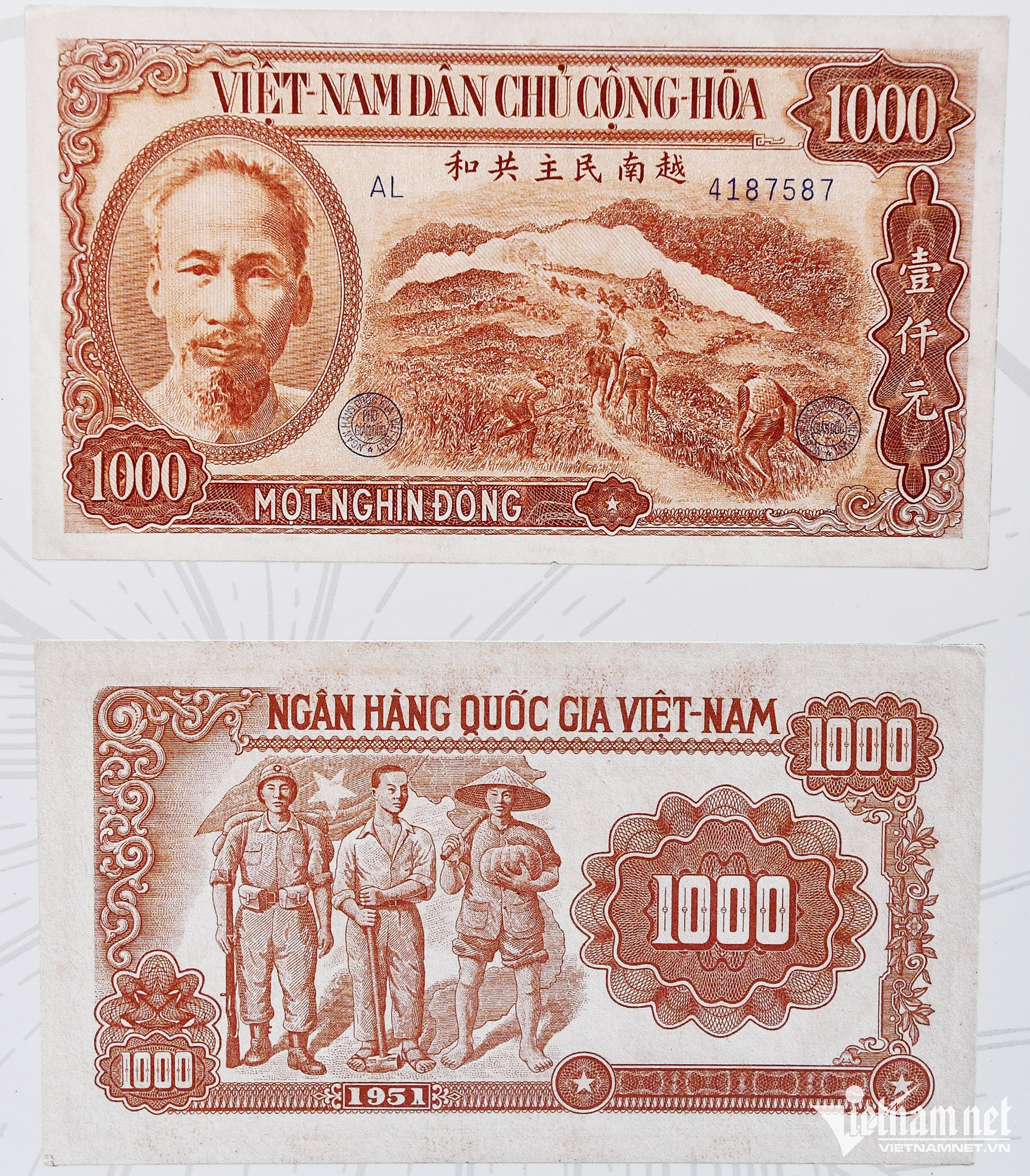
After peace was restored in the North, another historic currency reform took place on February 28, 1959. Under this reform, 1 new dong issued in 1959 was exchanged for 1,000 old dong issued in 1951.
A new monetary system was introduced, including coins of 1 xu, 2 xu and 5 xu, and paper notes of 1 hao, 2 hao, 5 hao, 1 dong, 2 dong, 5 dong and 10 dong. The designs were refined and elegant, reflecting the orientation toward building a stable northern economy along socialist lines.
A special period in Vietnam’s monetary history 1978 - 1985
After the 1959 Constitution, the National Bank of Vietnam was officially renamed the State Bank of Vietnam. In October 1961, new State Bank notes were issued to replace the earlier National Bank currency in the North.
The period 1978 - 1985 represents a special chapter in Vietnam’s monetary history, reflecting efforts to unify and manage finance nationwide after national reunification.
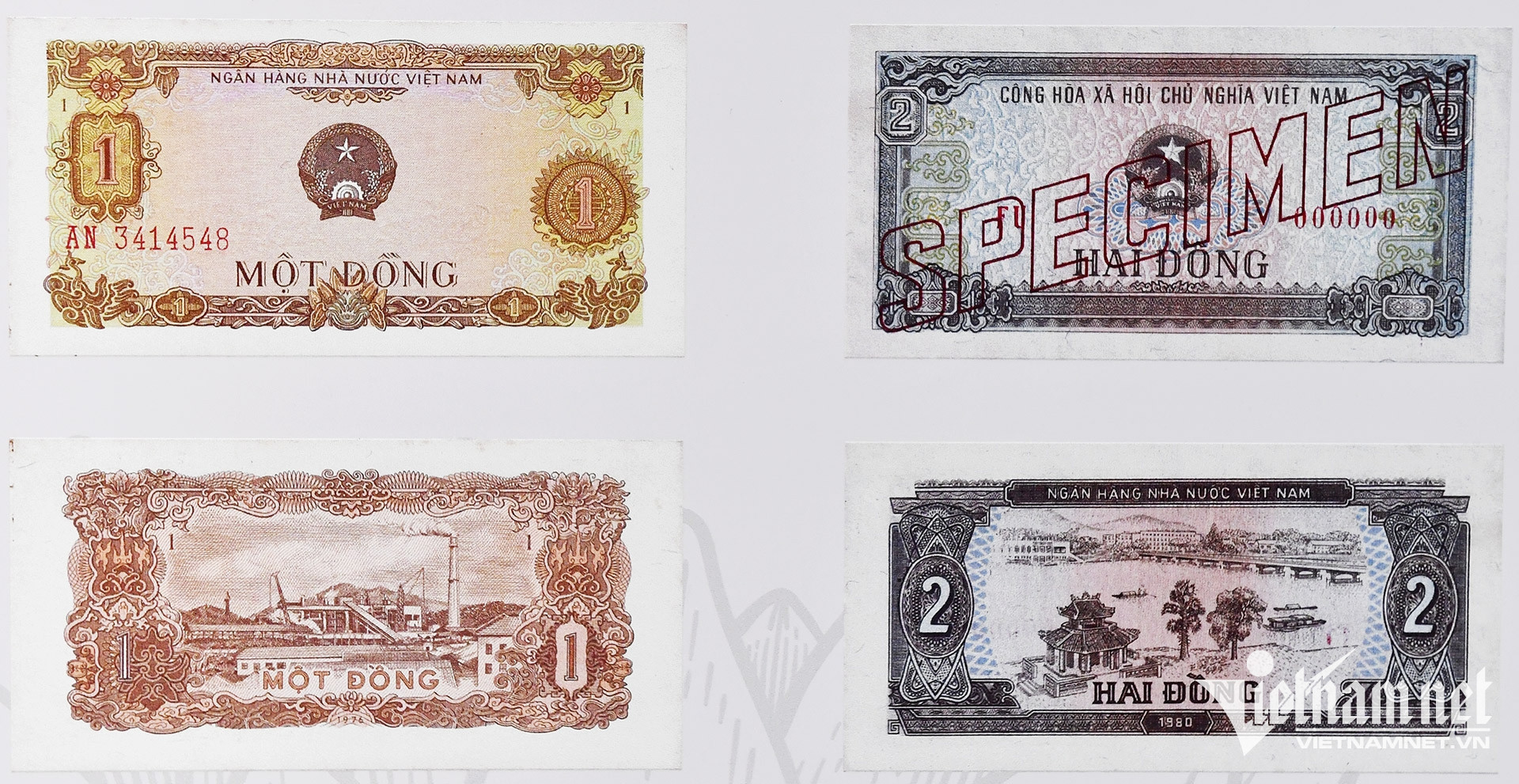
The nationwide currency reform of May 1978 was particularly significant. It ended the parallel circulation of two currencies after reunification: State Bank notes in the North and Liberation currency in the South.
Under the reform, 1 new dong was exchanged at par with 1 State Bank dong in the North, or 0.8 Liberation dong in the South. The monetary unit was unified nationwide under the name dong, issued by the State Bank of Vietnam.
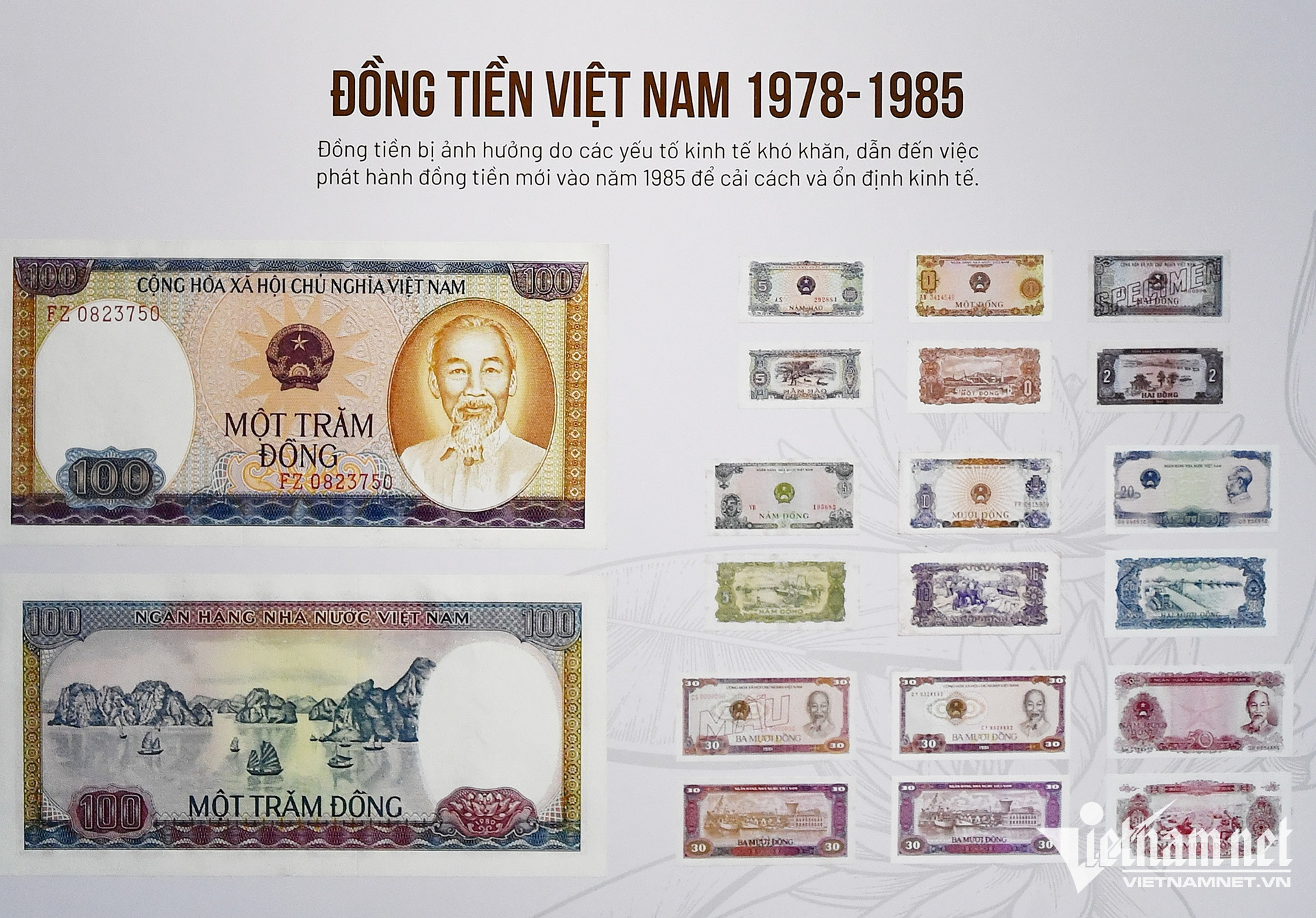
The new series reflected the spirit of post-war reconstruction, featuring agriculture, industry and urban landscapes. Paper denominations included 1 hao, 2 hao, 5 hao, 1 dong, 2 dong, 5 dong and 10 dong, alongside coins of 1 xu, 2 xu and 5 xu for small transactions.
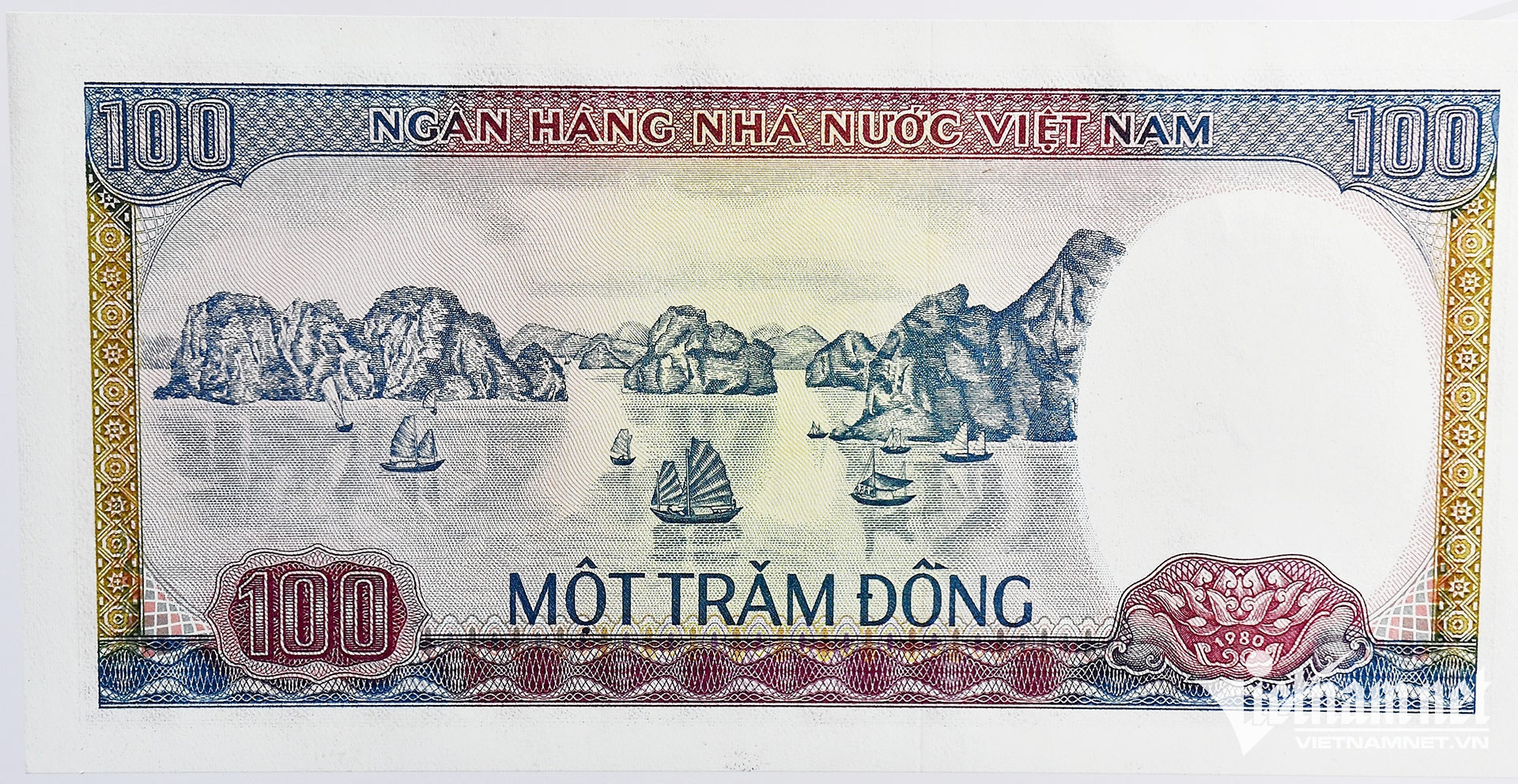
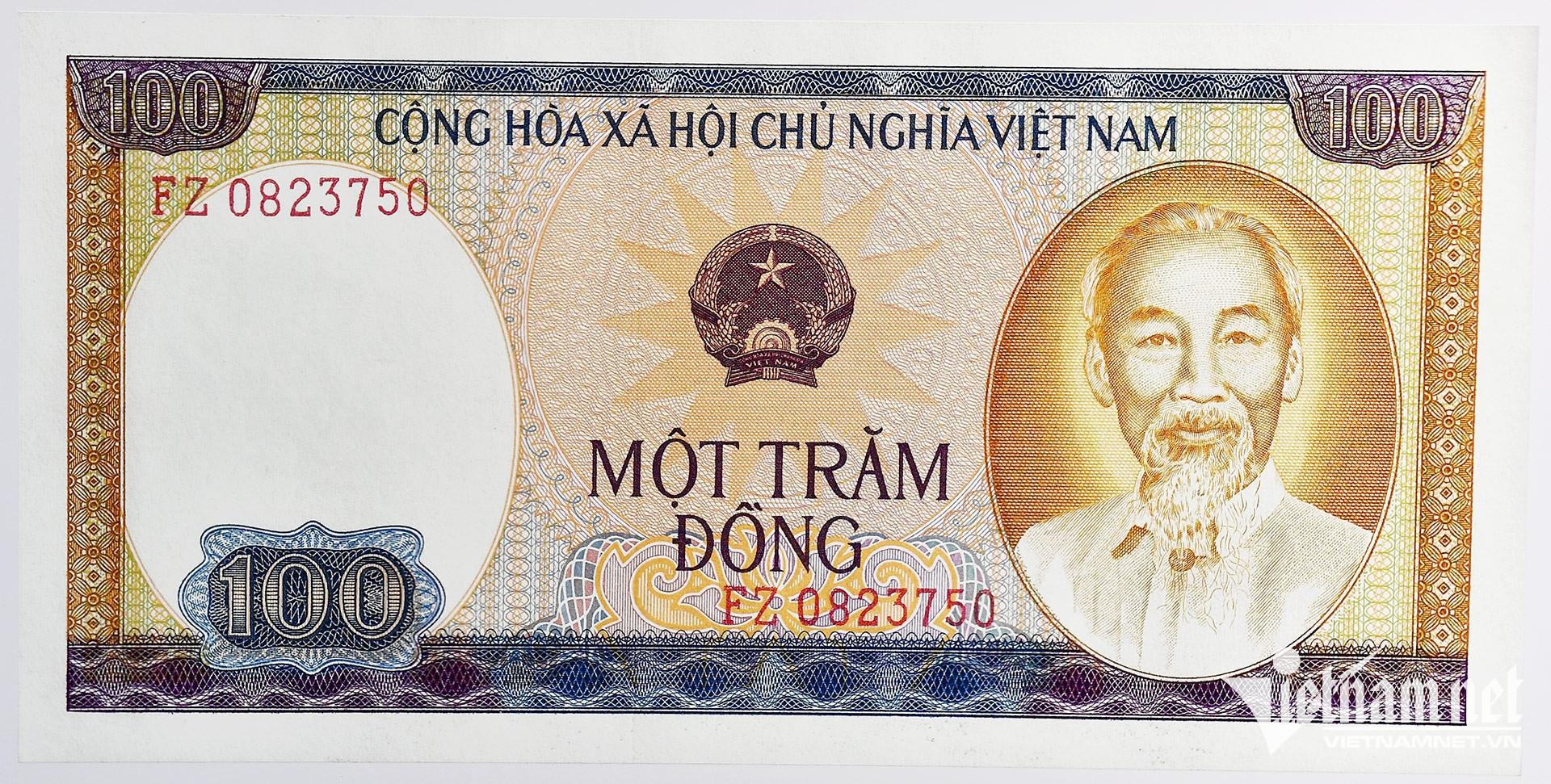
Initially, the highest denomination was 50 dong. As circulation demands increased, larger notes were introduced. The 100 dong note issued in 1980, with Ha Long Bay depicted on the reverse, is considered one of the most beautifully designed notes of the post-reunification era.
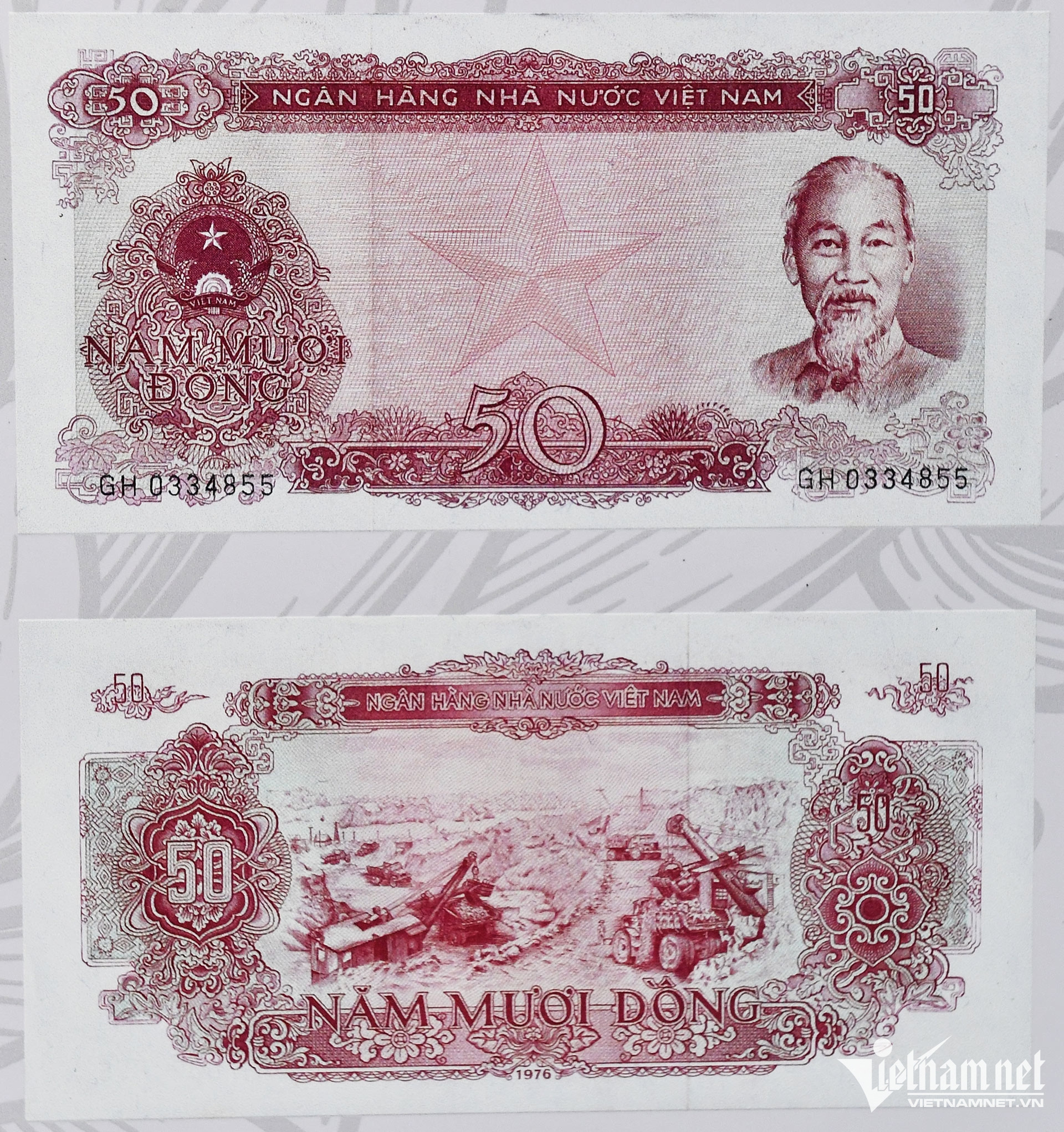
The 50 dong note issued in 1976, featuring President Ho Chi Minh on the front and scenes of mechanized production on the reverse, was among the earliest high-denomination notes after reunification and continued circulating for some time after 1978.
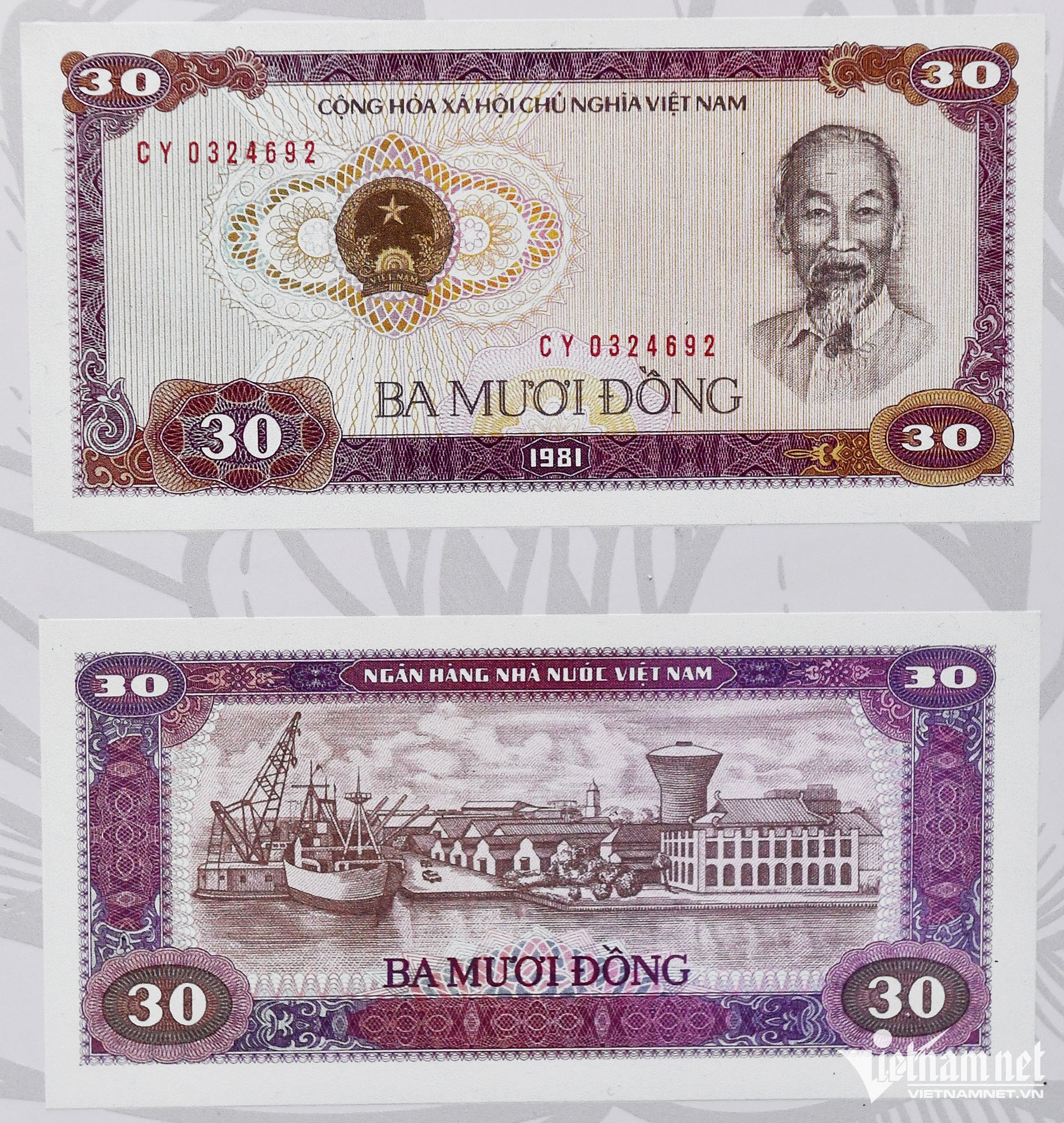
The 30 dong note issued in 1981 depicted heavy industry and port scenes on the reverse.
1985 - 2003 and a historic currency reform
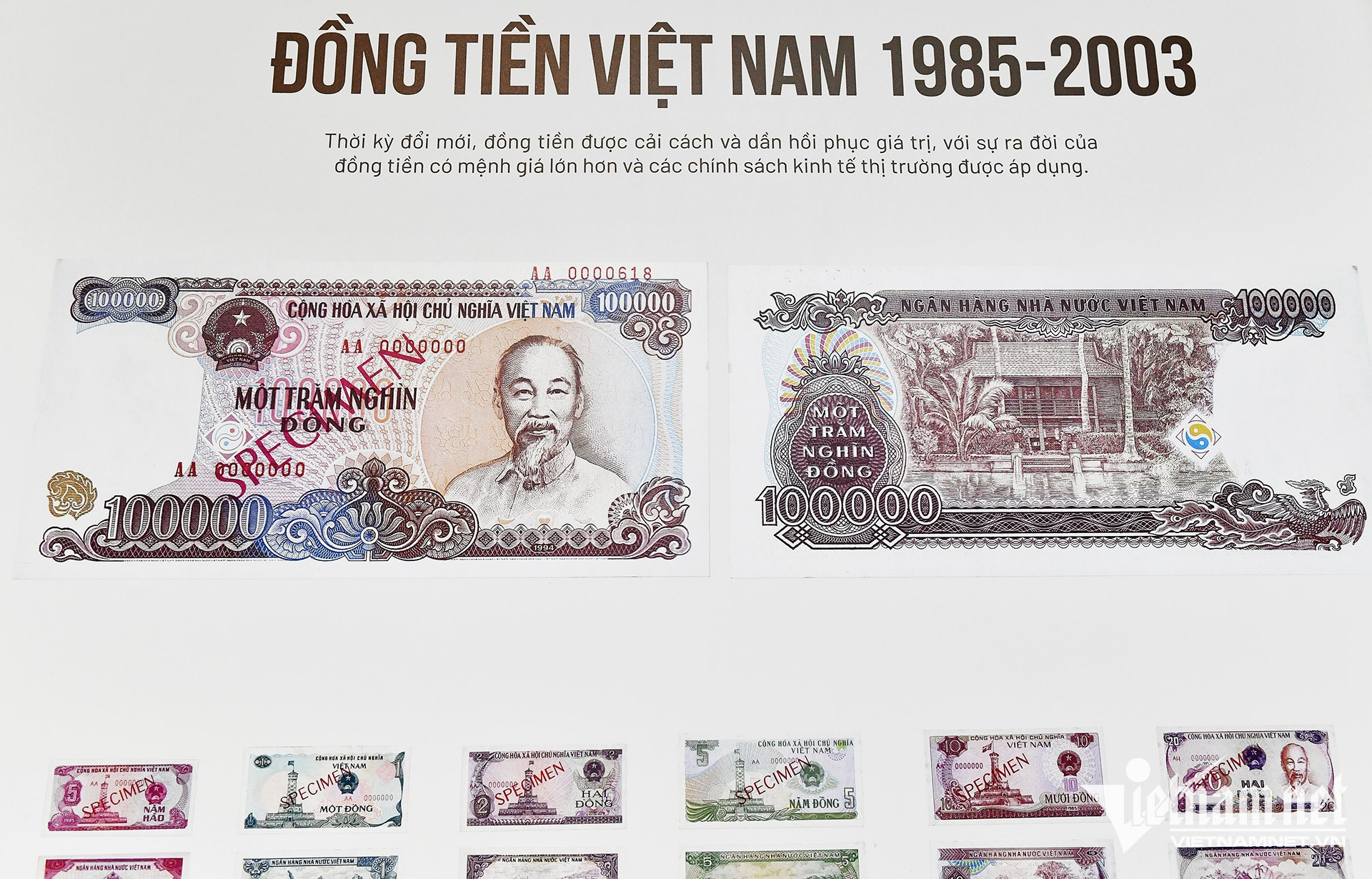
The period 1985 - 2003 was a crucial transition for Vietnam’s economy, from a centrally planned subsidized system to one operating under Doi Moi (reforms). These changes were clearly reflected in denominations, materials and issuance techniques.
The historic reform of 1985
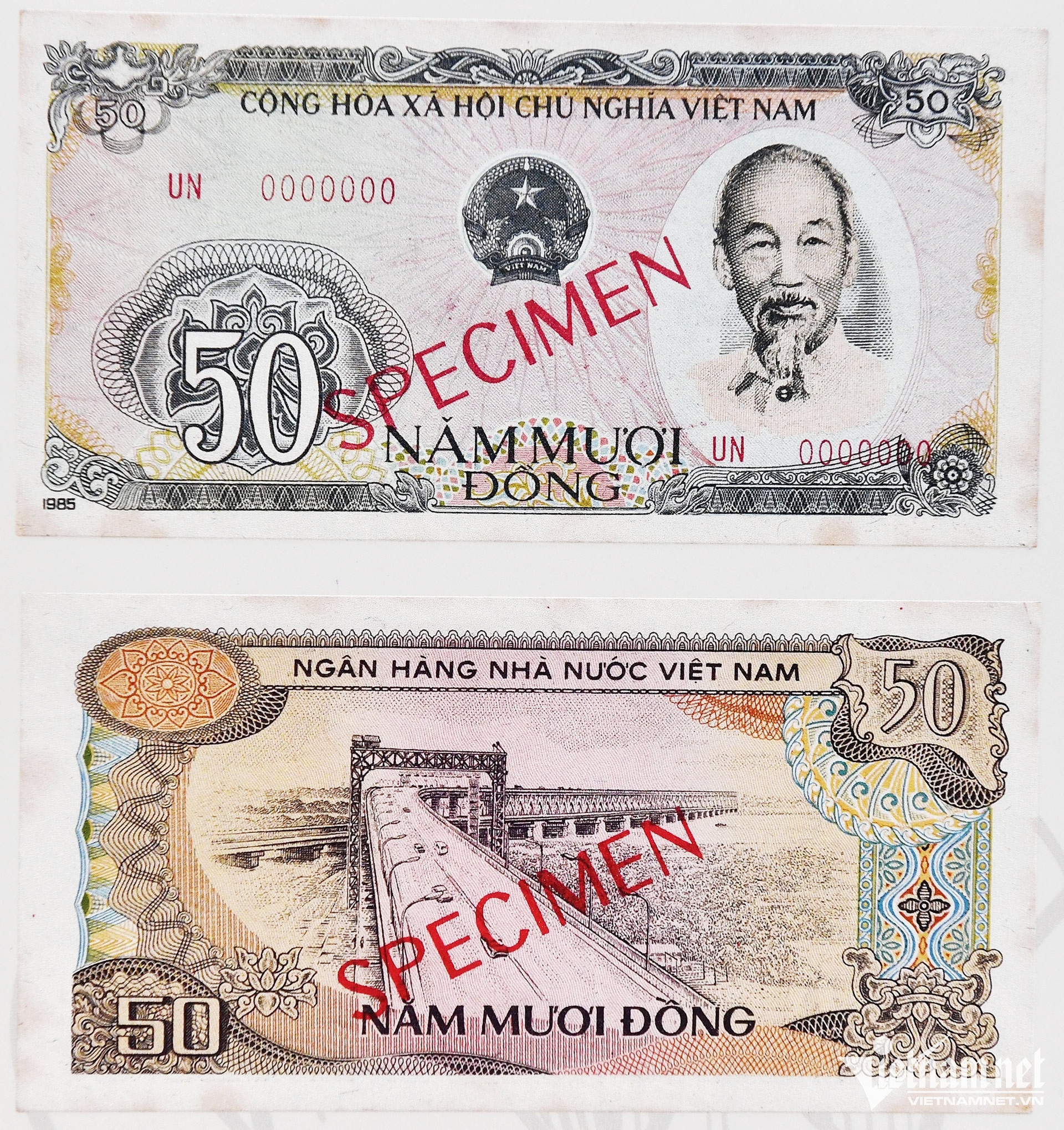
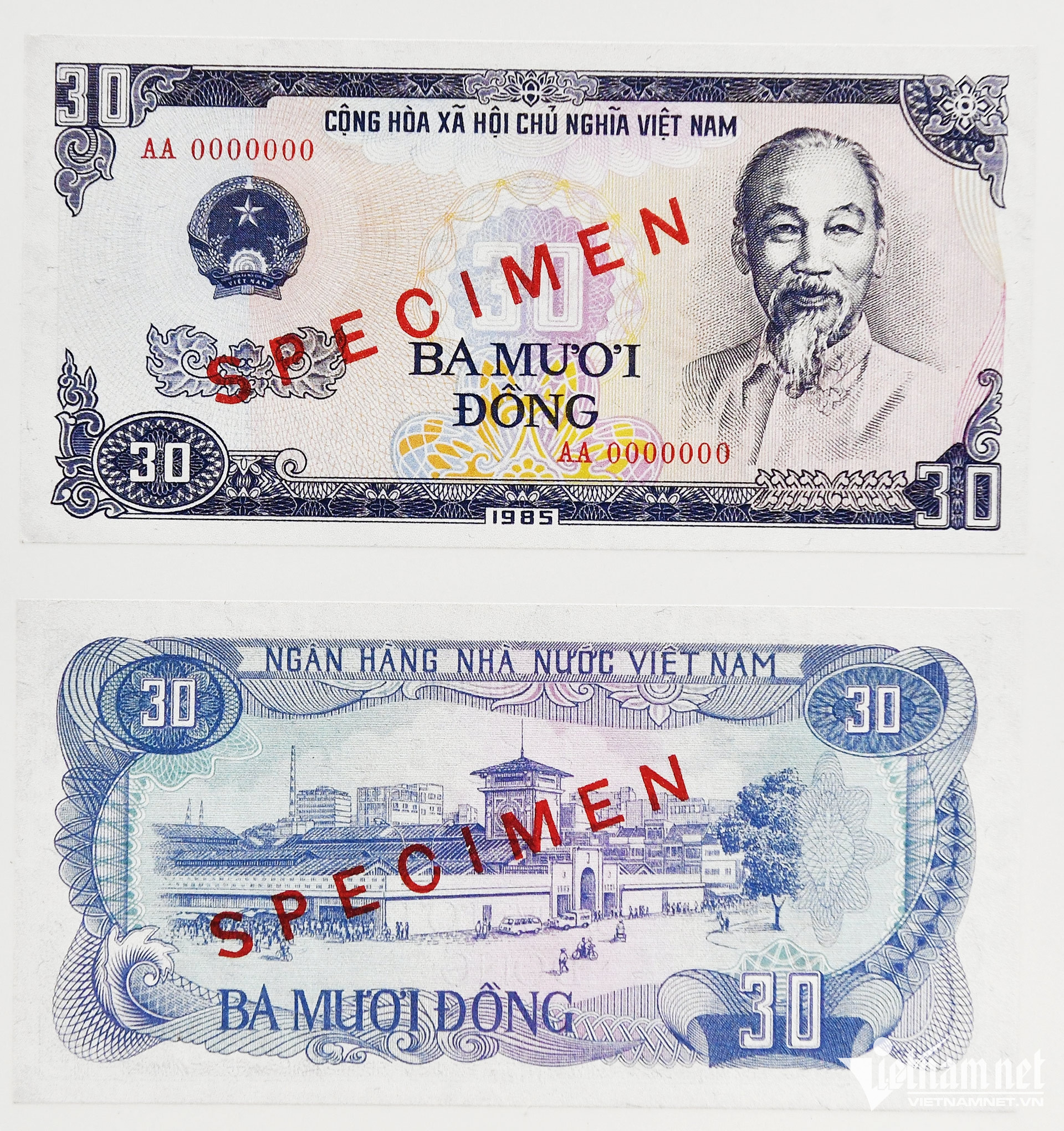
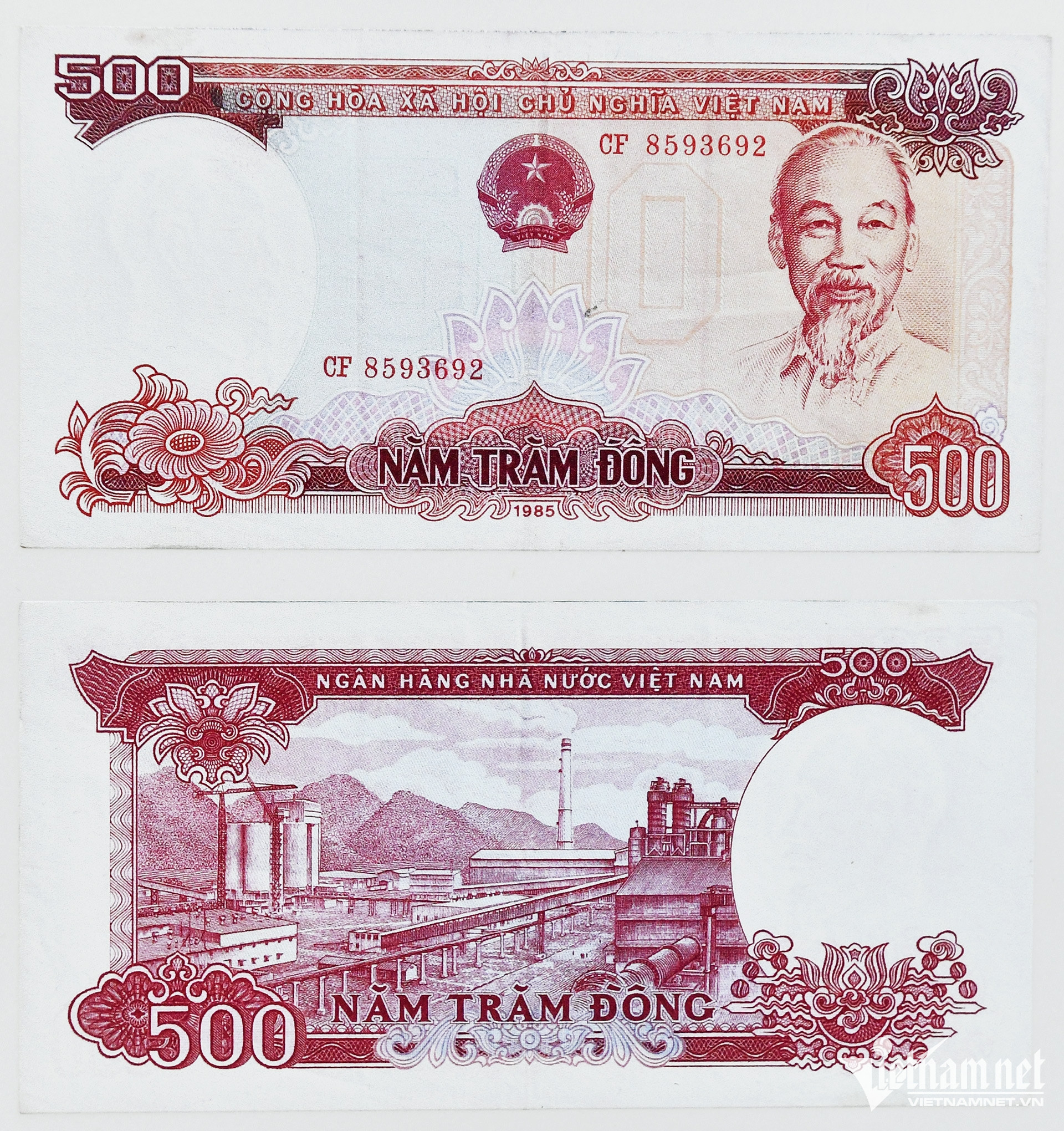
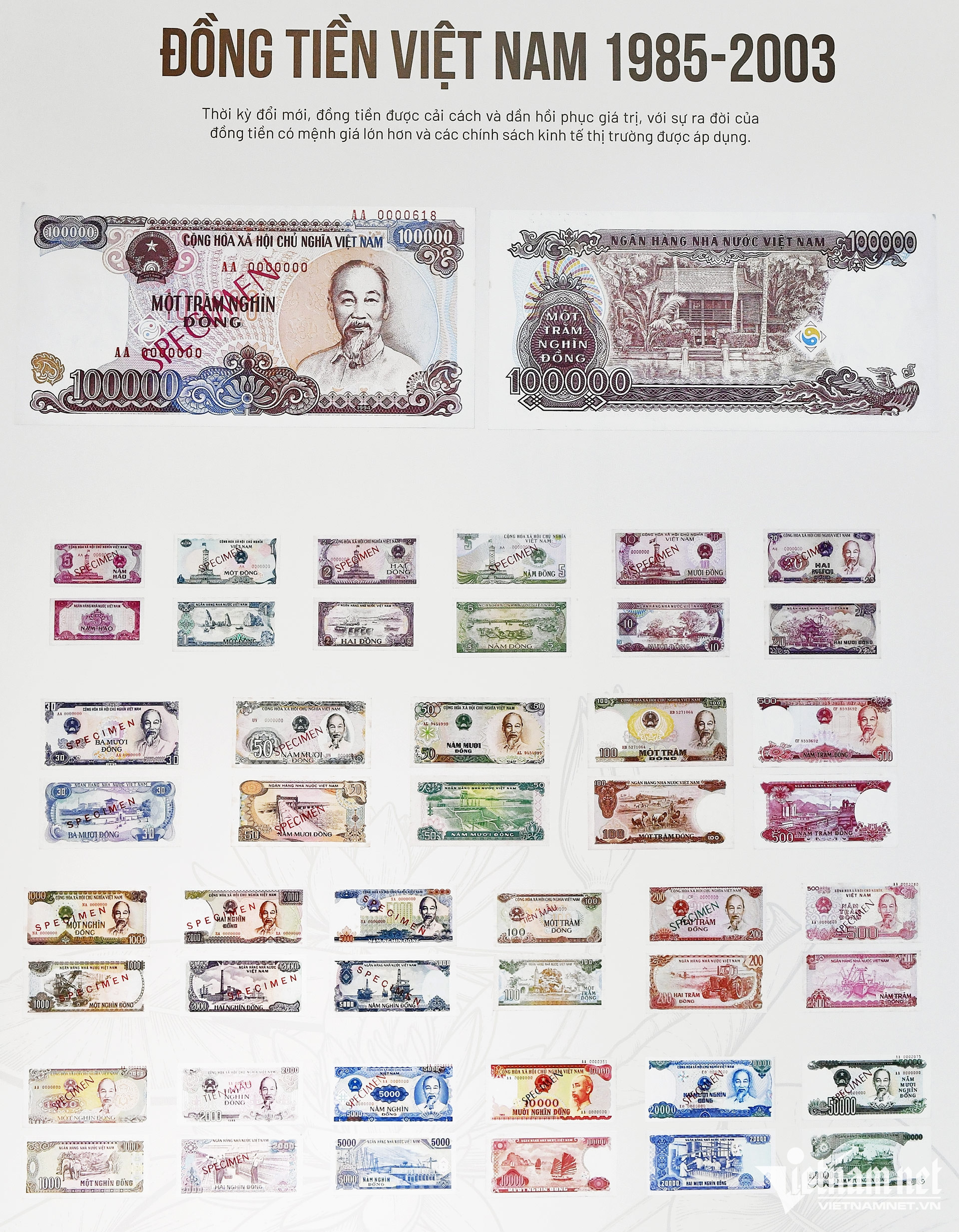
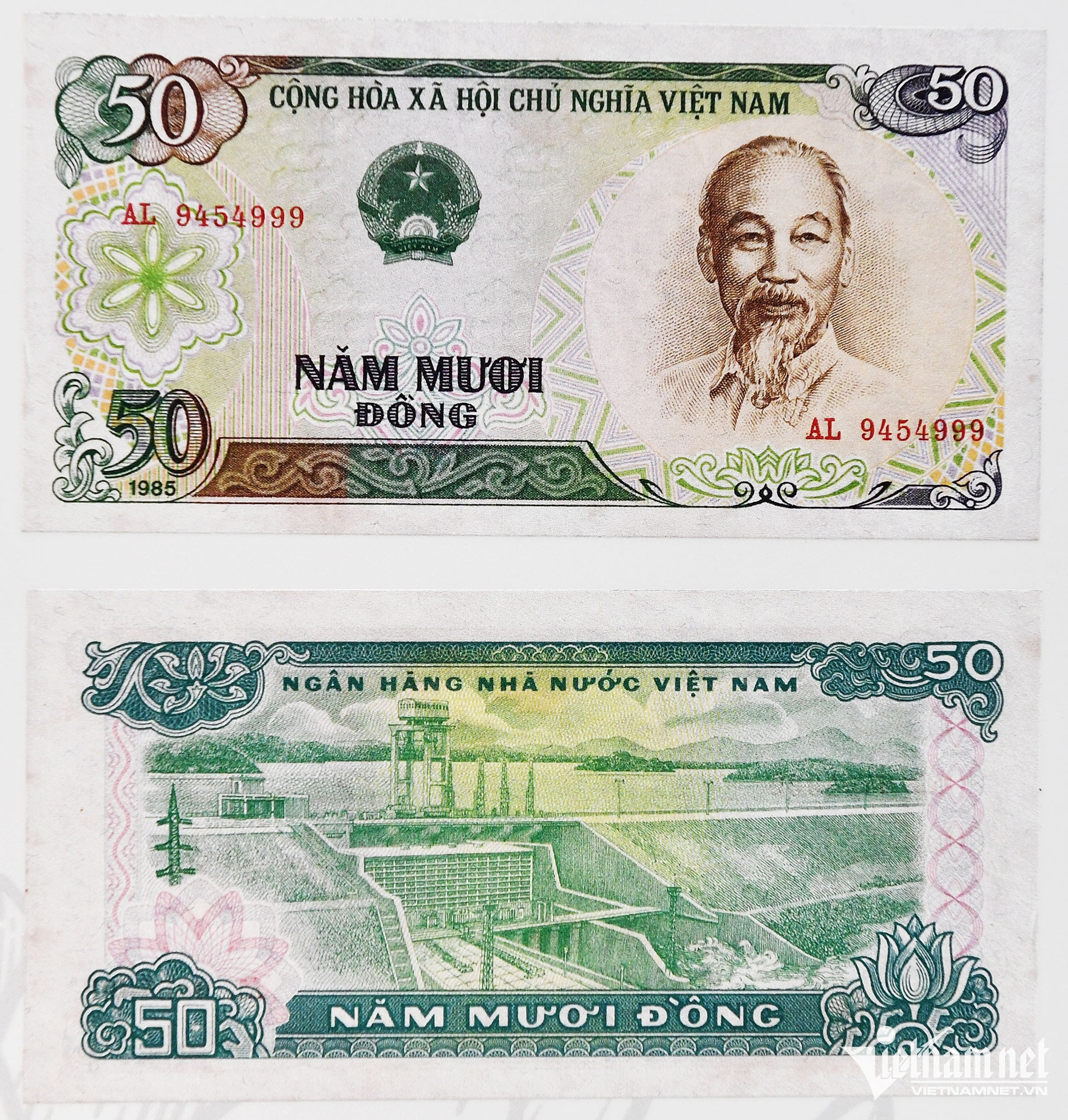
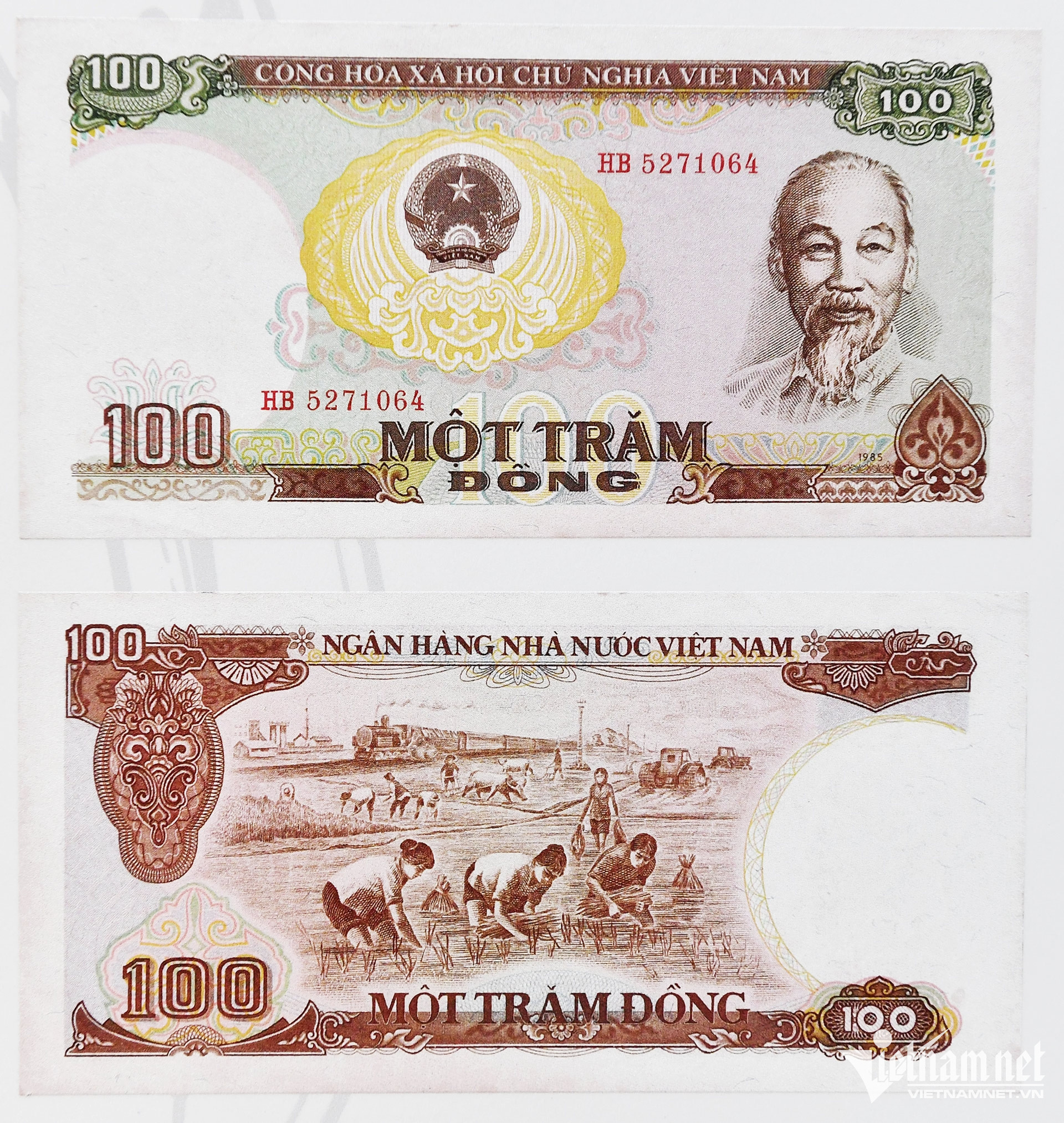
On September 14, 1985, the government conducted a major nationwide currency reform at a rate of 1 new dong for 10 old dong, aiming to consolidate currency value and adjust denomination structure under the “Price - Wage - Currency” plan.
The State Bank issued new paper notes of 10 dong, 20 dong, 50 dong, 100 dong and 500 dong. Notably, the portrait of President Ho Chi Minh returned as the central motif on the front of all denominations, underscoring the symbolic political and spiritual role of currency.
A 30 dong note printed in 1985 was prepared as a specimen during reform planning but was never officially circulated.
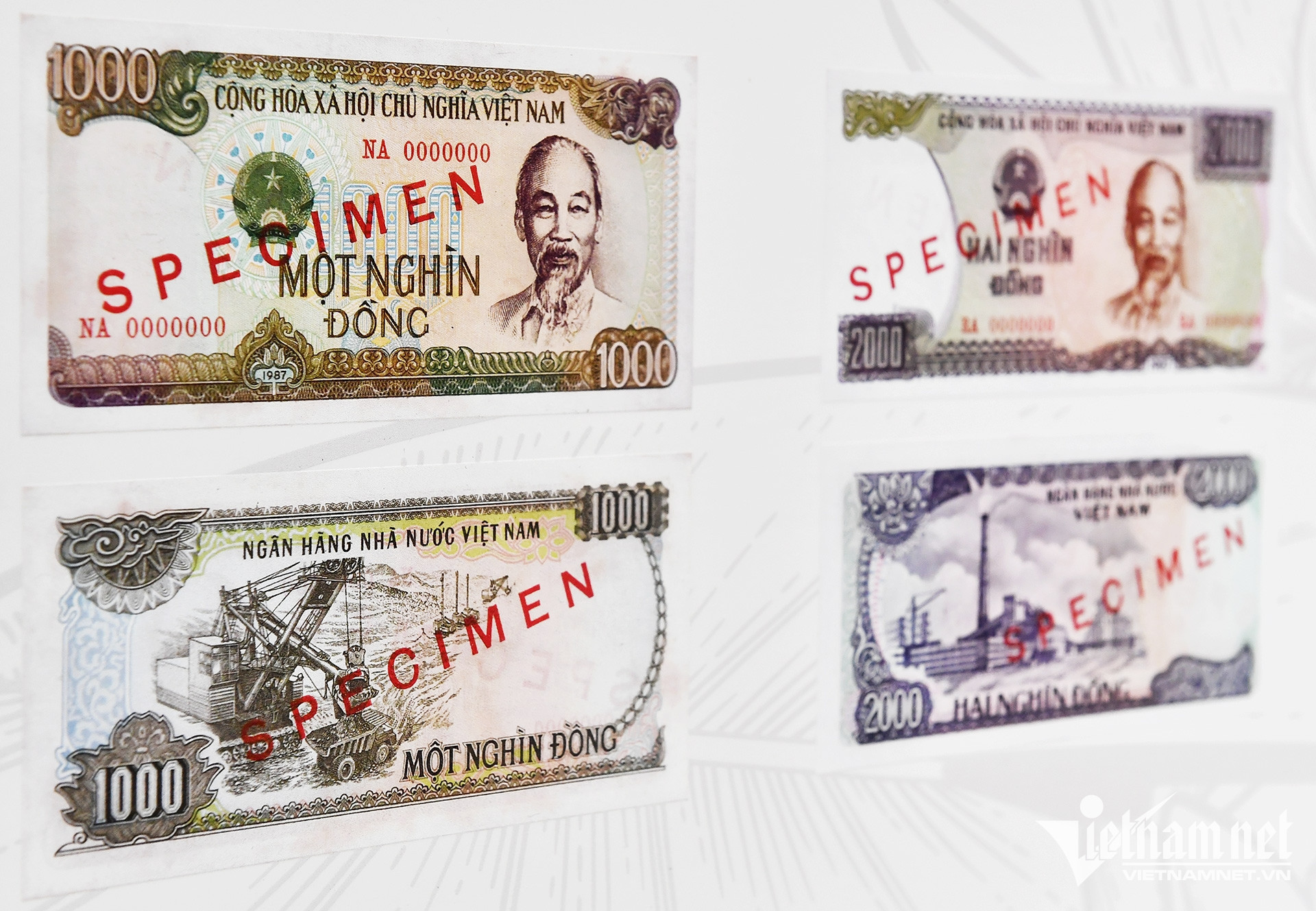
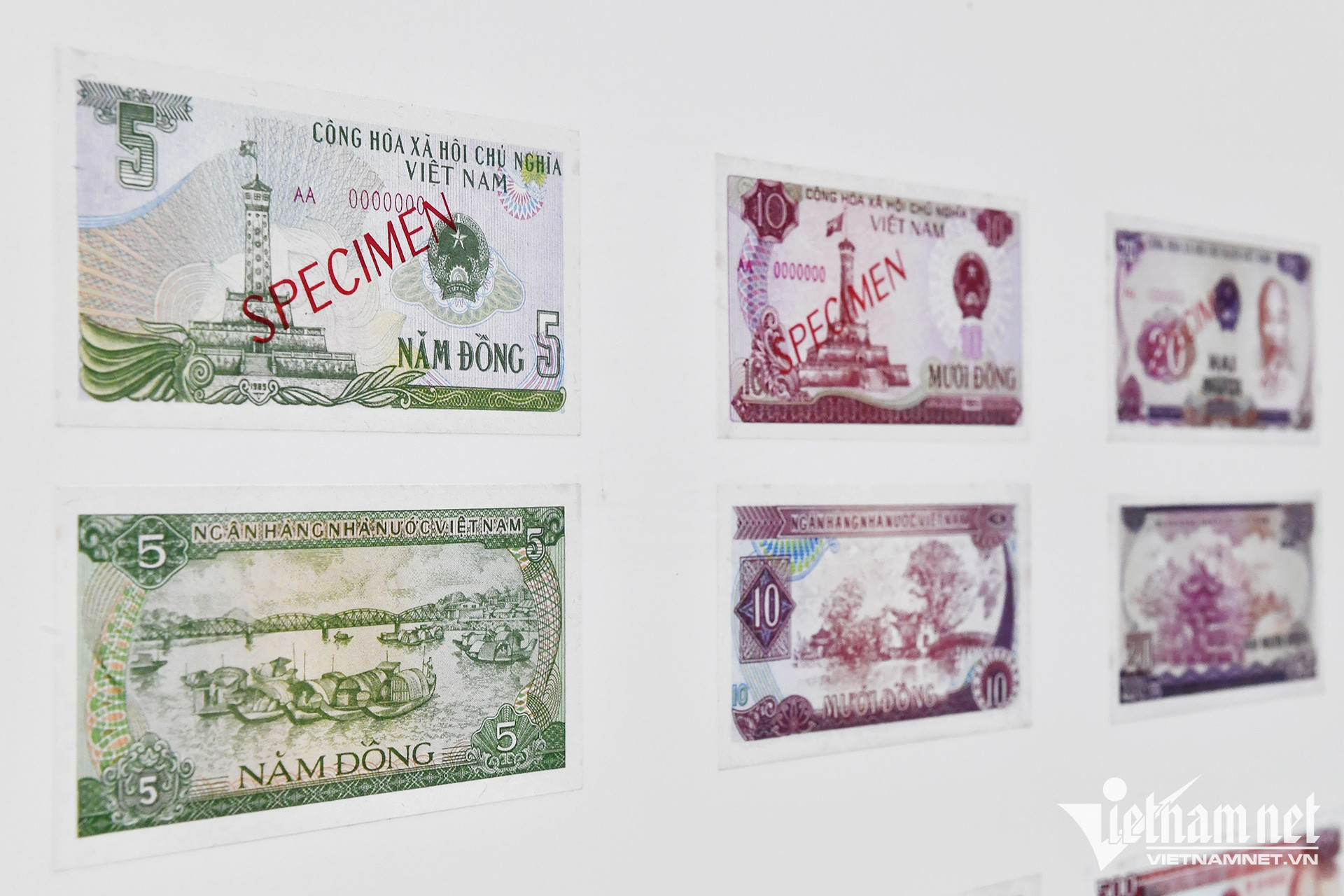
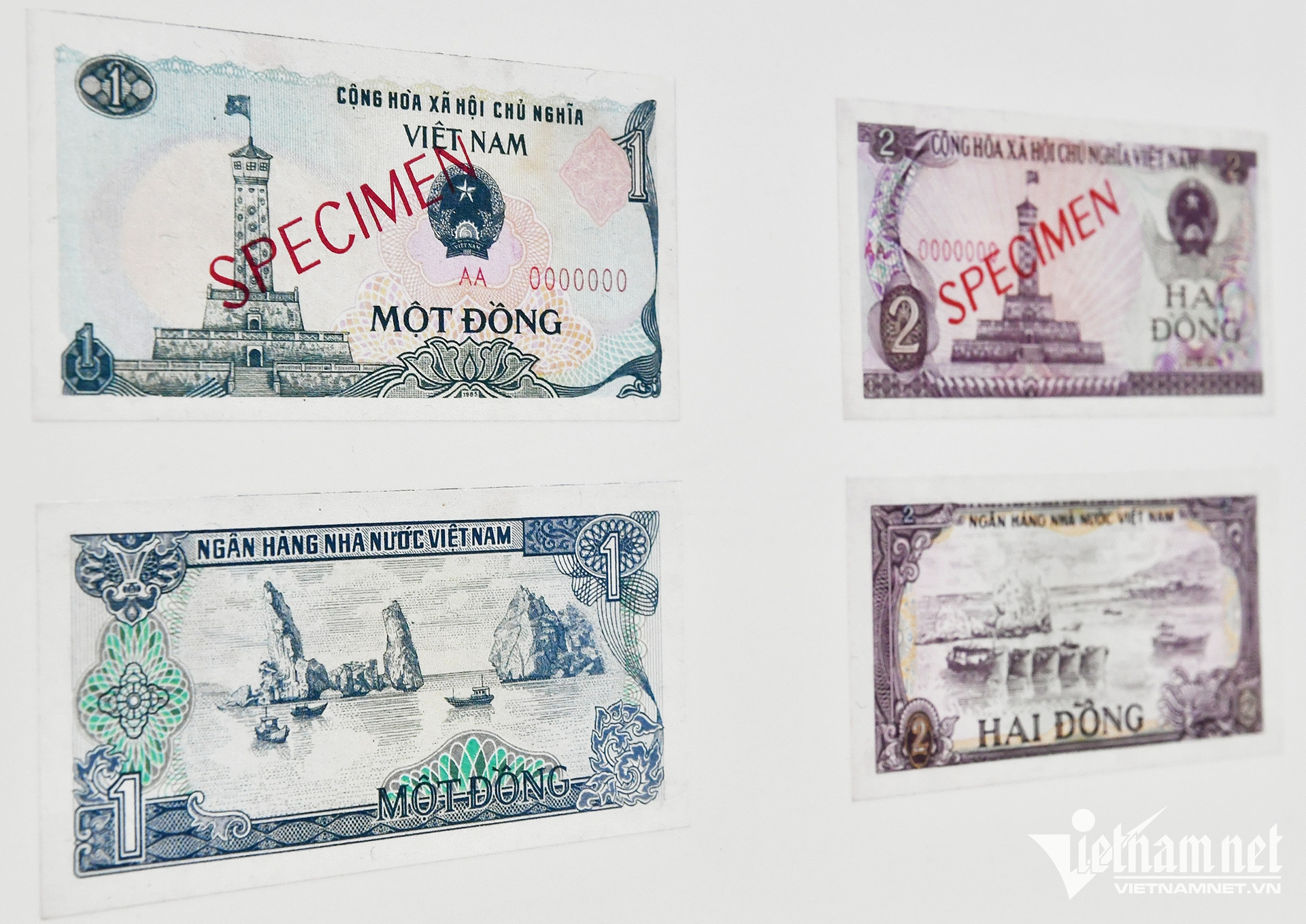
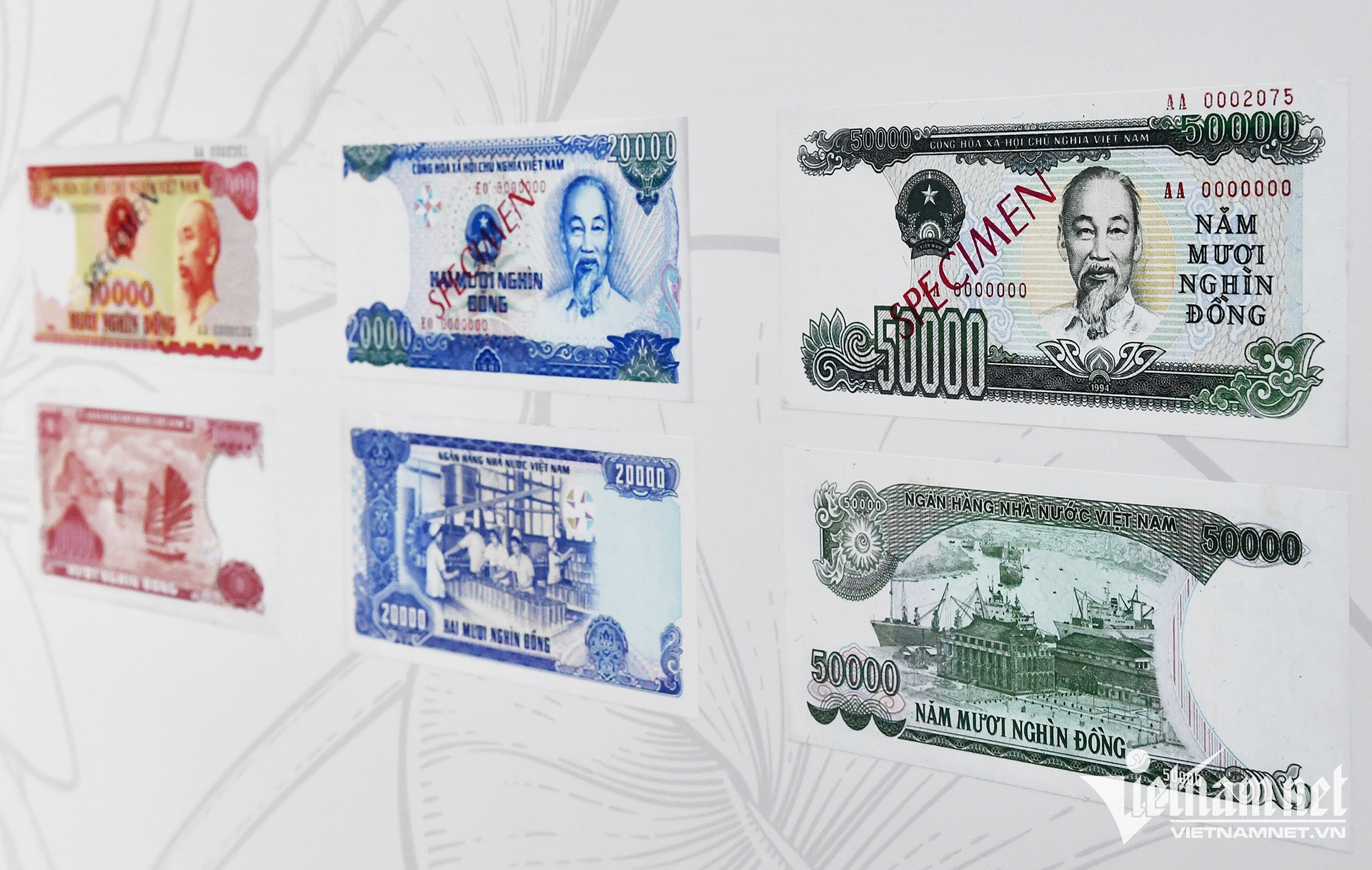
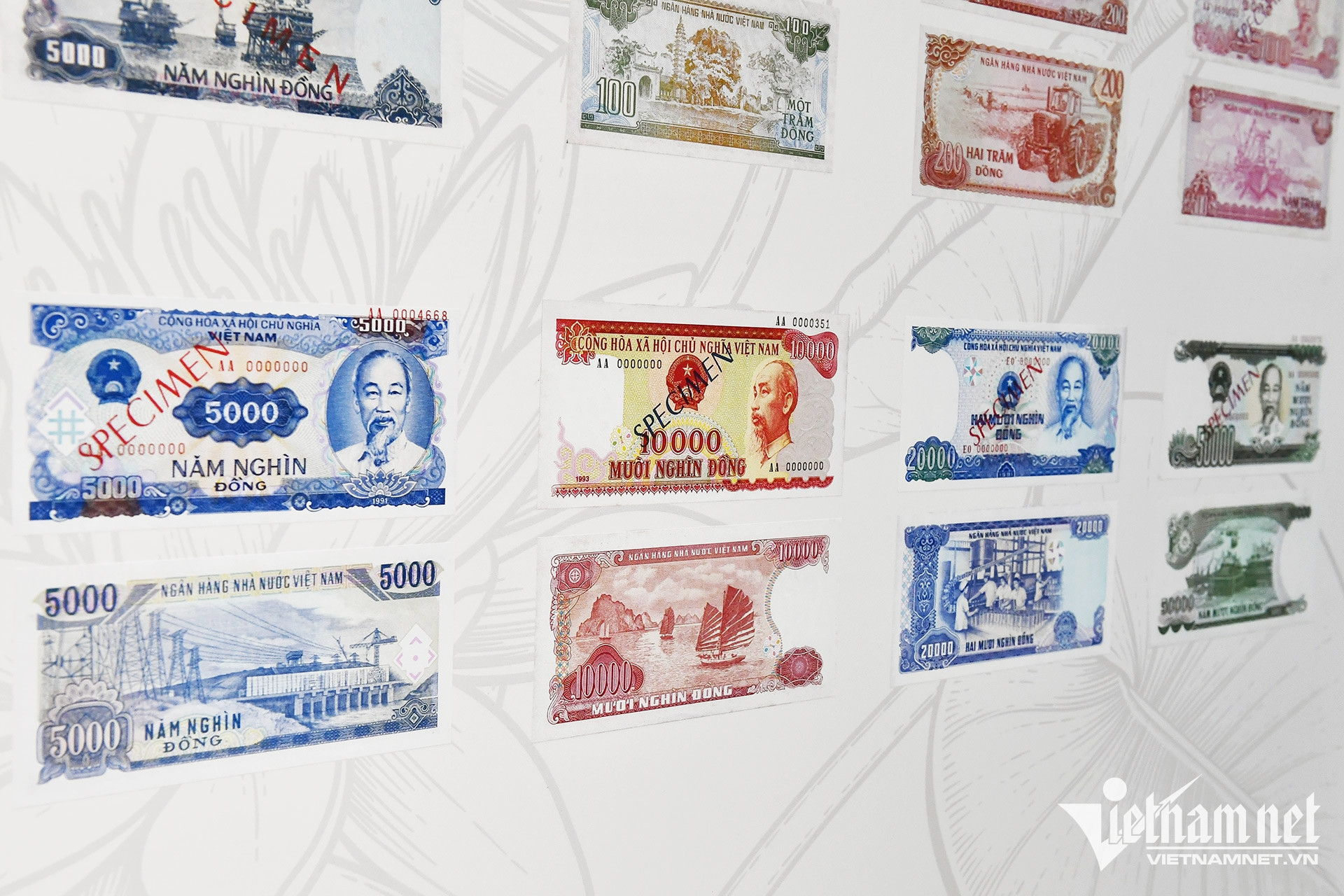
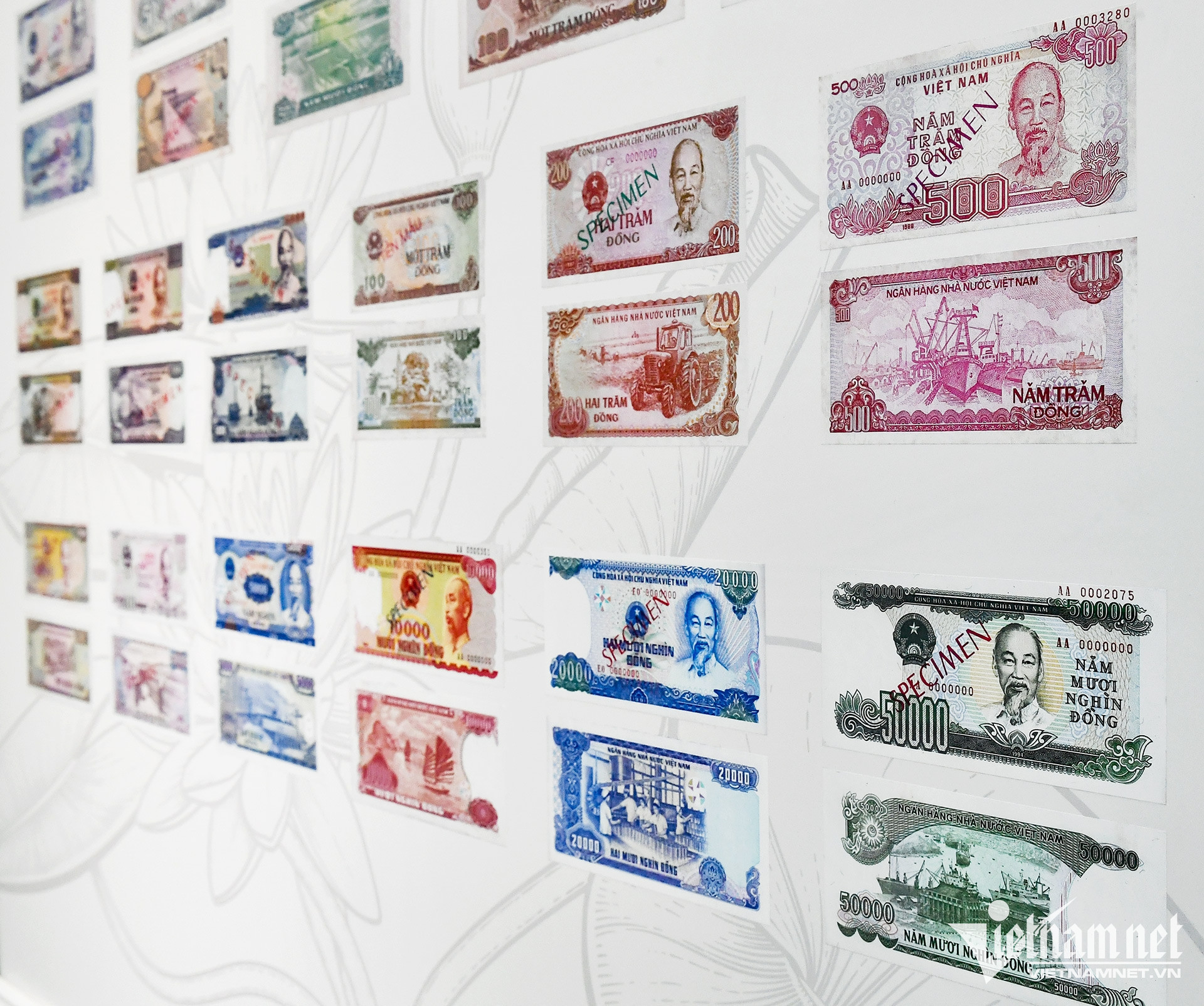
As inflation surged in the early years of Doi Moi, higher denominations were introduced. In 1987 - 1988, 1,000 dong, 2,000 dong and 5,000 dong notes appeared. In 1990 - 1991, the 10,000 dong cotton note was issued, followed in 1994 by 50,000 dong and 100,000 dong cotton notes with elaborate designs.
Notable imagery included the red-violet 10,000 dong note featuring Ha Long Bay, the light blue 20,000 dong note depicting a canned goods factory, the dark green 50,000 dong note with Nha Rong Wharf, and the brown 100,000 dong note showing the stilt house of President Ho Chi Minh.
Vietnamese currency from 2003 to the present
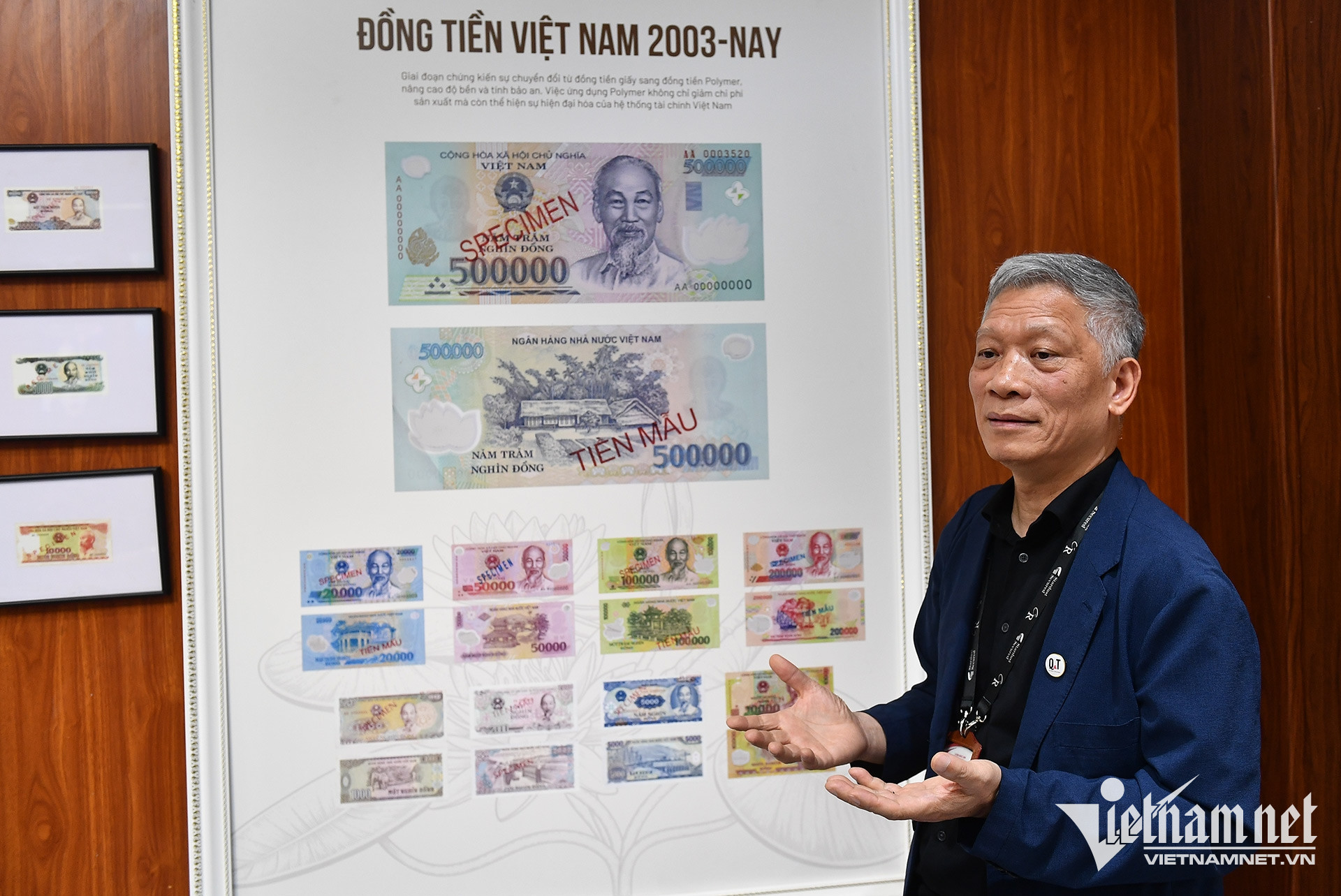
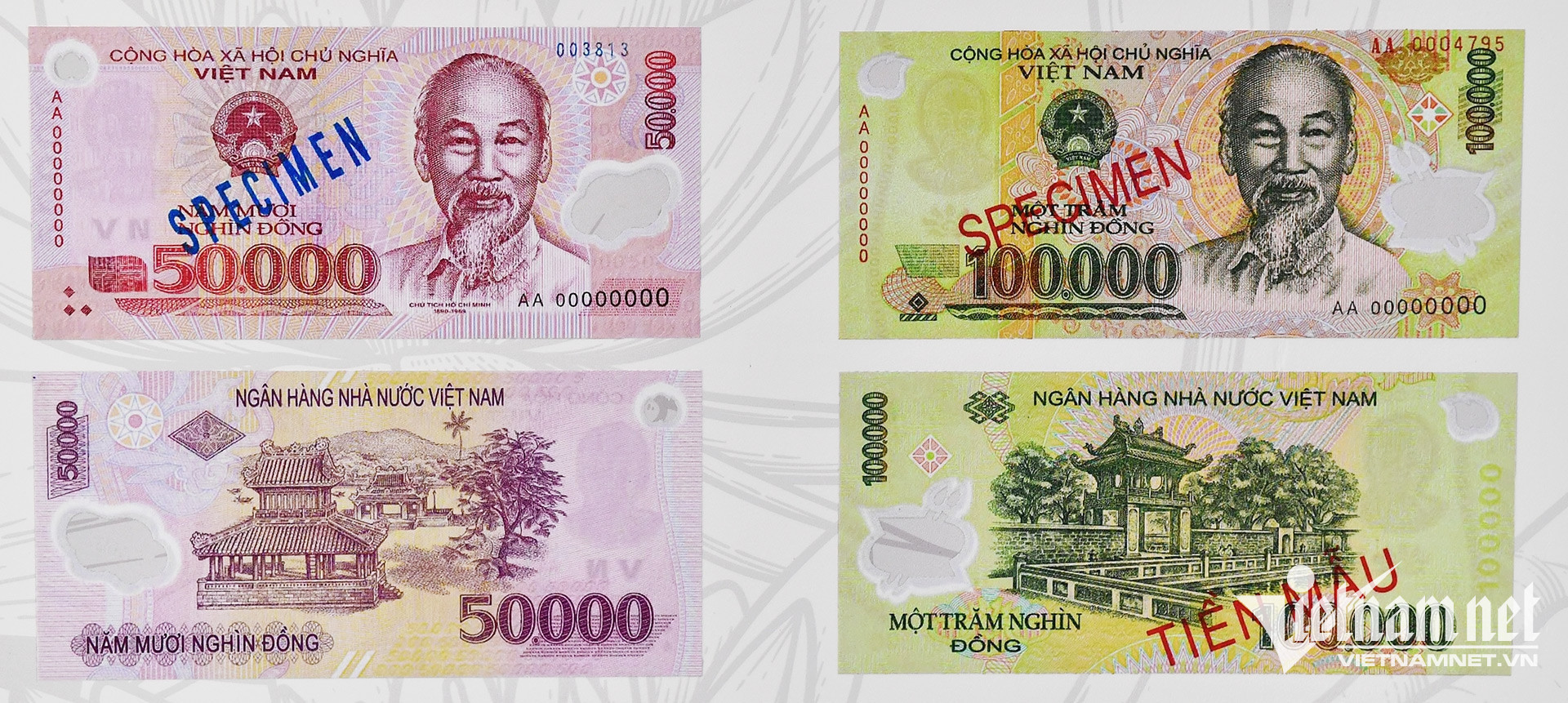
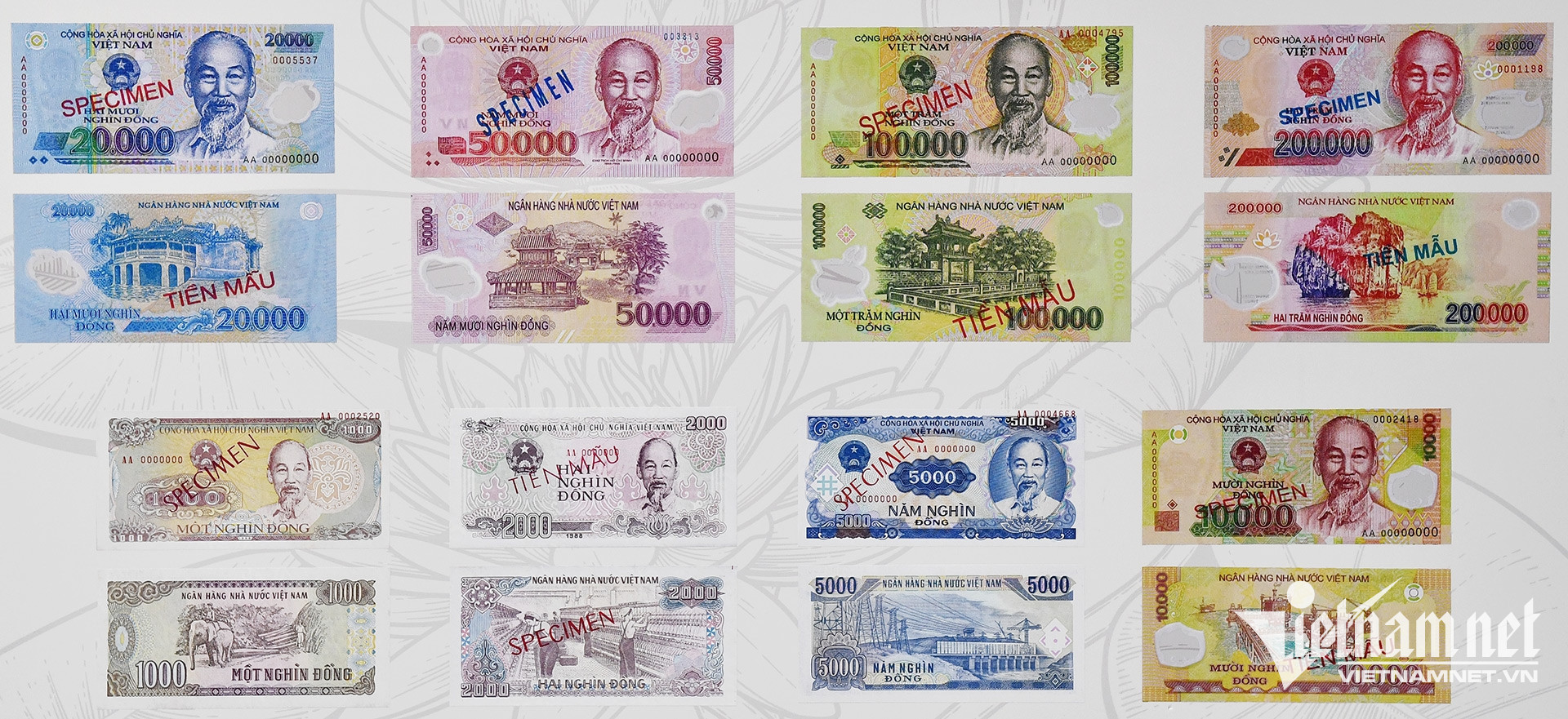
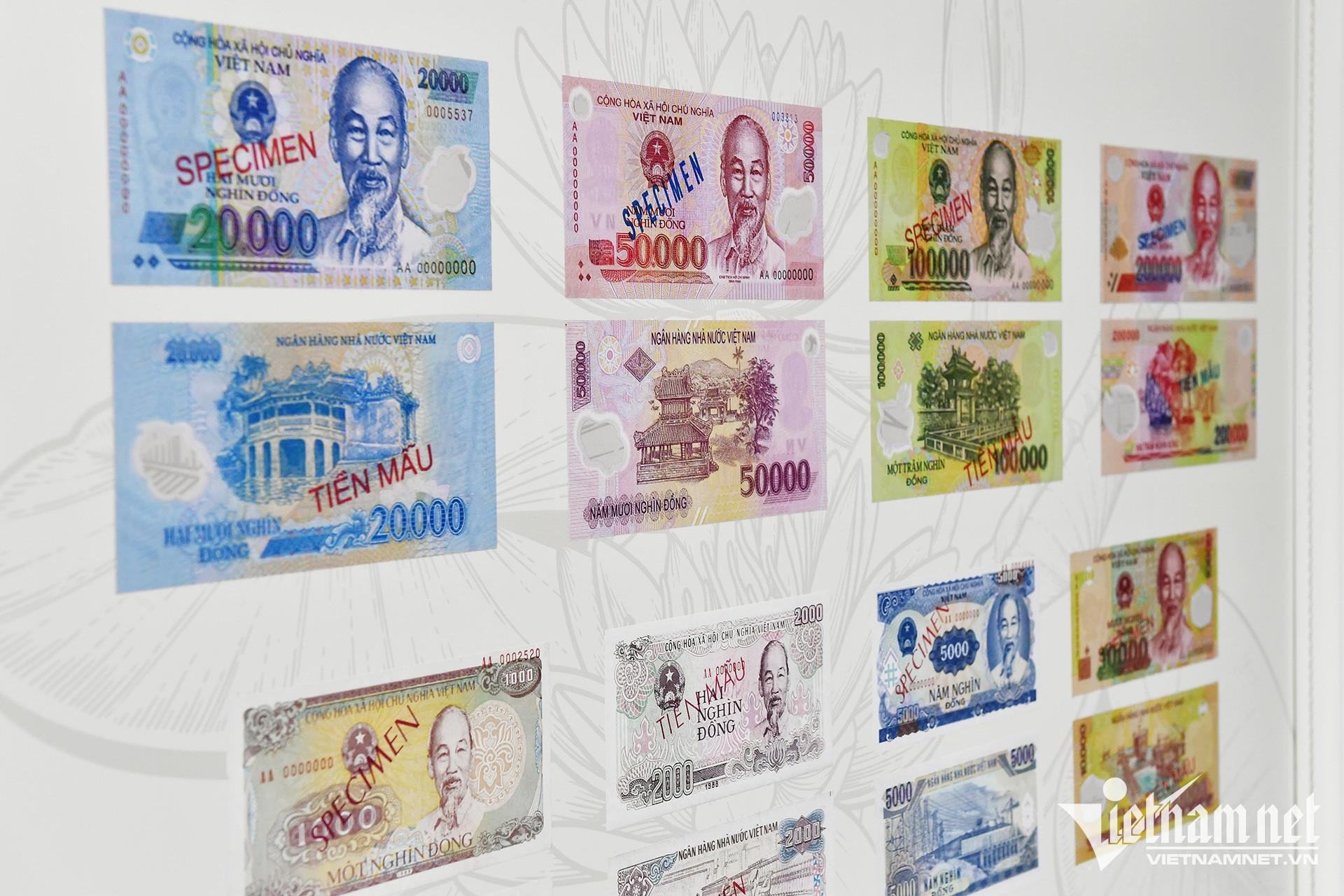
From 2003, Vietnam began issuing polymer banknotes, marking a significant shift in the development of the national currency. The move aimed to enhance anti-counterfeiting features, increase durability, resist tearing and water damage, and align with international practices.
At the same time, cotton paper notes, particularly in lower denominations, gradually played a smaller role in circulation. Since then, no further currency reform has taken place. Notes issued before and after 2003 continue to circulate concurrently under the law.
Today, 100 percent of medium and large denominations are produced in polymer, with a unified design: the portrait of President Ho Chi Minh on the front and scenic landscapes, cultural and economic landmarks of the country on the reverse.
Polymer notes incorporate modern security features such as transparent windows, latent images, color-shifting ink and ultraviolet-reactive serial numbers.
By 2026, Vietnam’s denomination system has remained largely stable, with no changes in face value or new replacement issues. Policy direction now focuses on reducing cash usage and promoting electronic payments such as QR codes, bank cards and e-wallets.
Hoang Ha - Thanh Hue
.svg)
