 Vietnamnet.vn

 Podcast



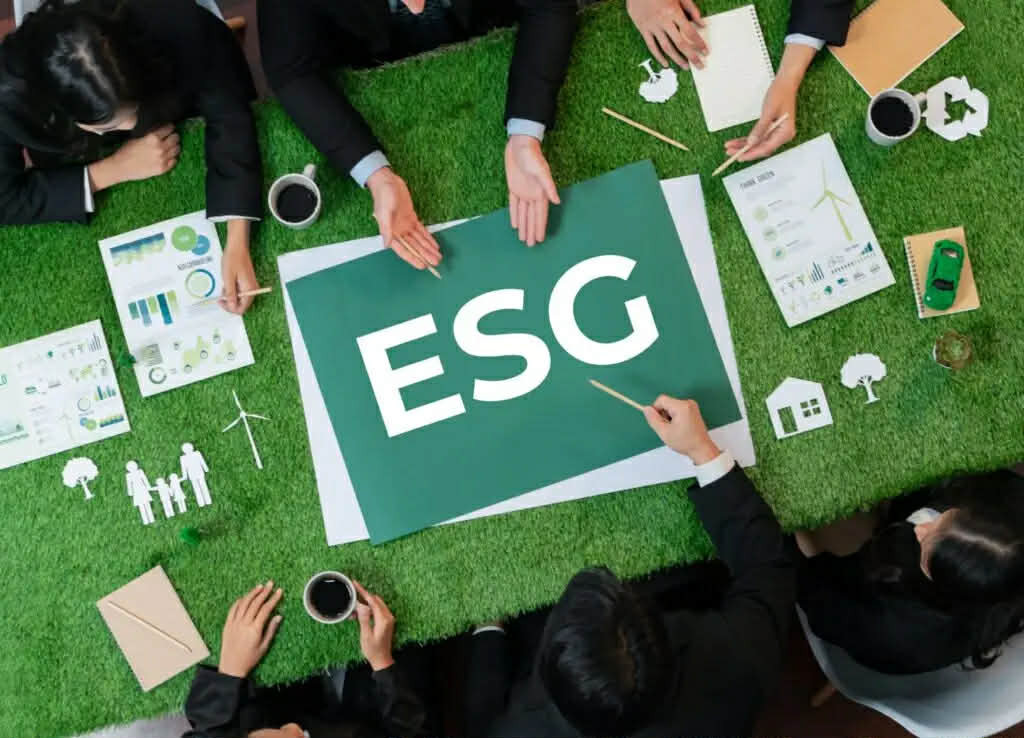
Once seen as an optional initiative or fleeting trend, ESG (Environmental, Social, and Governance) has now become an essential “passport” for Vietnamese companies aiming to go global, affirming their positions in international commerce while contributing to Vietnam’s Net Zero commitment.
ESG: From a “choice” to a necessity
On December 22, in Hanoi, the Vietnam ESG Forum 2025 took place under the theme “Science, technology, and momentum for sustainable development”, drawing strong interest from the business community.
Nguyen Hung, CEO of TPBank, offered a pragmatic perspective. He noted that ESG was once viewed as a strategic choice-those adopting it early enjoyed a competitive edge. But today, spending on digital transformation, data infrastructure, and ESG compliance is a necessity. Especially for projects involving international components, access to foreign capital, or partnerships with global financial institutions, ESG is becoming a near-mandatory requirement.
“Sooner or later, businesses must craft a roadmap for ESG implementation. Embracing ESG early is not a burden, but a long-term competitive advantage that empowers businesses to adapt to evolving policies, market standards, and partner expectations both domestically and internationally,” Hung emphasized.
The CEO pointed out that the challenge for Vietnamese companies now lies not in whether to invest in ESG, but in how to adjust cost structures to meet ESG standards while preserving competitiveness.
Although ESG may not yield immediate profits, it enhances governance capabilities, increases transparency, and boosts brand credibility-making it a long-term investment in the future.
In the ESG race, technology plays the role of a vital lifeline. Especially in the finance and banking sectors, it’s an indispensable tool. “Banks that don’t invest in technology will struggle to compete-or even survive,” Nguyen Hung warned.
When developing new services for corporate or individual clients, TPBank actively incorporates ESG elements to sharpen its competitive edge. For example, exporters without green certifications or renewable energy use are connected to international organizations that provide green financing with interest rates around 1.5% lower than conventional loans.
“Only when ESG is genuinely integrated throughout an enterprise’s entire value chain can it create meaningful value and deliver sustainable benefits,” Hung concluded.
Tailored strategies for each economic segment
According to Tran Thi Thu Trang, Chairwoman of the Bac Ninh Industrial Manufacturing Association, ESG implementation should not follow a rigid, one-size-fits-all approach. It must vary by business type.
For large enterprises, ESG is a non-negotiable requirement. They are the ones entering the global “playing field” and must meet international standards to deeply integrate into the global market.
In doing so, large firms should not only apply ESG internally but also play a leading role in guiding and supporting smaller companies within the value chain.
This alliance model between large and small enterprises is key to building collective economic strength-and it has proven effective in many countries worldwide.
For small and medium-sized enterprises (SMEs), Trang offered practical advice: “Focus on ESG elements that are clearly beneficial and align with your scale and operational reality.”
She warned against adopting ESG as a superficial trend without carefully considering long-term impact. True sustainability must begin with well-informed thinking-not by chasing surface-level movements. For instance, her own company has not yet installed solar panels due to concerns over how to dispose of lead-containing batteries.
For export businesses in particular, she underscored the need for transparency-especially in traceability. This is a critical condition for meeting international standards and sustaining long-term competitiveness.
PV
.svg)
