 Vietnamnet.vn

 Podcast



As Vietnam marks 80 years of ethnic affairs work from 1946 to 2026, Politburo member and Standing Vice Chairman of the National Assembly Do Van Chien has called for a major shift in thinking - from “support” to “proactive and sustainable development” - to transform ethnic minority regions into dynamic development spaces rich in cultural identity and future potential.
In an interview with VietNamNet, Chien stressed that ethnic affairs must be elevated beyond social welfare policies and placed within the country’s broader strategic vision as Vietnam enters a new phase of development.
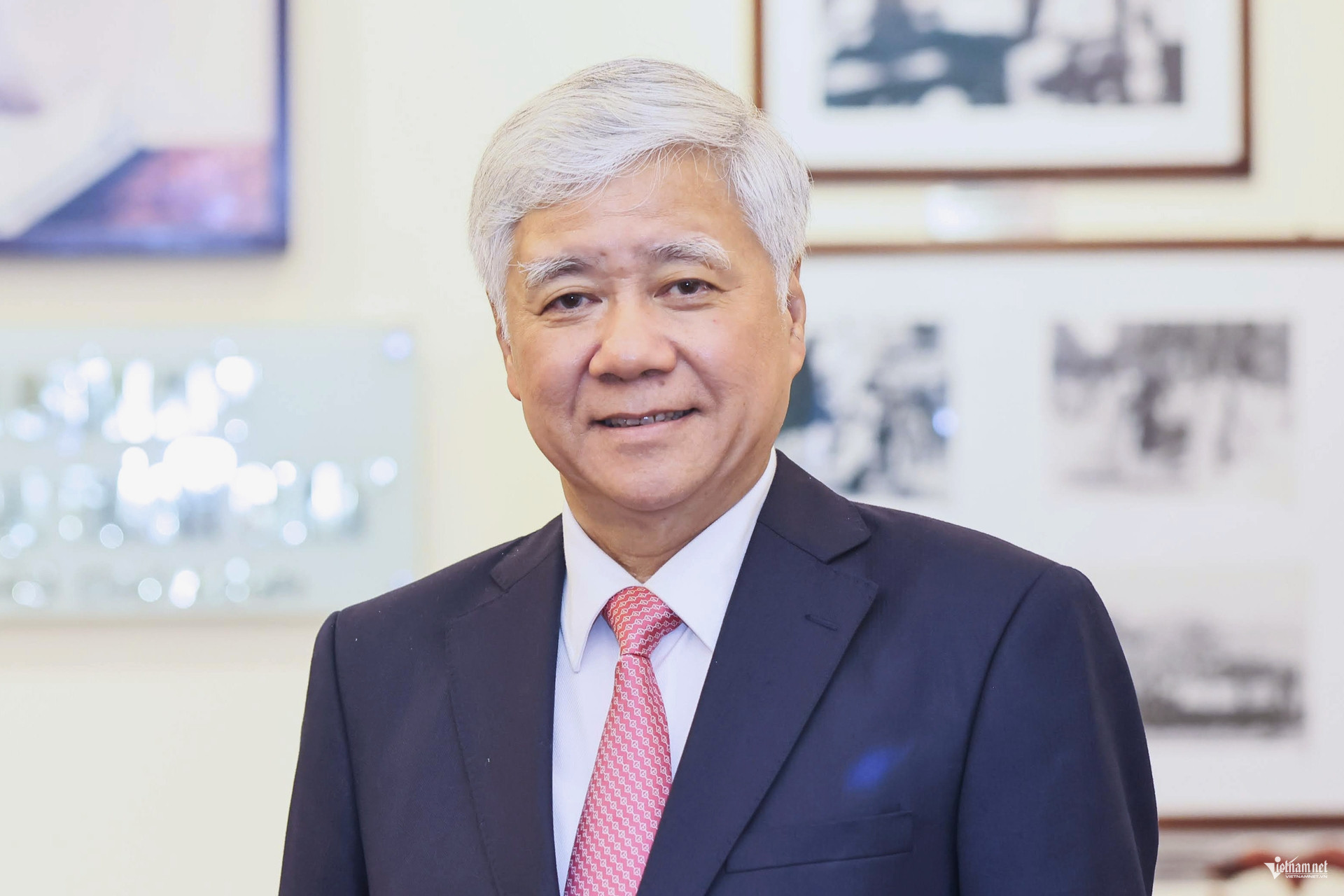
VietNamNet: Looking back on 80 years of ethnic affairs work, what is the core value that Vietnam must preserve at all costs?
Do Van Chien: Over the past 80 years, in every historical circumstance - from wartime resistance to national construction and development - our ethnic affairs work has consistently upheld one core value: great national unity.
This is not merely a policy, but a strategic source of strength and the decisive factor behind every victory of the Vietnamese revolution.
Unity is not a slogan. It is the deep bond among ethnic groups, built on equality, mutual respect, mutual support and shared development.
We must preserve at all costs the principle that all ethnic groups are equal, united, respectful and supportive of one another in progress. We must preserve the people’s trust in the Party and the State, and especially preserve and promote cultural identity - the source of vitality for every ethnic group.
Safeguarding the great national unity bloc means safeguarding the very foundation of the nation’s existence and development.
As Vietnam enters a new phase of development, how should ethnic affairs work be positioned within the country’s broader strategic vision?
Do Van Chien: As Vietnam moves into a new development phase with the goal of becoming a developed, high-income nation, ethnic affairs work can no longer stop at social welfare or support policies. It must be integrated into the country’s overarching strategic vision.
Ethnic affairs work in the new era must become a pillar of the national development strategy, not merely the implementation of support policies.
First of all, we must clearly recognize that ethnic minority and mountainous regions are not “low-lying areas” but strategic development spaces of special importance in terms of economy, culture, national defense, security and ecological sustainability.
Ethnic affairs work must strongly shift from a mindset of “support” to one of “proactive and sustainable development,” and from “solving difficulties” to “unlocking potential.”
In this process, people must be the center and the driving force. Infrastructure is the foundation, while education, science, technology and digital transformation are the engines of development.
At the same time, ethnic affairs work must be closely tied to Vietnam’s national development strategy and the strategy of protecting the nation early and from afar, ensuring political stability, strengthening public trust and reinforcing the country’s internal strength.
Ethnic affairs work in the new era must become a pillar of the national development strategy, not merely the implementation of support policies.
In your view, what needs to be done for ethnic minority regions not only to catch up but also become new development spaces for the country?
Do Van Chien: Developing ethnic minority regions is not simply about narrowing gaps. It is about opening up a new growth pole for the country.
If we want ethnic minority areas not only to catch up but to rise as new development spaces, we need a comprehensive, decisive and focused approach.
First is infrastructure breakthroughs - transportation, electricity, telecommunications and digital infrastructure - to eliminate isolation and create pathways for development.
Second is human resource development, improving education, vocational training and enabling ethnic minority communities to master knowledge and technology and gradually participate in the digital economy.
Third is effectively tapping into each region’s unique strengths, such as forestry, medicinal herbs, eco-tourism and cultural tourism, while preserving identity and ensuring sustainable development.
Fourth is improving institutions and policies so they are strong and flexible enough to encourage business investment, attract social resources and at the same time promote the role of local people as development actors.
And one very important factor is maintaining political stability and strengthening great national unity, ensuring ethnic and religious issues are not exploited to sow division.
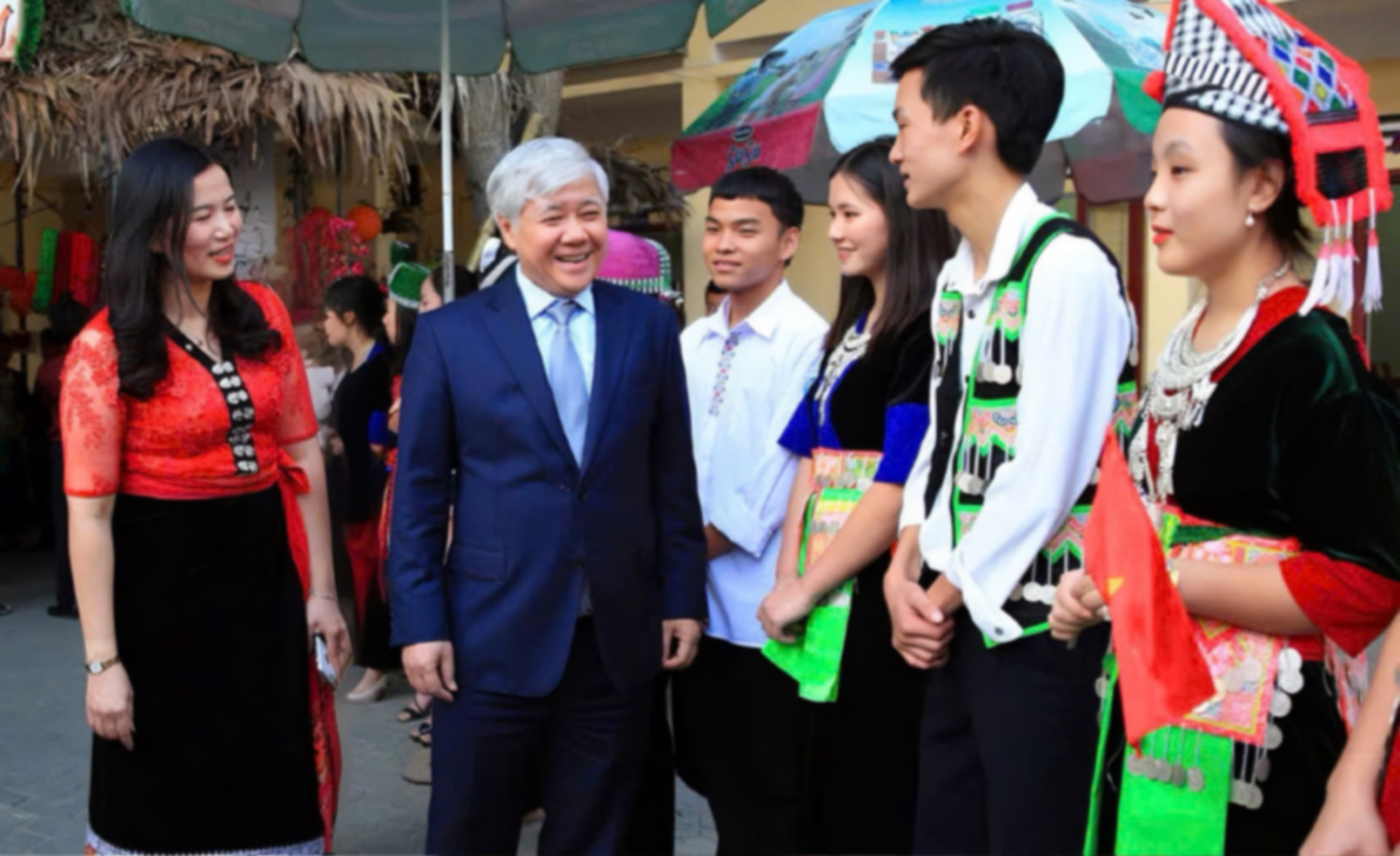
During the development process, how can Vietnam both promote economic growth in ethnic minority areas and preserve traditional cultural identity?
Do Van Chien: This is a principled requirement. It is not an “either-or” choice, but rather a matter of coexistence and co-development.
We clearly understand that culture is not something separate from development. It is the foundation and an important internal resource for sustainable development.
If we trade away identity for short-term economic growth, what we lose will be far greater than what we gain.
Therefore, in every policy and guideline, we must consistently uphold the principle that economic development must go hand in hand with preserving and promoting traditional cultural values.
Each ethnic group and each locality possesses unique values. These are not only heritage assets but also valuable resources and competitive advantages if properly developed.
We need to make culture part of the development model - from community tourism and OCOP products to cultural industries deeply rooted in local identity.
At the same time, we must focus on educating younger generations so they can integrate globally without losing their roots.
Preserving identity while creating prosperity from that identity is the path toward sustainable development. Development without identity means losing one’s roots.
From the perspective of the National Assembly and the political system, what policy or institutional breakthroughs are needed to elevate ethnic affairs work?
Do Van Chien: To elevate ethnic affairs work in this new development era, the most important thing is to create breakthroughs in institutions, policies and the synchronized participation of the entire political system.
First, we need to continue improving the legal framework for ethnic affairs in a synchronized, unified and long-term stable direction, overcoming fragmentation and overlapping policies.
Programs and policies must be designed in an integrated manner - strong enough, flexible enough and suitable for the characteristics of each region and ethnic group.
The National Assembly must strengthen its legislative and supreme oversight functions to ensure policies are effectively implemented in practice while allocating resources in a focused and strategic manner, prioritizing areas capable of creating fundamental transformation.
One particularly important breakthrough is reforming decentralization and delegation mechanisms, combined with effective supervision and oversight, allowing local authorities to become more proactive and creative while maintaining discipline and unity.
In addition, Vietnam needs special policies attractive enough to mobilize social resources and encourage businesses to invest in ethnic minority regions, while promoting local people as the center of development rather than passive beneficiaries.
And finally, special attention must be paid to personnel work - building a team of officials engaged in ethnic affairs who have both dedication and capability, understand local realities and remain close to the people.
An institutional breakthrough is not simply about revising a few policies. It is about creating a strong enough development framework for ethnic minority regions to break through and rise together with the rest of the country.
Tuan Hung
.svg)
