 Vietnamnet.vn

 Podcast



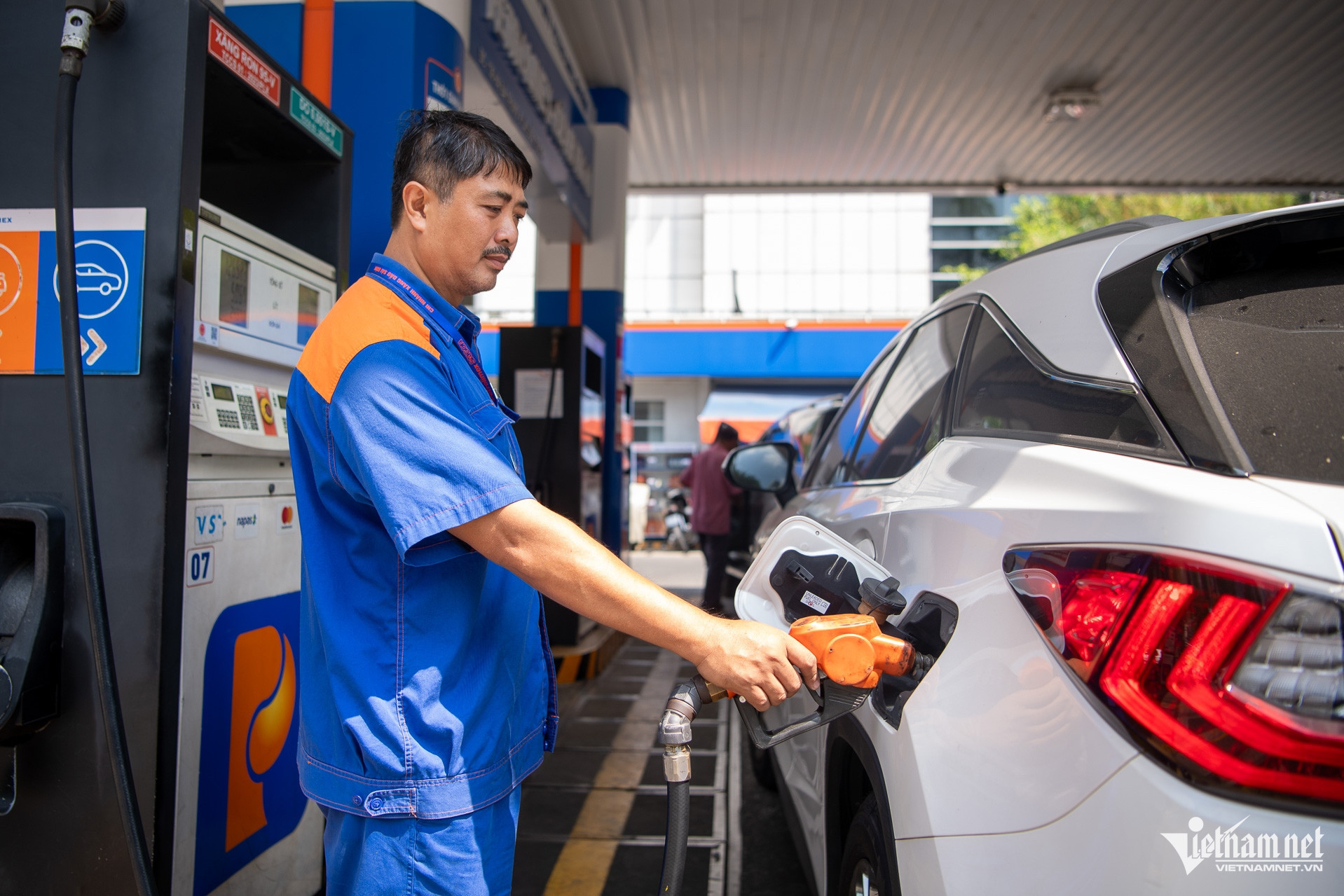
The concern is not unfounded because, from a technical standpoint, ethanol has characteristics that differ significantly from traditional mineral gasoline. E10 is a fuel grade containing 10 percent bioethanol (derived from corn, potatoes, cassava, etc.) blended with 90 percent mineral gasoline.
One of the advantages of biofuel is its high octane rating, which helps the fuel better resist engine knocking. However, ethanol has a lower heating value than traditional gasoline, meaning the amount of energy generated when burning the same volume of fuel will be lower.
Put simply, to generate the same level of power, an engine might need to consume slightly more fuel when utilizing E10.
According to studies, the disparity in fuel consumption between E10 and RON95 mineral gasoline fluctuates around 1–5 percent, depending on the engine type and operating conditions. This is also why many drivers feel their vehicles consume more petrol after switching to biofuel.
When ambient temperatures surge, fuel inside the storage tank tends to expand and evaporate more aggressively. The ethanol in E10 gasoline also exhibits distinct moisture-absorption characteristics and vapor pressures compared to mineral gasoline, causing many to worry that vehicles will experience higher fuel consumption in the summer.
However, technical experts assert that this loss in modern automobiles is practically negligible because contemporary fuel systems are all designed to be airtight and feature an Evaporative Emission Control System (EVAP). In reality, an outdoor temperature of 40–45°C remains minuscule compared to the internal operating environment of the engine and combustion chamber, where temperatures can soar to hundreds or even thousands of degrees Celsius.
Many vehicle owners experience increased fuel consumption during the hot season stems primarily from operating conditions. When it is hot, the air conditioner must operate at a higher capacity, and the cooling fan runs more frequently, while traffic congestion that forces cars to "crawl" on the road also makes fuel consumption far more noticeable. However, this consumption rate applies broadly to all fuel types, not uniquely to E10 gasoline.
Therefore, users should not be overly concerned about E10 causing severe fuel consumption during the summer. If the vehicle is properly maintained, tires are inflated to the correct pressure, and the fuel system operates well, the consumption disparity is usually not excessive.
More importantly, vehicle usage habits during the hot season, such as leaving the engine idling while waiting for long periods, running the air conditioner at a constantly low temperature, or driving at high speeds under intense sunlight, are the actual factors that cause fuel bills to increase.
On social media networks, numerous posts have circulated warnings that E10 gasoline can cause fuel line blockages, reduce engine power, damage rubber gaskets, or even require users to “shake the vehicle” prior to use.
The Vietnam Biofuel Association stated that this information lacks a clear scientific basis.
Do Van Tuan, chair of the Association, noted that many rumors surrounding E10 gasoline are being exaggerated, creating anxiety for vehicle users.
Information claiming that E10 gasoline causes vehicles to lose power, clogs fuel injectors, or forces the addition of supporting additives is entirely inaccurate. Users can fully utilize this fuel in strict accordance with manufacturer recommendations without needing to add any additives.
"Additives with unverified quality can harm the engine. When an incident occurs, it is highly challenging to determine whether the root cause stemmed from the additive or from the fuel. So using standardized E10 gasoline without mixing in unverified, floating additives remains the safest solution for vehicles,” Tuan recommended.
One of the widespread anxieties currently is that the ethanol in E10 gasoline has the capacity to absorb moisture from the air, thereby leading to water separation inside the fuel tank if the vehicle is left idle for many days.
However, this is unlikely to occur under normal usage conditions.
Another issue causing many vehicle owners to feel anxious is the phenomenon of clogged fuel injectors or blocked fuel lines when switching to E10 gasoline, leading to vehicles having difficulty starting or experiencing engine vibrations, stuttering, and high fuel consumption.
According to the representative of the Vietnam Biofuel Association, ethanol by nature possesses mild solvent properties. For vehicles that have utilized mineral gasoline for a prolonged duration, the fuel system may contain accumulated deposits and dirt.
Hoang Hiep
.svg)
