 Vietnamnet.vn

 Podcast



Vietnam's National Center for Hydro-Meteorological Forecasting has released its latest seasonal outlook, indicating that ENSO conditions will remain in the El Nino phase during the final six months of the year. Sea surface temperatures in the central Pacific are currently around 0.9 degrees Celsius above the long-term average, with El Nino expected to intensify further toward the end of 2026 and potentially reach a very strong level.
Temperatures expected to remain above average
From July to September 2026, average temperatures across Vietnam are forecast to be between 0.5 and 1.5 degrees Celsius above long-term averages.
The warming trend is expected to continue from October through December, when temperatures are projected to remain 1 to 2 degrees Celsius above normal, with some areas potentially recording even higher anomalies.
During the July-September period, heatwaves are expected to occur more frequently than average in northern Vietnam, the region stretching from Thanh Hoa to Hue, and the South Central Coast. Heat conditions in the north are expected to gradually ease from early September, while central regions are likely to see relief beginning in the second half of the month.
Meteorologists note that the influence of El Nino could lead not only to more frequent heatwaves in northern and central Vietnam but also to temperatures that surpass historical records.
Rainfall to fluctuate significantly
According to the seasonal forecast, rainfall in July is expected to remain close to average nationwide, although northern Vietnam and the Central Highlands may receive between 5% and 15% more rain than usual.
Rainfall is forecast to increase further in August, ranging from 10% to 30% above average across much of the country. In some parts of the Northeast and areas between Thanh Hoa and Hue, rainfall could be 25% to 50% higher than normal.
Conditions are expected to shift in September, with rainfall generally falling 5% to 20% below average. Rainfall in the Central Highlands and southern Vietnam is expected to remain near seasonal norms.
From October through December, rainfall deficits are forecast across many regions, particularly in central Vietnam, the Central Highlands and the south. Northern Vietnam and the area stretching from Thanh Hoa to Ha Tinh may be exceptions, with rainfall in November and December potentially exceeding long-term averages by 10% to 30%.
Storms and extreme weather remain a concern
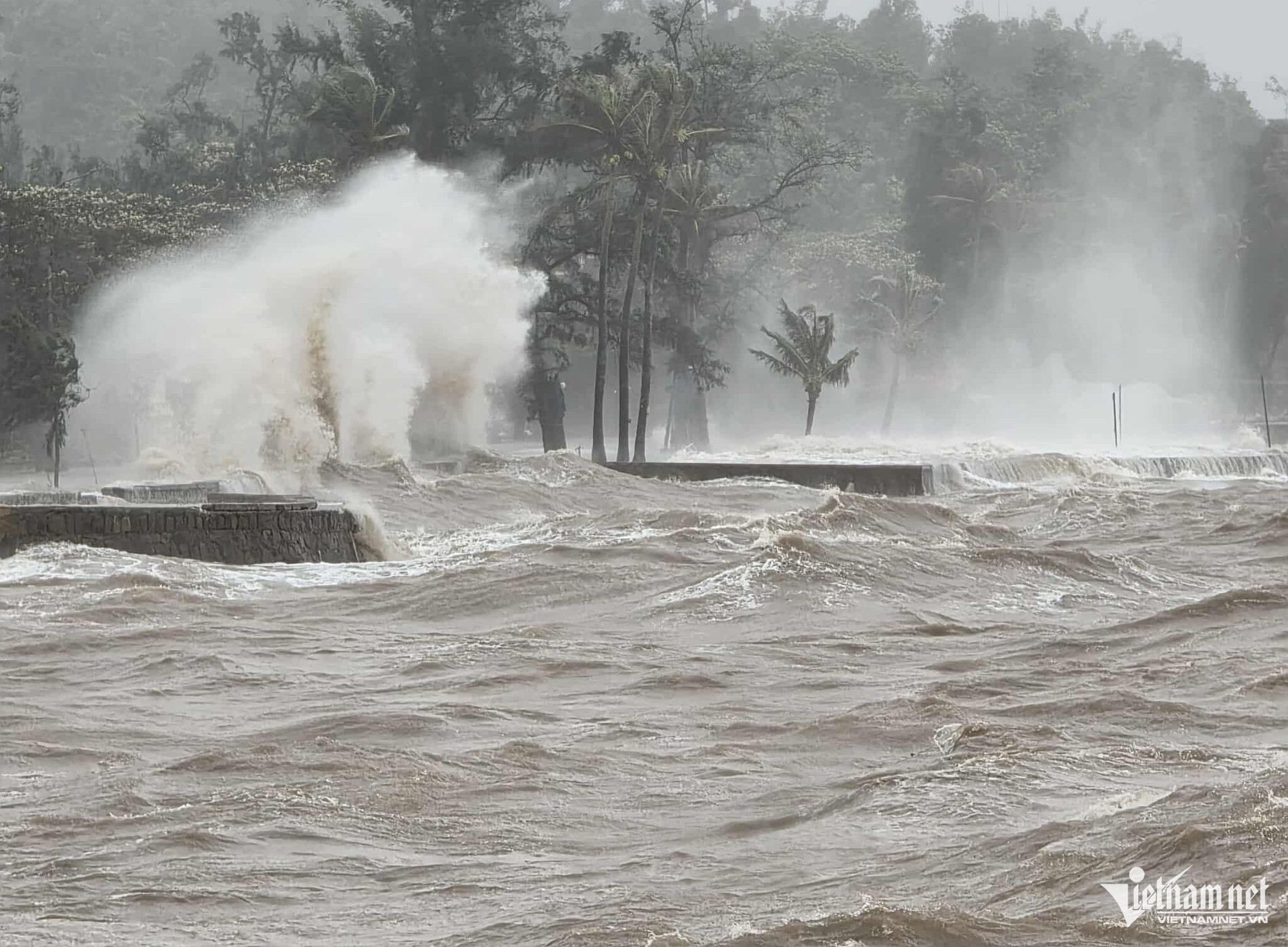
Between July and September, tropical storms and tropical depressions in the East Sea are expected to occur at levels close to historical averages, with approximately 6.5 systems forming over the East Sea and 2.8 making landfall or directly affecting Vietnam.
From October to December, storm activity is forecast to remain below average, compared with the long-term norm of 4.5 tropical systems over the East Sea and 1.9 affecting the Vietnamese mainland.
Meteorologists note that although El Nino years often see fewer tropical cyclones than average, the risk of extremely powerful and destructive storms remains.
The weather agency also warned that severe weather events, including thunderstorms, tornadoes, lightning, hail and damaging winds, could occur across the country during the second half of the year.
Moderate to heavy rainfall is expected across northern Vietnam, the Thanh Hoa-Hue corridor, the Central Highlands and southern Vietnam during July and August. From September through December, widespread heavy rainfall events remain possible, particularly in central provinces.
In addition, cold air outbreaks are expected to increase in both intensity and frequency from November onward. However, periods of severe and damaging cold are likely to occur less frequently than the long-term average.
Authorities have been advised to closely monitor developments related to El Nino, tropical storms and extreme weather conditions while preparing response plans for heatwaves, drought, water shortages, heavy rainfall, flash floods and landslides.
Reservoir operators have also been urged to regularly update weather forecasts to ensure safe operations and protect downstream communities.
Bao Anh
.svg)
