 Vietnamnet.vn

 Podcast



Hundreds of counterfeit luxury and sportswear products have been uncovered at shops in Phu Tho and Can Tho, adding to a series of cases spanning stores, warehouses, social media, transport routes and large-scale production sites.
Counterfeit luxury goods move from shops to warehouses and social media
Police in Phu Tho Province said on August 11 that investigators had launched criminal proceedings against Nguyen Hai Linh, owner of Kai Store, for alleged infringement of industrial property rights.
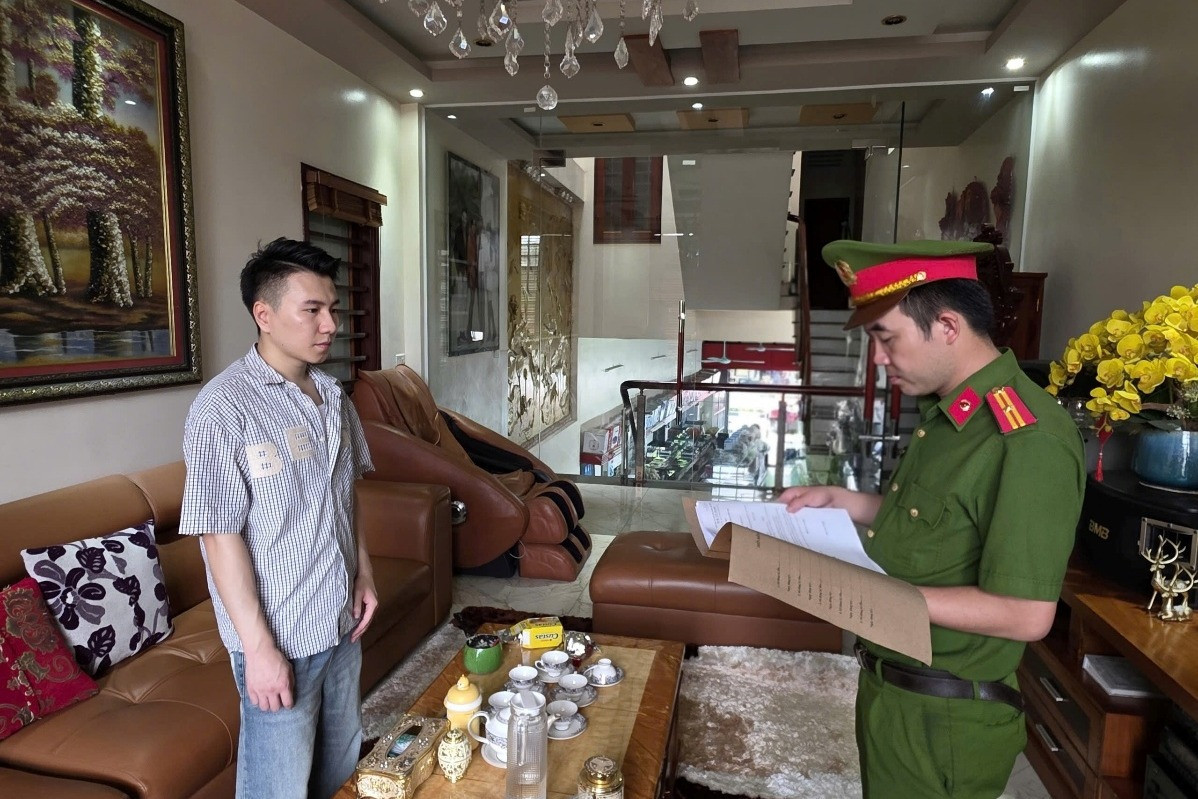
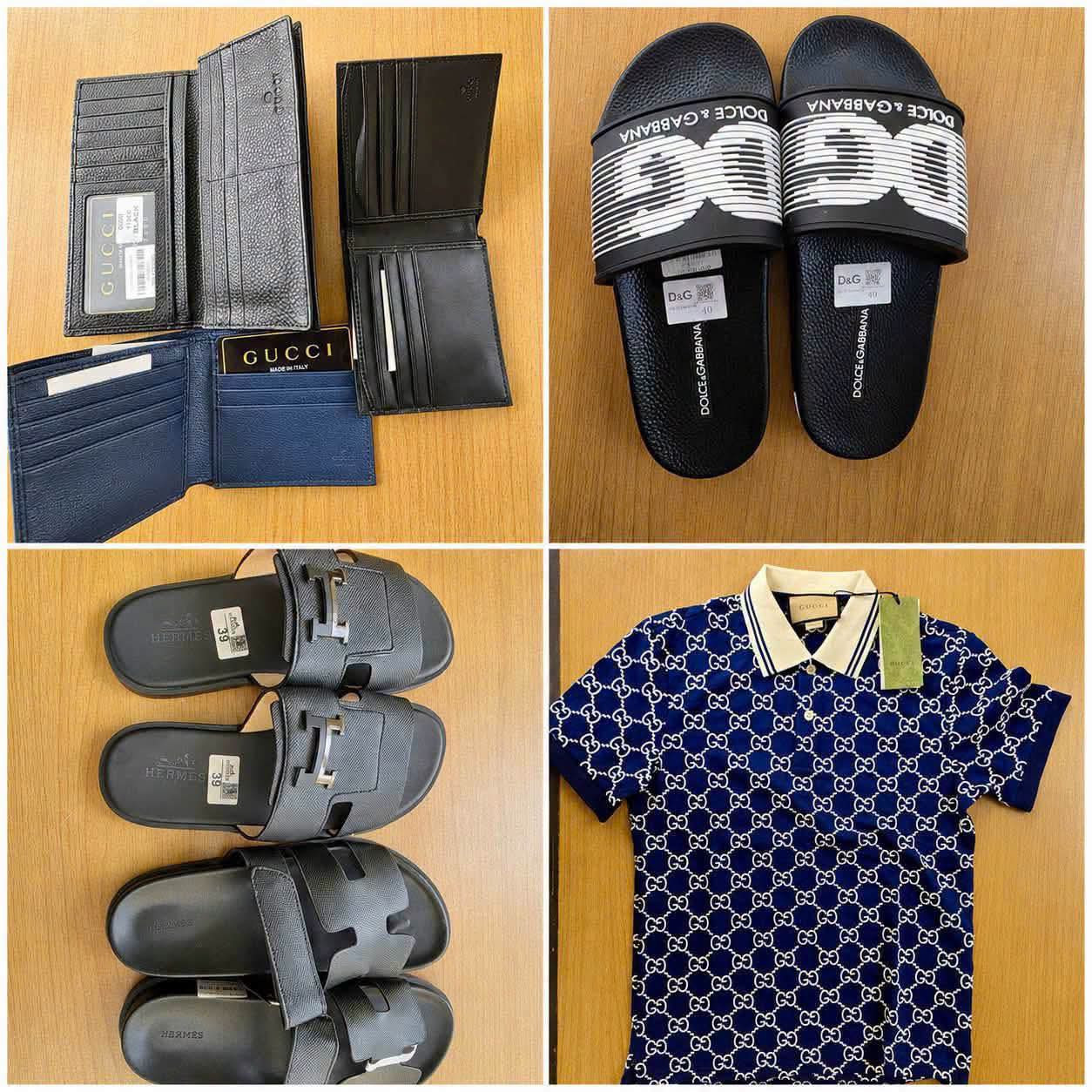
Earlier inspections of three premises in Vinh Phuc and Vinh Yen wards uncovered 469 fashion products carrying well-known brand names.
The items included clothing, shoes, sandals, wallets, socks and hats bearing labels such as Louis Vuitton, Dior, Nike, Gucci, Hermes, Adidas and MLB. The business owner was unable to provide invoices or documents proving their origin.
An assessment issued on July 10 determined that all 469 products were counterfeit goods bearing trademarks protected in Vietnam.
The Phu Tho case is one of several recent investigations into counterfeit branded goods. Across the country, authorities have seized thousands of clothing items, shoes and bags carrying famous brand names, revealing how counterfeits are moving through multiple stages of the market — from shops and warehouses to online sales channels and manufacturing facilities.
In Can Tho City, Huynh Ha Thi, owner of Ti Ti-Sy shop, was prosecuted on August 8 after police discovered 1,185 items of clothing carrying well-known brand names, with a total value of more than VND380 million ($14,400). Thi admitted that the business had been selling counterfeit branded clothing.

Another case in Can Tho involved Thanh Hien Luxury. Police seized 2,949 items, including clothing, footwear, hats, belts, backpacks, handbags and wallets suspected of carrying counterfeit Burberry, Louis Vuitton, Gucci, Dior and Hermes trademarks. The goods were valued at more than VND1.9 billion ($72,200).
Store owner Huynh Thanh Hien told investigators that the goods had been purchased from unidentified sources without invoices or supporting documents. They were then advertised and sold through Zalo, TikTok, Facebook and Shopee, as well as directly at the store.
Another counterfeit trademark case was uncovered in Ho Chi Minh City.
In May 2026, the city’s Economic Police Division inspected three stores belonging to the K.W Sneaker chain and seized 1,412 pairs of shoes and sandals suspected of carrying counterfeit trademarks. The goods were valued at nearly VND3.4 billion ($129,200).
Nguyen Tran Viet Hoang, a representative of the business, was subsequently prosecuted.
Investigators said Hoang purchased the products through online groups without invoices or documentation and resold them at the stores. Police determined that he had sold thousands of pairs of shoes and sandals, earning more than VND1 billion ($38,000) in profit.
While those cases involved retail outlets, authorities in Khanh Hoa Province uncovered a warehouse operation.
On May 21, police inspected a warehouse on 23/10 Street in Tay Nha Trang Ward and seized more than 500 pairs of shoes and sandals carrying various well-known brand names but accompanied by no invoices or documentation.
Warehouse operator Nguyen Tan Huy told police that he used Facebook, Zalo and WeChat to arrange purchases of counterfeit footwear. The goods were delivered to the warehouse, where he photographed and filmed them before advertising them for between VND500,000 and VND1 million ($19-$38) a pair.
Huy was later prosecuted.
In Lang Son Province, suspected counterfeit goods were intercepted while in transit. In May 2026, authorities stopped four container trucks carrying products suspected of infringing a range of well-known trademarks, with the shipment valued at nearly VND1.5 billion ($57,000).
Initial investigations found that those involved had allegedly exploited transit arrangements to move counterfeit goods from abroad through the province.
Large-scale counterfeit manufacturing workshops uncovered
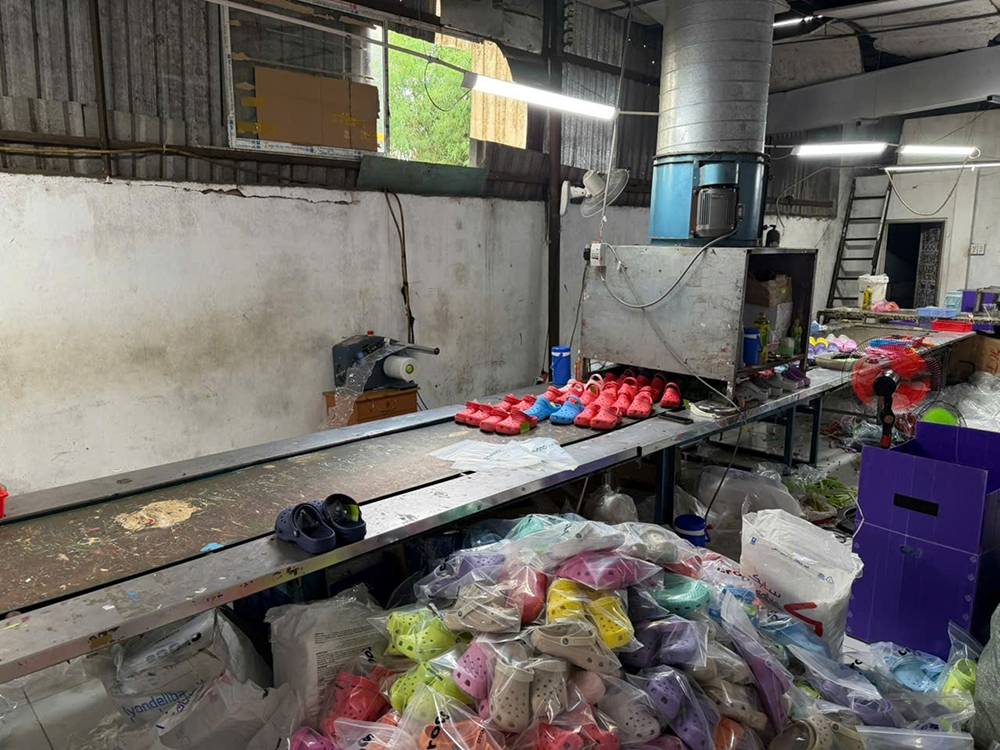
Counterfeit products have not only surfaced in shops, warehouses and transport networks. In several cases, authorities have traced them directly to domestic processing and manufacturing facilities.
In Hanoi, police said on August 3 that an inspection of a household business selling bags and wallets bearing Louis Vuitton and Gucci branding in Kim Lien Ward resulted in the seizure of 24 products suspected of infringing industrial property rights.
Investigators said that since early 2022, two people involved in the operation had worked with several domestic leather-goods manufacturers and used Facebook to advertise and sell the products.
Since the beginning of 2026 alone, the business had ordered and sold 129 counterfeit products, generating around VND714 million ($27,100) in profit.
As the investigation expanded, authorities identified a processing workshop in Thanh Liet Ward managed by L.M.Q. and D.T.T.D.
Police found machinery, equipment and raw materials at the workshop used to manufacture goods suspected of infringing industrial property rights.
An even larger operation was uncovered in Ho Chi Minh City.
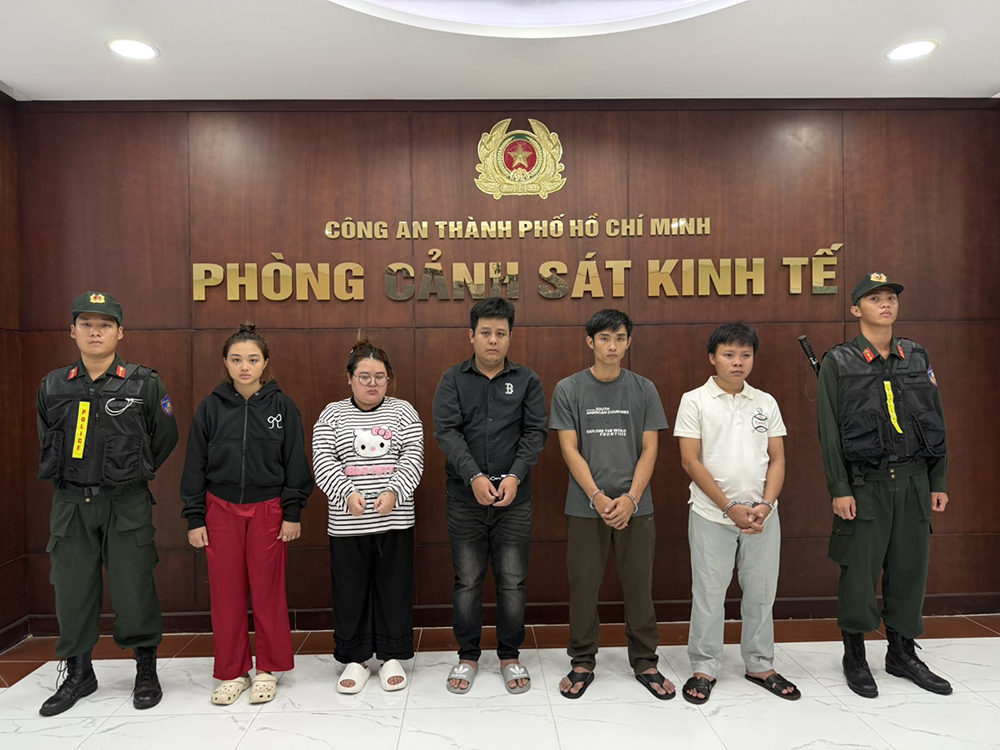
In late May, the Economic Police Division inspected two workshops operated by husband and wife Dang Phuoc Dat and Vu Thi Thu Thuy, seizing more than 23,000 pairs of sandals suspected of carrying counterfeit Nike, Adidas, Crocs and Gucci trademarks. The goods were estimated to be worth more than VND2 billion ($76,000).
Authorities also found accessories, labels, machinery and production equipment at the workshops.
Initial investigations found that the operation had been running since June 2025 and employed 14 workers, with production organized across multiple stages, from molding and label application to packaging.
Police said the network had generated tens of billions of dong in illicit profits. Five suspects were prosecuted.
Although the cases were uncovered and handled by authorities in different provinces and at different times, taken together they illustrate the breadth of Vietnam’s counterfeit fashion trade.
Fake branded goods have been found at nearly every stage of the supply chain - in retail stores and warehouses, on social media and e-commerce platforms, along transport routes, and inside workshops equipped with machinery, workers and organized production processes.
Duc Phong
.svg)
