 Vietnamnet.vn

 Podcast



Discover how major infrastructure projects have transformed Ho Chi Minh City over the 50 years since it was renamed in 1976.
On July 2, 1976, during the first session of the sixth National Assembly, lawmakers officially renamed Saigon-Gia Dinh as Ho Chi Minh City, marking a new chapter as the city joined the rest of the country in building socialism.
Over the past 50 years, Ho Chi Minh City has invested in a series of large-scale infrastructure projects that have expanded urban space, driven economic growth and improved residents' quality of life.
Major boulevards opened new paths for urban growth
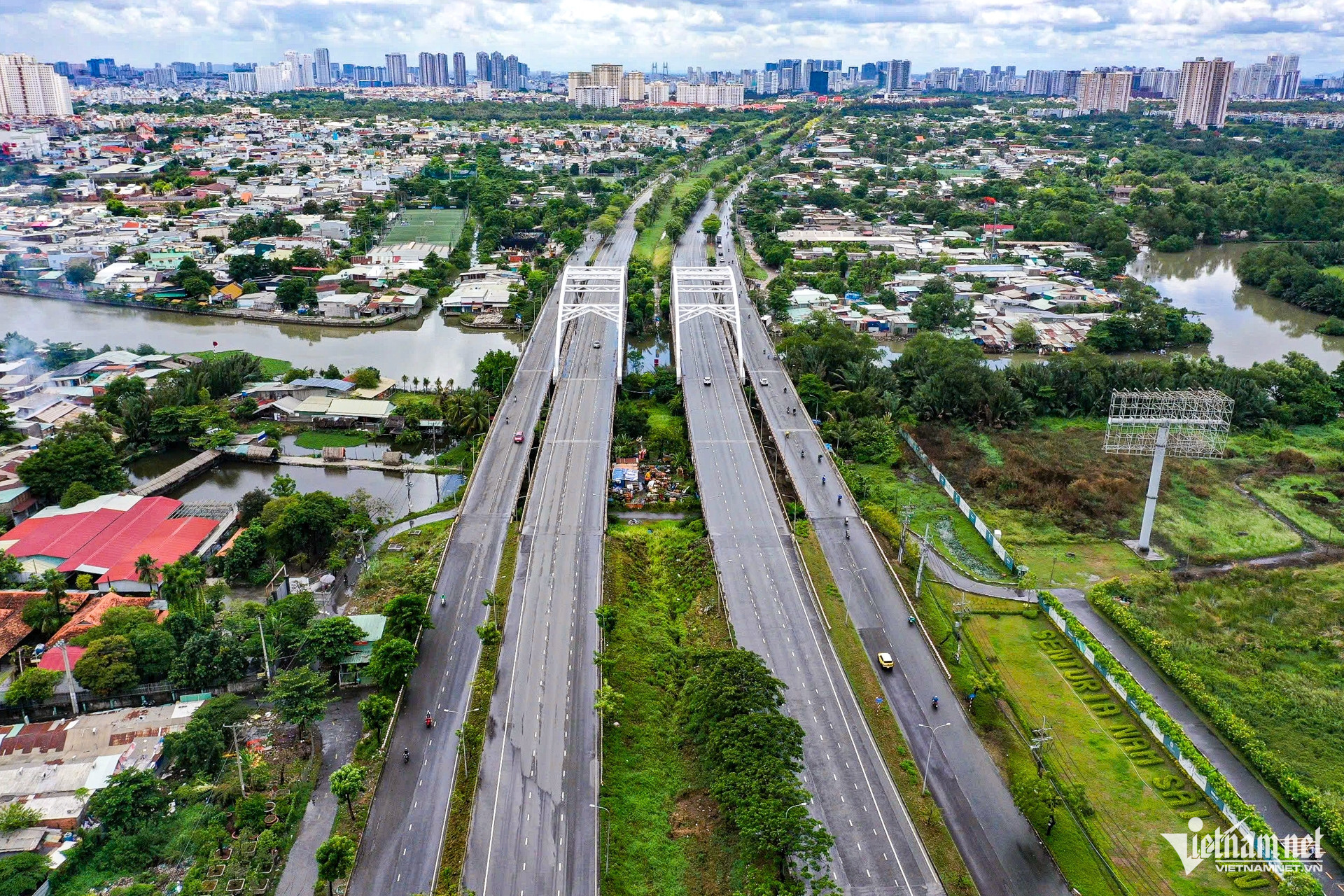
Nguyen Van Linh Boulevard, part of Ring Road 2, was one of the earliest milestones in reshaping the city's urban structure.
Construction began in 1996, and the nearly 18-kilometer boulevard was fully completed in 2007. Running through the southern part of the city, the road marked a turning point in Ho Chi Minh City's urban development strategy.
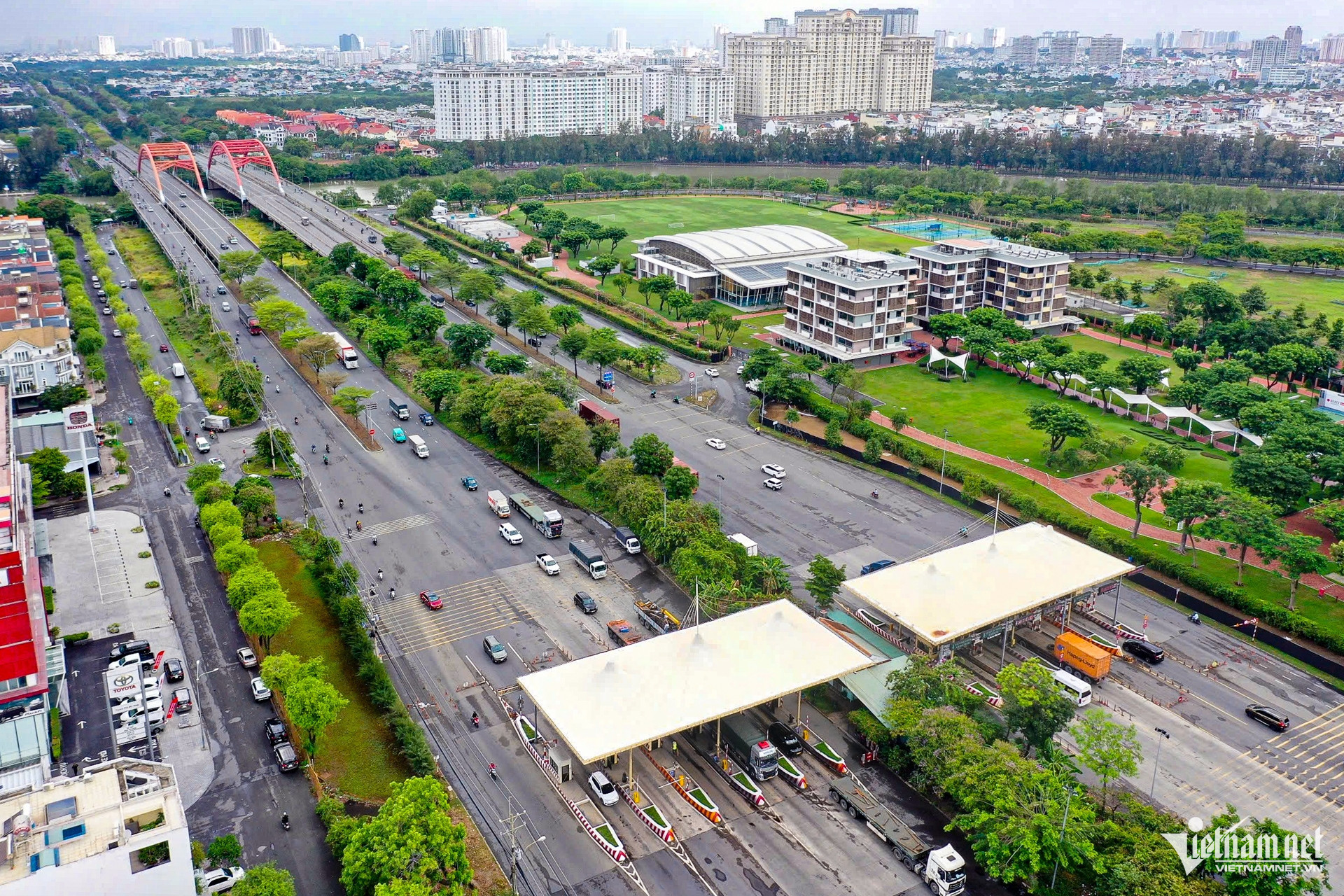
Before its construction, much of southern Ho Chi Minh City consisted of low-lying land with sparse populations and limited infrastructure. The boulevard created a vital connection between the city center, Nha Be, Binh Chanh and the southern gateway to the sea.
More than a transport corridor, Nguyen Van Linh Boulevard became the backbone for the development of numerous residential, commercial and service areas.
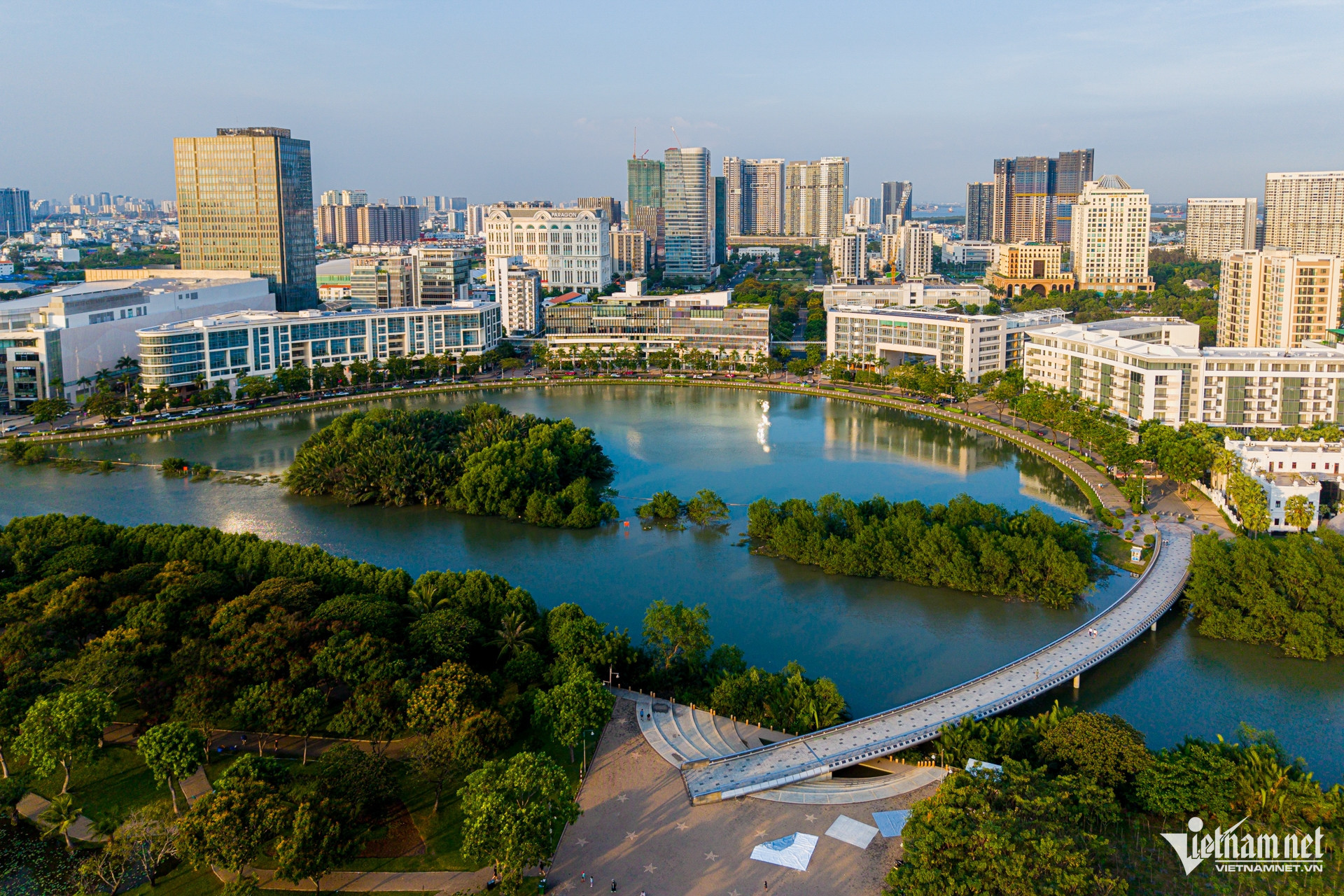
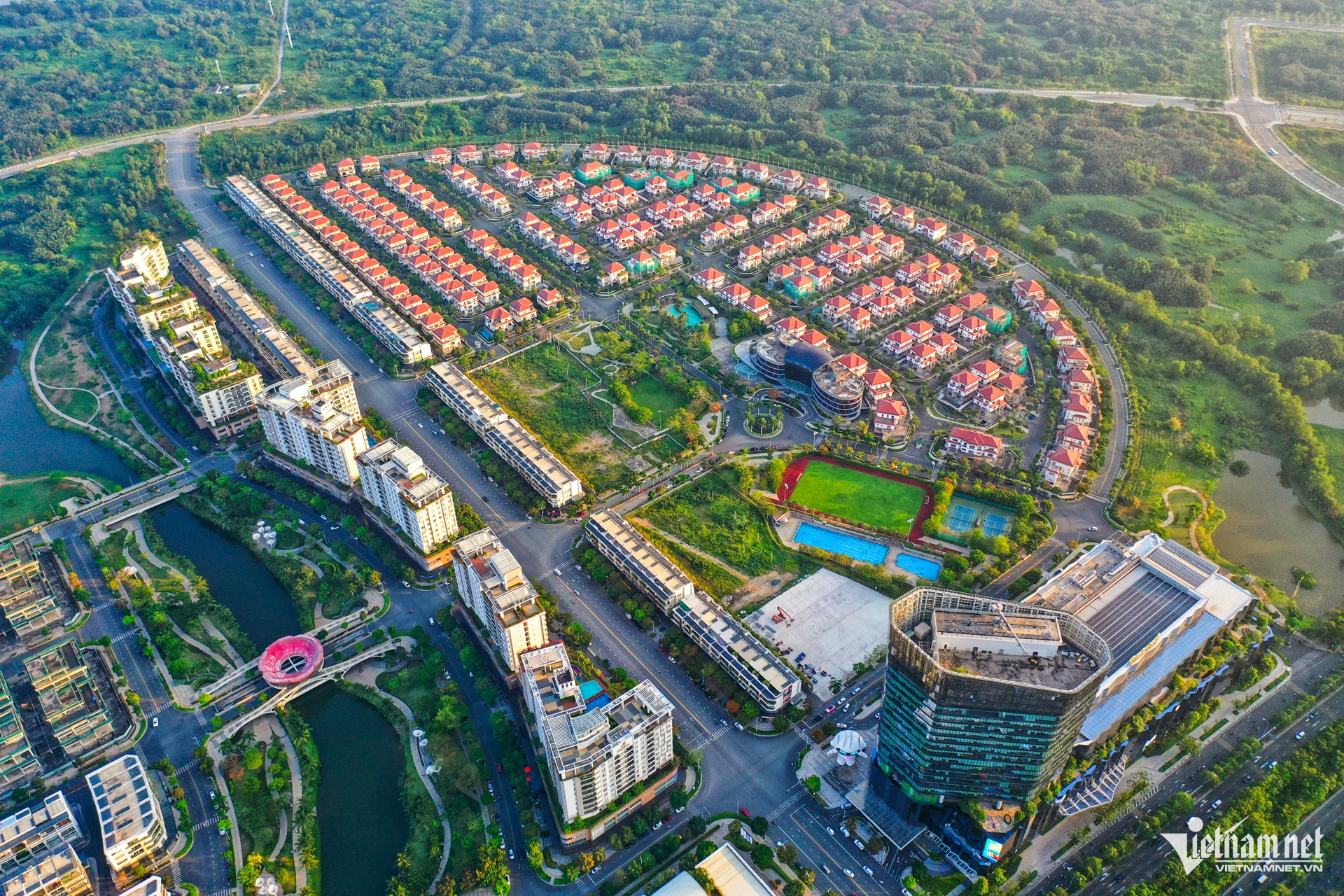
Among the most prominent is Phu My Hung, Vietnam's first model urban area.
Pictured is Crescent Lake, designed with inspiration from Singapore's bay, serving as the community heart that connects and harmonizes the entire South Saigon urban area.
Bridges and tunnels expanded the city's eastern frontier
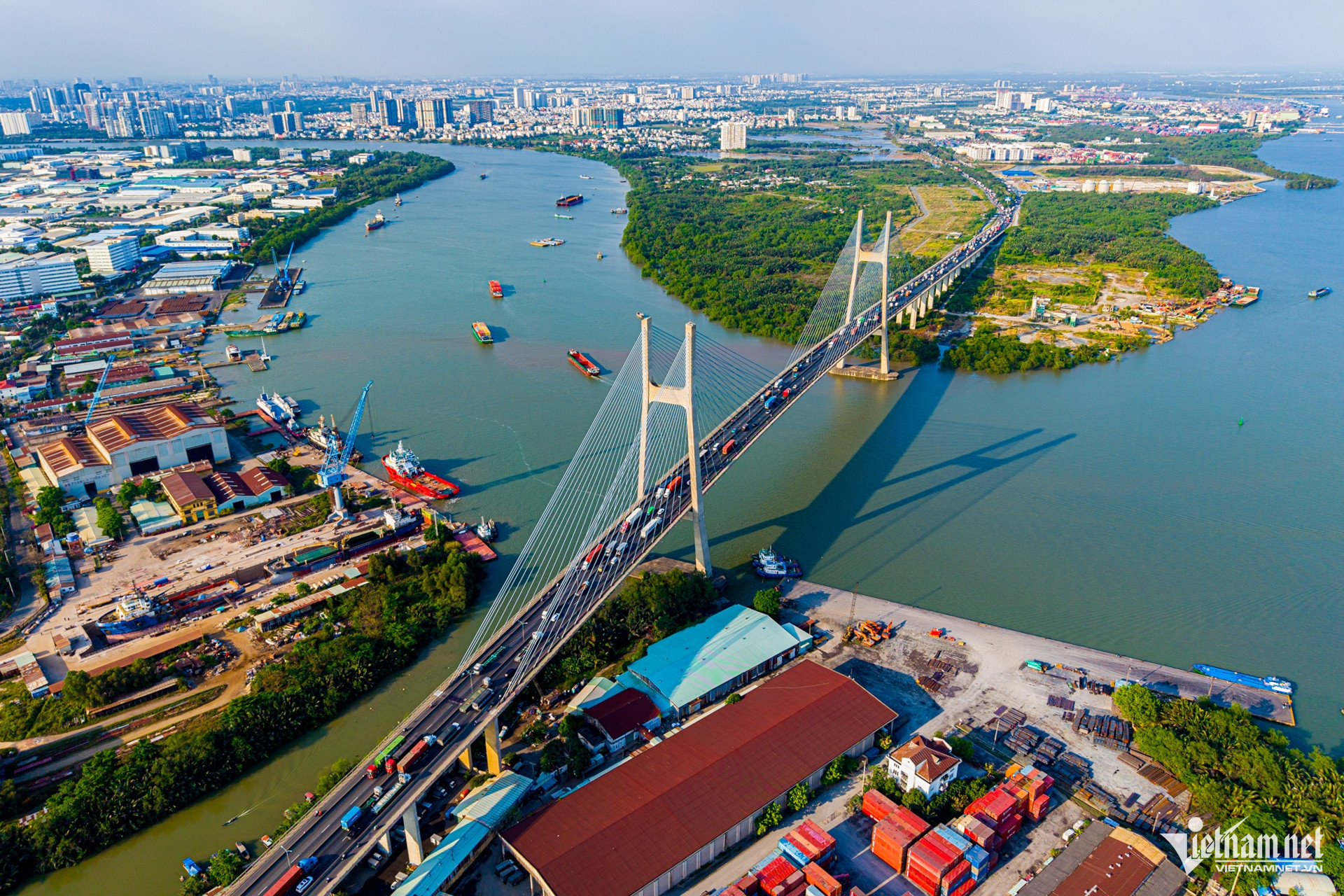
In eastern Ho Chi Minh City, Phu My Bridge opened to traffic in 2009 and quickly became a key transport link. As the city's largest cable-stayed bridge, it eased traffic through the city center while providing a direct connection between the eastern districts, seaports and industrial zones.
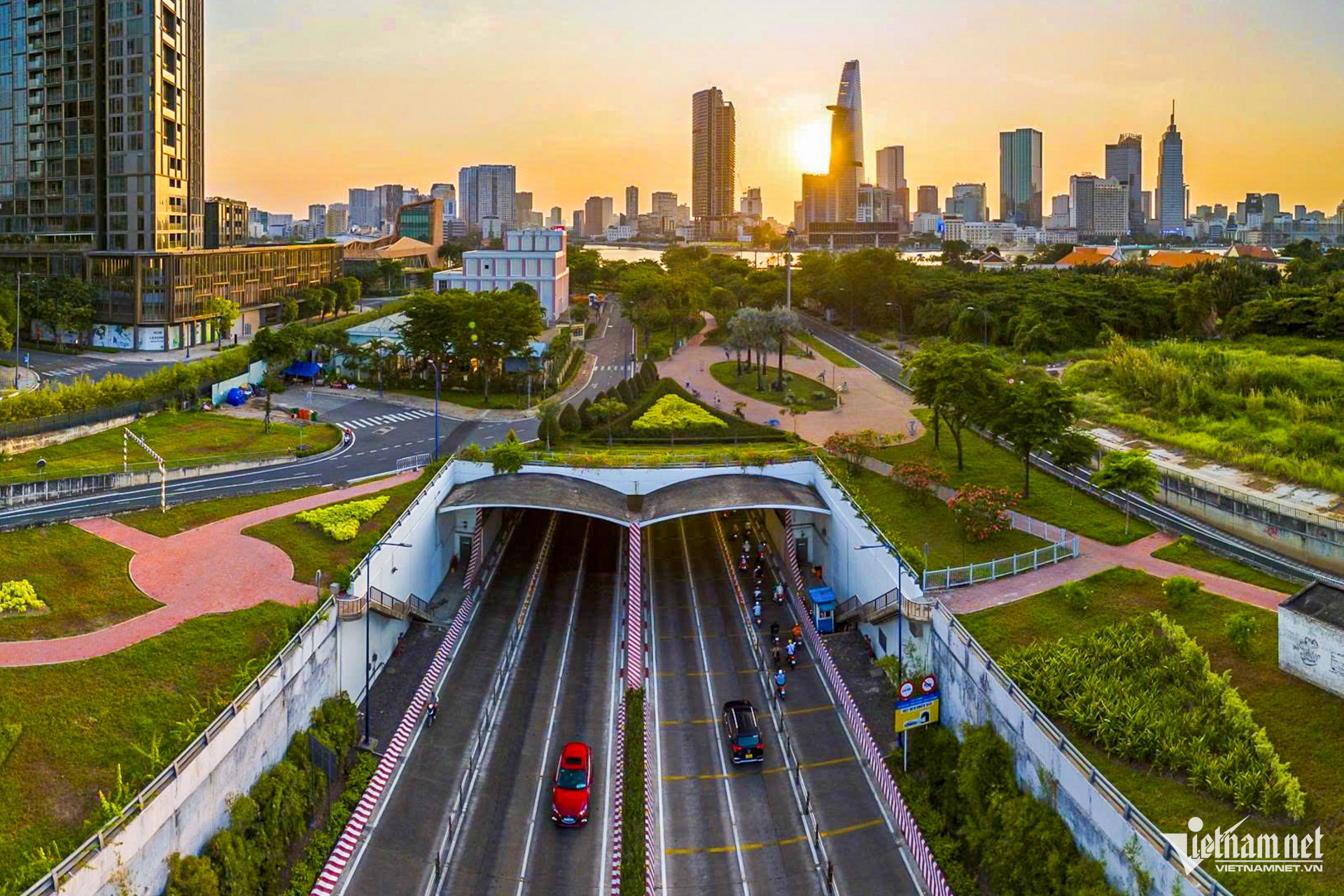
Two years later, the Thu Thiem Tunnel officially opened after more than 3,000 days of construction, linking downtown Ho Chi Minh City with the Thu Thiem Peninsula.
At the time it entered service, it was Southeast Asia's first river tunnel, significantly improving transport connectivity between the city center and Thu Thiem.
The project laid the foundation for the development of the Thu Thiem New Urban Area, planned as Ho Chi Minh City's future financial, commercial and service center.
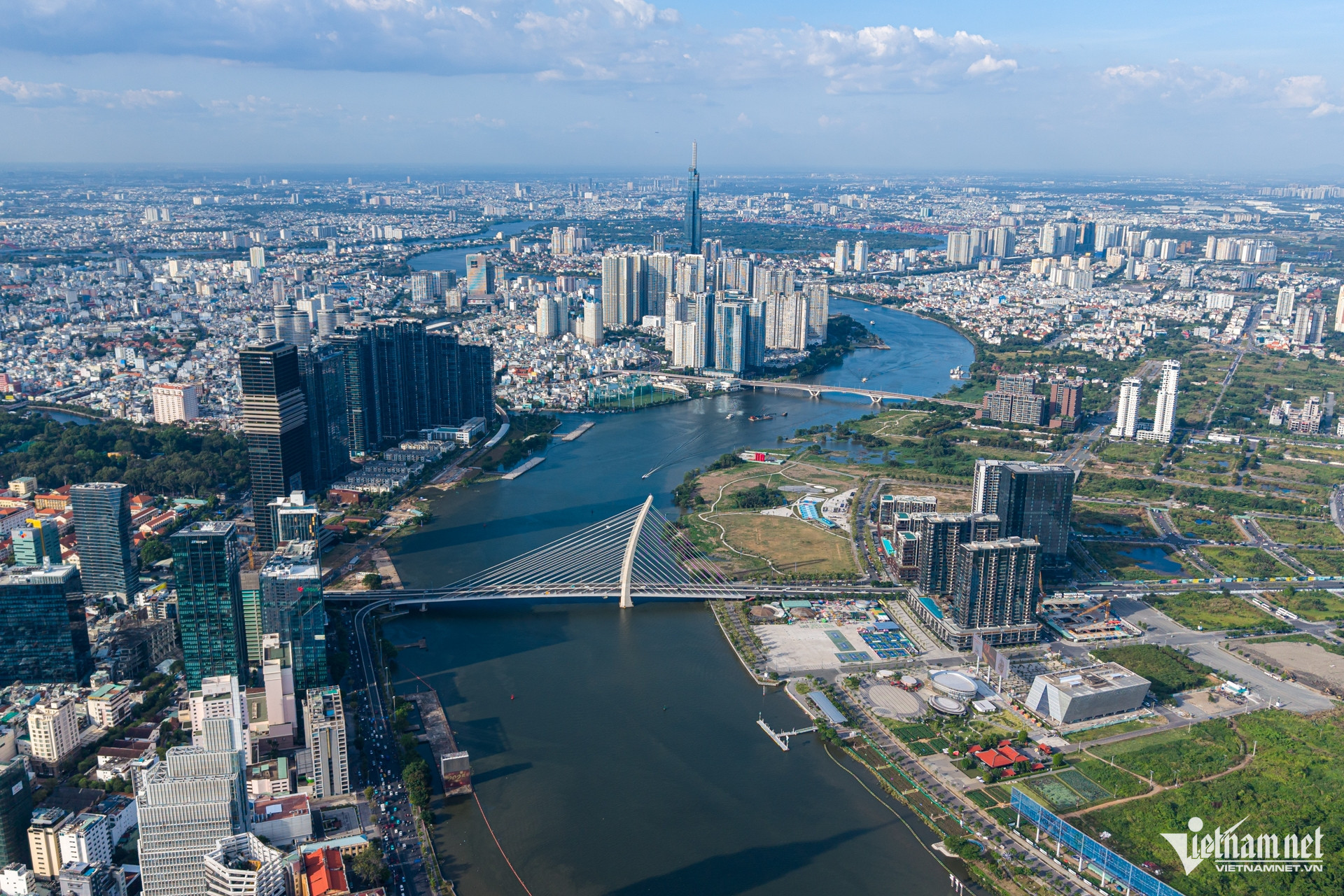
In 2022, Ba Son Bridge, connecting downtown with Thu Thiem, emerged as a new symbol of the city while further strengthening the transport network.
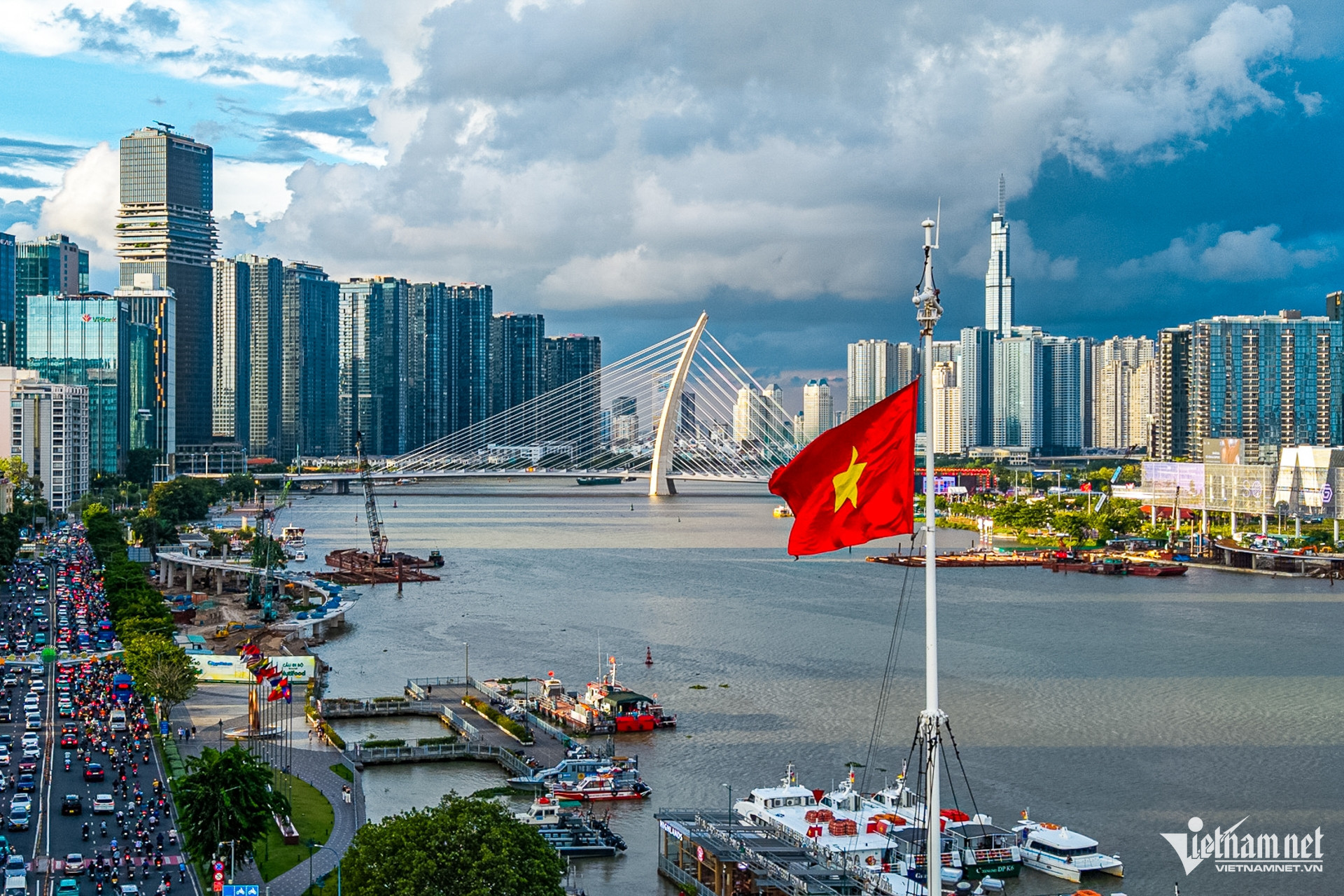
Construction of the pedestrian bridge across the Saigon River, linking downtown Ho Chi Minh City with Thu Thiem, began in 2025 and is expected to become another iconic landmark during the city's next stage of development.
Building a modern transport network
Vo Van Kiet-Mai Chi Tho Boulevard, formerly known as the East-West Highway, was built at a total cost of more than VND16 trillion and remains one of the most modern roads in both Ho Chi Minh City and Vietnam.
Stretching nearly 22 kilometers, the route extends from Hanoi Highway to National Highway 1A, passing through Districts 1, 2, 4, 5, 6 and 8, as well as Binh Tan and Binh Chanh.
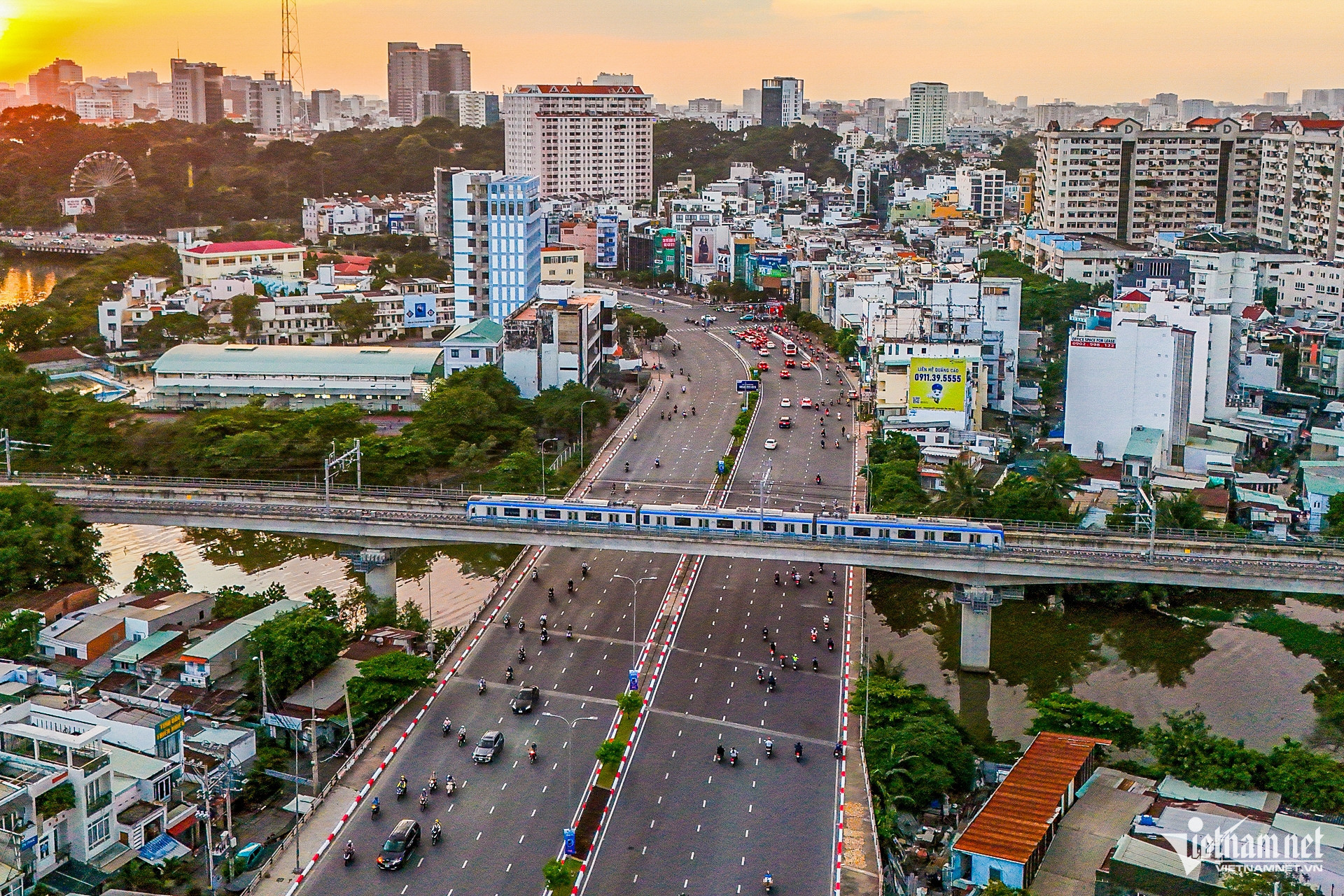
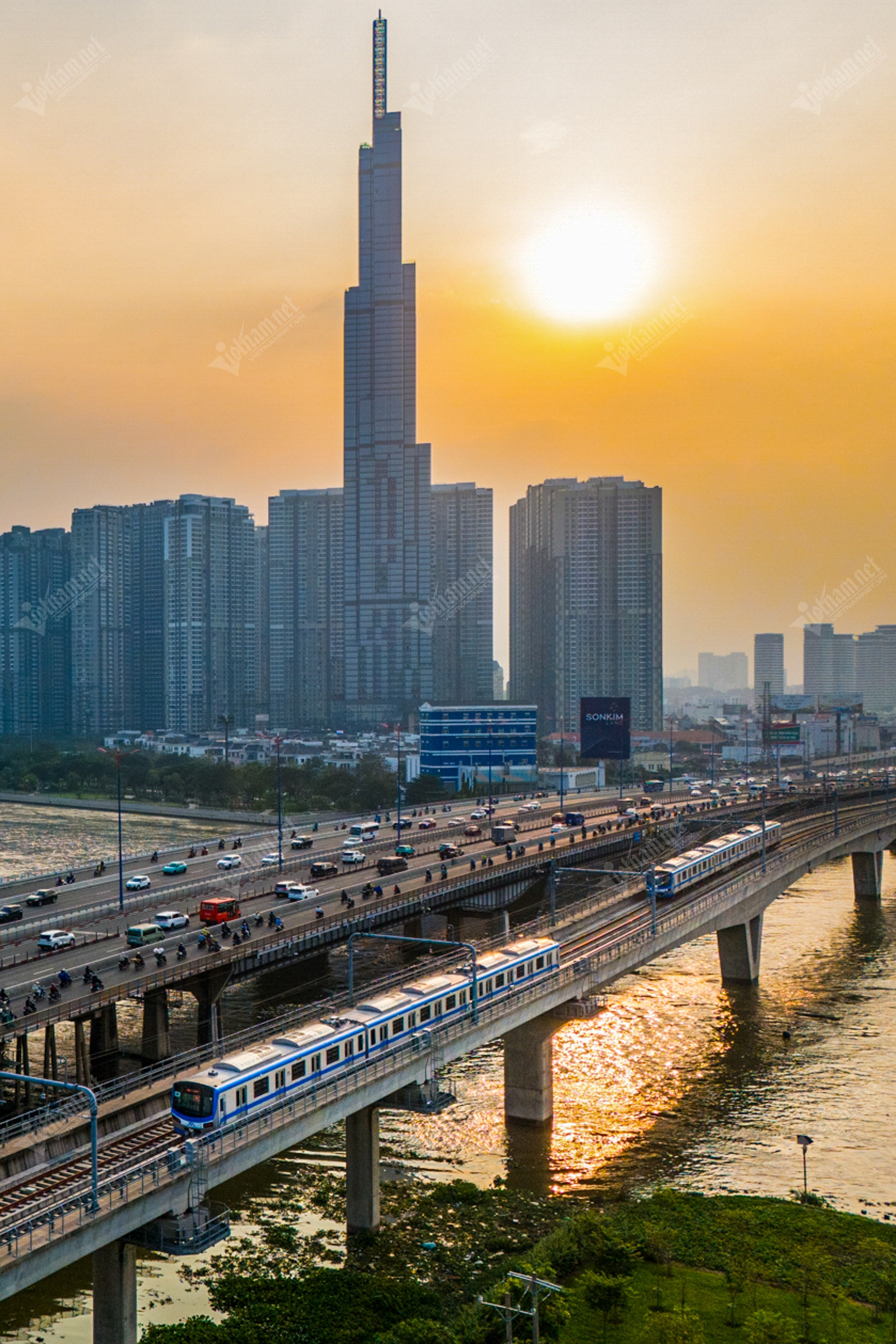
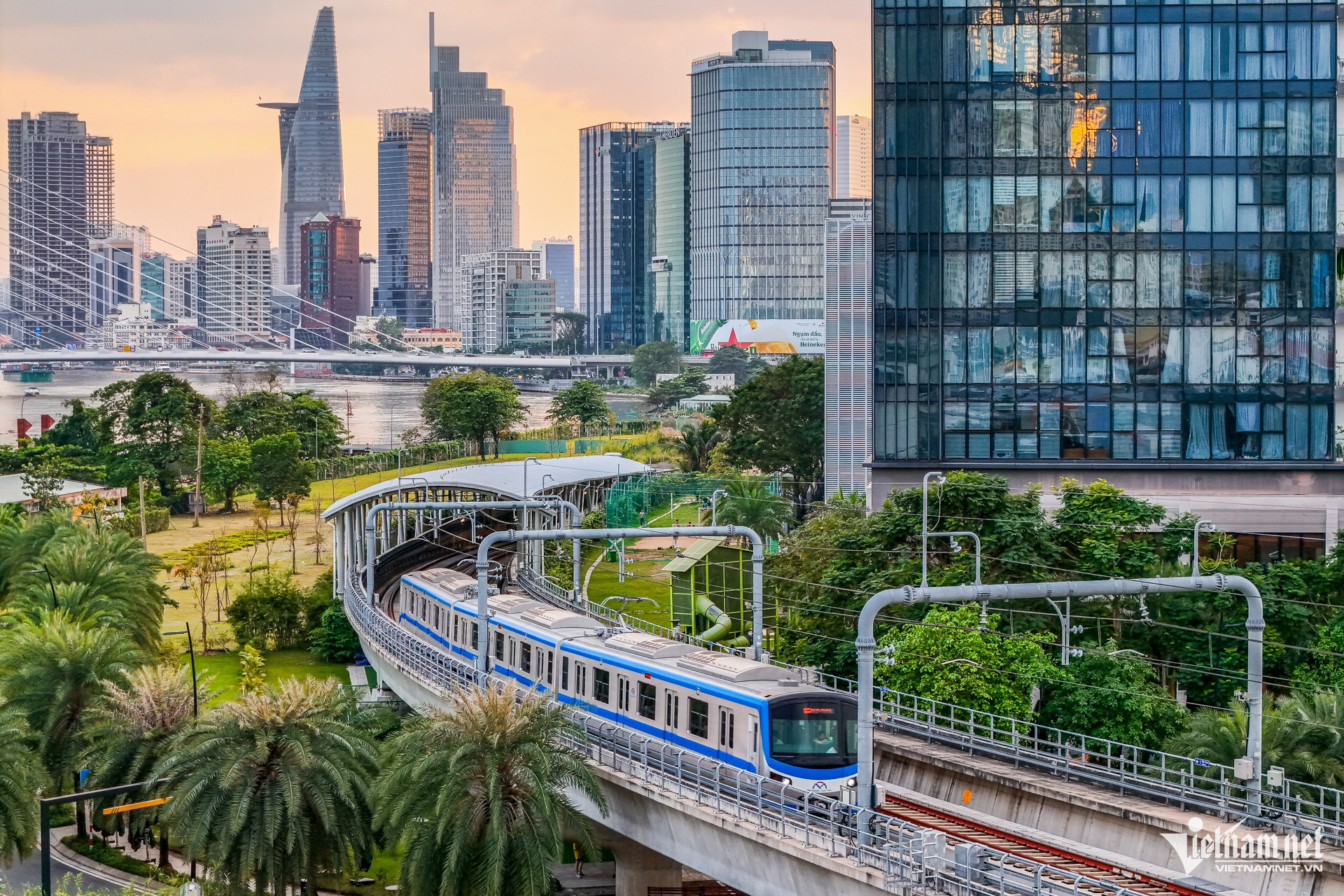
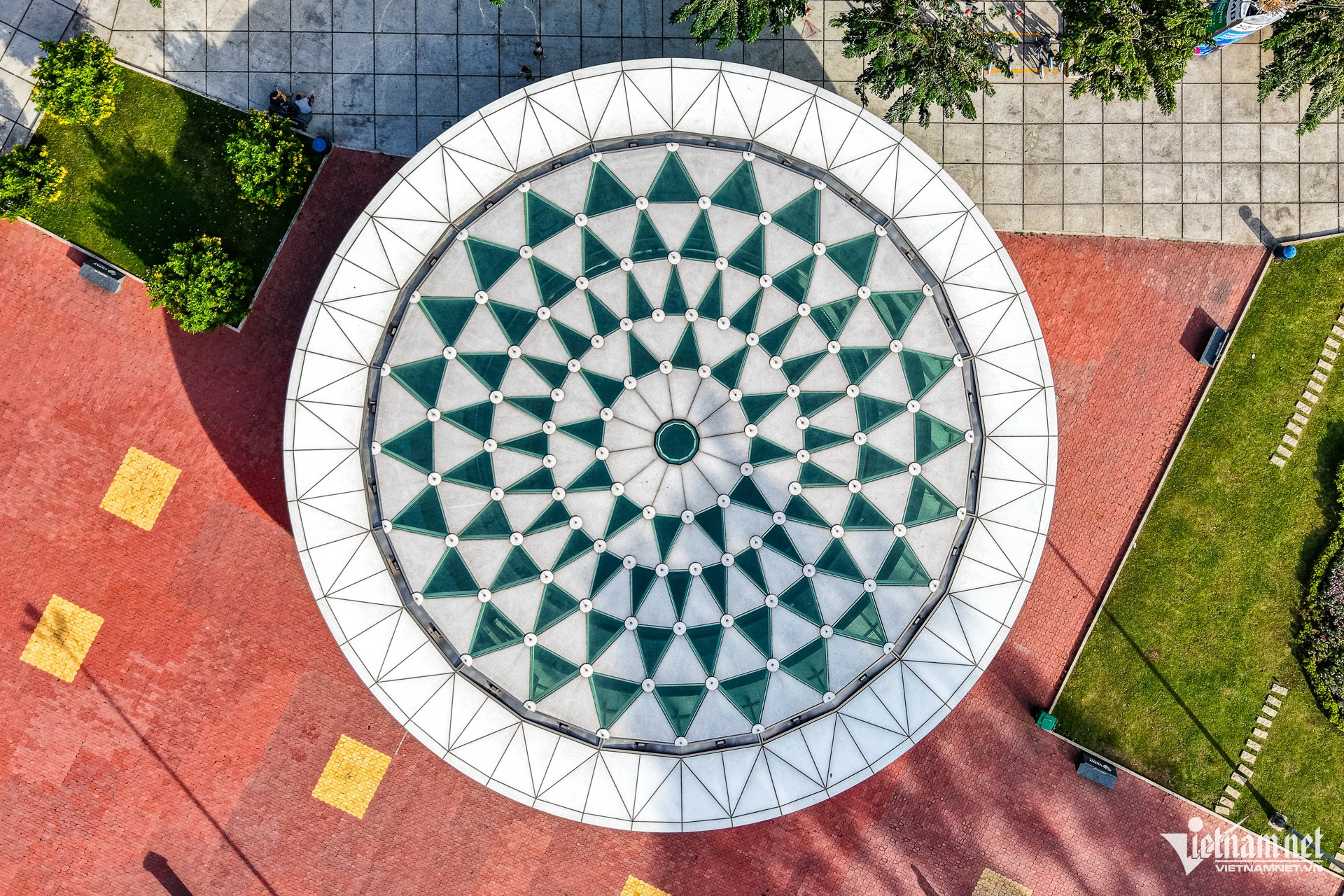
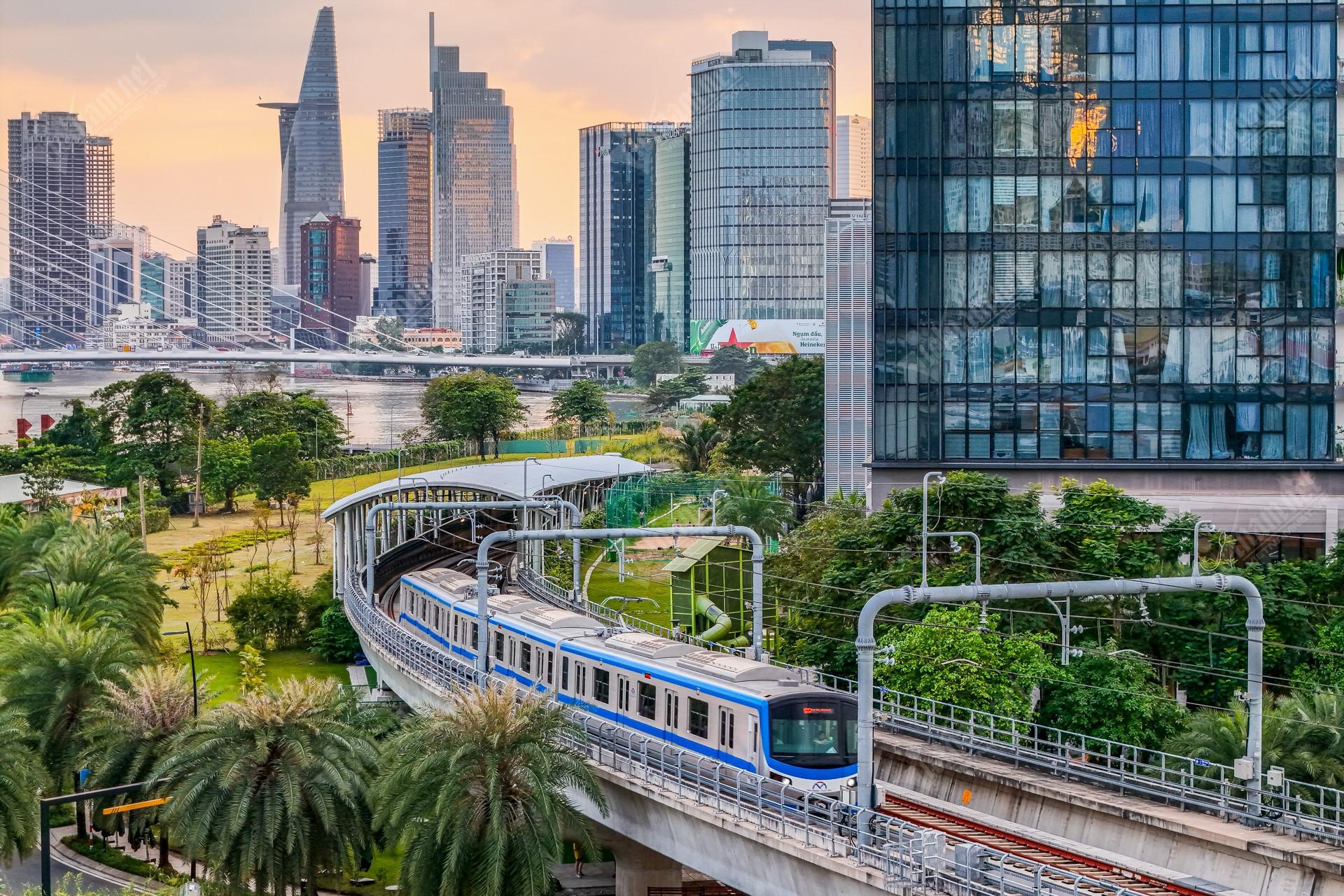
The city's transport network reached another milestone with the official launch of Metro Line 1 between Ben Thanh and Suoi Tien at the end of 2024, marking a new phase in Ho Chi Minh City's transport infrastructure development.
The metro represents an important milestone in the city's urban modernization. Beyond meeting travel demand, it is expected to support transit-oriented urban development.
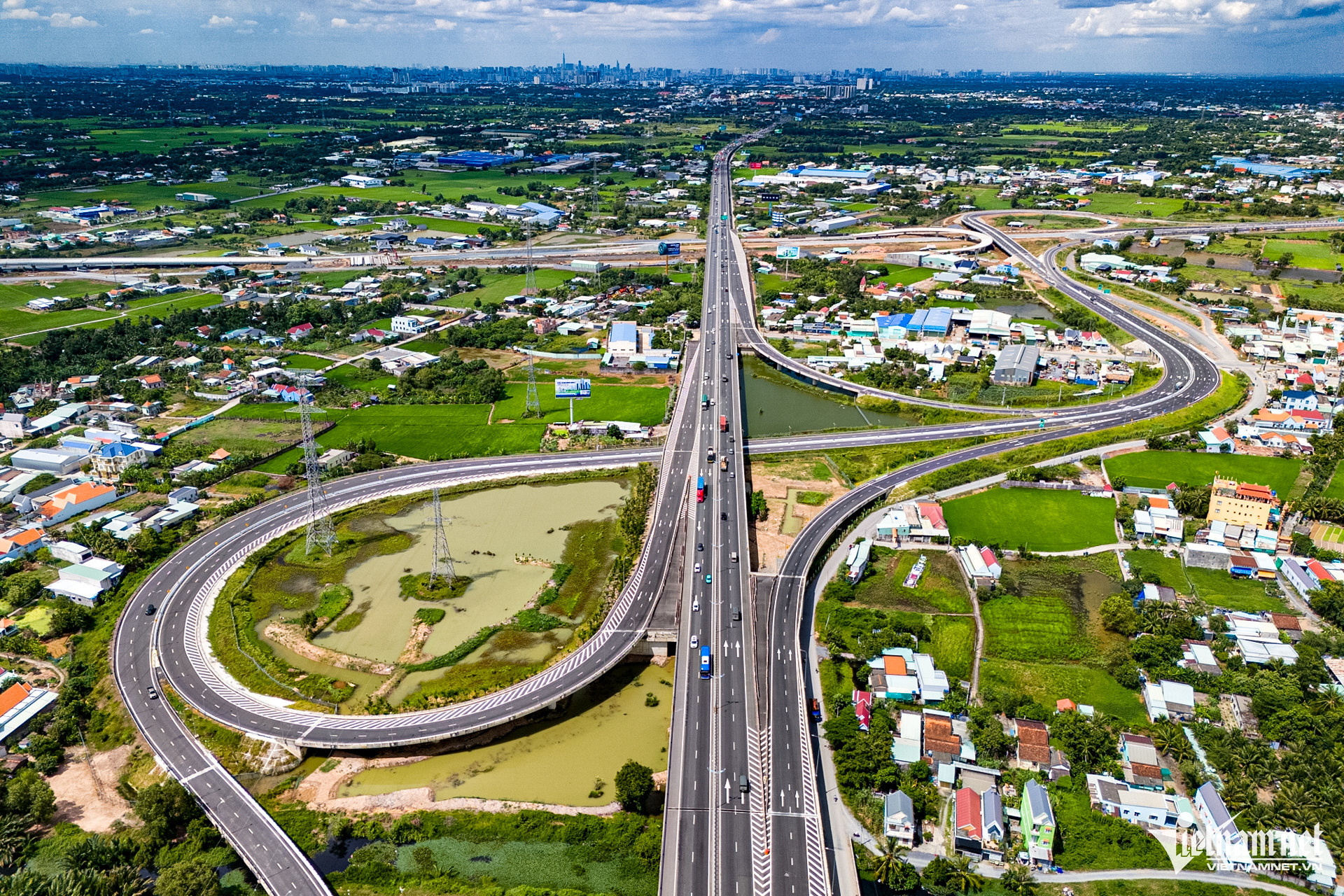
At the same time, the Ring Road 3 project is under construction and is regarded as a strategic investment to expand development across the wider metropolitan region.
Once completed, the route will connect Ho Chi Minh City with Dong Nai, Tay Ninh and neighboring localities, creating an integrated transport network for the Southern Key Economic Region.
Strengthening ports and logistics
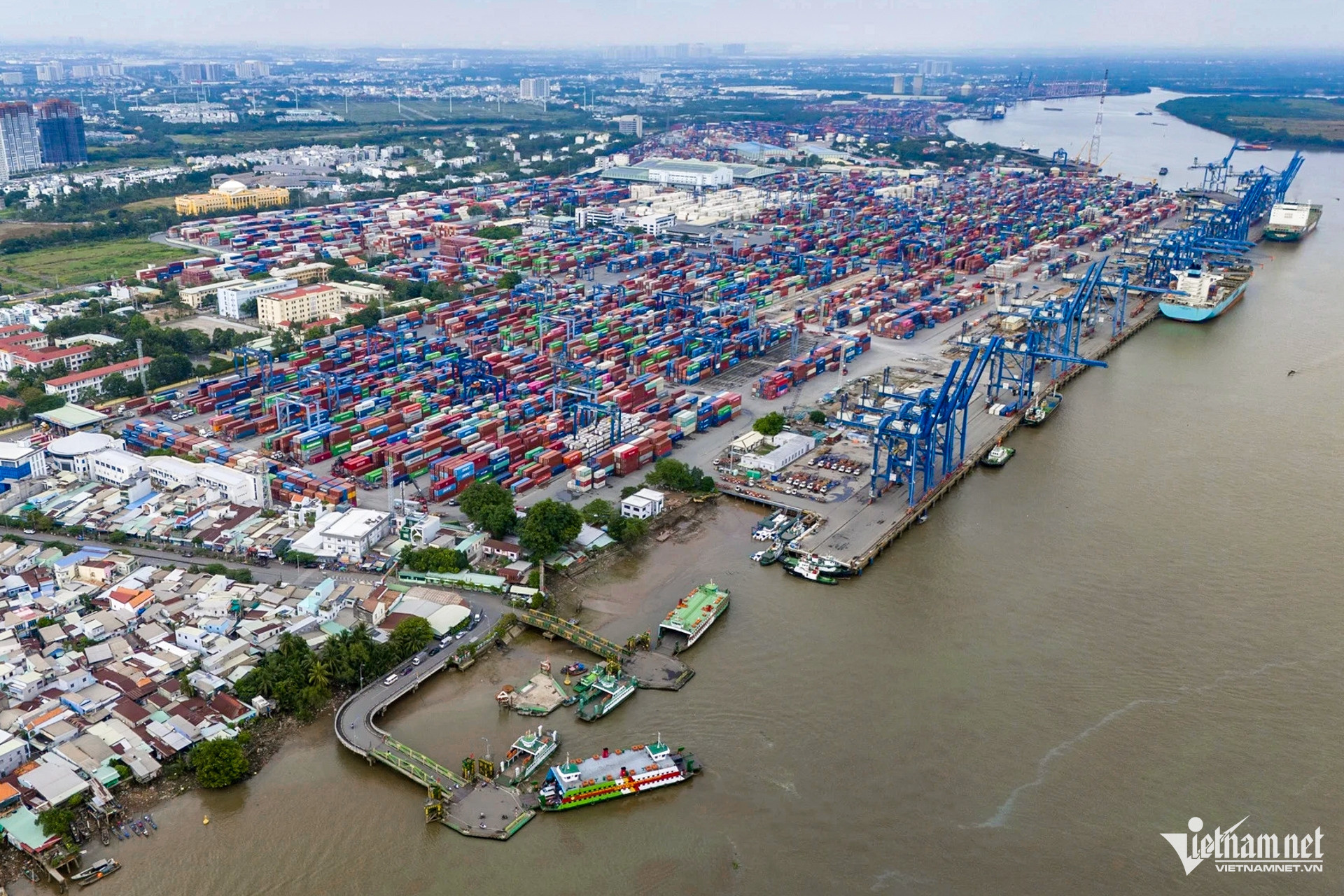
Throughout its development, Ho Chi Minh City has maintained its role as Vietnam's leading economic center. To sustain that position, the city has invested heavily in logistics infrastructure and seaport development.
Tan Cang-Cat Lai Port officially began operations in 1996 and has grown into Vietnam's largest container port, handling most import and export cargo in southern Vietnam.
At the same time, Hiep Phuoc Port has gradually developed into a new southern growth pole while supporting the relocation of port operations away from the inner city.
Urban renewal improves quality of life
Alongside infrastructure supporting economic growth, Ho Chi Minh City has invested substantial resources in improving the urban environment.
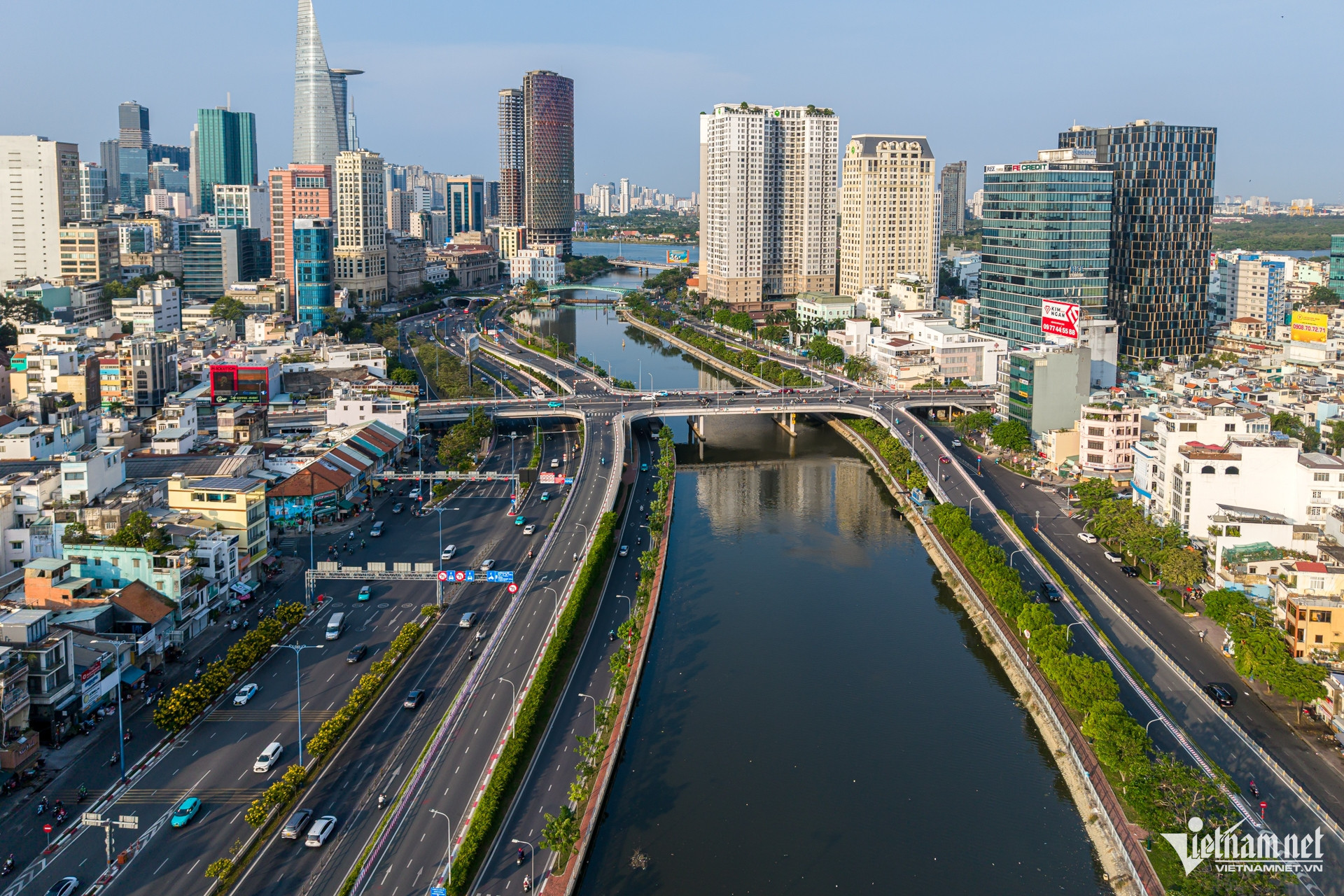
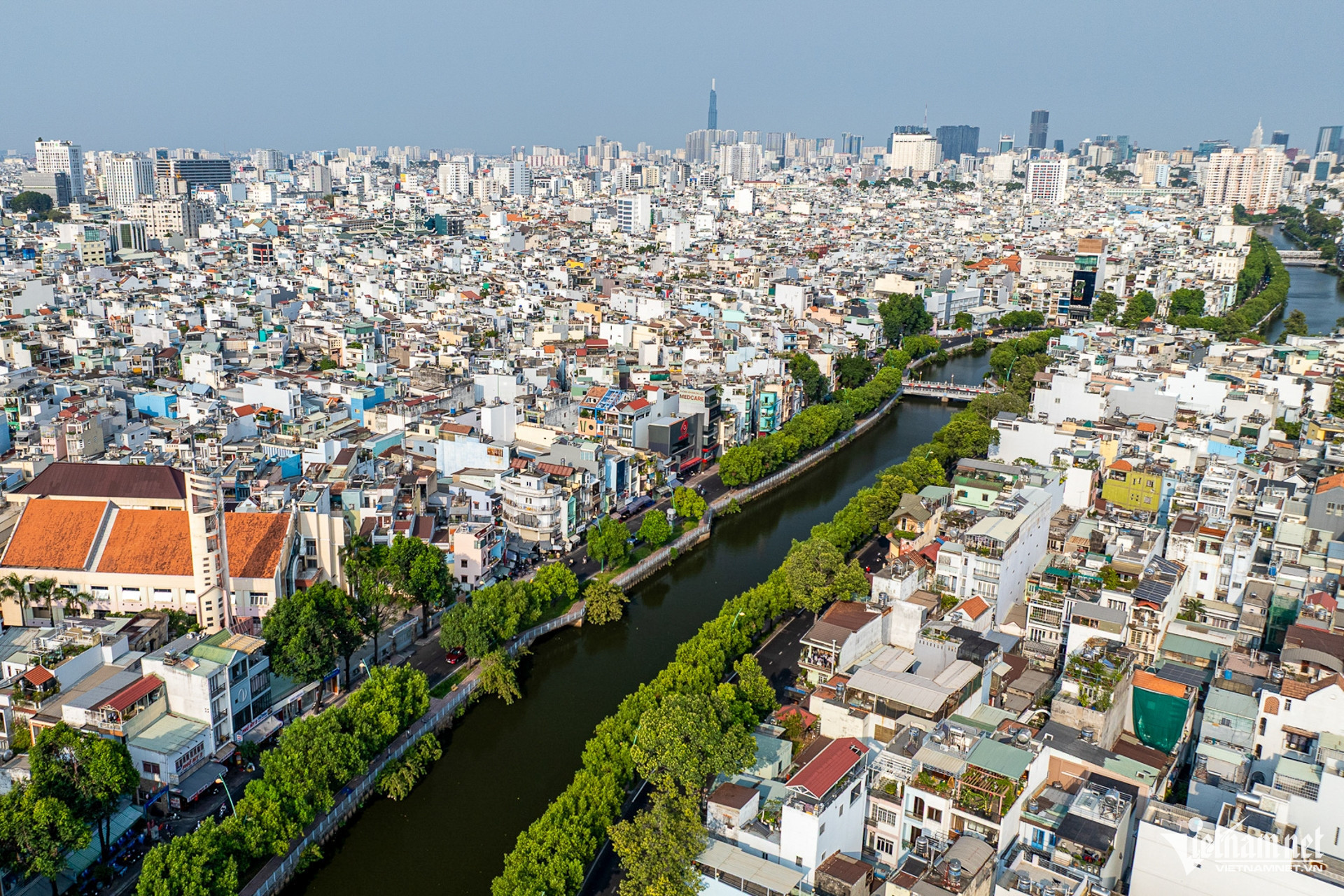
One of the city's most significant projects was the rehabilitation of the Nhieu Loc-Thi Nghe Canal.
Work began in 1993, requiring the relocation and resettlement of more than 7,000 households. Nearly 1.1 million cubic meters of sediment were dredged, almost 16 kilometers of embankments were constructed, 9 kilometers of interceptor sewers were installed, bridges were reinforced, high-capacity pumping stations were built and roads were developed along both sides of the canal. The total investment exceeded VND8.6 trillion.
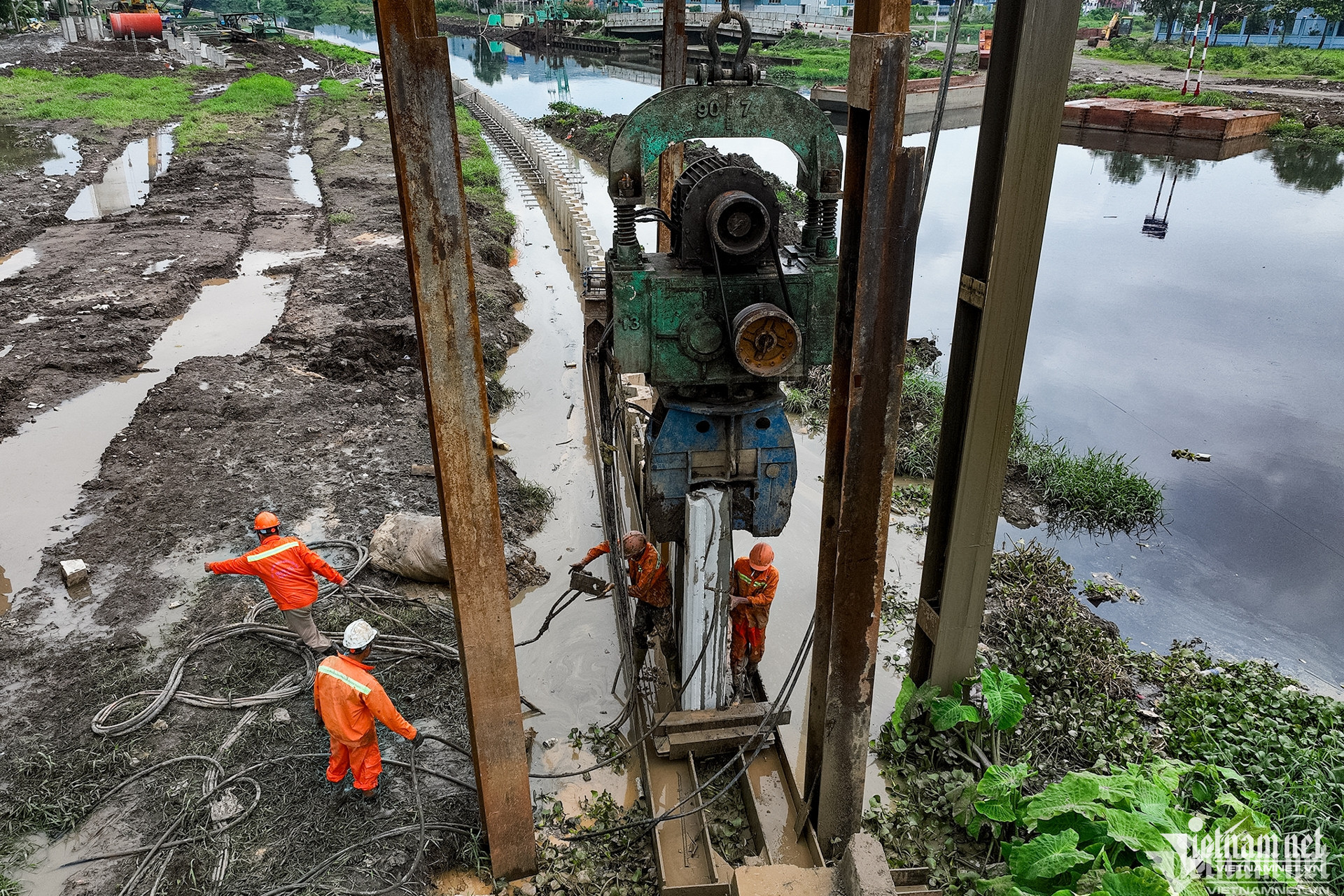
The city later expanded similar environmental improvement projects to Tan Hoa-Lo Gom Canal, Tau Hu-Ben Nghe Canal, Tham Luong-Ben Cat-Nuoc Len Canal and Xuyen Tam Canal to improve the urban environment and enhance residents' living conditions.
Looking toward the future
As Ho Chi Minh City enters a new stage of development, it continues seeking new engines of growth through large-scale investment projects.
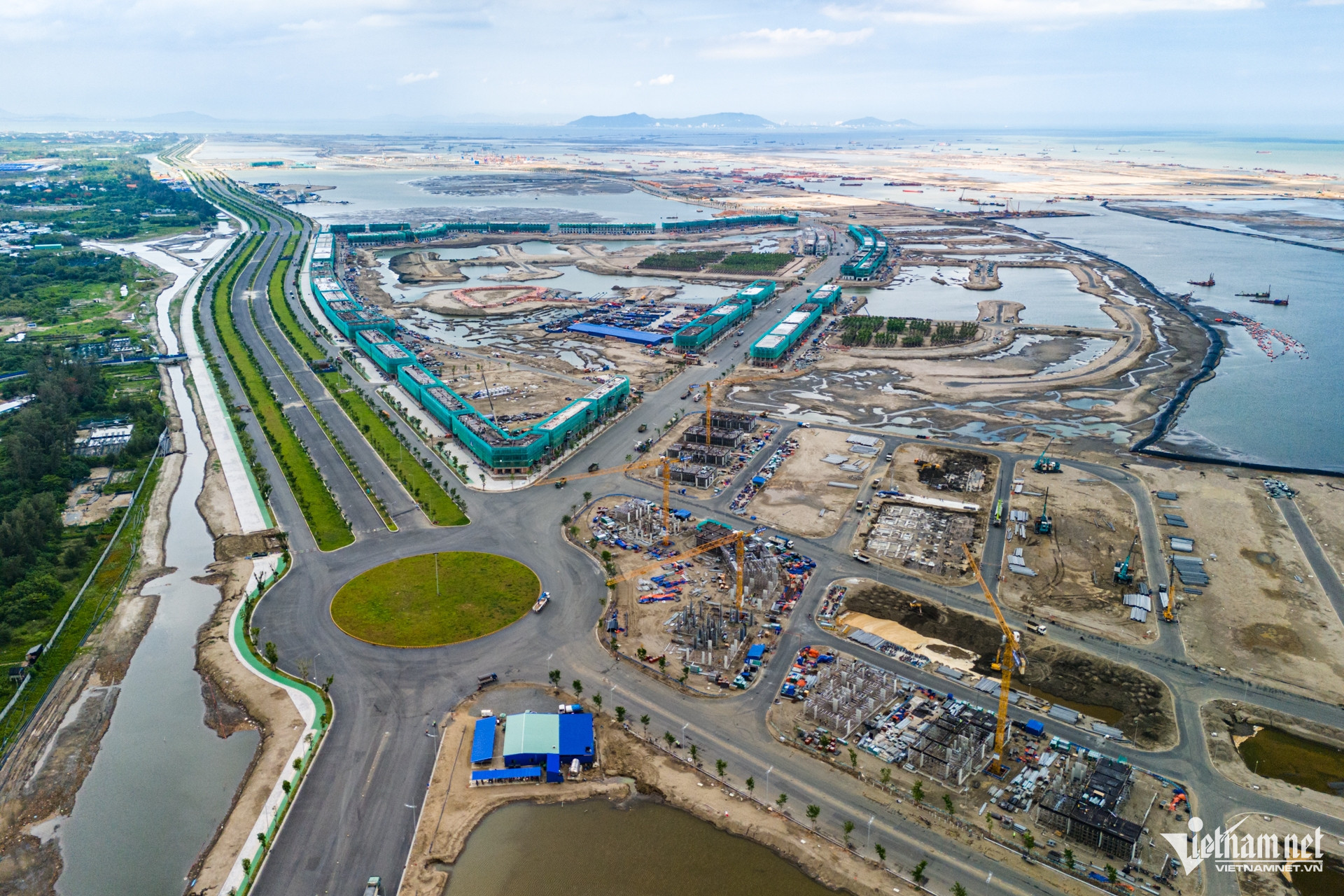
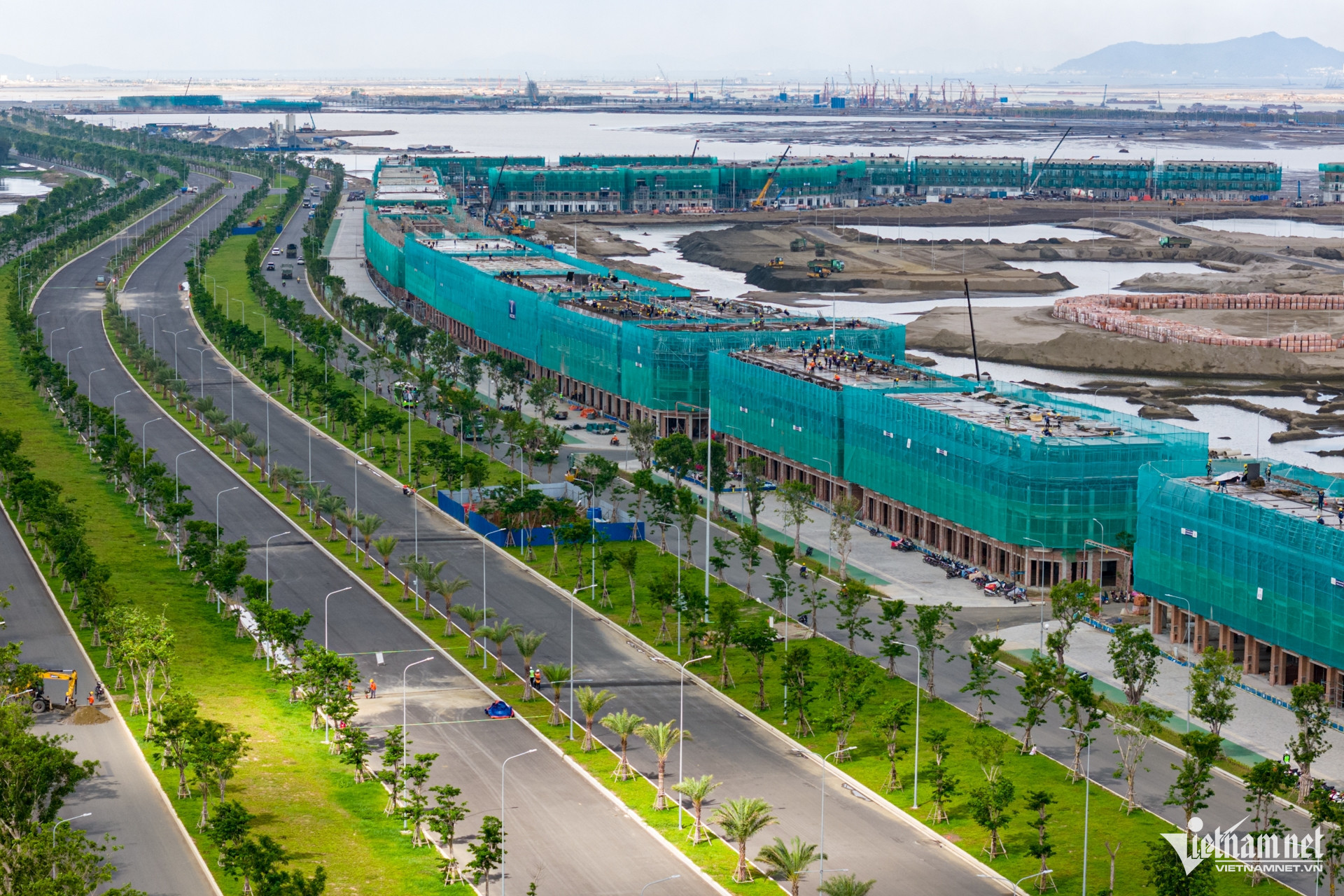
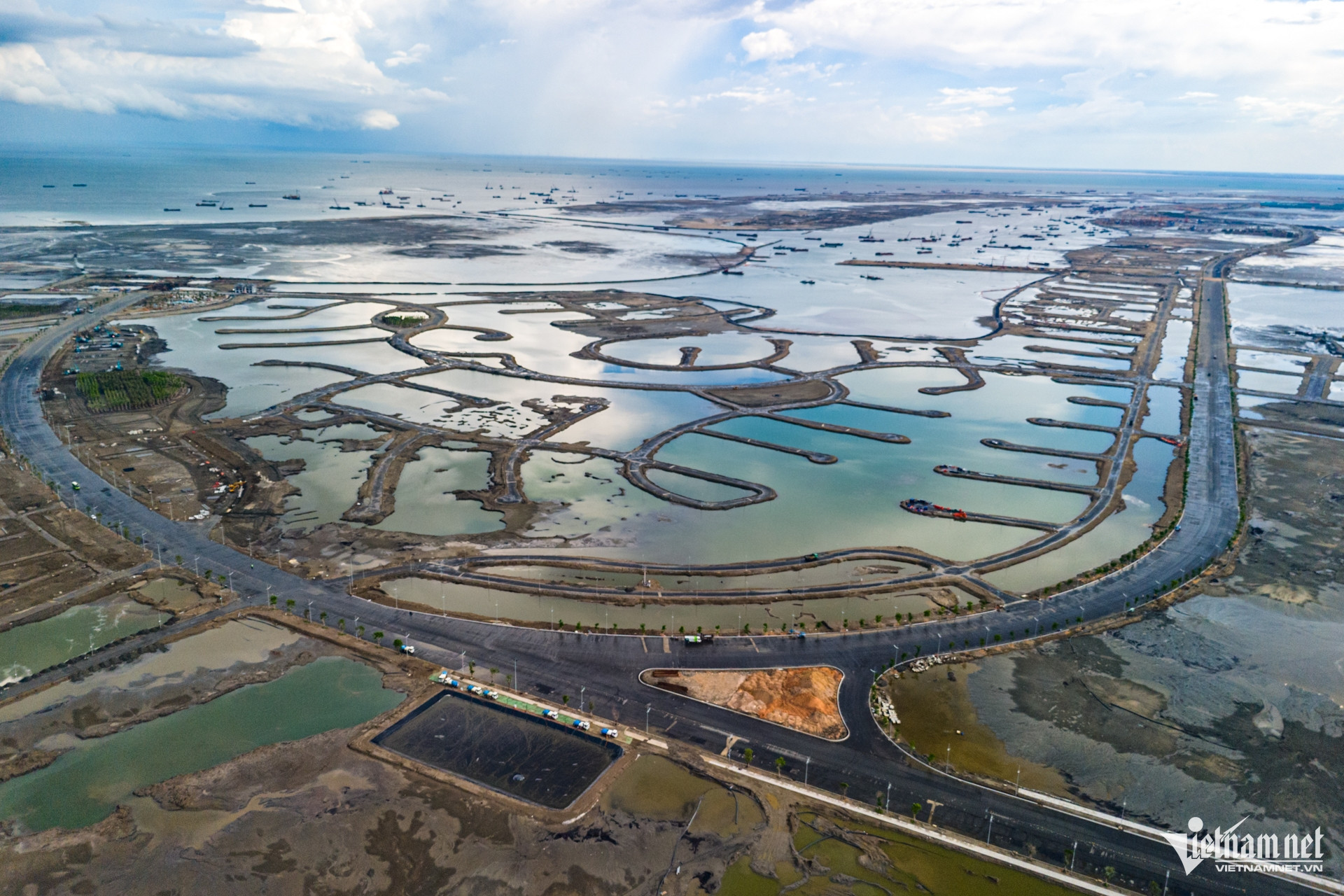
The Can Gio coastal urban tourism project, covering approximately 2,870 hectares and launched in April 2025, is expected to become a financial and economic center comparable with major cities across the region and the world.
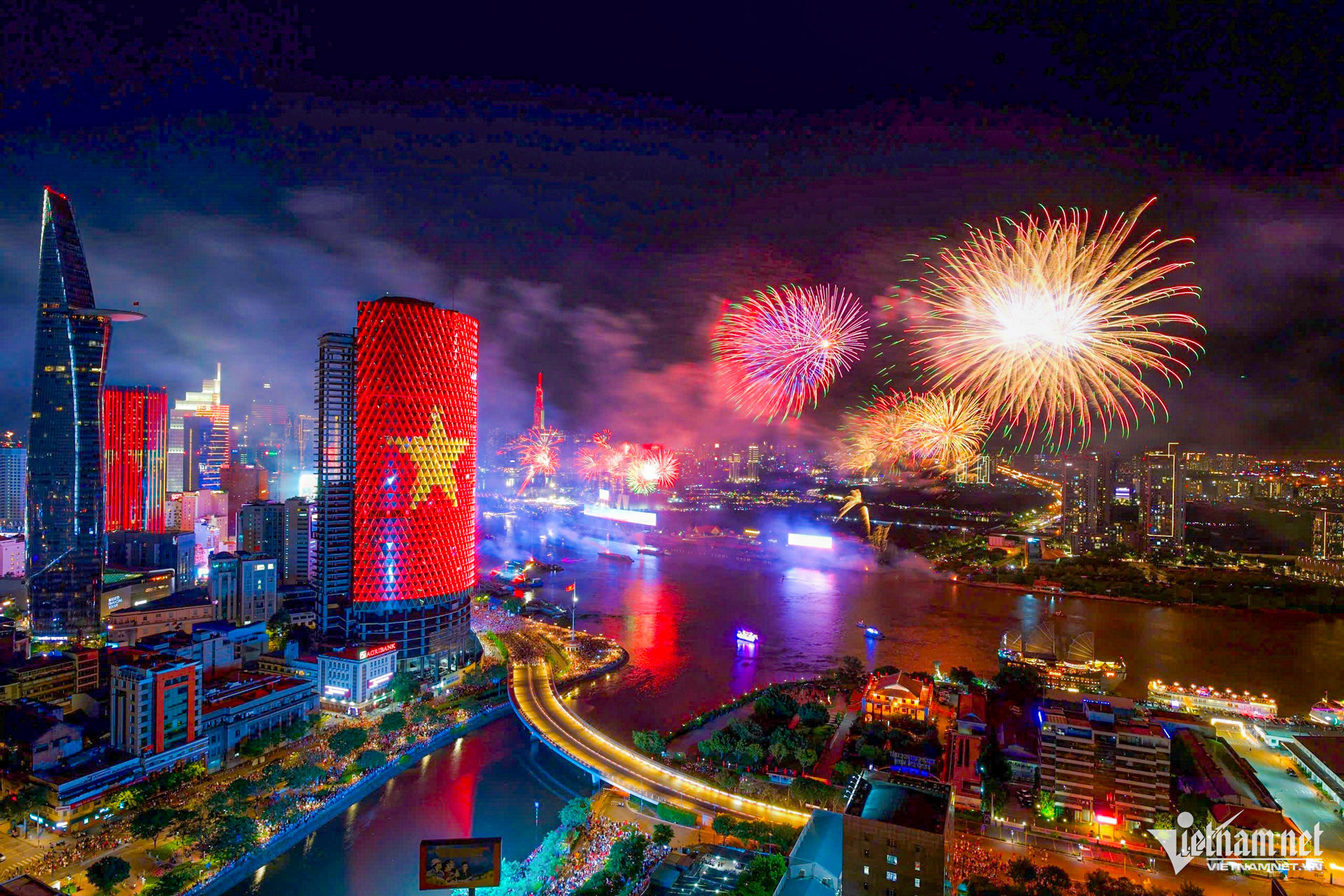
From boulevards that opened new urban frontiers and bridges spanning the Saigon River to the city's first metro line and the next generation of mega-projects, each development reflects a distinct chapter in Ho Chi Minh City's transformation.
Fifty years after taking the name of President Ho Chi Minh, the city's identity is defined not only by its skyline of high-rise buildings but also by an increasingly modern infrastructure network that supports its ambition to become a regional center for finance, trade and innovation.
Nguyen Hue
.svg)
