 Vietnamnet.vn

 Podcast



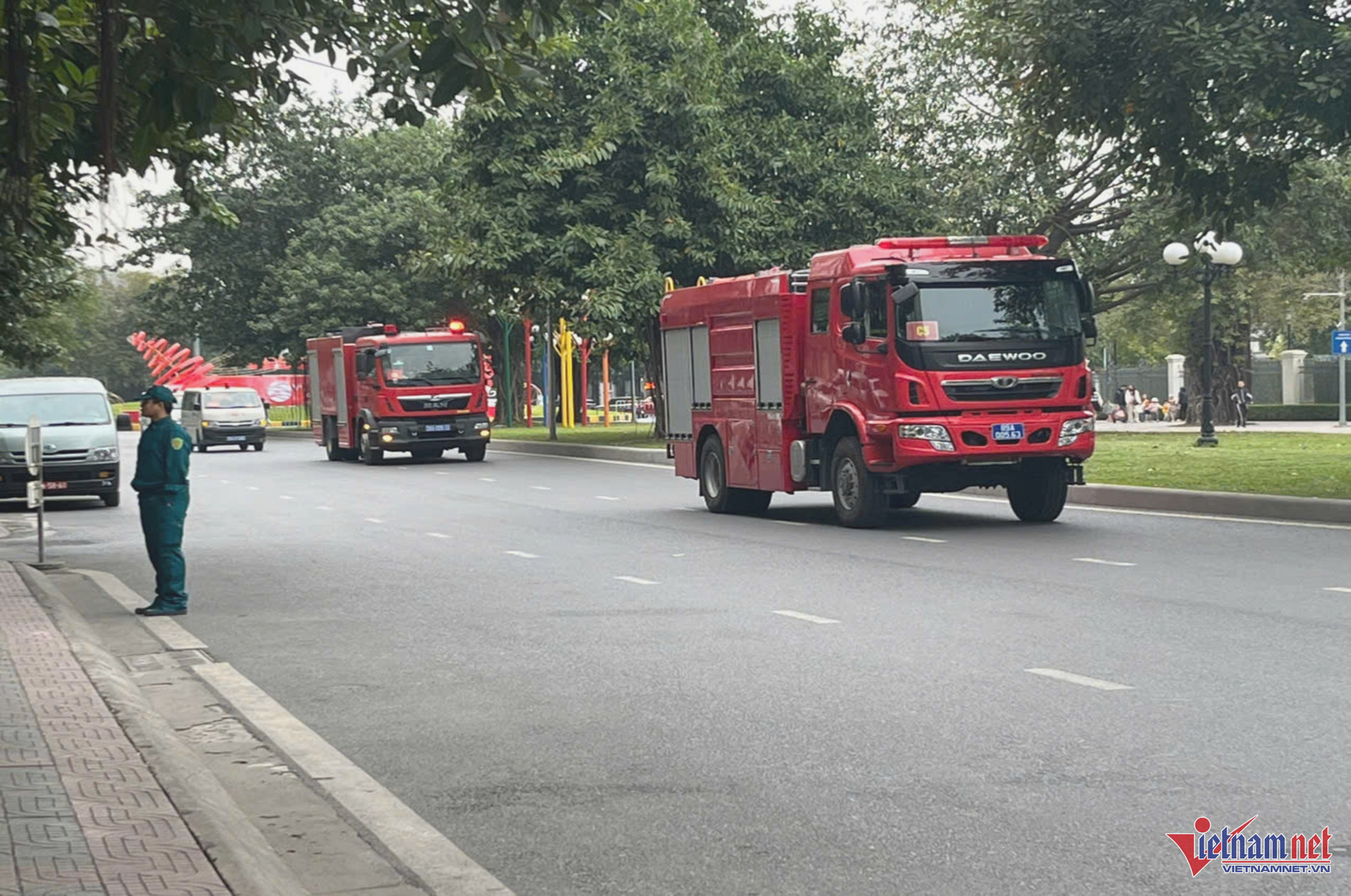
On October 1, the Police Department of Fire Prevention, Fighting, and Rescue announced that only three administrative procedures in this sector were currently being handled by police agencies, alongside two procedures managed by commune-level People's Committees.
From 37 previous procedures, the 2024 Law reduced the count to nine, and now down to five.
This update brings encouraging news for enterprises undergoing fire prevention and fighting documentation processes to bring factories into operation.
When compliance was difficult
Three years ago, numerous enterprises reported on VietNamNet that the cost of meeting fire safety requirements was too high, with some cases rendering compliance virtually impossible. Certain facilities were forced to temporarily suspend operations to make adjustments.
Many regulations had changed without clear transitional arrangements, while some requirements were simply impossible to meet. Project owners were left struggling to determine which rules applied to them. Investment plans that had been carefully prepared suddenly had to be put on hold.
Fireproof paint was a prominent example of widespread debate, with many facilities uncertain which paint types would fulfill technical requirements.
During that period, fire safety hurdles grew into a persistent anxiety for businesses and individual traders. Many possessed sufficient capital yet found no viable path to meet operational requirements. Purchase orders risked cancellation during extended waits, impacting worker employment and income.
Regulators make changes
The current reform effort continues Prime Minister Le Minh Hung’s directive to reduce administrative procedures, business conditions and compliance costs. The Prime Minister’s instruction is clear, particularly when it comes to eliminating unnecessary paperwork.
The fire safety authorities deserve recognition for their willingness to listen and their proactive efforts to streamline procedures and make things easier for people and businesses.
However, cutting procedures addresses only part of the burden. Problems involving technical requirements, materials and the application of standards also need to be resolved at the same time.
According to the Fire Prevention, Firefighting and Rescue Police Department under the Ministry of Public Security, the review of technical requirements is being carried out alongside the shift in some fields from pre-inspection to post-inspection based on risk. Some appraisal and approval tasks are being assigned to project owners to organize themselves.
This is a notable change. Project owners are being given greater decision-making authority while also assuming responsibility for their choices. They will need to hire qualified consultants, ensure construction complies with requirements and maintain safety standards once the facility is operational.
Regulators can then focus their inspection resources on places that pose greater risks. For this approach to work, local guidance must be consistent and clear, so project owners know from the outset which tasks they are allowed to handle themselves.
Insurance could play a role
One expert has suggested using insurance mechanisms to strengthen fire and explosion prevention. Vietnam already has compulsory fire and explosion insurance, and the role of insurers in assessing and helping reduce risks deserves further study and development.
Because insurers are responsible for covering losses within the scope of their policies, they have an incentive to identify risks and advise on corrective measures. Facilities with better fire and explosion safety should be eligible for lower insurance premiums.
To make this work, however, insurers’ capacity and liability for compensation must be properly supervised, while the scope of coverage must be clearly defined so that buyers understand what they are purchasing.
Such participation would provide additional resources for prevention, while responsibility for enforcing legal fire safety requirements would remain with the State.
As for the factories that were left waiting three years ago, businesses wanted a way to meet fire safety requirements so they could start production and business operations. Every month of disruption meant additional costs and greater difficulties for businesses and workers.
That is why regulators’ willingness to listen and proactively make changes today deserves appreciation. A factory that can safely begin operating sooner can help a business retain orders and give workers more income. That is the meaning of reform that entrepreneurs who have experienced such deadlocks understand all too well.
Tu Giang
.svg)
