 Vietnamnet.vn

 Podcast



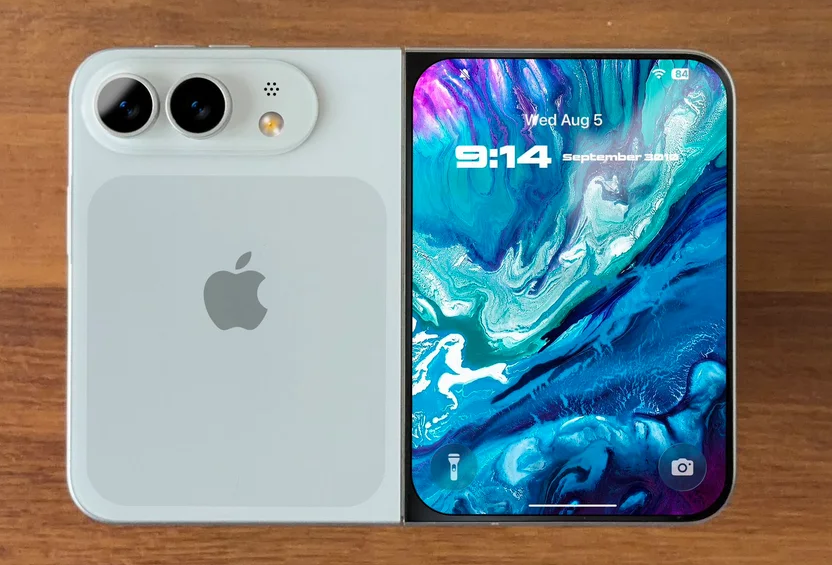
Apple is widely rumored to be developing its first foldable iPhone, but the device may not carry the “Ultra” name - and leaked specifications suggest it could involve more hardware compromises than some buyers expect.
What will Apple call its foldable iPhone?
For Apple, product names are rarely just labels. Suffixes such as “Pro,” “Ultra” and “Air” generally signal where a device sits within the company’s lineup and, to some extent, its hierarchy of features and specifications.
That is why the question of whether Apple’s first foldable phone will actually be called the “iPhone Ultra” has attracted considerable attention among technology watchers.
The mysterious foldable device has been given several unofficial names over time, ranging from “iFold” to “iFlip.” More recently, “iPhone Fold” has emerged as the most commonly used name in reports and speculation surrounding the product.
That narrative shifted in April, when leaker Digital Chat Station claimed Apple’s first foldable phone would be called the iPhone Ultra.
If accurate, the name would suggest Apple intends to position the foldable at the very top of its smartphone portfolio.
However, Weibo leaker Instant Digital has recently challenged that claim, saying Apple is reserving the “Ultra” branding for the iPhone marking the 20th anniversary of the original device and subsequent generations.
Why the foldable iPhone may not deserve the ‘Ultra’ name
The possible absence of the Ultra branding may not simply come down to Apple’s naming strategy.
According to leaks, the foldable device might not even offer a hardware package powerful or comprehensive enough to sit alongside Apple’s existing Ultra-branded products.
Its foldable display would undoubtedly make it one of the most distinctive devices in Apple’s lineup. On specifications alone, however, it may not occupy the top position.
There is a practical reason for that.
Foldable phones require substantially more complex engineering than conventional smartphones. A hinge mechanism, flexible display and tighter internal space can force manufacturers to make compromises elsewhere in the device.
Some reports suggest Apple’s foldable could even abandon Face ID in favor of Touch ID. It may also arrive without a telephoto camera, MagSafe support or an Action Button.
If those reports prove accurate, the foldable would be difficult to describe as Apple’s most comprehensively equipped iPhone, regardless of how innovative its form factor might be.
Foldable iPhone could rank below the Pro models
Questions over where the foldable will sit in Apple’s hierarchy have also surfaced in a recent debate over the device.
Creative Strategies analyst Max Weinbach has suggested that although the phone will feature an unusual design and distinctive capabilities, its specifications could still place it below the iPhone Pro lineup.
Bloomberg journalist Mark Gurman, meanwhile, has previously reported that Apple has internally referred to the device as the iPhone Ultra.
The conflicting reports leave the final commercial name far from settled.
It is also unclear whether Instant Digital is offering independently sourced information or reiterating earlier speculation surrounding Apple’s naming plans.
Even so, taken together, the leaks leave open a notable possibility: Apple could give its foldable iPhone a separate identity rather than positioning it within the Ultra family.
The folding display is precisely what makes the device intriguing, but it may also be the reason Apple has to accept compromises elsewhere in the hardware.
For longtime iPhone users, the absence of familiar features could prove disappointing.
Those who have been waiting specifically for a foldable iPhone, however, may be more willing to accept those limitations in exchange for an entirely new design and potentially greater multitasking flexibility.
Such trade-offs are hardly unusual in the foldable smartphone market. Manufacturers routinely have to balance thickness, durability, battery capacity, cameras and hinge engineering to produce a device that folds while remaining practical for everyday use.
For Apple, that balancing act may be even more difficult given the company’s traditionally high expectations for industrial design and user experience.
Hai Phong
.svg)
