 Vietnamnet.vn

 Podcast



Khanh Hoa province is home to a remarkable collection of artifacts belonging to the Cham and Raglai communities, five of which have been recognized as National Treasures. They include the statue of King Po Klong Garai, the bas-relief of King Po Rome, the Phuoc Thien stele, the Khanh Son lithophone collection and the Hoa Lai stele.
Imprints of Cham and Raglai culture
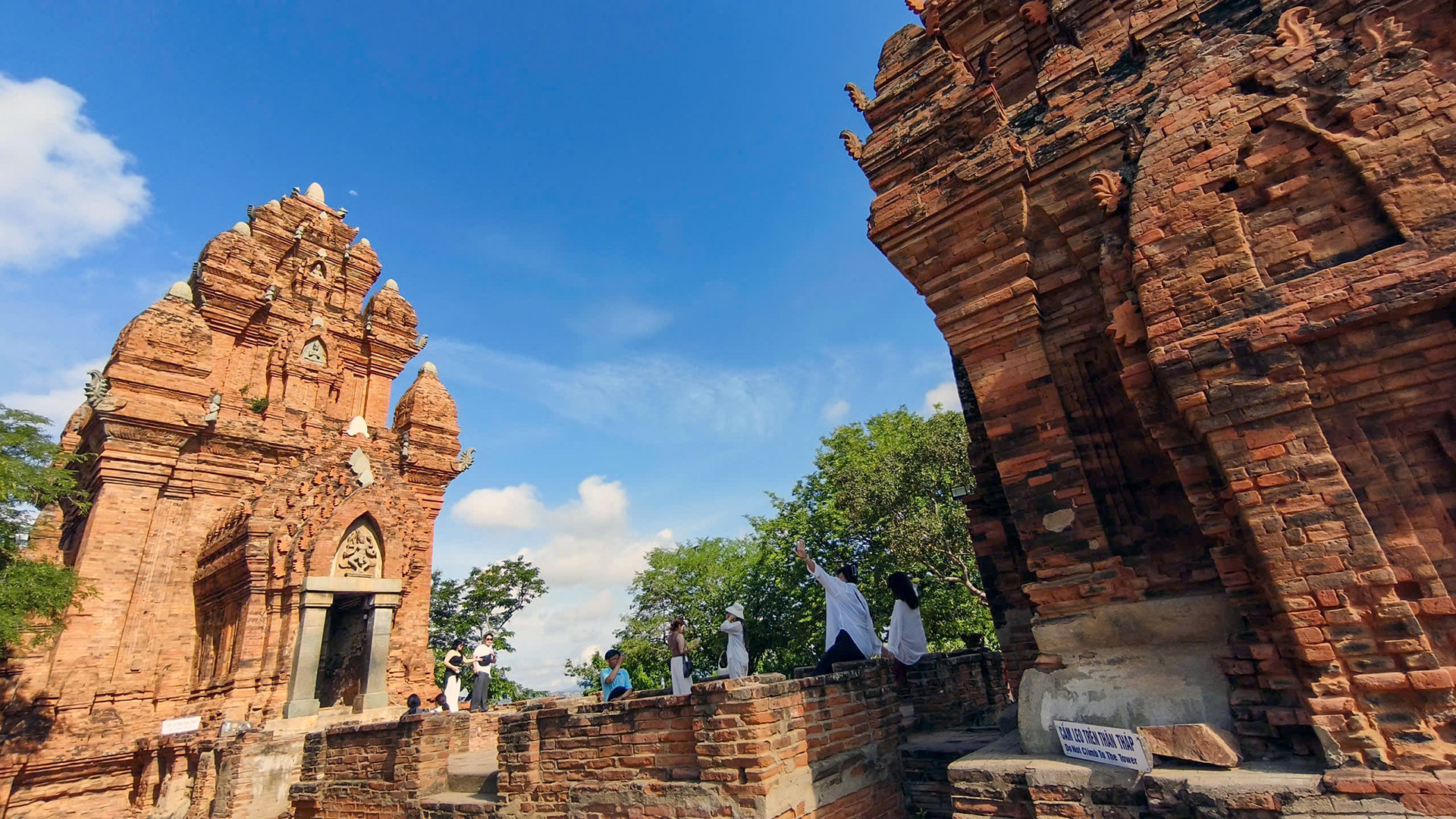
Po Klong Garai Tower reflects the distinctive Cham architectural style in Khanh Hoa province. Photo: X.N
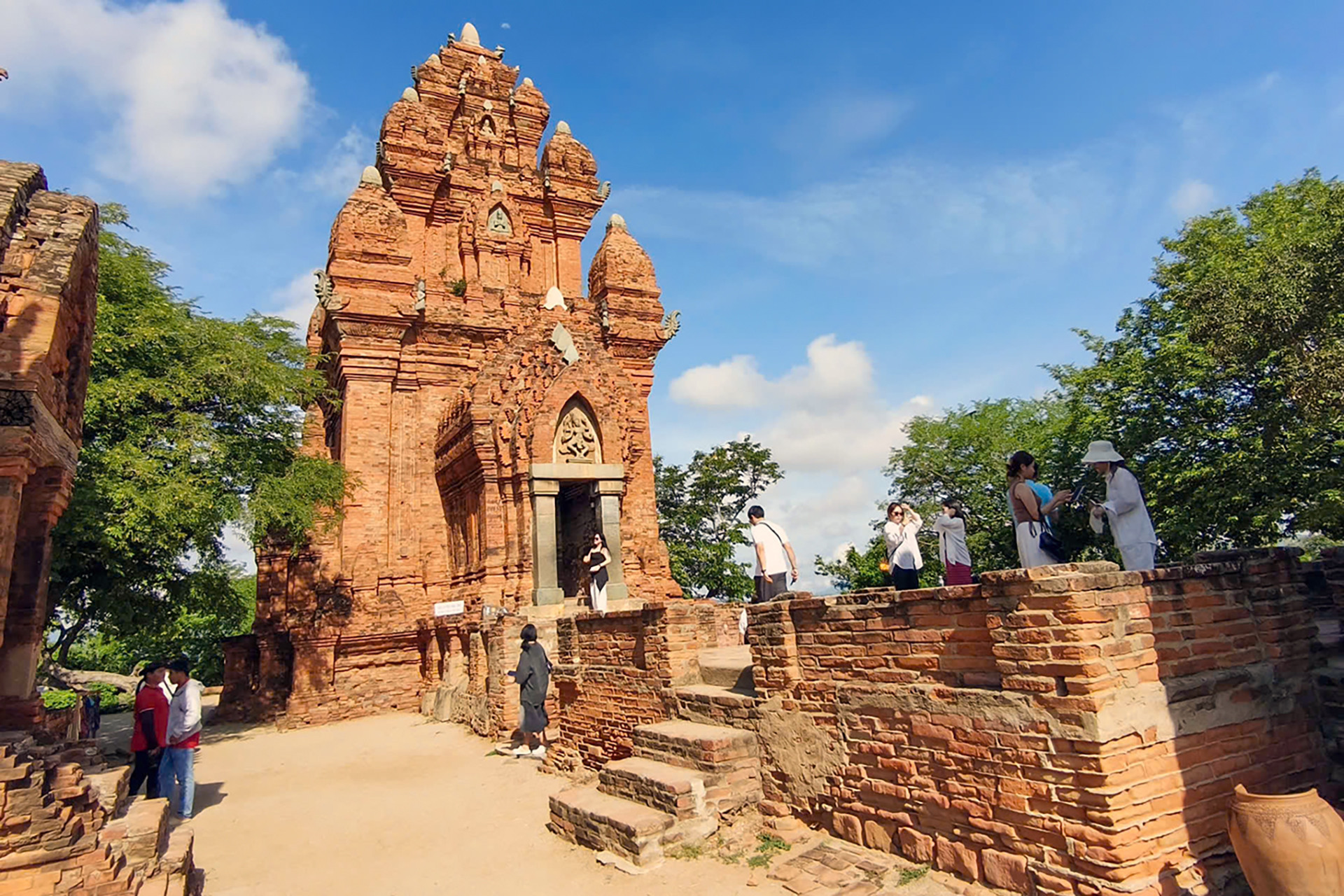
The Po Klong Garai tower complex consists of three towers perched on Trau Hill in Do Vinh Ward, constructed between the late 13th and early 14th centuries. Having weathered centuries of upheaval, the site continues to preserve invaluable artifacts and the enduring spirit of Cham culture. In 1979, the complex was designated a National Monument, and in 2016 it was elevated to Special National Architectural and Artistic Monument status.
The main tower, measuring 13.8 meters in length, 10.7 meters in width and 20.5 meters in height, stands at the heart of the complex. Inside is the worship statue of King Po Klong Garai (1151 - 1205). In 2024, the statue was officially recognized as a National Treasure, reaffirming the site’s exceptional value and enhancing its appeal as a cultural destination.
Standing beneath a century-old tamarind tree facing the ancient Cham towers, Tran Van Tai, a visitor from Hanoi, shared that the Po Klong Garai complex in Khanh Hoa left a profound impression on him after he had explored many Cham temple towers across central Vietnam. “Coming here, I not only admire the unique Cham architecture but also learn about the National Treasure and King Po Klong Garai, who contributed to economic development and built irrigation systems that brought prosperity to his people,” he said.
Dong Van Nhuong, Deputy Head of the Management Board of the Po Klong Garai Tower relic site, noted that the National Treasure statue of King Po Klong Garai dates from the 16th to 17th centuries. It comprises a Yoni pedestal and a Linga pillar forming a bas-relief representation of the king. According to legend, King Po Klong Garai was deified in the symbol of Shiva. This rare sandstone work is intricately carved, possessing high artistic value and portraying the distinctive image of the “God-King.” It represents a harmonious fusion of Hindu stylistic influence and indigenous belief, expressing the unity between royal authority and divine power.
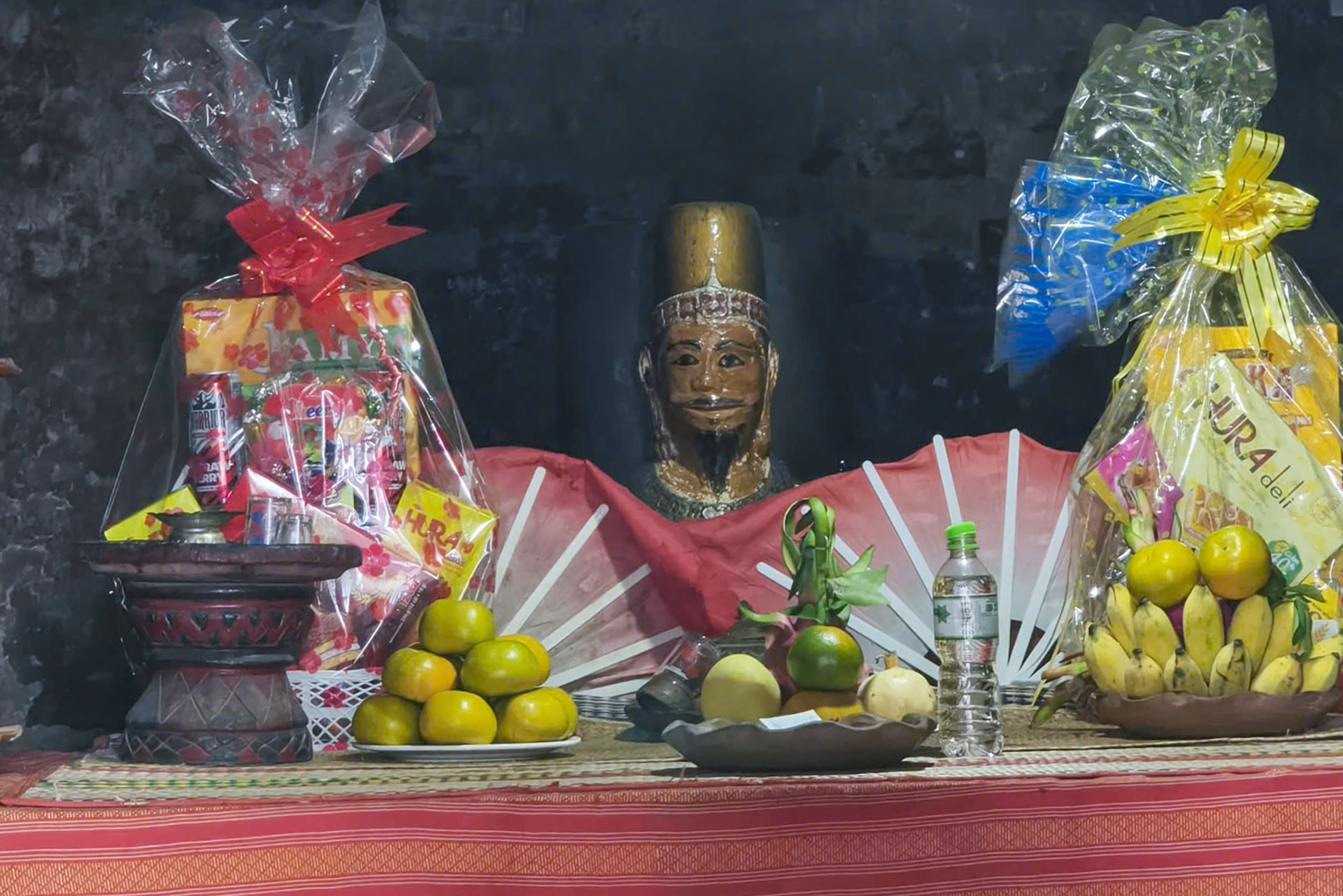
Inside the main tower worshipping King Po Klong Garai (1151 - 1205) with the Mukha - Linga symbol. Photo: X.N
Beyond the statue of King Po Klong Garai, the Cham cultural treasury includes three other National Treasures: the Hoa Lai stele and the Phuoc Thien stele, both dating from the late 8th to early 9th centuries, and the bas-relief of King Po Rome from the 17th century. The two steles are currently displayed at the Ninh Thuan Provincial Museum, while the bas-relief of King Po Rome is preserved at the Po Rome Tower relic site in Phuoc Huu Commune, Ninh Phuoc District.
Each treasure carries its own historical, cultural and artistic significance, reflecting the spiritual life and beliefs of the Cham people in the ancient land of Panduranga.
The Khanh Hoa Provincial Museum, formerly the Ninh Thuan Provincial Museum, preserves numerous valuable Cham sculptural works spanning from the 8th to the 17th centuries. Highlights include stone carvings such as inscriptions, steles and kut stone statues, most of them original artifacts sourced within the province. These works embody diverse artistic styles, from the Hoa Lai inscription and the Phuoc Thien inscription to later stone steles.
According to historical records, inscriptions serve as a vital source for studying Cham history, culture, language and art. The Hoa Lai stele, discovered during the 2006 archaeological excavation of Hoa Lai Tower, remains intact and is inscribed on three sides in Sanskrit. Its content records the construction history of the Hoa Lai towers, the ruling dynasty and religious beliefs in the Panduranga region during the Hoan Vuong period. This unique artifact holds exceptional value in terms of history, culture, architecture and sculpture within Cham civilization, which flourished in central Vietnam from the 2nd to the 17th centuries.
Preserving Cham and Raglai cultural heritage
Alongside Cham culture, Raglai culture in Khanh Hoa is rich in identity and humanistic values. Its most outstanding heritage is the Khanh Son lithophone collection - an ancient musical instrument dating back approximately 2,500 to 3,000 years - currently preserved at the Khanh Hoa Provincial Museum.
In 1979, Vietnam announced the discovery of the Khanh Son lithophone set, affirming its distinctive historical, cultural and artistic significance. The resonant tones of the lithophone reflect the vibrant spiritual life of the Raglai people. Today, Khanh Hoa is restoring original lithophones, crafting new sets and passing down performance skills to younger generations in an effort to safeguard traditional musical heritage and create a unique highlight for local cultural tourism programs.
The province has made sustained efforts to restore and conserve relic sites in order to promote the value of its heritage and National Treasures while preserving their historical, cultural and artistic integrity. These sites have been connected into tourism clusters, attracting large numbers of visitors.
Each year, religious rituals and cultural performances are held at the Po Rome and Po Klong Garai towers, introducing Cham traditions to the public. The provincial museum has also applied scientific preservation measures to artifacts and installed QR codes to help visitors easily access information, offering a more engaging experience. These initiatives not only protect heritage but also contribute to the sustainable development of tourism in Khanh Hoa.
Nguyen Long Bien, Vice Chairman of the Khanh Hoa Provincial People’s Committee, said the province is combining heritage preservation with economic and tourism development. It is focusing on safeguarding representative cultural heritage sites and works of political, historical and traditional significance to foster cultural growth and nurture the people of Khanh Hoa.
The provincial People’s Committee has assigned the Department of Culture and Sports to coordinate with relevant agencies to survey, research and propose the ranking of relics, heritage and treasures. The province is also promoting heritage conservation and communication through diverse approaches, with particular emphasis on digital technology to enhance visitor experiences at relic sites, museums, the Cham Cultural Research Center and tourism destinations.
Xuan Ngoc
.svg)
