 Vietnamnet.vn

 Podcast



Huy Nguyen
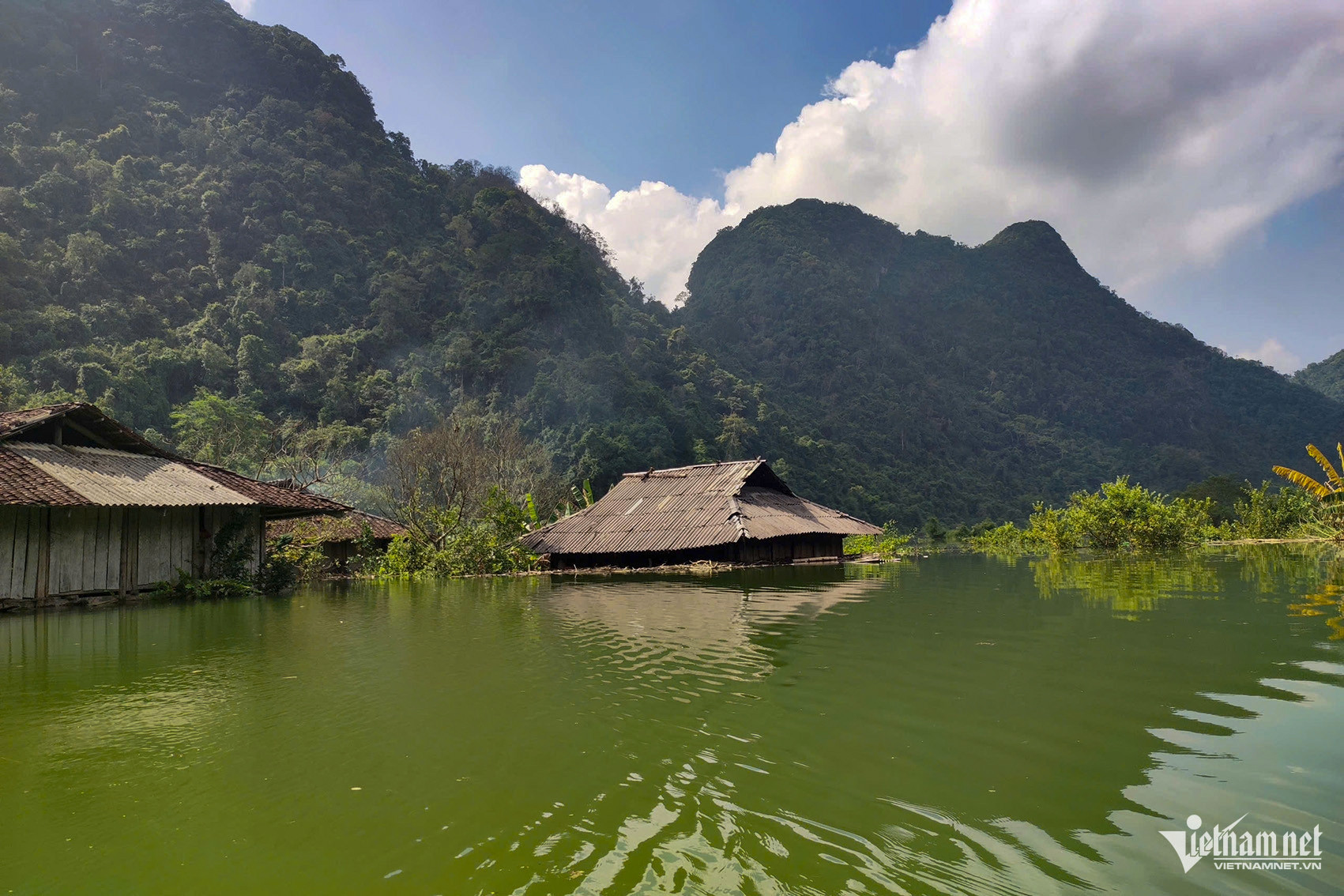
As of October 28, in Lan Dat Village (Huu Lien Commune, Lang Son Province), nearly 20 households are still living in deep floodwaters, with some areas submerged up to the rooftops. The water has turned clear but shows no signs of receding.

To get around, residents rely on rafts. With water levels still dangerously high, many families have not been able to return home and are living in temporary tents set up on nearby mountainsides, unsure of when they can go back.
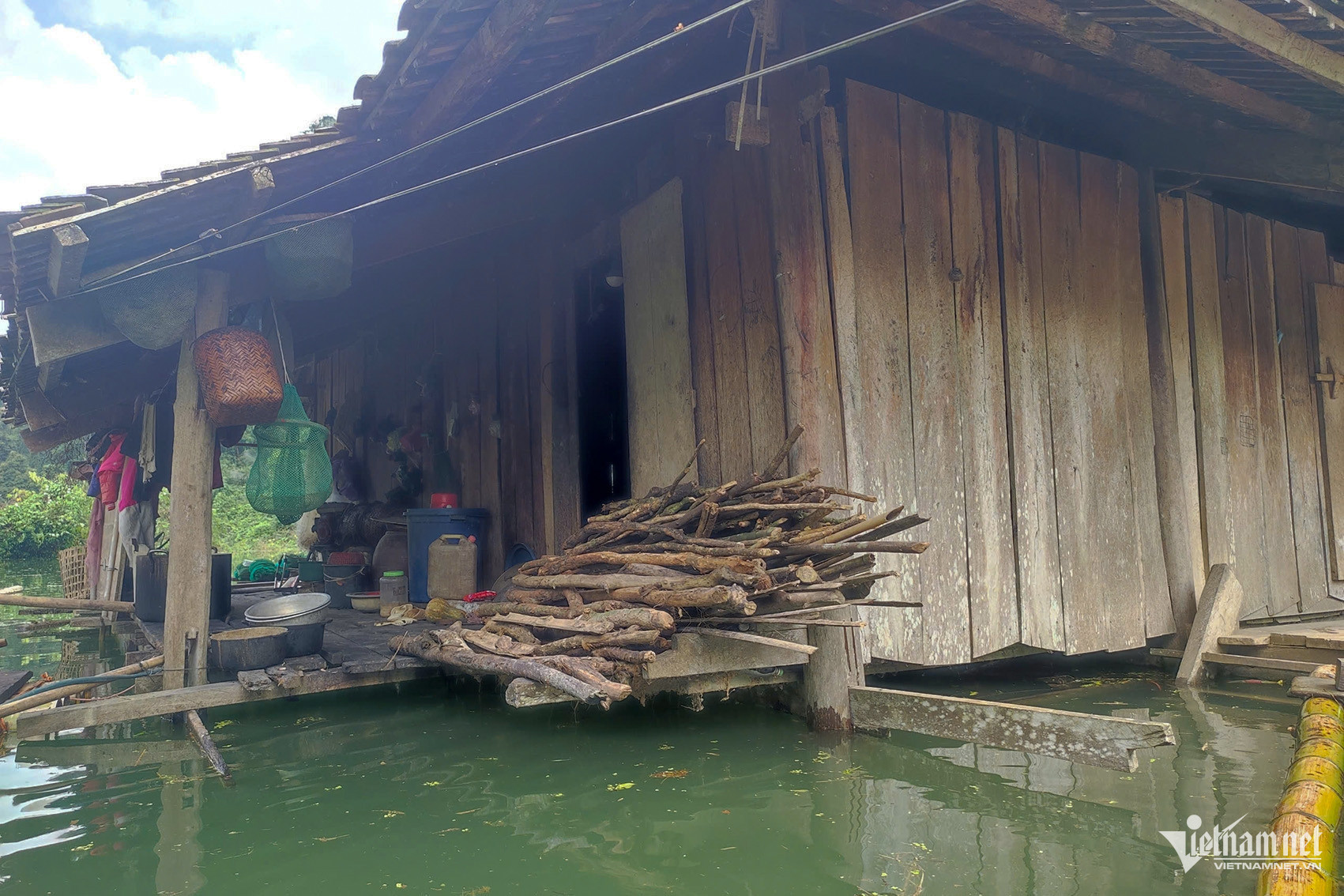
Speaking to VietNamNet, Khong Hong Minh, Vice Chairman of Huu Lien Commune People's Committee, explained that flooding in Lan Dat was initially caused by Storm No. 9, but the water level rose significantly after Storm No. 11, affecting nearly 20 households.
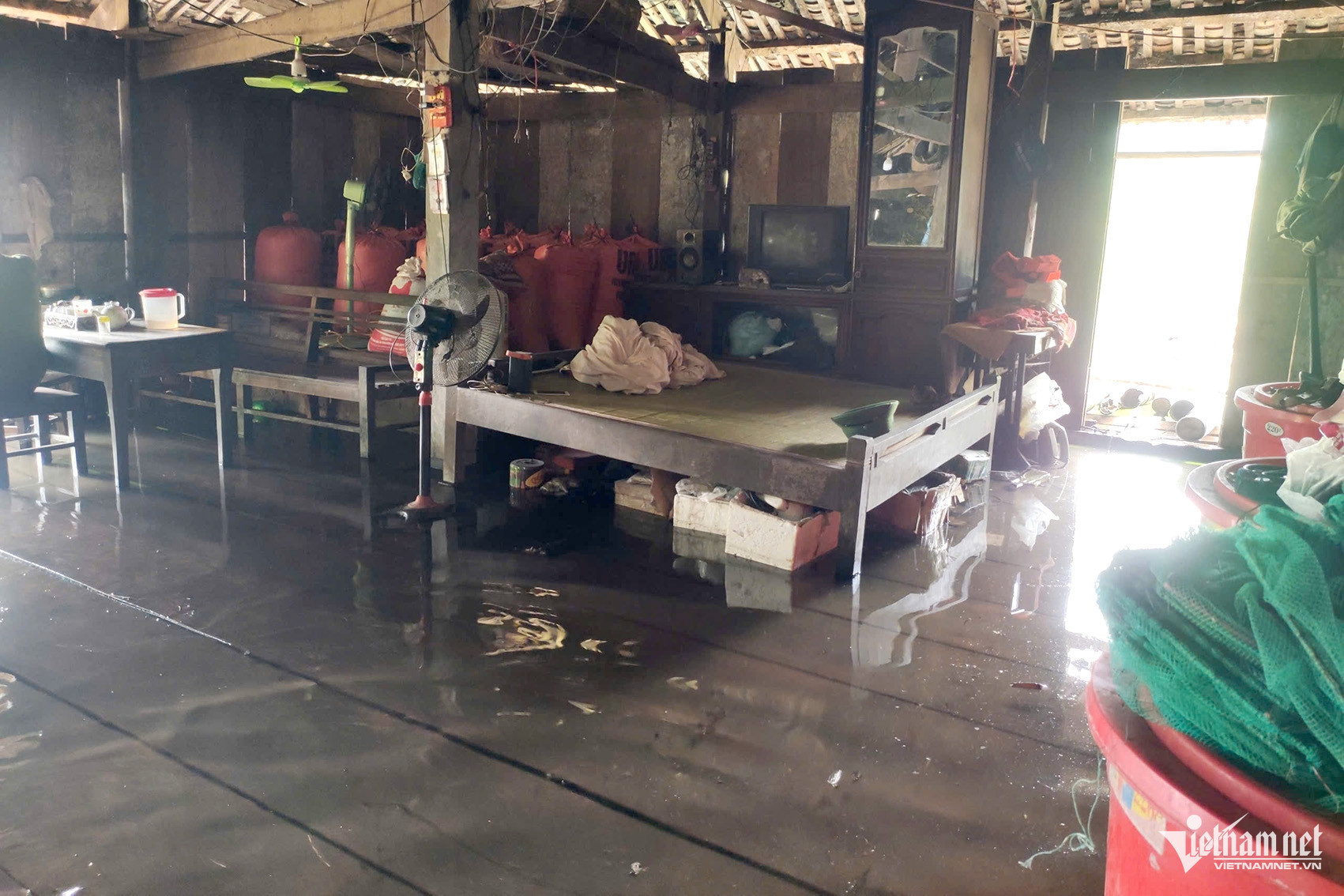
Minh added that Lan Dat Village lies in a low-lying basin. Previously, water would drain through Provincial Road 243 leading to the old Huu Lien Commune and through the Con Voi drainage pit.

However, post-storm debris such as fallen trees and landslide rocks have clogged the drainage outlets. Local authorities are working on plans to clear the blockages, but the task remains extremely difficult.
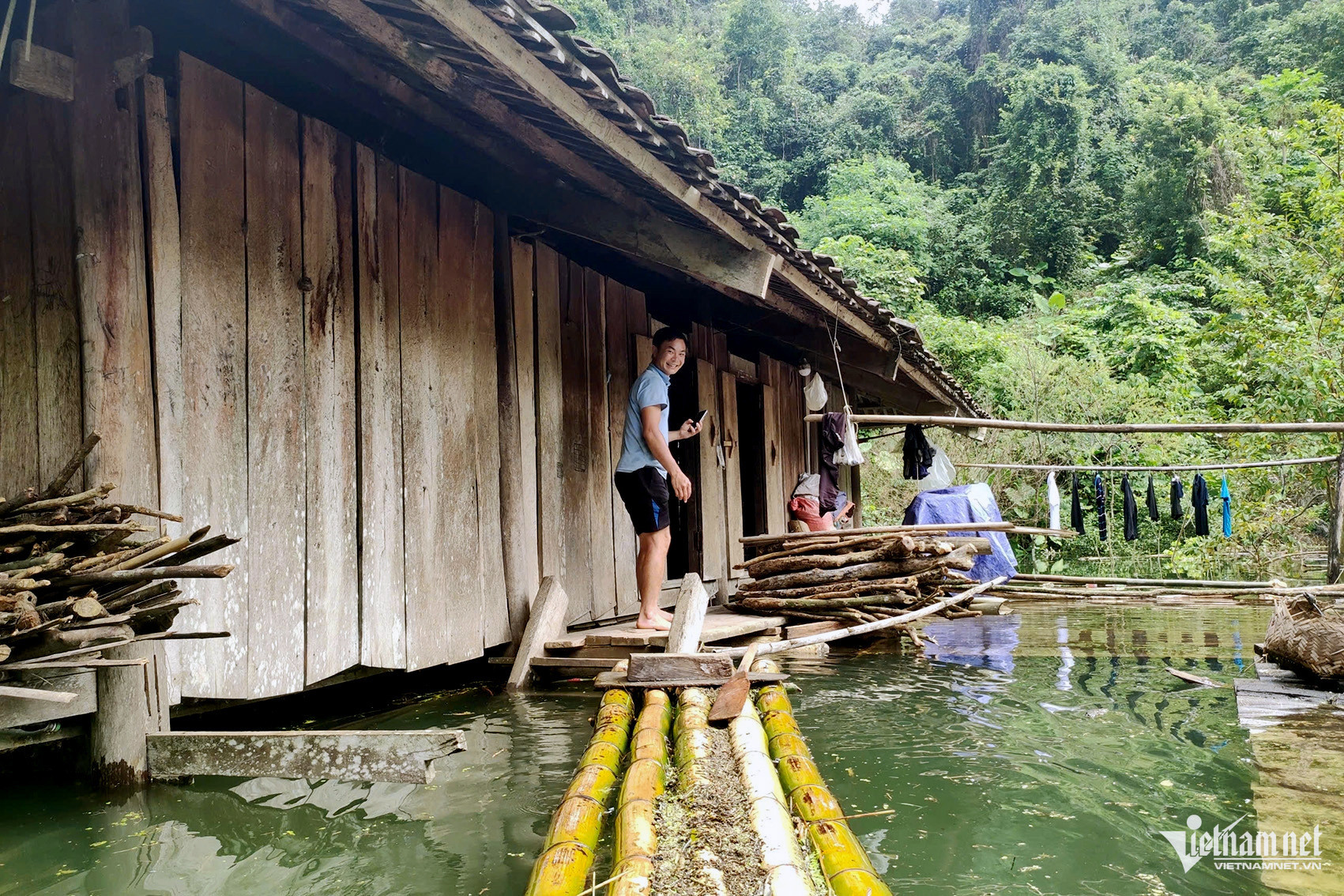
“We’ve never seen water stay this long. It used to drain quickly, but now even moderate rainfall causes flooding. This has been the case since Storm No. 9,” said Khong Hong Minh. “Drainage paths are completely blocked and hard to clear.”

Currently, charity groups are working with local authorities to provide food and clean water to affected residents. The government is also assisting people in returning to their homes to assess and reinforce their properties.
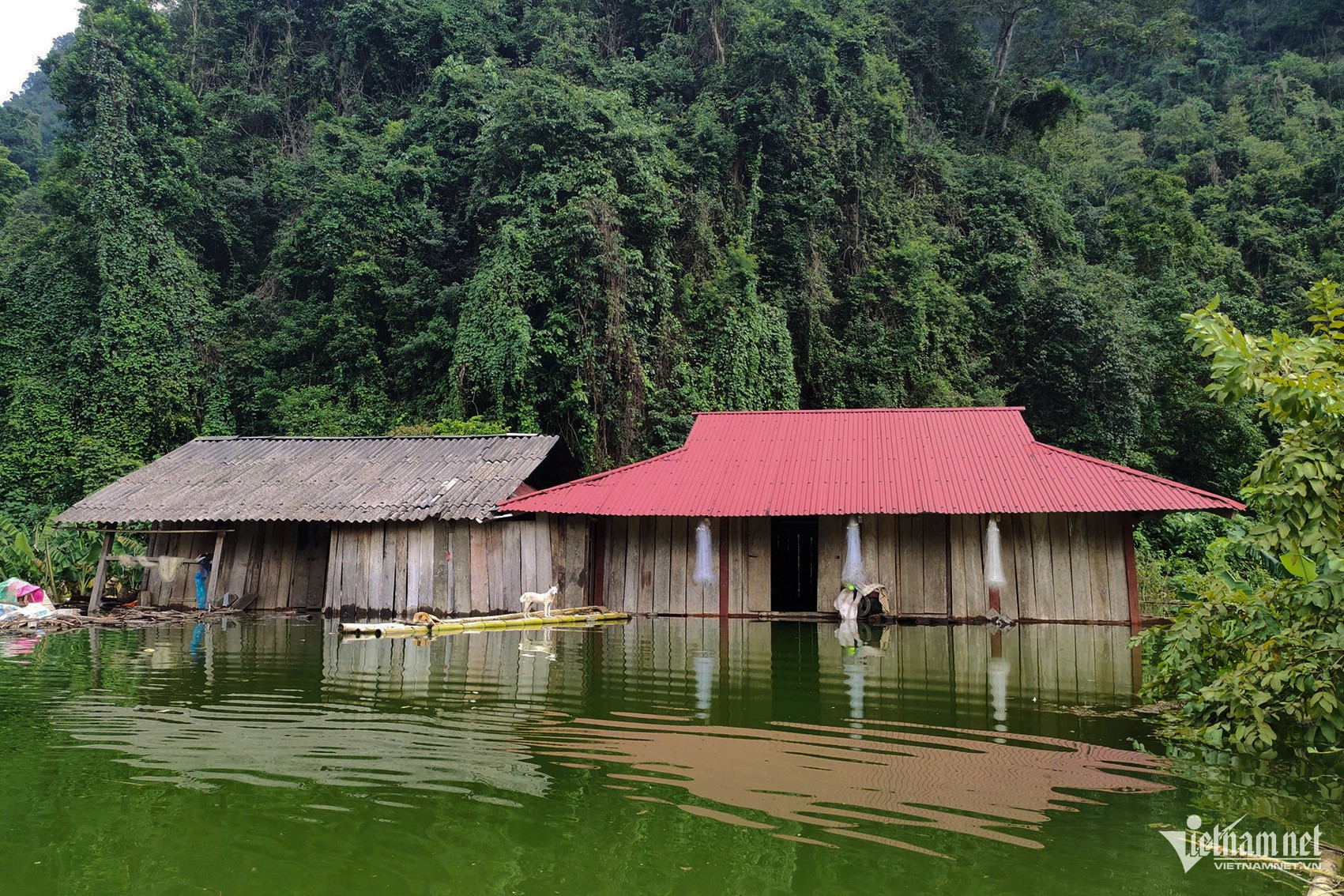
Earlier, on October 6, Storm No. 11 made landfall in the Northeast region before weakening into a tropical depression. In Lang Son, the storm’s aftermath caused heavy rain in multiple districts, raising river levels and submerging many mountainous and low-lying areas, affecting thousands of households.
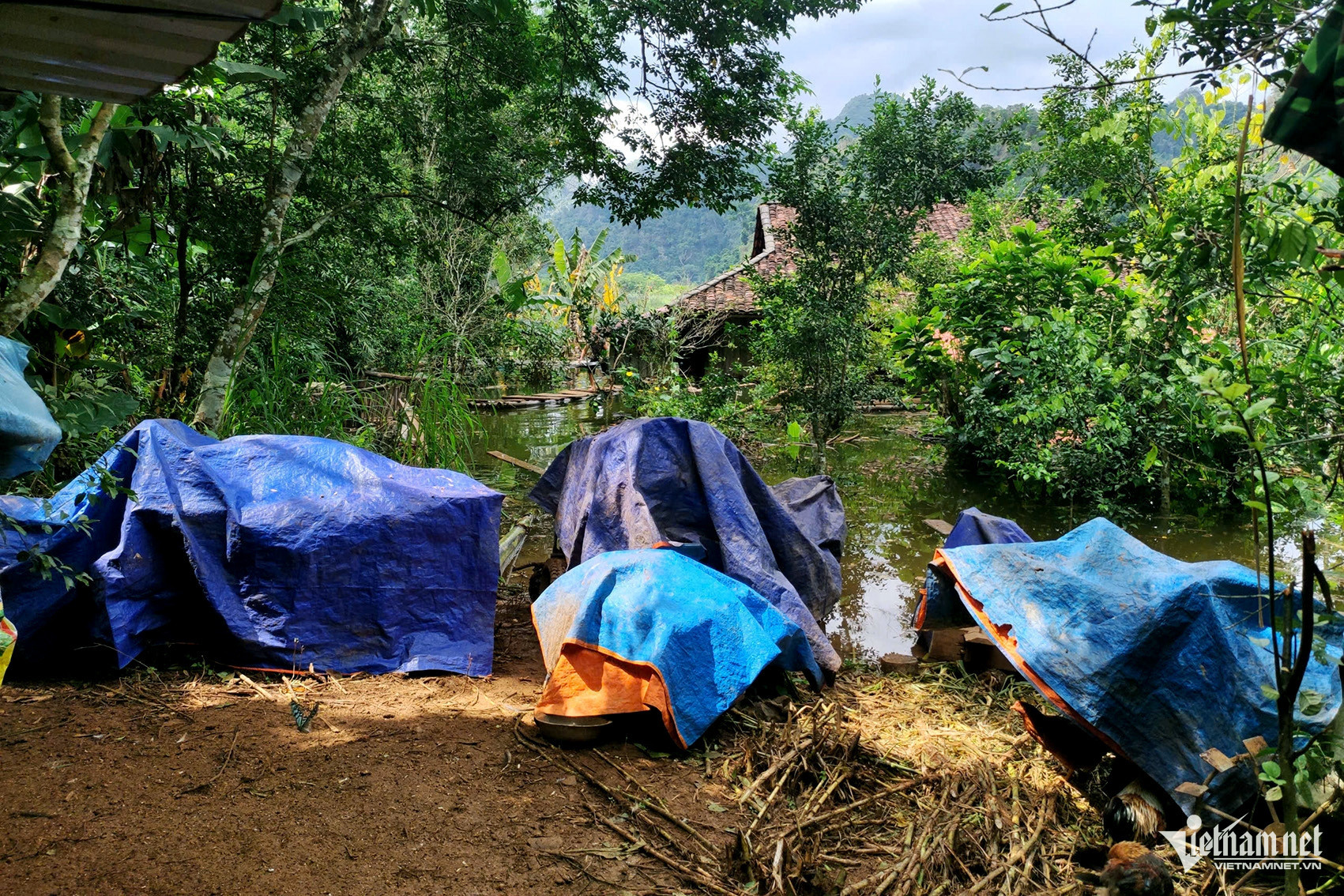
Families have relocated belongings to higher ground and set up mountain shelters.
.svg)
