 Vietnamnet.vn

 Podcast



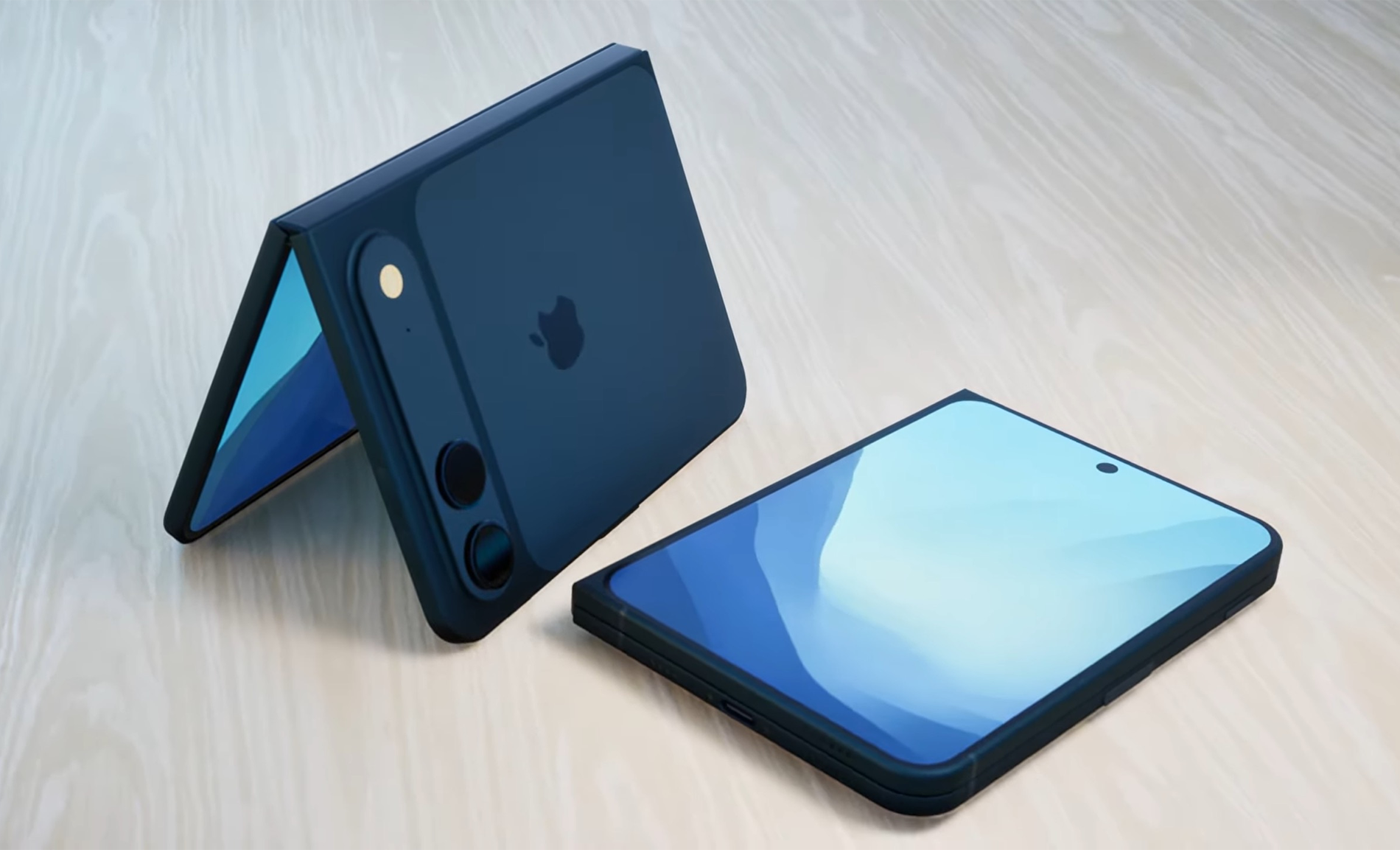
To date, no technology has been able to eliminate the visible crease on foldable screens, a goal Apple set from the early stages of this project.
If the company continues to chase this vision of flawlessness, the foldable iPhone could be delayed for several more years.
In reality, such extreme perfectionism may not be necessary. Current models like the Samsung Galaxy Z Fold 7 and Z Flip 7 already have creases that are barely noticeable during regular use-visible only from certain angles under specific lighting.
This means Apple could easily launch a foldable phone on par with the Galaxy Z Fold 6 or 7 and still dominate headlines and drive massive demand.
But the company refuses to “lower the bar,” insisting that its product must first meet a level of perfection it has yet to reach.
Industry analysts believe Apple is setting the iPhone Fold up for massive disappointment, for two main reasons.
First, the foldable was originally expected to launch in 2026, alongside the iPhone 18 lineup. Since the iPhone 18 is rumored to feature minimal design changes, the foldable would have easily taken center stage.
If delayed until 2027, however, the iPhone Fold would be forced to compete directly with the highly anticipated 20th-anniversary iPhone Pro, which is expected to debut with a completely bezel-less and notch-free design.
Second, after so many delays and years of hype, user expectations are now sky-high. If the iPhone Fold turns out to be little more than a Galaxy Fold running iOS, Apple fans are bound to feel let down.
In other words, Apple’s own perfectionism and procrastination have built a towering wall of expectations-one the company may not be able to climb.
Users are losing patience and trust
Now is not the time for Apple to continue chasing an unattainable ideal, especially as the company is already grappling with issues across its existing product lines.
In recent years, Apple’s software updates have sparked controversy. For instance, iPadOS 18 caused certain iPad M4 models to freeze completely, effectively turning them into useless “bricks” within hours of updating.
On the hardware side, the iPhone 17 Pro, which was expected to fix previous signal issues, has been plagued with severe mobile connectivity problems that even subsequent patches failed to resolve.
While its new aluminum frame improved heat dissipation, it also made the iPhone 17 Pro more susceptible to dents when dropped, raising durability concerns.
To make matters worse, the popular Cosmic Orange edition of the iPhone 17 Pro Max has seen its vibrant color fade to pink after just a few months of use-and it’s not an isolated issue.
These ongoing problems suggest Apple should prioritize fixing current products instead of chasing the elusive dream of a “perfect” foldable phone.
In reality, the market doesn’t need a flawless iPhone Fold. It simply needs a good, reliable, and practical one.
Competitors like Samsung, Huawei, and Oppo understand this well. They launched foldables early, accepted the early flaws, and continuously improved with each generation.
If Apple wants a stake in the foldable market, it must step out of its perfectionist comfort zone. Endless delays will only drive users toward rival brands.
Rather than waiting years for an impossible dream to come true, Apple should release the iPhone Fold as soon as the technology is good enough-and refine it over time, just like it did with the very first iPhone.
If Apple continues chasing an unrealistic ideal, the iPhone Fold could become the most disappointing product in the company’s history.
It’s time for Apple to stop dreaming of perfection and start delivering what users have waited over a decade for: a real, working iPhone Fold.
Hai Phong
.svg)
