 Vietnamnet.vn

 Podcast



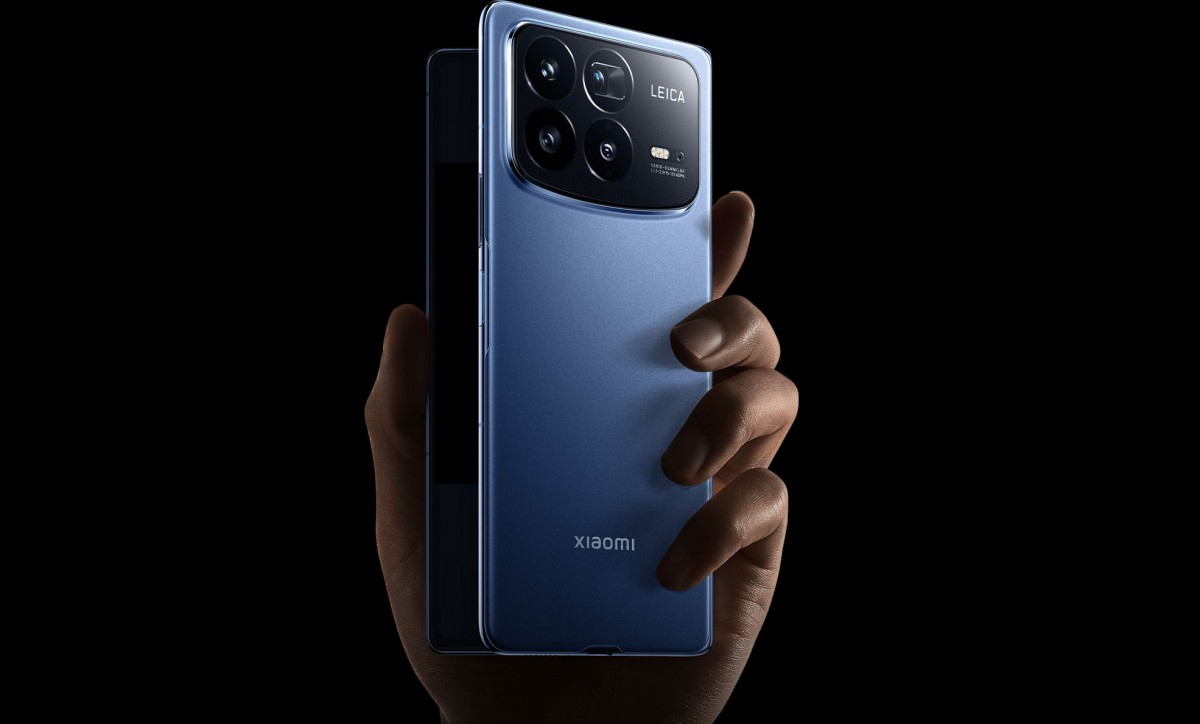
After a period of relative quiet, new reports suggest Xiaomi is preparing to return with a completely new book-style foldable device.
But the landscape has changed. In 2026, even without major setbacks, Xiaomi will face a far more competitive environment than before.
Earlier, devices like the Xiaomi Mix Fold 4 competed against models such as Samsung Galaxy Z Fold 6 in a still-developing market.
Today, foldable smartphones remain a niche compared to traditional devices, but they have become significantly more familiar to consumers. Interest is rising quickly, and the pace of leaks and speculation reflects a market approaching a breakout phase.
Greater competition, better products
As competition intensifies, devices tend to improve, prices become more accessible, and major brands have fewer excuses to delay innovation.
That is why many are watching Xiaomi’s upcoming foldable closely, whether it ultimately launches as the Mix Fold 5 or under a different name such as Xiaomi 17 Fold.
Back in 2024, Xiaomi’s book-style foldable had the potential to stand out thanks to strong hardware and competitive pricing.
However, limitations in software optimization and global availability prevented it from achieving a true breakthrough.
Now, Xiaomi faces a more formidable challenge. Samsung is expected to introduce the next generation, likely building on the progress of recent models that have improved durability and usability, moving foldables closer to mainstream adoption.
Even so, Samsung’s dominance, particularly in markets like the US, remains difficult for Chinese brands to overcome due to stronger brand recognition and distribution.
The “elephant in the room” - iPhone Fold
Another critical factor is the long-rumored foldable iPhone, widely expected to debut by the end of 2026.
Skepticism from Android users persists, but history suggests that underestimating Apple can be a costly mistake.
If Apple’s foldable delivers on expectations - featuring a nearly crease-free display and strong battery performance - it could do more than compete. It could redefine the segment and capture a significant share of attention.
The foldable market is still relatively small. Compared to conventional smartphones, it remains a niche.
That means Xiaomi is not only competing with Samsung but also racing against time to establish its presence before Apple dominates the conversation.
A summer launch could give Xiaomi a strategic advantage, allowing it to gain momentum ahead of Apple’s expected unveiling later in the year.
A narrowing window of opportunity
Xiaomi is not alone in accelerating its efforts. Other Android brands are pushing forward aggressively.
Devices like the Honor Magic V6 have drawn attention with unusually large battery capacities, while Oppo’s latest foldables are rumored to feature displays with minimal visible creases - addressing one of the category’s biggest weaknesses.
Similar advancements are expected from Apple, raising expectations across the entire market.
In this context, simply releasing a “good” foldable is no longer enough.
Xiaomi must deliver across multiple fronts at once. Its camera system needs to match flagship standards, an area where foldables have traditionally lagged behind. Battery capacity must exceed typical expectations as competitors continue to push limits.
The inner display must be both premium and durable, with minimal creasing. And software - historically a weak point for Xiaomi in foldables - must be refined to support seamless multitasking and optimized large-screen experiences.
If Xiaomi succeeds in delivering a device that matches Samsung’s polish, surpasses competitors in hardware, and maintains an attractive price point, the foldable market could become significantly more compelling.
Yet timing remains critical. By the time Xiaomi launches, attention may already be shifting toward Apple, while Samsung continues refining a formula it has steadily improved.
This creates a narrow window for Xiaomi to make a strong impression before the spotlight moves elsewhere.
Foldables are no longer defined by experimentation, but by execution. And 2026 may mark the most intense competition yet, with Samsung refining its lead, Motorola pushing on price, Google maintaining its presence, and Apple preparing a carefully calculated entry.
In this race, Xiaomi will need to move quickly if it hopes to remain a serious contender.
Hai Phong
.svg)
