 Vietnamnet.vn

 Podcast



Dang Sy Manh, Chairman of Vietnam Railways (VNR), said the achievement is made possible by improved signaling systems, flexible dispatching and thorough preparation for multiple risk scenarios.
Single track still carrying peak demand
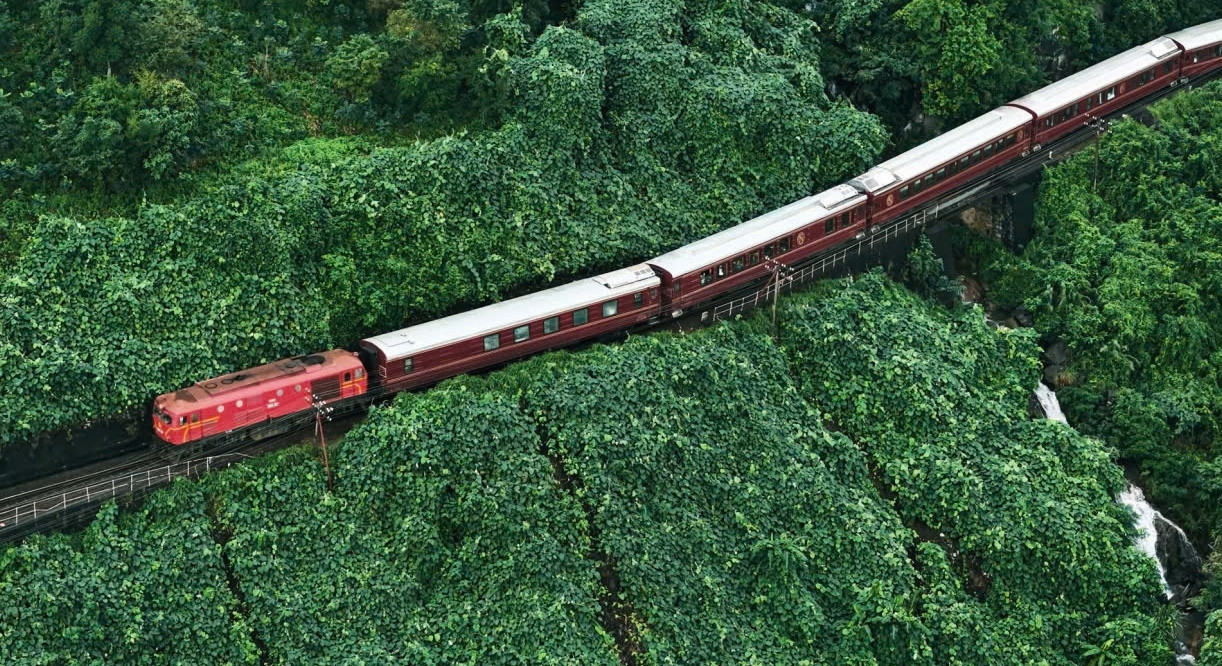
According to Manh, in many developed countries, double-track or multi-track systems allow trains to run in parallel, reduce waiting times, increase frequency and ensure higher safety margins.
By contrast, Vietnam’s railway network is predominantly single track, meaning trains in both directions must share the same line. Every crossing and passing loop requires minute-by-minute calculation.
“On a single track used for two directions, even a minor incident can trigger cascading delays. However, thanks to the signaling system and flexible operations, train schedules remain stable, even during Tet peak,” he said.
Manh noted that many foreign experts conducting field surveys were surprised to see Vietnam running such dense traffic on single-track infrastructure, especially given the high number of level crossings intersecting with roads.
“At certain gatekeeper posts, a train passes every 20 minutes. Level crossings are dense, traffic conflicts are significant, yet trains must still ensure safety and punctuality,” he added.
According to the VNR chairman, the key factors are information signaling systems and dispatch coordination. While urban rail lines have limited crossings and stable cyclic timetables, the national railway frequently faces unexpected situations such as collisions at level crossings, vehicles obstructing tracks or traffic accidents.
“Just one incident can force a train to stop for 30 minutes, even hours, while coordinating with authorities. On a single track, stopping at one point affects the entire line. We must adjust timetables, make up time on one section and shorten stops on another to limit knock-on delays,” Manh explained.
Not every technology fits local realities
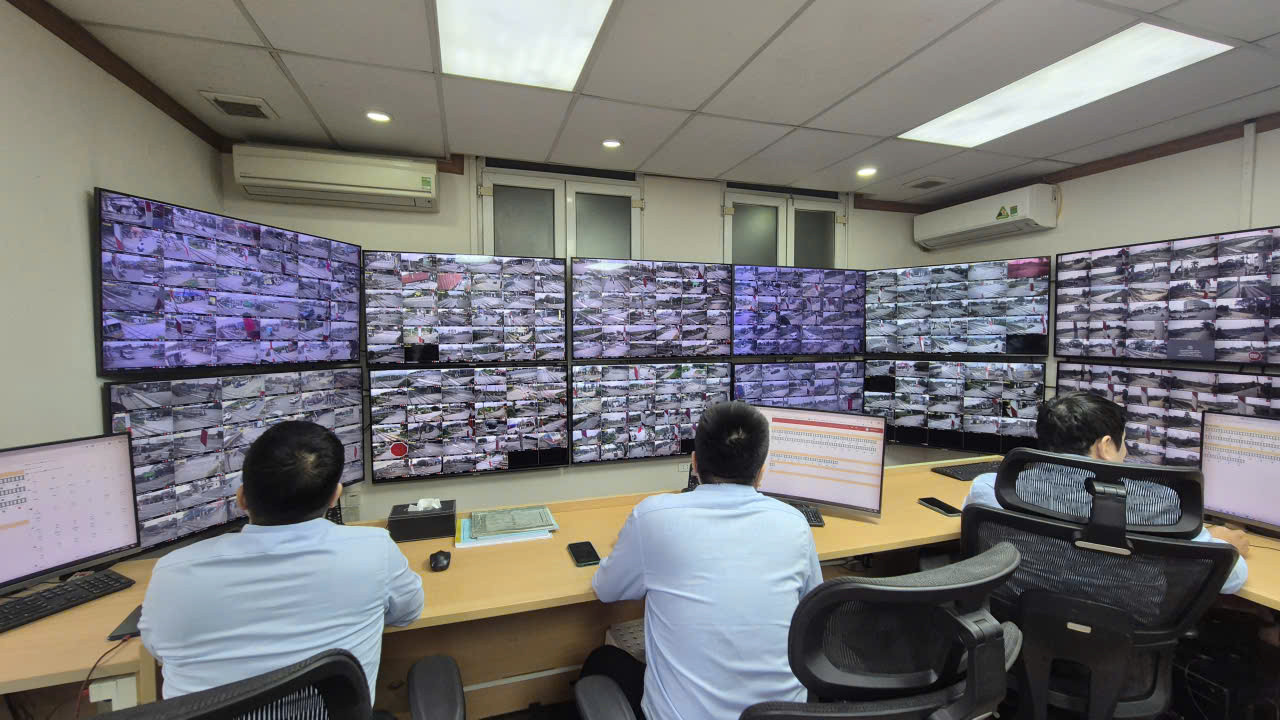
The VNR chairman said several foreign delegations, including European experts, have expressed admiration for Vietnam’s signaling system and operational capacity after witnessing high-density single-track operations.
At first glance, many consider the 1,000mm single-track system outdated. Yet after observing the density of crossings and traffic conflicts in practice, they acknowledged the effectiveness of Vietnam’s operational management.
Manh revealed that an international organization once proposed adopting automatic obstacle detection technologies similar to those used in Europe. However, Vietnam’s real-world conditions differ significantly.
“During a field survey from Hanoi Station to Van Dien Station, when experts saw the density of crossings and unpredictable situations, they reconsidered. If we installed systems that automatically stop trains upon detecting obstacles, given the current volume of road vehicles, trains might have to stop continuously and could hardly operate. Technology must align with infrastructure realities and traffic habits,” he said.
Floods wash away trackbeds, service restored swiftly
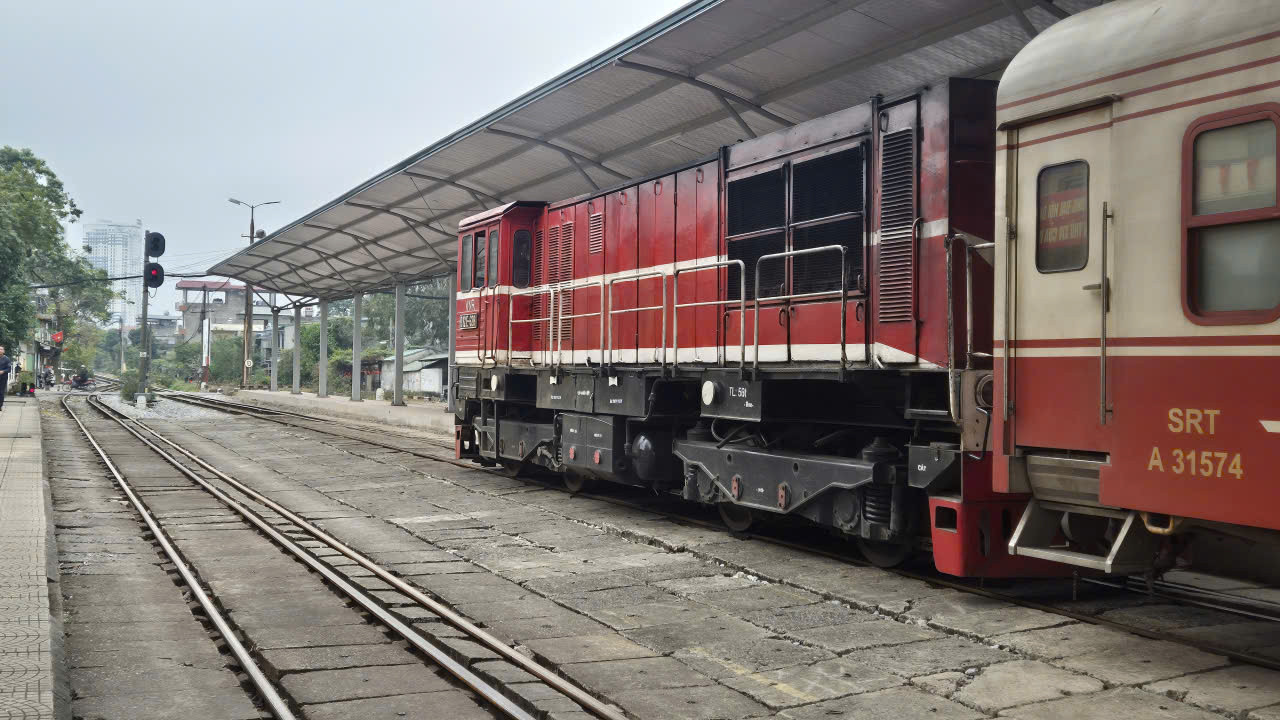
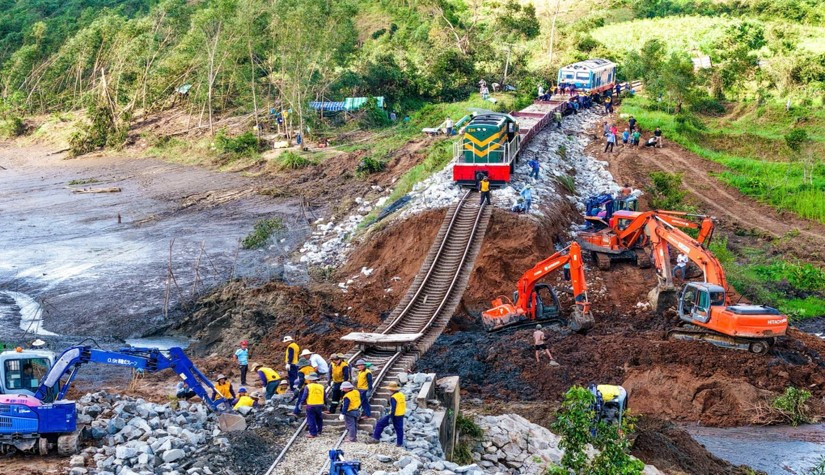
The North-South railway line passes through many areas frequently affected by natural disasters, particularly in central Vietnam. A landslide or washed-out trackbed at just one point can paralyze the entire route.
However, VNR leadership emphasized that preparedness is decisive. The railway sector maintains ready plans, personnel, materials and equipment to respond immediately under the “three ready” principle.
Railways have the unique challenge of “repairing while running,” unable to close lines for extended periods like other types of infrastructure. From surveying and reinforcing trackbeds to replacing rails and sleepers, all work must be conducted while ensuring absolute operational safety.
In recent severe floods in central Vietnam, heavily damaged sections were restored within just a few days. Repair solutions aim not only to resume traffic but also to enhance drainage capacity and resilience against future disasters.
Identifying risks before they materialize
According to VNR leadership, the most important lesson is proactively identifying safety risks early - from aging infrastructure and unauthorized level crossings to weather factors and traffic violations.
Recognizing risks is only the first step; more crucial is early prevention. Safety cannot mean waiting for incidents to occur before acting.
Despite the limitations of single-track infrastructure compared to developed nations, the railway industry continues striving to maintain round-the-clock operations through improved signaling, flexible dispatching and a professional workforce.
“Railways are the lifeblood of national transport. In all circumstances - from Tet peak to harsh natural disasters - the highest goal remains ensuring safety and minimizing delays,” Dang Sy Manh affirmed.
Vu Diep
.svg)
