 Vietnamnet.vn

 Podcast



Le Duong
Amid the lush green mountains of Pu Luong in Pu Luong Commune, Thanh Hoa Province, many foreign visitors are not only captivated by the pristine landscape but are also eager to step into the kitchen and learn how to make com lam, a traditional dish of the Thai ethnic community.
From simple bamboo tubes, the fragrance of newly harvested sticky rice mingling with wood smoke becomes an unforgettable experience for travelers from afar, especially international guests visiting Pu Luong.
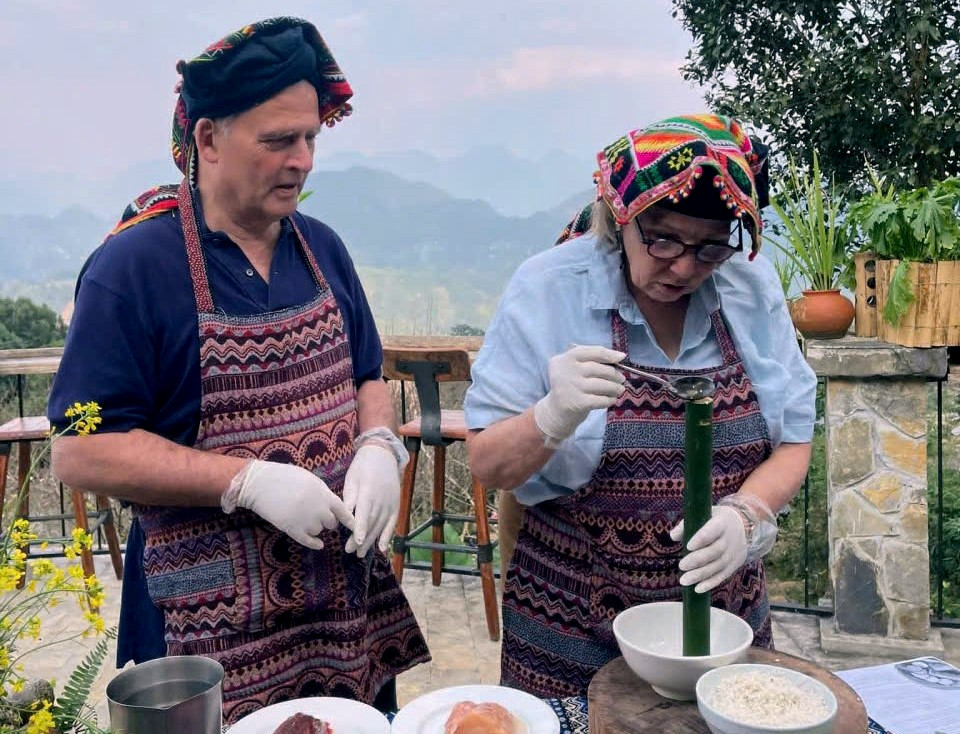
Inside stilt houses in Don Village and Kho Muong Village, as dusk settles and flames flicker over glowing charcoal, the hearth becomes a gathering place for visitors. Instead of merely tasting a prepared dish, they are guided by local residents through each step of making com lam, from rinsing the rice and pouring spring water into bamboo tubes to sealing them with banana leaves and roasting them over embers.
Lo Thi Huong, a local engaged in community-based tourism, said foreign visitors are particularly fond of sampling rustic local dishes, especially com lam.
Not content with just tasting it, they are shown how to make the bamboo rice themselves in the heart of the mountains. Many European guests appear delighted as they carefully rotate the bamboo tubes over the fire. For them, waiting for the rice to cook is not simply a culinary step but also a moment to chat and learn more about the daily life and customs of the Thai people in Pu Luong.
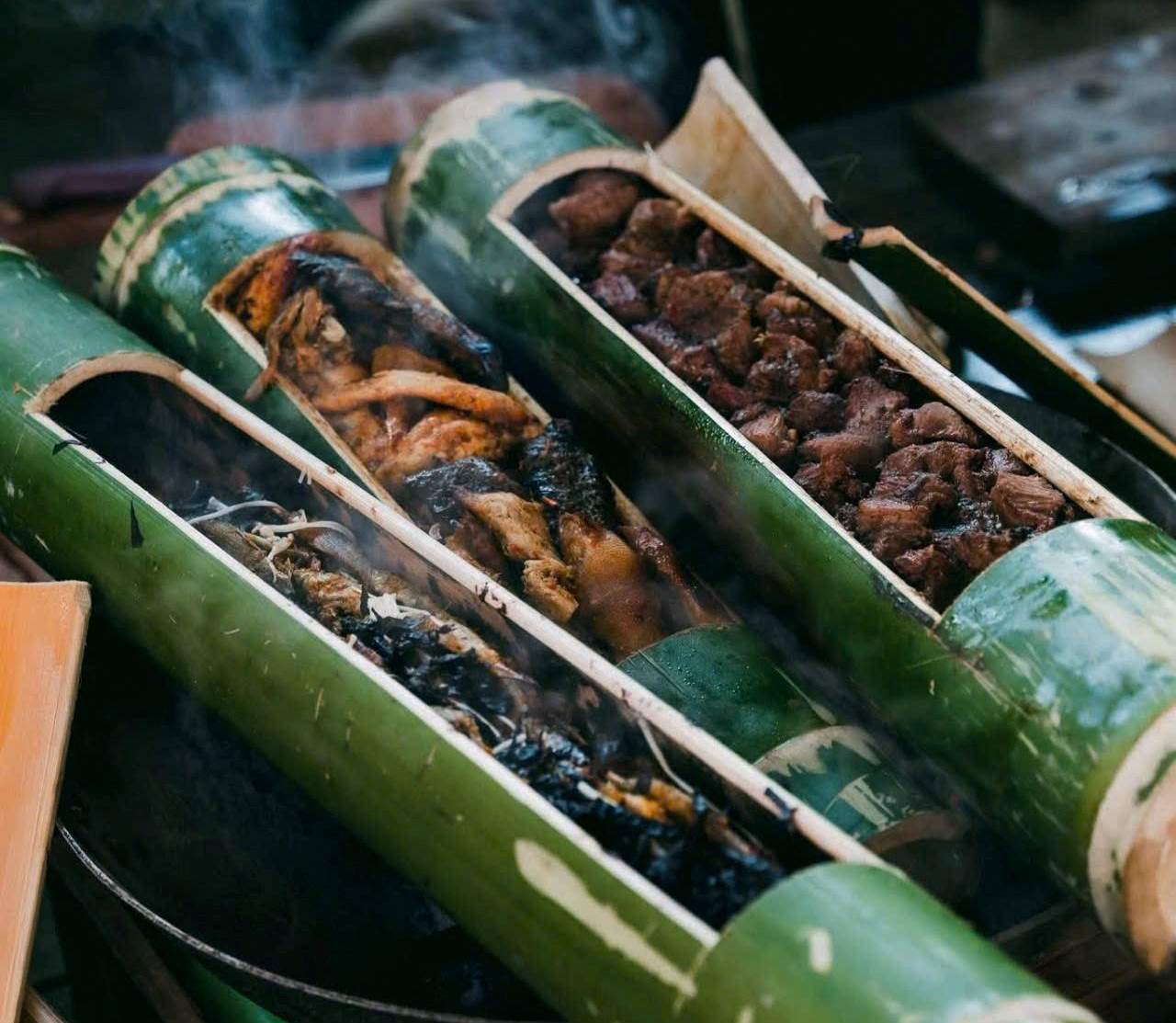
Com lam has long been a familiar dish among mountain communities. The sticky rice is carefully selected, often upland glutinous rice known for its round, fragrant grains and natural stickiness. After being rinsed clean, the rice is soaked for several hours, placed into fresh bamboo tubes with just enough water, then sealed tightly with banana or dong leaves.
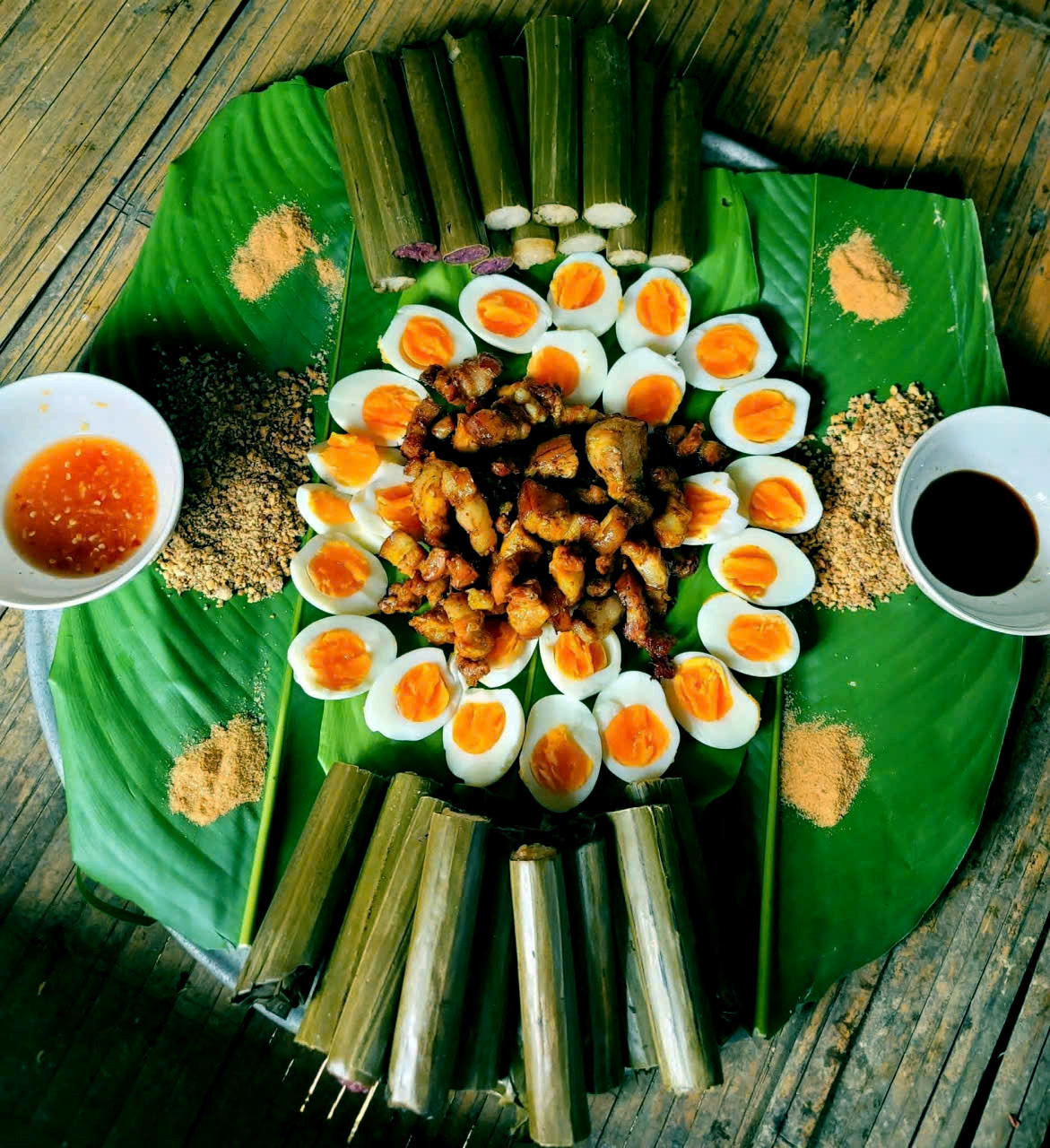
During roasting, the cook must rotate the tubes evenly so the rice cooks slowly, preventing the outer bamboo from burning while preserving the soft, chewy texture inside. Once the charred outer layer is peeled away, the pure white, aromatic rice is revealed. Com lam can be enjoyed with sesame salt, grilled meat or free-range chicken, creating a rich flavor that embodies the taste of the mountains.
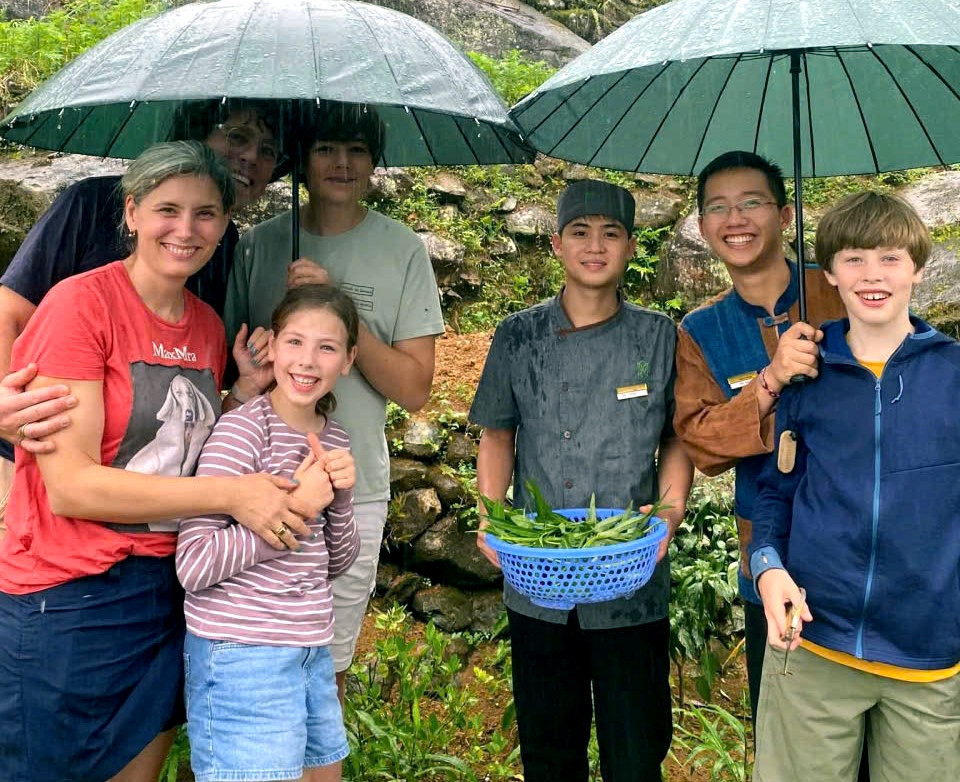
According to Huong, many foreign visitors are intrigued when they see rice being cooked inside bamboo. They film videos, take photos and ask to try it themselves. Some may spoil two or three tubes before succeeding, but everyone remains cheerful.
Organizing com lam cooking experiences not only generates additional income but also helps promote local culture. Rather than simply sightseeing, visitors are able to “live alongside” residents and gain a deeper understanding of traditional lifestyles.
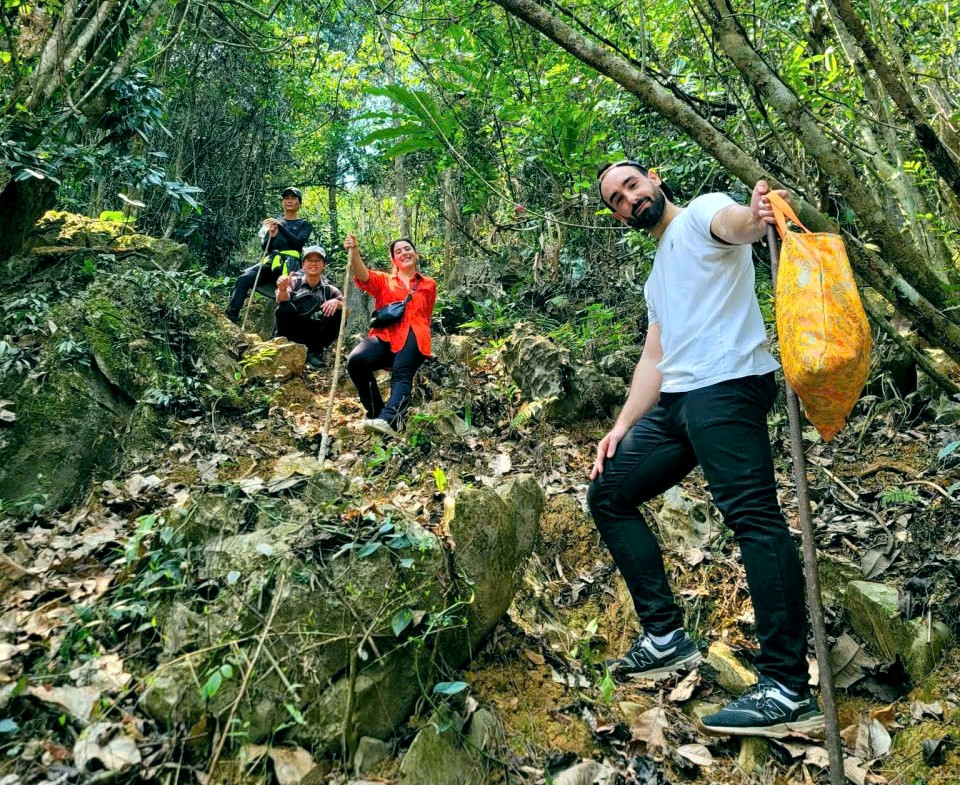
Local authorities said that in recent years, Pu Luong has become an increasingly popular destination for international tourists visiting Thanh Hoa. In addition to trekking across terraced fields, exploring caves and bathing in streams, cultural and culinary experiences are drawing growing interest.
From humble bamboo tubes, com lam has become a cultural bridge, bringing travelers closer to local life. Amid the pace of modern living, cooking over an open fire in the vast forests of Pu Luong is not just a tourist activity, but a journey back to the authentic, unspoiled values of the highlands of Thanh.
.svg)
