 Vietnamnet.vn

 Podcast



"My three-year term as France's ambassador to Vietnam has gone by very quickly. In Vietnam, it has felt even faster because of the country's remarkably dynamic development," Brochet said at the beginning of the interview.
France and Vietnam share more than five decades of diplomatic relations. Since Vietnam launched its Doi Moi (Renewal) reforms, France has remained a close partner, steadily expanding cooperation across a wide range of sectors. Projects implemented over the past three years have built on that long-standing foundation.
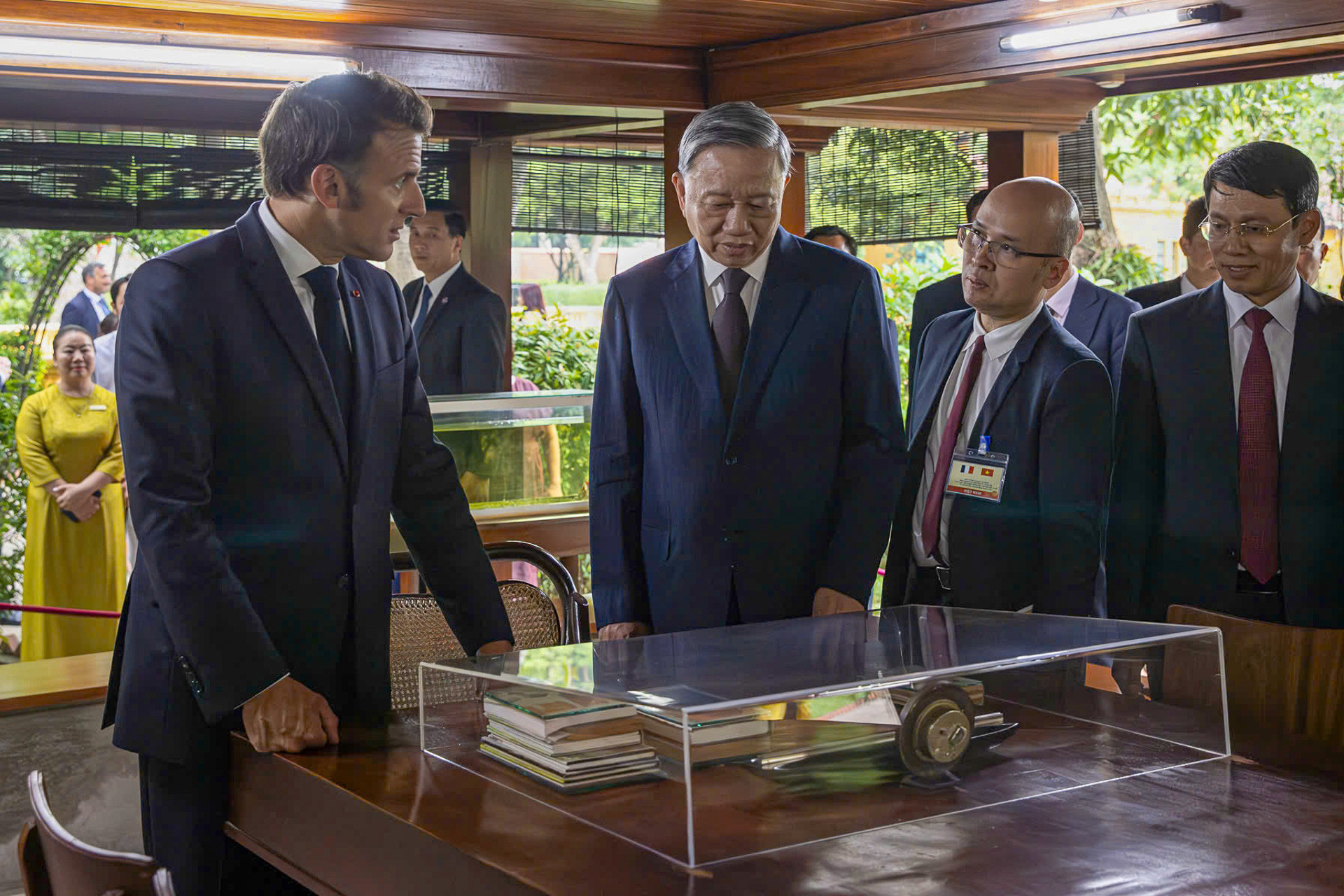
Recognizing the strength of this friendship and the countries' shared potential, General Secretary and State President To Lam and French President Emmanuel Macron agreed during Mr. To Lam's visit to France in October 2024 to elevate bilateral relations to a Comprehensive Strategic Partnership.
Since then, both sides have worked closely to develop an action plan for the upgraded framework. Last week, the secretary-general of France's Ministry for Europe and Foreign Affairs visited Vietnam and met with Deputy Prime Minister and Foreign Minister Le Hoai Trung, where both sides approved a roadmap for implementing the new partnership.
During President Macron's visit to Vietnam in May 2025, he and Mr. To Lam identified priorities for bilateral cooperation in the coming years.
"Our bilateral cooperation not only supports Vietnam's impressive development but also strengthens both countries' standing on the international stage," Brochet said. "We share a strong commitment to multilateralism, respect for international law, and the principles of sovereignty and territorial integrity. At a time of global uncertainty, this shared vision is more important than ever."
New opportunities under the Comprehensive Strategic Partnership
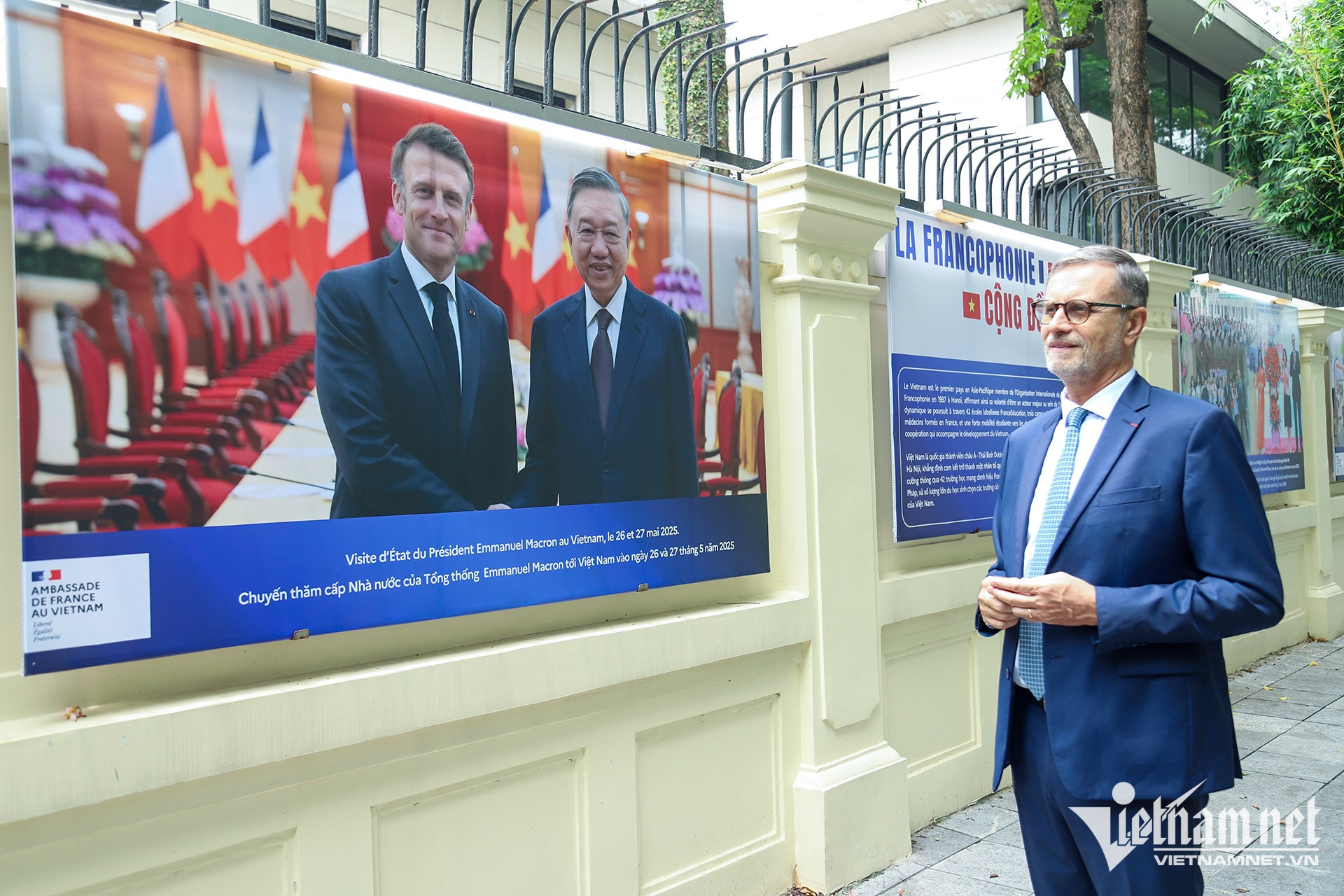
According to Brochet, the upgraded partnership has created significant opportunities for cooperation in several strategic sectors.
In infrastructure, including energy transition and transportation, Vietnam has set ambitious development goals. France, drawing on internationally recognized expertise, has proposed deeper cooperation in low-carbon electricity generation, renewable energy and even civil nuclear energy.
Transportation is another priority. France sees strong potential to cooperate with Vietnam on intercity and urban rail development.
"What matters is that France is not simply offering technical solutions," Brochet said. "We want to help Vietnam strengthen its strategic autonomy so that, through our cooperation, it can master the technologies involved and make decisions that best serve its own interests."
The ambassador also highlighted opportunities in defense and security, aerospace and strategic minerals. An international space summit scheduled for September is expected to provide another platform for expanding bilateral cooperation.
France is also interested in supporting Vietnam with technologies that enable greater self-reliance in mining, mineral processing and value-added production, while helping secure supplies of strategic raw materials for France.
Education and youth development remain another key pillar of the partnership. Brochet noted that this priority was emphasized by President Macron during his speech at the University of Science and Technology of Hanoi in 2025.
"We encourage Vietnamese students to study in France and to deepen joint research in emerging fields such as semiconductors, artificial intelligence, quantum technology, aerospace and other areas that are important for Vietnam's future development," he said.
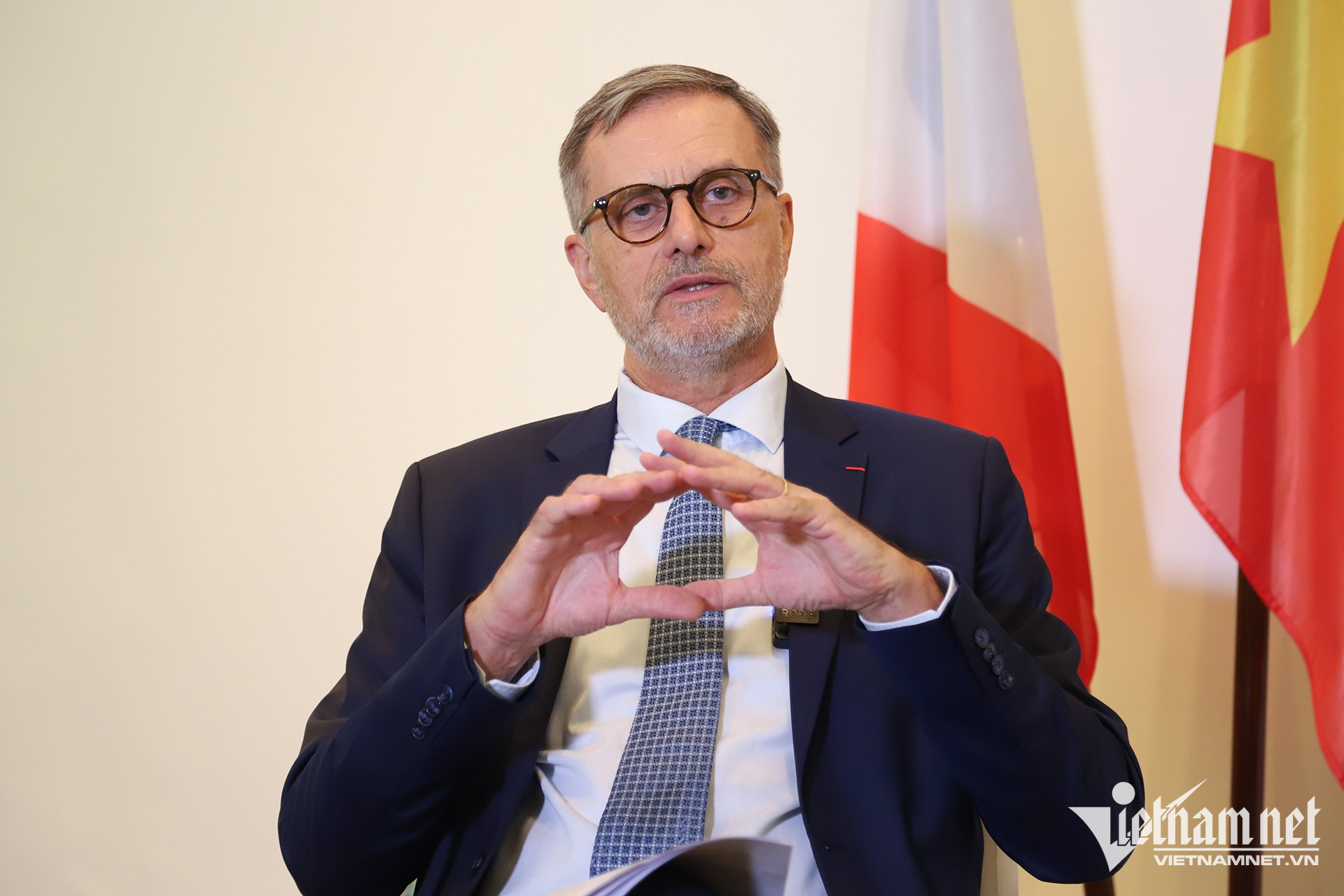
Brochet stressed that people, especially young people, are at the heart of bilateral cooperation.
"Our shared goal of sustainable development is about improving people's lives and helping them adapt to change, particularly climate change, which is affecting both Vietnam and France," he said.
He cited Hanoi's metro system as an example of cooperation that improves mobility, reduces emissions and enhances urban air quality. France has contributed not only technology and equipment but also experience in managing urban transport systems.
Healthcare remains another successful area of cooperation. Over more than three decades, France has helped train more than 3,000 Vietnamese doctors. Each year, dozens more receive training through French medical programs. As Vietnam's economy develops and new healthcare challenges emerge, including population aging and changing disease patterns, the two countries are negotiating a new intergovernmental agreement.
Sports has also emerged as a new area of cooperation following the Paris 2024 Olympic Games. Since then, Vietnamese athletes have trained in France and gone on to win gold medals at recent regional competitions, including the SEA Games.
"Beyond elite sports, we also hope to share our experience in school sports and community sports to improve young people's health," Brochet said. "We can look forward to seeing future champions emerge from this cooperation."
As his diplomatic posting draws to a close in September, Brochet said this year's Bastille Day holds special meaning.
"This will be my final Bastille Day in Vietnam as France's ambassador," he said.
"I would like to sincerely thank Vietnam's leaders, its people and all of our partners for their warm welcome. I am also deeply grateful for the excellent cooperation between our two countries. I feel very fortunate to have experienced the generosity and warmth of the Vietnamese people."
Tran Thuong
.svg)
