 Vietnamnet.vn

 Podcast



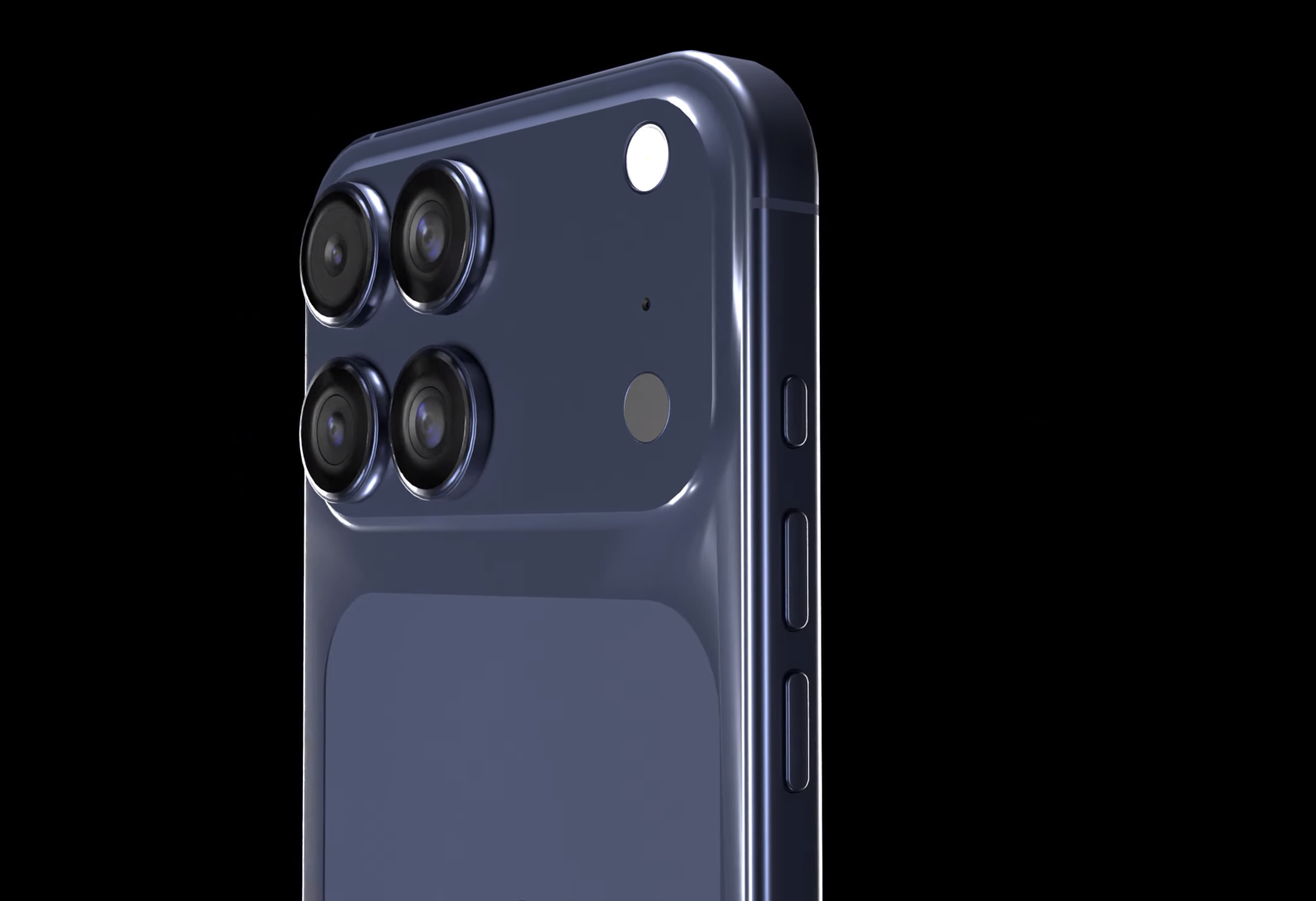
Apple is poised to redefine the iPhone experience in 2026 with its boldest product strategy yet-introducing the first foldable iPhone, advancing its Pro lineup, and reshaping the entry-level segment. After years of modest changes, the iPhone is finally entering a transformative era.
In recent years, iPhone updates have largely focused on incremental improvements in performance and battery life. While valuable, many users have felt that the iPhones released since 2021 were not dramatically different from each other.
This began to shift in 2025, when Apple unveiled the iPhone 16e-replacing the aging SE series-and introduced the entirely new iPhone Air. But 2026 is when things are set to truly explode, with innovations that may permanently reshape the iPhone lineup.
iPhone 17e: Entry-level made smarter
Expected to launch in spring 2026, the iPhone 17e continues the strategy initiated by the 16e: delivering annual updates under the new “e” branding rather than sporadic SE releases.
Maintaining its budget-friendly philosophy, the 17e is rumored to feature a 60Hz display, a single 48MP rear camera, and a notable upgrade to the A19 chip paired with Apple’s C1X modem. Base storage is expected to double to 256GB-a significant leap.
One odd omission from the 16e, MagSafe, is now likely to be reinstated.
Two highly anticipated upgrades include the possible removal of the dated notch in favor of Dynamic Island and a new 18MP front camera with a square sensor, matching the mainline iPhone 17.
Still, with a price point holding at $599, the iPhone 17e will face stiff competition from the standard iPhone 17, which starts at $799 but boasts features like ProMotion and an ultra-wide camera.
iPhone 18 Pro: Pushing performance, photography, and design
Come fall, the spotlight will turn to the iPhone 18 Pro and Pro Max. Externally, they retain the familiar triple-lens “staircase” layout-wide, ultra-wide, and telephoto-but the biggest changes are under the hood.
The telephoto lens is rumored to feature a larger aperture for superior low-light photography. The Pro Max could also debut a mechanically adjustable aperture on the main lens, giving users greater depth-of-field control and better brightness in night shots.
Dynamic Island may be reduced-or even disappear-if Apple manages to embed parts of the Face ID sensor beneath the display. Some reports suggest the front-facing camera might even shift to the left corner, marking the most radical screen layout change in iPhone history.
Connectivity will get a boost with the expected inclusion of Apple’s next-gen C2 modem and an N1 (or successor) network chip, promising faster, more stable performance.
At its core, the iPhone 18 Pro will run the A20 chip, which utilizes WMCM (Wafer-Level Chip-Scale Packaging) technology to integrate RAM directly into the SoC. This leap in chip architecture will significantly enhance both performance and battery efficiency.
iPhone Fold: The foldable dream since 2018 finally arrives
Despite the buzz around the 18 Pro, the iPhone Fold is undoubtedly the star of 2026. Long rumored since 2018, industry insiders believe this is the year Apple finally enters the foldable phone arena.
A foldable iPhone is all but confirmed for 2026.
The device will reportedly follow a book-style design, with an external display measuring 5.3 to 5.5 inches and an inner foldable screen ranging from 7.7 to 8 inches. When folded, the device is said to be under 10mm thick-and even slimmer than the iPhone Air when open.
Unlike most foldables today, which use square inner screens, Apple is said to favor a more rectangular ratio for practicality. The company is also believed to have solved one of foldables’ biggest issues: the crease. Sources say Apple has developed an extremely durable hinge to ensure smooth folding.
The iPhone Fold will likely run on the A20 or A20 Pro chip, feature a dual rear camera system (wide + ultra-wide), and include two front cameras-one for use when folded, the other when open. Face ID may be omitted due to space constraints, with Touch ID on the power button returning, similar to the iPad Air.
The biggest pain point? Price. Most rumors suggest a retail price exceeding $2,000, possibly even hitting $2,400. Yet, Apple sees this not just as a consumer product, but as a declaration of its technological leadership after years of behind-the-scenes development.
What about the iPhone Air 2?
The future of the iPhone Air remains unclear. Some sources claim production for the current generation is being scaled back, and the sequel may be delayed. While certain reports hint at a 2026 release, others-such as The Information-say it won’t arrive until spring 2027.
The uncertainty likely stems from strategic ambiguity. The current Air lacks a yearly naming convention, suggesting it may still be in a trial phase.
If Apple opts for a modest refresh-adding the A20 chip, better battery, and minor tweaks-it could release the Air 2 sooner. However, if the company plans to make it more competitive (such as adding a second camera, a frequent user complaint), a 2027 timeline may be more realistic.
No standard iPhone 18 in 2026?
One of the most surprising changes might be the absence of a standard iPhone 18 model in 2026. Rumors suggest Apple may skip the regular version this year and instead launch only the iPhone 18 Pro, iPhone Fold, and possibly a new iPhone Air.
The standard iPhone 18-typically the bestselling model-may be delayed until 2027, debuting alongside the iPhone 18e in March. This shift would signal Apple’s intent to further separate premium and mainstream tiers while extending upgrade cycles to emphasize technological gaps between models.
If all the leaks come true, 2026 could become the most pivotal iPhone year in over a decade. A revolutionary foldable device, Pro models with major performance and camera leaps, a clearer entry-level strategy, and a revamped release timeline all point to a bold new era for Apple.
Hai Phong
.svg)
