 Vietnamnet.vn

 Podcast



On the occasion of the 80th anniversary of the traditional day of the state management system for ethnic affairs (May 3, 1946 - May 3, 2026), VietNamNet hosted an online discussion titled “80 years of ethnic affairs - A journey of great unity and aspiration for progress.”
Participants included Hoang Xuan Luong, former Deputy Minister and Vice Chairman of the Committee for Ethnic Minority Affairs; Be Trung Anh, a full-time National Assembly deputy at the Committee for Deputy Affairs of the 16th National Assembly and a standing member of the Ethnic Council of the 15th National Assembly; and Ha Van Sang, Deputy Director of the Department of Ethnic and Religious Affairs under the Central Commission for Communication and Mass Mobilization.
Maintaining the principles of equality, unity, respect, and mutual development
Mr. Hoang Xuan Luong, looking back on 80 years of ethnic affairs, in your view, what is the greatest achievement? Is it the transformation of ethnic minority regions, the strengthening of national unity, or the trust of ethnic communities in the Party and the State?
Hoang Xuan Luong: Reflecting on the 80-year journey of ethnic affairs, I believe the greatest source of pride is that Vietnam has consistently upheld a clear and accurate guiding orientation. That is: equality, unity, respect, and mutual support for development.
By maintaining this consistent direction, over the past 80 years we have prioritized resources for ethnic minority and mountainous regions. As a result, these areas have seen significant positive changes; poverty reduction has progressed faster than the national average; infrastructure has improved. Notably, socio-economic models in ethnic minority areas have developed quite rapidly.
This has led to a very important outcome: we have effectively managed relationships among ethnic groups, especially the relationship between ethnic communities and the nation, the Fatherland. Over the past 80 years, by handling these relationships well, we have preserved the great unity of Vietnam’s ethnic groups.
Mr. Be Trung Anh, over these 80 years, what milestones or policy decisions would you consider turning points that changed the approach to ethnic affairs?
Be Trung Anh: I agree with Mr. Hoang Xuan Luong. To achieve the results he mentioned, a crucial factor has been the trust of ethnic communities in the Party and the State.
However, behind those impressive development figures are significant shifts, marked not merely by perception but by key Party and State documents.
For example, Resolution 24 of the Central Committee in 2003 marked a foundational decision, signaling a distinct approach in ethnic affairs. Under this resolution, the State assumed a central role in supporting and investing in the development of ethnic minority regions.
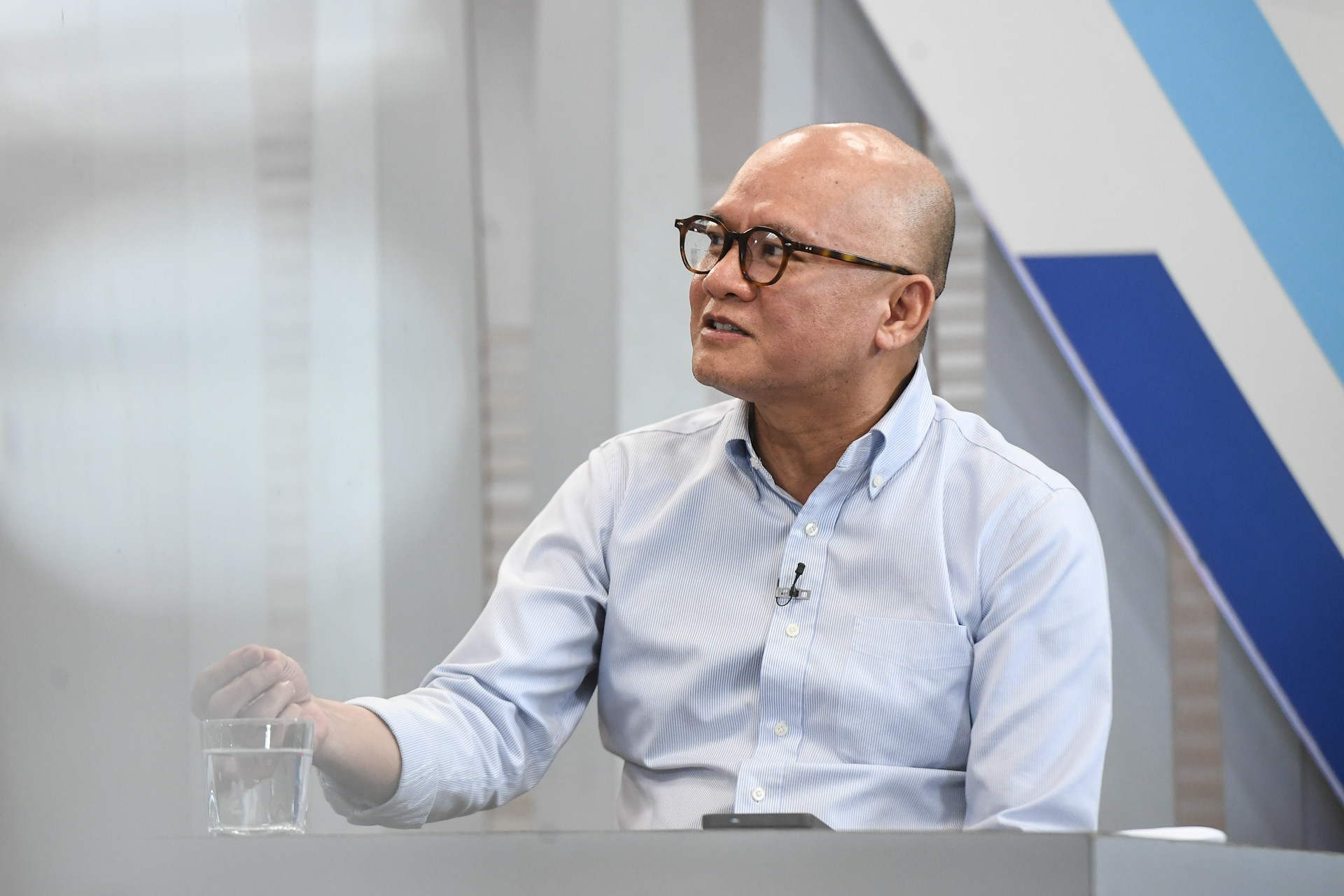
After a long period of implementation, we reviewed and assessed the program’s progress. The second milestone came with Conclusion 65 of the Party Central Committee on ethnic affairs. This document covers many aspects, but in my view, the key point is the growing emphasis on internal strength. It reflects a recognition that beyond State investment and support, the intrinsic resources of ethnic communities are critically important.
A further step up in the Party and State’s thinking is Program 1719. This program clearly articulates a new approach: shifting from support to empowerment, enabling communities to develop on their own terms. Empowerment is essential, as it allows people to recognize their right to take charge of their own lives and decisions.
These three milestones mark a well-paced evolution in ethnic affairs policy, representing the culmination of a long and thoughtful process.
Mr. Ha Van Sang, some argue that the greatest success of ethnic affairs in Vietnam lies not only in addressing welfare issues, but also in maintaining cohesion, consensus, and stability at the grassroots level. How do you view this?
Ha Van Sang: Building on the perspectives shared by the two previous speakers, from my personal viewpoint, I would not use the term “greatest success,” but rather “most notable success.”
Welfare policies address only the surface. The real foundation lies in the trust of ethnic minority communities, their unity, and the maintenance of political and social stability at the grassroots level. When this foundation is solid, with strong consensus and high trust, policies can be implemented effectively and take root in real life.
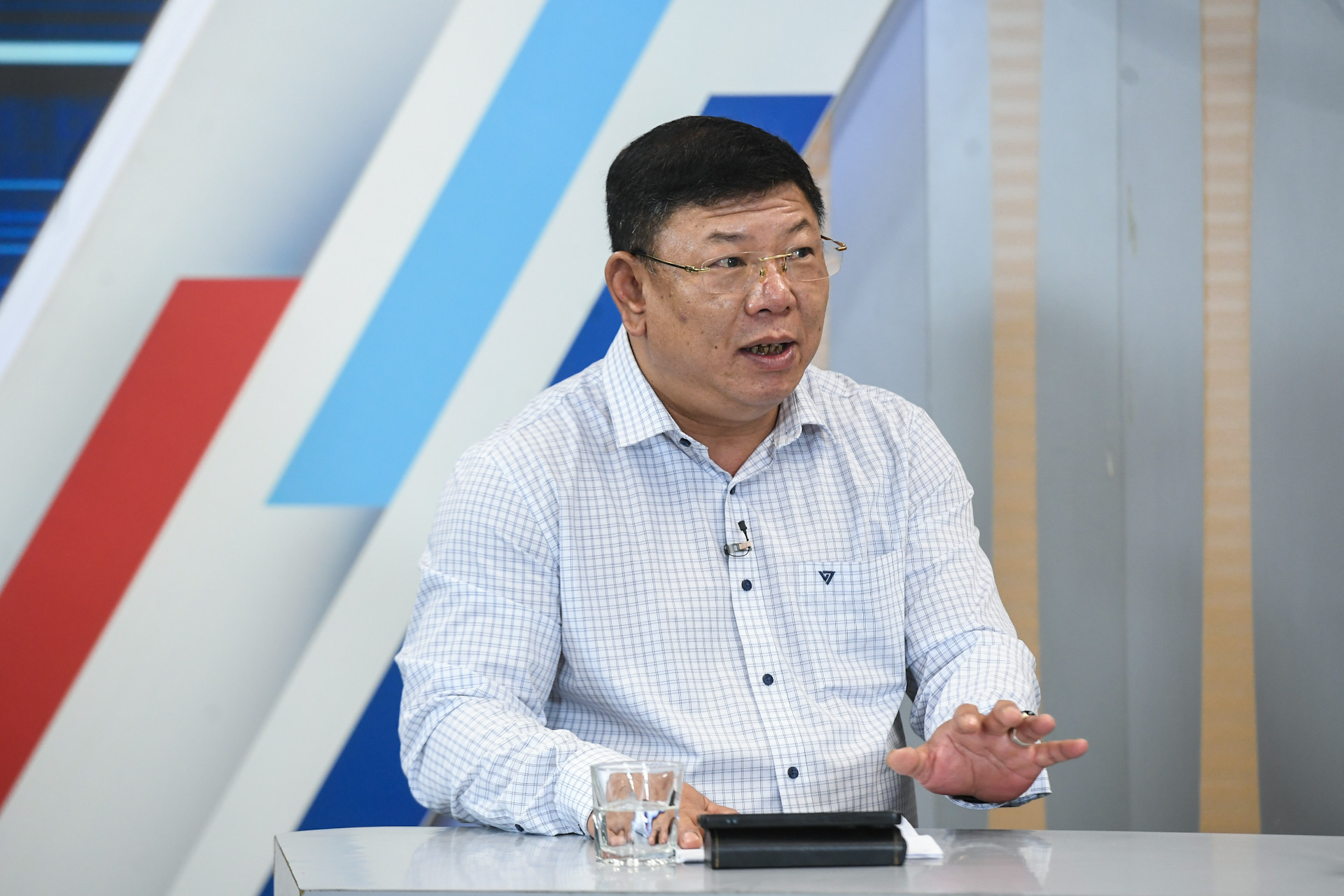
Therefore, in this regard, I would affirm that the most notable success of Vietnam’s ethnic affairs in recent years lies in harmoniously combining social welfare efforts, improving both the material and spiritual lives of ethnic communities, while at the same time strengthening the great national unity, fostering social consensus, and maintaining political stability at the grassroots level.
We are not limited to welfare alone. There are also numerous investment programs, including major national target programs - from improving living conditions to creating opportunities for economic development, generating jobs, and building sustainable livelihoods. These efforts help people escape poverty, rise toward prosperity, and build a new life compared to the past. Thus, it is not only about welfare, but also about building consensus. And consensus must be the foundation.
The most important lesson: harmonizing interests and strengthening trust
Looking back over 80 years of ethnic affairs, Mr. Hoang Xuan Luong, what do you see as the most important lesson to carry into the current phase?
Hoang Xuan Luong: If we were to summarize, there would be many lessons. But the most profound one, from the perspective of someone who has worked in ethnic affairs from the grassroots level upward, is the need to harmonize interests among ethnic groups; between ethnic minorities and the nation, the Fatherland, the State, and the majority population.
This is the deepest lesson. If we do this well, it becomes the root of all issues. I believe this is a truly fundamental lesson.
Mr. Be Trung Anh, how do you view this perspective?
Be Trung Anh: Over the past 80 years, not only in ethnic affairs but in any field, trust has remained the central issue.
We must trust the people, and the people must trust the Party and the State. More importantly, we must help people gain confidence in themselves. This is what enables the strongest development of internal capacity within ethnic communities.
For ethnic minorities, cultural space and social capital are extremely important. At the core of that social capital is trust: trust within the community, between communities, between the Party, the State, and the people, and between ethnic communities and the State.
It is this trust that forms the essence of ethnic affairs over the past 80 years, helping resolve numerous challenges, including inter-ethnic relationships as mentioned by Mr. Hoang Xuan Luong. From my perspective, trust is the most important factor, and this lesson must continue to be upheld in the coming period.
Mr. Ha Van Sang, how do you view this?
Ha Van Sang: I agree with Mr. Trung Anh. To build trust, the first step is to establish a clear and consistent viewpoint. We now have 80 years of experience in ethnic affairs, including 40 years of reform practice. From that, I draw a key lesson: we must steadfastly and persistently define ethnic affairs as a fundamental, long-term, and urgent strategy.
First, ethnic minority regions still face numerous challenges, from awareness to the conditions needed for development.
Second, communities must be placed at the center. Only when people solve their own difficulties can sustainable momentum be created. We cannot continue to help and act on their behalf indefinitely. They must rise on their own, take control of their lives, their work, and their future.
Third, unity, equality, respect, and mutual development must remain the guiding principles throughout.
Finally, the material and spiritual well-being of ethnic communities must be the benchmark for evaluating policies, guidelines, and investment efforts.
I believe this lesson reflects the alignment between the Party, the government, and the people. In all public service activities, every cadre, Party member, and civil servant working with ethnic communities must act with dedication, vision, and strategic thinking.
From support to empowerment
Many opinions suggest that while the past emphasized support and investment, the current period requires a strong shift toward empowerment. How can communities move from being beneficiaries to becoming true drivers of development? Mr. Hoang Xuan Luong, how do you view this transition?
Hoang Xuan Luong: In this period of reform, a major shift in the Party and State’s guiding thinking is the move from support to empowerment. This is a very important transformation.
Previously, we focused on supporting ethnic communities. Now, the approach is to empower them. This means ensuring that ethnic minorities have equal rights to development, just like the majority population.
To guarantee equal development rights, it is necessary to fully analyze the challenges in ethnic and mountainous regions - from starting conditions, infrastructure, and public services to the level of investment required.
Another crucial aspect of this new approach is unlocking internal strength. Once empowerment is in place, development must be driven by the communities’ own resources. We have affirmed that there is no path to sustainable development other than for ethnic minorities to stand firmly on their own feet.
Therefore, implementing an empowerment strategy means building all the necessary conditions for communities to stand independently and develop. That is the essence of promoting internal strength. I consider this a major shift in the Party and State’s ethnic policy direction.
In your view, how can policies both create livelihoods and enhance self-reliance, while also respecting the legitimate cultural, religious, and spiritual life of ethnic communities?
Hoang Xuan Luong: Recently, following the implementation of the national target program for socio-economic development in ethnic minority and mountainous areas, along with new policies, I have been particularly impressed by the Party and State’s decision to build integrated school systems in these regions.
These integrated schools directly contribute to raising educational levels. More than 200 schools currently under construction will become major cultural and educational centers, serving as a vital driving force for improving education in ethnic minority areas.
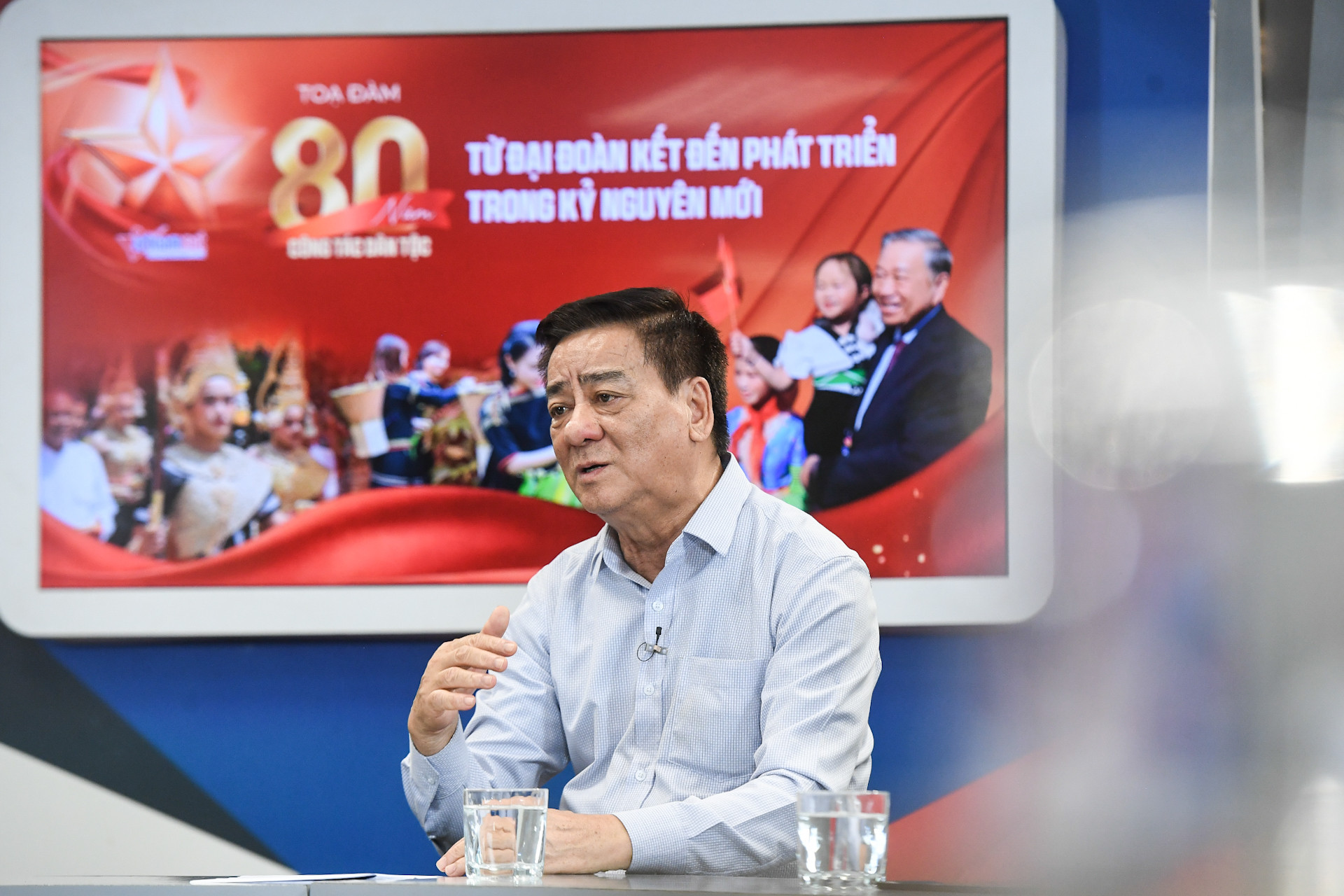
Alongside the national target program, there are also initiatives to promote the distinctive cultural values of ethnic groups. These programs tap into internal strength, nurturing pride and dignity in each community’s cultural identity. From that sense of pride, people gain the motivation to overcome difficulties, foster innovation, and develop household economic models. That, in essence, is internal strength.
This demonstrates the soundness of integrating economic, social, environmental, and capacity-building policies to achieve sustainable development.
Thai An - Sy Hao
(To be continued)
.svg)
