 Vietnamnet.vn

 Podcast



Resolution 80-NQ/TW, issued on January 7, 2026 by the Politburo on the development of Vietnamese culture, sets out a strategic direction: culture must lead, illuminate, and permeate every development decision. No longer a supporting sector, culture is defined as the foundation, the driving force, and the regulating system of development - especially in ethnic minority and mountainous regions, where cultural resources are abundant but economic conditions remain among the most challenging in the country.
A competitive advantage rooted in identity
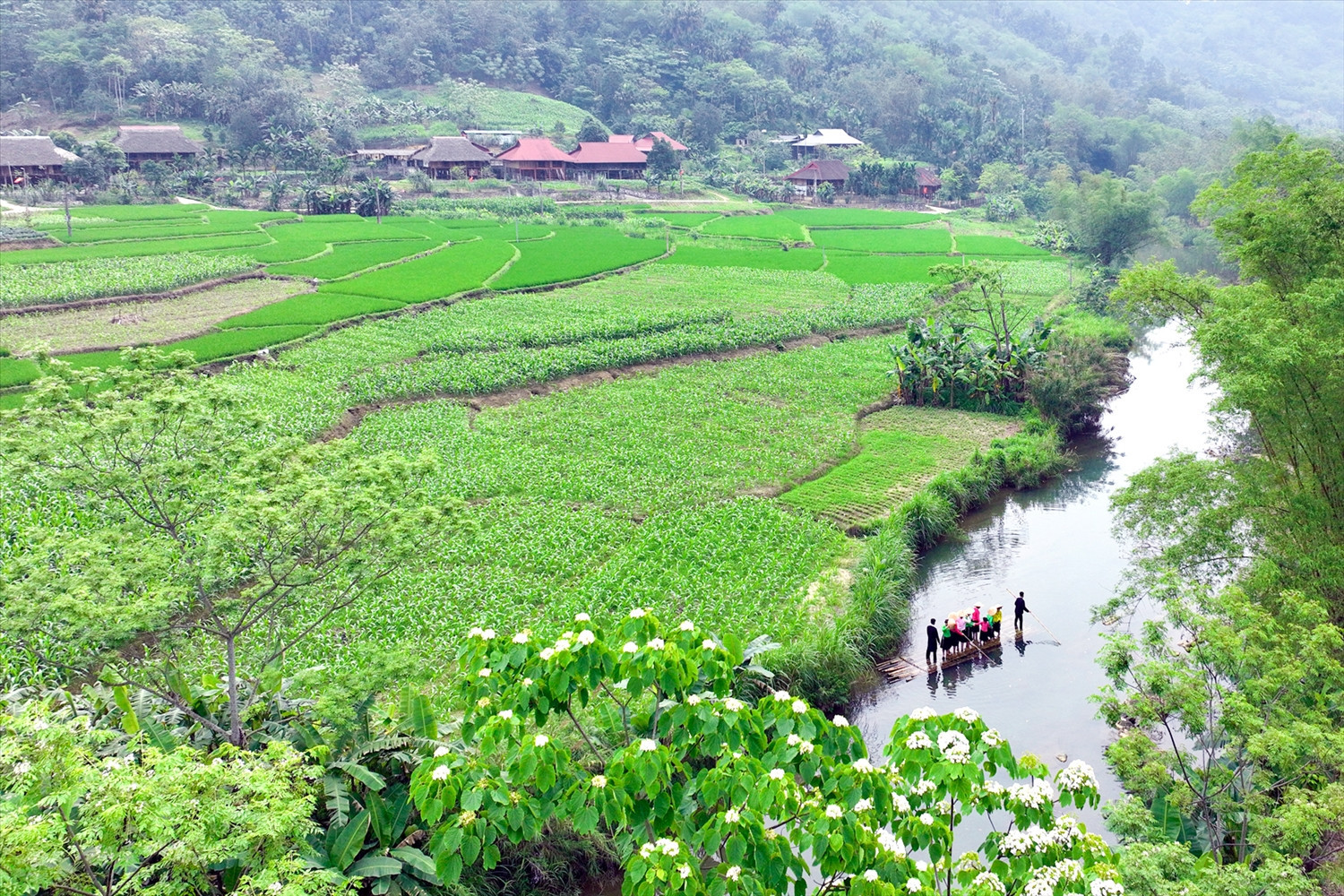
From terraced fields and mountain streams to village life, indigenous cultural resources are becoming new drivers of tourism development in mountainous regions. Photo: Tuan Ninh
Ethnic minority and mountainous regions include 30,591 village-level administrative units, of which 12,368 are classified as particularly disadvantaged across 32 of the country’s 34 provinces and cities. The region still has around 1,866 villages without paved road access to their centers and approximately 34,000 households without access to the national power grid or other suitable electricity sources, according to Report No. 3286/BC-BDTTG dated December 31, 2025 by the Ministry of Ethnic and Religious Affairs.
In the 2021-2025 period, the National Target Program for socio-economic development in ethnic minority and mountainous areas has supported the construction of 69 traditional tourism sites, invested in 3,220 cultural houses and sports areas, preserved 124 traditional festivals, and supported 695 folk culture clubs and 5,760 traditional art teams. It has also implemented 33 programs to restore, preserve, and develop the cultural identity of very small ethnic groups, while providing training and transmission of intangible cultural heritage to more than 16,350 individuals, according to Report No. 812/BC-BDTTG dated March 31, 2026.
At the same time, there are currently 331,002 poor households among ethnic minorities, accounting for over 69.9% of the country’s total poor households. These figures highlight deep-rooted challenges in livelihoods, infrastructure, and access to social services.
Yet from another perspective, these same regions hold a vast “goldmine” of cultural heritage - from architectural sites, traditional costumes, musical instruments, and indigenous knowledge to customs, festivals, crafts, and folk arts preserved over generations.
Not only large ethnic groups such as Thai, Tay, Hmong, Muong, and Khmer, but also very small communities like Brau, O Du, Ro Mam, Si La, and Pu Peo possess distinctive identities. The Ro Mam, for instance, with a population of fewer than 700 people living in Le village, Mo Rai Commune (Quang Ngai), maintain unique ceremonies such as weddings, grave-leaving rituals, new communal house celebrations, and granary-opening rites.
Meanwhile, in the upstream areas of the Da River, in Seo Hai and Xi Thau Chai villages of Bum To Commune (Lai Chau), the Si La people continue to pass down traditional dances such as seed-sowing, rice-pounding, and basket dances, along with rituals tied to nature and agricultural cycles.
These cultural “gems” enrich the diverse tapestry of Vietnam’s heritage and form a distinct competitive advantage for ethnic minority regions. Where infrastructure and resources remain limited, culture - accumulated over generations - becomes a unique form of capital, opening promising pathways toward narrowing the gap between mountainous and lowland areas.
From preservation to development resources
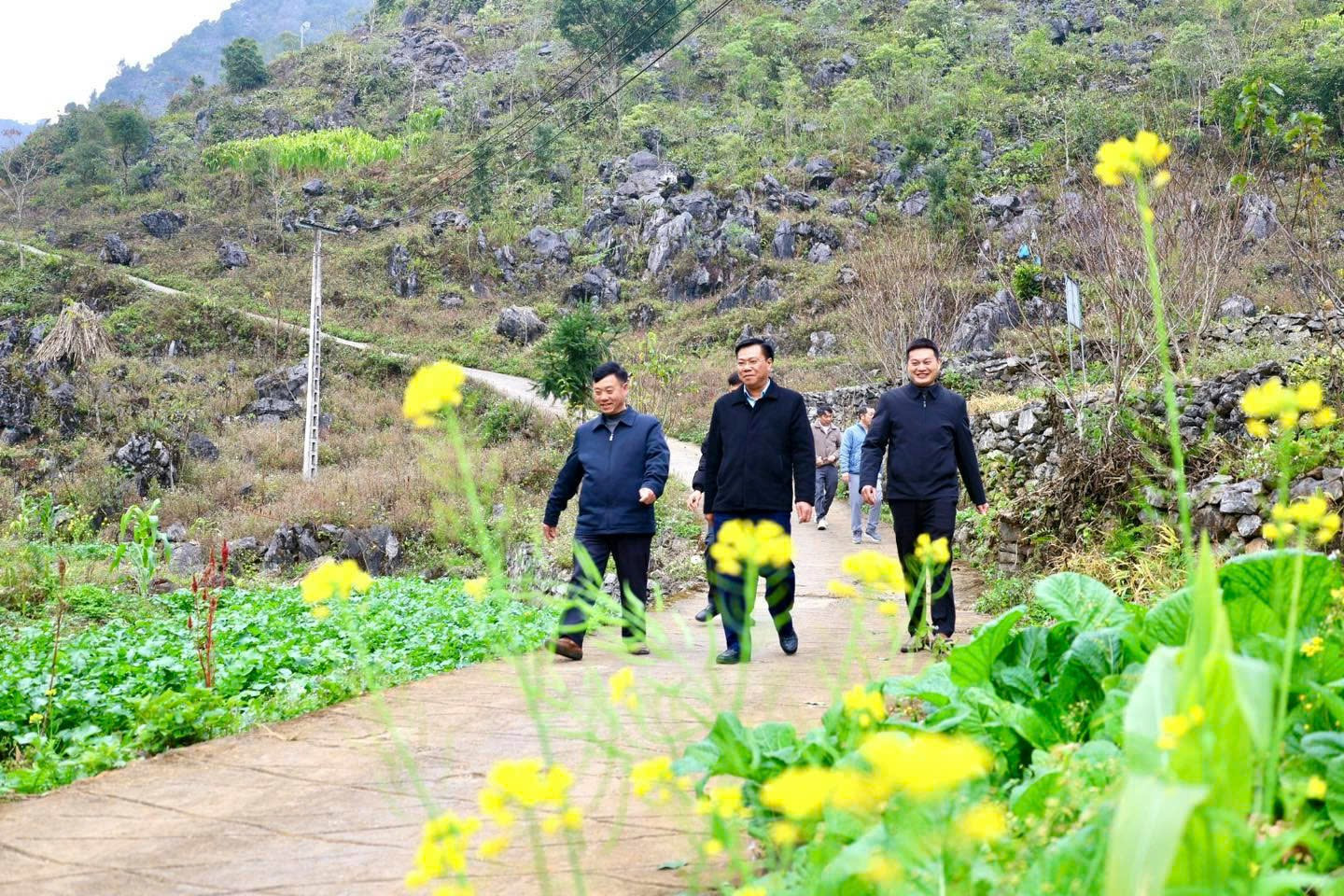
New roads through rocky mountains are gradually unlocking tourism potential in Dong Van Commune, creating sustainable livelihoods for local residents. Photo: Nguyen Quan
This distinctive “capital” is increasingly being preserved and thoughtfully utilized by many localities to create livelihoods. Remote villages once isolated are now emerging as notable destinations on both domestic and international tourism maps.
Lo Lo Chai village in Lung Cu Commune, located 154km from Ha Giang ward (Tuyen Quang), is home to 120 households, mainly from the Lo Lo ethnic group. Of these, 56 households are engaged in community-based tourism, earning an average monthly income of VND16-20 million (approximately US$650-820) - a level that many families in lowland areas have yet to achieve.
Once a remote border village with a poverty rate of over 51% in 2018, by the end of 2025 Lo Lo Chai had reduced this to just four poor households and four near-poor households. The village has become a source of national pride after being recognized by the United Nations Tourism Organization as one of the “Best Tourism Villages in the World 2025,” alongside Quynh Son community tourism village in Bac Son Commune (Lang Son).
According to Ma Doan Khanh, Vice Chairman of the People’s Committee of Lung Cu Commune, the village’s unique cultural identity serves as a form of “collateral” for successful local entrepreneurship. Traditional earthen houses, local cuisine, handicrafts, and agricultural practices have been integrated into homestay models, creating sustainable livelihoods.
However, unlocking cultural resources requires not only local effort but also policy-driven investment. Beyond infrastructure such as roads, electricity, and clean water, authorities have actively supported residents through practical measures.
Working alongside the community, the commune has planned landscape development, organized training in tourism skills, English communication, and environmental protection, enabling residents to professionalize their services while preserving their cultural identity.
To ensure sustainable tourism development, Lung Cu Commune is preparing to invest in wastewater systems and pave village roads with stone patterns inspired by Lo Lo traditional costumes, creating a distinctive cultural landscape. The project is expected to be completed before the winter tourism peak in 2026.
Ensuring culture permeates every development decision
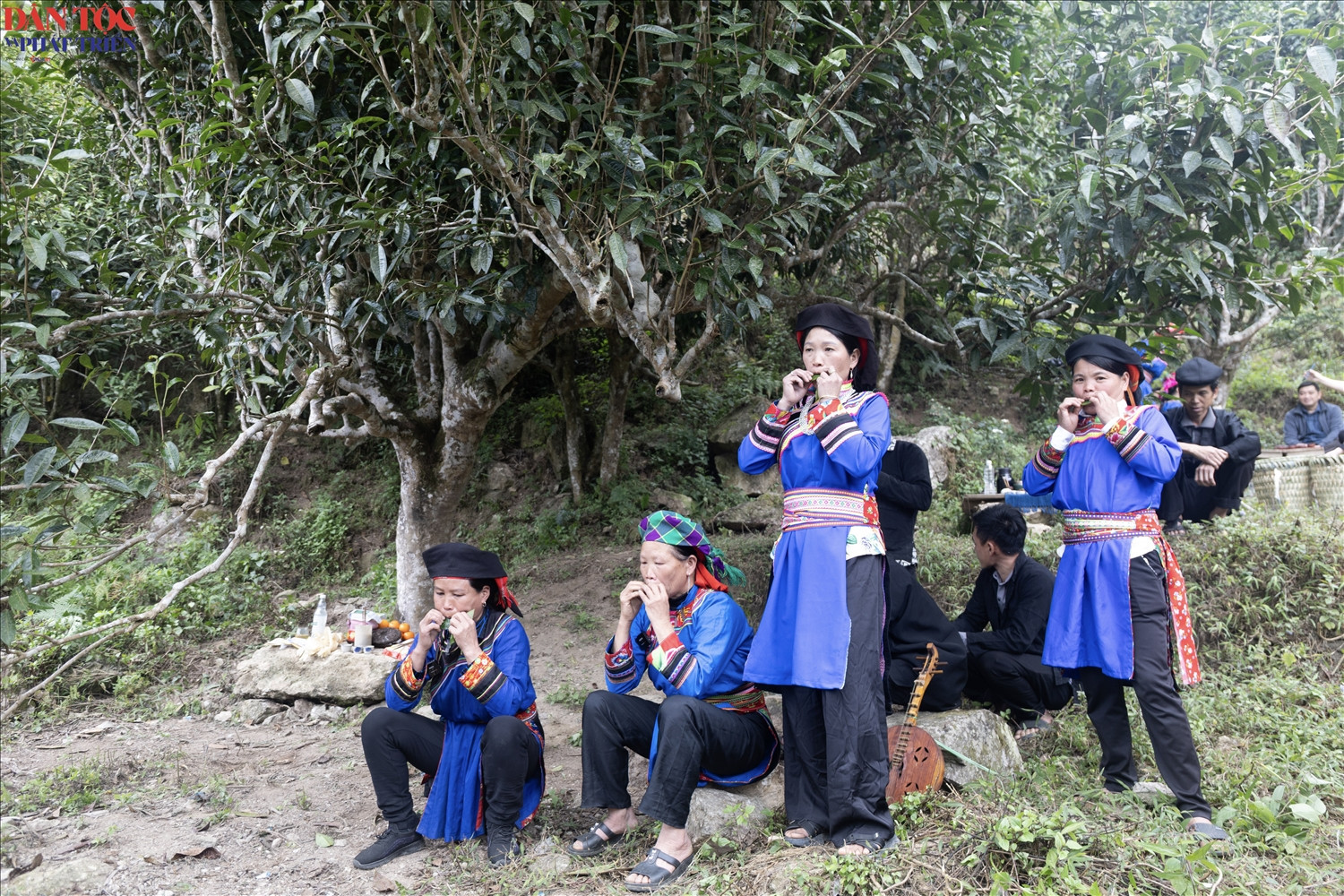
Nationwide, there are currently around 300 community tourism villages and about 5,000 homestays. Like Lo Lo Chai, many models aim to achieve a dual goal: preserving authentic cultural identity while generating livelihoods.
In recent years, numerous policies have been implemented, from investing in cultural infrastructure and preserving heritage to restoring traditional festivals and promoting community-based tourism linked to sustainable livelihoods. However, challenges remain in policy execution.
Resolution 80-NQ/TW acknowledges that although investment in culture has increased, it remains insufficient and dispersed, with resources still largely dependent on the state budget. Some tangible and intangible heritage continues to deteriorate or fade without adequate intervention.
According to Nguyen Chi Ben, former Director of the Vietnam National Institute of Culture and Arts Studies, policies for artisans - especially those safeguarding intangible heritage - remain incomplete, despite their crucial role in preserving and transmitting cultural values.
Between 2021 and 2025, 43 ethnic minority individuals were awarded the title of People’s Artisan and 758 were recognized as Meritorious Artisans. However, policies have largely focused on recognition rather than providing adequate support for sustaining and transmitting heritage.
These bottlenecks are directly addressed in Resolution 80-NQ/TW. By defining investment in culture as investment in sustainable national development, the resolution mandates allocating at least 2% of total annual state budget expenditure to culture, with a roadmap for further increases. It also calls for appropriate support policies for artisans.
At a national conference on February 25, 2026, Trinh Van Quyet, Head of the Central Propaganda and Mass Mobilization Commission, emphasized that previous resolutions did not set specific spending targets, leaving decisions to the state. In practice, cultural spending has rarely reached 1.7% of the budget. The new requirement of a minimum 2%, with potential increases, represents a significant breakthrough.
With this orientation, Resolution 80-NQ/TW opens new development opportunities for ethnic minority regions through cultural resources. Beyond increasing investment and refining policies, it calls for a fundamental shift in thinking: embedding culture into every plan, program, project, and policy decision affecting these regions.
When culture truly leads, becoming both an internal resource and a regulatory force, the goal of narrowing the gap between mountainous and lowland areas - eliminating poverty and disadvantaged villages - will move from aspiration to achievable reality.
Sy Hao
.svg)
