 Vietnamnet.vn

 Podcast



Difficulties pile up
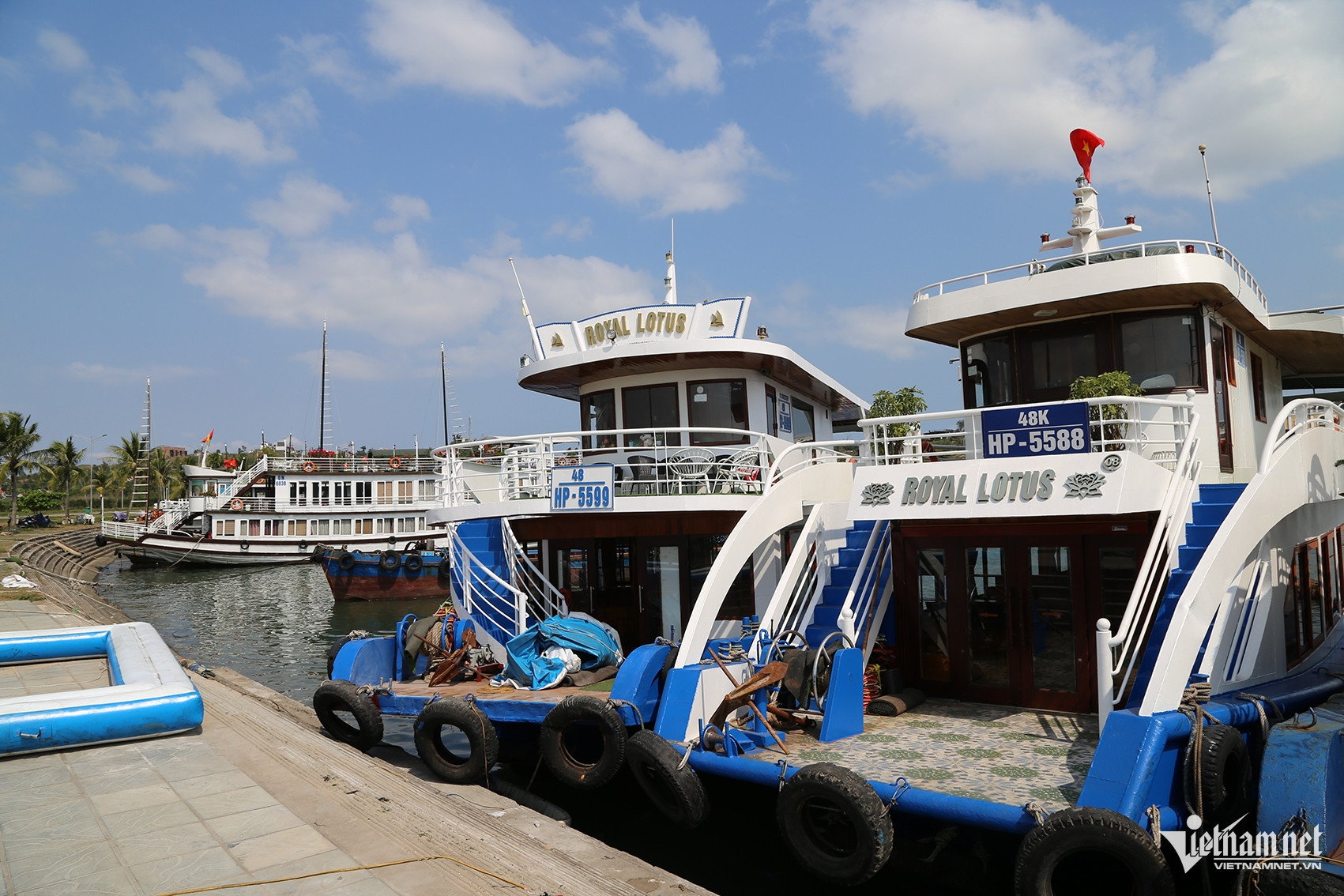
Speaking with VietNamNet, a representative of the R.L fleet operating in Quang Ninh said many cruise boats are currently docked due to low demand. At the same time, soaring fuel costs mean that even operating trips risks financial losses.
The operator noted that the business had already been hit hard by Typhoon Yagi, followed by the fallout from a capsizing incident involving a tourist vessel. Now, rising fuel prices are further tightening margins.
The company operates two boats, each with a capacity of 48 passengers. However, with service prices fixed and fuel costs up by more than 50%, most trips are barely breaking even.
Previously, refueling around 1,000 liters of diesel cost just over VND20 million (US$800). That figure has now exceeded VND30 million (US$1,200).
Meanwhile, larger vessels capable of serving more passengers across a wider range of price segments are increasing competition, making it harder for smaller operators to secure customers.
The company admitted it is “uncertain” about how to proceed if fuel prices remain high into the peak tourist season. Raising service prices is not an option due to existing contracts with travel agencies. For now, operators can only hope fuel prices stabilize.
Unable to raise service prices
Tran Van Hong, head of the Ha Long Tourist Boat Association, said most operators are bound by contracts that lock in prices with travel companies for at least six months.
“Many businesses are accepting reduced profits, even breaking even, just to maintain operations and retain customers. With signed contracts, adjusting prices is not possible at this stage,” he said.
Hong added that when fuel prices first began to rise, operators at Tuan Chau port faced supply constraints. A single fuel station serving more than 200 boats was allocated only about 20 cubic meters per day, sometimes dropping to just 10 cubic meters, leaving some vessels able to purchase only around 300 liters of fuel.
Supply conditions have since improved after distributors adjusted delivery plans. However, cost pressures remain a major challenge.
In the current context, maintaining stable service prices is seen as a responsibility toward tourists and the broader tourism market. Yet this also means many operators must absorb losses to keep their businesses running while waiting for both demand and fuel prices to recover.
According to the provincial Department of Industry and Trade, Quang Ninh has a relatively large fuel infrastructure system, including the B12 petroleum port, five fuel storage facilities with a combined capacity of about 336,950 cubic meters, and 180 fuel retail outlets across the province.
Earlier, when fuel prices surged and tourist demand increased under local stimulus programs, supply disruptions at offshore fuel stations forced many boats to refuel at the Tuan Chau station. Authorities later intervened, directing distributors to stabilize supply and market regulators to monitor fuel distribution.
The situation has since normalized, but for Ha Long’s tourism boat operators, the financial strain is far from over.
Pham Cong
.svg)
