 Vietnamnet.vn

 Podcast



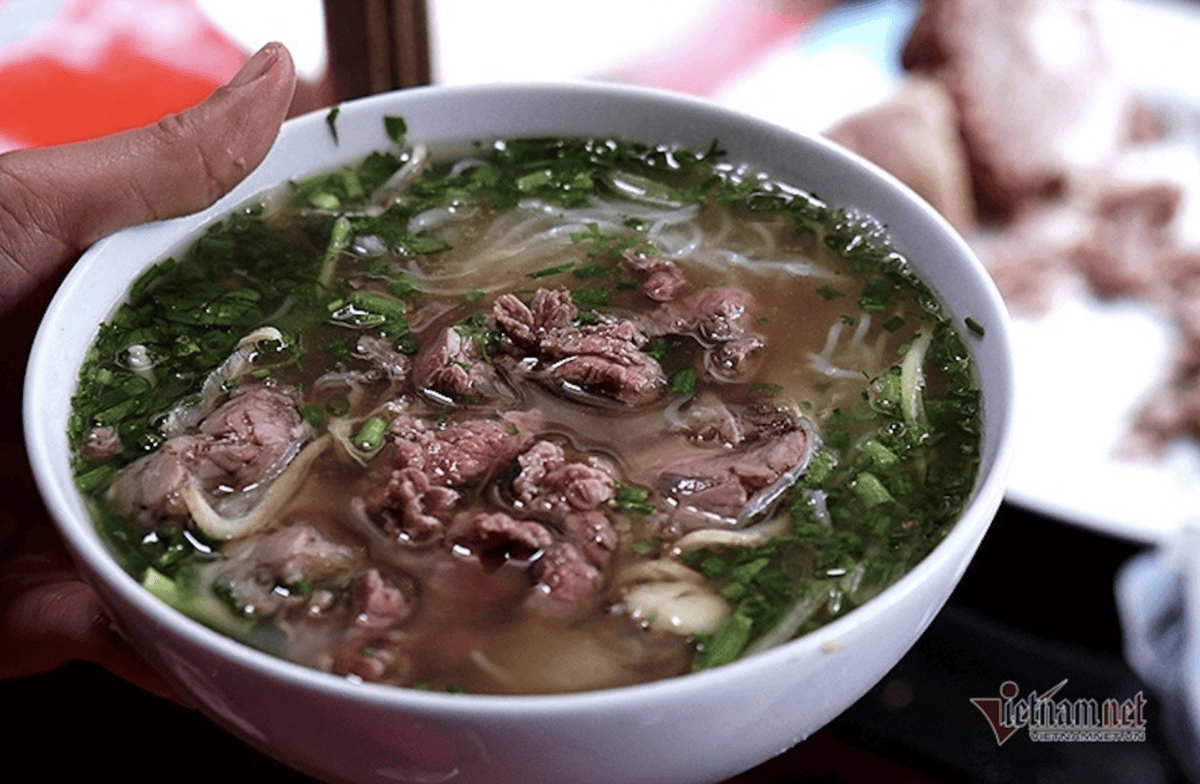
Nguyen Thi Thanh, an office worker in Hai Ba Trung Ward, Hanoi, said her lunch costs increased by about VND5,000 per meal several months ago when fuel prices surged. Although fuel prices have since declined and stabilized, prices at eateries near her workplace still stand firmly high.
"Restaurants raised prices reasoning fuel cost increases. It is unfair that they don’t intend to ease the prices as the input costs have decreased,” she said.
A survey on many streets has found that most eateries, after raising prices, have kept selling prices unchanged. Currently, each bowl of pho, bun, or mien (vermicelli) commonly costs VND40,000–50,000. Dishes with beef or seafood are usually VND45,000–55,000 per bowl.
Meanwhile, each office rice platter ranges from VND50,000–70,000, and portions with more dishes or special menus can reach VND80,000. Compared with before the price adjustment a few months ago, the current price level is still about VND5,000–10,000 per portion higher.
Tam, owner of a bun shop in Cau Giay area, said a few months ago the shop raised the price of beef crab noodle soup from VND30,000 to VND35,000 per bowl. The price of snail noodle soup rose from VND25,000 to VND30,000 per bowl.
According to Tam, gasoline prices have dropped but prices of many food ingredients have not returned to previous levels. Prices of tomatoes, scallions, beef, and many other ingredients remain high after the increase, and some spices have even risen further. If selling prices are cut, it would be very hard to ensure the quality of the noodle bowl for customers.
In addition, the shop can no longer use the outdoor sidewalk space as before. Service area has shrunk significantly so customer volume is also lower. “People now are also tightening spending,” she said.
Nguyen Quang Dieu, owner of an eatery in Ha Dong, cited similar reasons. Input food prices remain almost unchanged, so reducing selling prices is hard to do. Shops also incur more costs such as financial management, electronic invoices, hiring staff, and rent.
Meanwhile, no longer being allowed to operate on sidewalks has narrowed service area and reduced customer numbers. If prices are cut further, it would be very hard to ensure revenue.
Besides serving rice and noodles, the shop must also sell breakfast items and afternoon snacks for students to increase revenue.
Price cuts unlikely
Tran Khanh Minh Son, an F&B expert, said that in food service business, fuel costs are only part of an eatery’s cost structure. When fuel prices fall, household businesses do not necessarily adjust prices immediately but will consider business performance, market purchasing power, and competitive strategy before making decisions.
As customer traffic becomes more fragmented and consumer behavior changes, many restaurants are shifting from competing on price to competing on service quality and customer experience, he said.
Field observations show that instead of lowering prices, many eateries have chosen to increase the value they offer in order to retain customers. This has become an effective competitive strategy at a time when consumers are becoming more cautious with spending while businesses find it difficult to cut prices.
At Bun Ca Linh Dam (vermicelli with fish), a notice displayed at the entrance states that customers can request extra rice crackers free of charge and enjoy complimentary iced tea. The owner said this allows customers to have a more filling meal without paying extra while also differentiating the restaurant from nearby competitors.
Ta Hien Pho in Tay Mo has adopted a similar policy, offering customers complimentary extra pho noodles upon request.
According to many restaurant owners, with input costs still remaining high, providing additional value through better service is a more practical solution than lowering prices, allowing them to retain customers while maintaining business efficiency.
Duy Anh
.svg)
