 Vietnamnet.vn

 Podcast



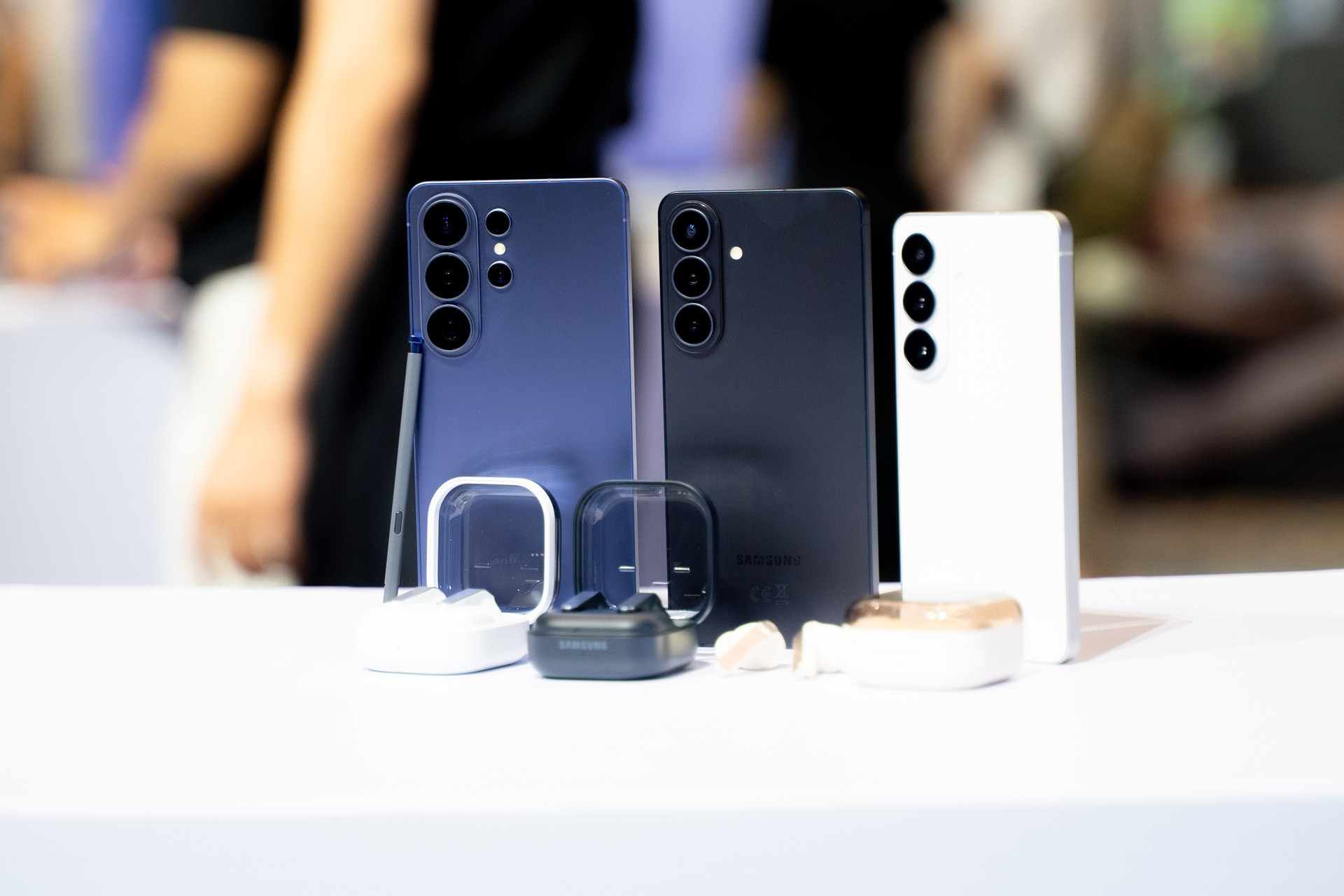
Samsung has officially equipped its Galaxy S26 lineup with a new “superpower” - AI-powered scam detection - as the smartphone giant moves to confront what many consider today’s most pressing digital threat.
As expected, artificial intelligence took center stage throughout the presentation, with a series of upgrades focused on smarter experiences and stronger security.
Among the most notable additions is AI-driven scam detection, a feature once reserved exclusively for Google’s Pixel devices, now making its debut on Samsung’s flagship Galaxy S line.
Block scams before they strike
One of the most appreciated features on Google’s Pixel 10 models has been built-in scam detection.
The technology relies on on-device AI to analyze the content of phone calls and text messages, identifying behavioral patterns commonly associated with fraudulent activity.
Galaxy S26 Ultra vs iPhone 17 Pro Max: The ultimate flagship showdown
If the system detects suspicious signs during a call or message, the phone immediately alerts the user through sound and vibration, helping them recognize potential risks before sharing sensitive information or completing a transaction.
Since its introduction, Google had kept the feature exclusive to Pixel devices. However, at this year’s Galaxy Unpacked event, Samsung confirmed that AI-powered scam detection is now officially available on the Galaxy S26 series.
Notably, Galaxy S26 users do not need to install the Google Phone app to access the feature. Instead, it operates directly within Samsung’s default calling application.
The move is widely seen as a commendable collaboration between two Android giants, combining Google’s AI strengths with Samsung’s native user experience.
In terms of operation, the feature on Galaxy S26 functions similarly to its Pixel counterpart. It is turned off by default, requiring users to manually enable it within the phone app’s settings. The system analyzes only calls and messages from unknown numbers, avoiding interference with familiar contacts.
Google has also emphasized that conversation content is not uploaded to the cloud, ensuring user privacy remains intact while protecting them from online scams.
A necessary weapon in the fight against digital fraud
In recent years, phone and messaging scams have evolved into a global crisis. According to the Global Anti-Scam Alliance, total losses worldwide from scam calls and messages in 2024 surpassed US$1 trillion. The figure underscores the growing scale and sophistication of cybercrime.
Against that backdrop, a proactive AI warning system embedded directly into smartphones is no longer a premium extra - it is increasingly a necessity.
As scam tactics become more elaborate, from impersonating banks and government agencies to posing as family members, having an intelligent layer of protection operating around the clock significantly reduces risk.
Should you leave iPhone for the Galaxy S26?
Samsung’s integration of scam detection into the Galaxy S26 also reflects a broader industry shift. Smartphone makers are no longer competing solely on camera performance or processing power, but on their ability to shield users from digital threats. This emerging battlefield places AI at its core.
In a post on its official blog, Google revealed that scam detection will not remain limited to Pixel and Galaxy S26 devices. The company plans to roll out the feature to more Android devices in the near future.
This opens the door for hundreds of millions of Android users worldwide to gain access to the protective technology.
For now, however, the Galaxy S26 feature supports only English and is available exclusively in the US market.
On Pixel devices, the tool is already active in several other countries, including Australia, India, the United Kingdom and additional markets.
With the rapid expansion of the Galaxy ecosystem, industry observers expect Samsung to extend the feature to more regions soon, particularly in markets with high rates of online fraud.
The arrival of Pixel’s “superpower” on the Galaxy S26 is more than a feature upgrade. It signals a new phase in the smartphone industry, where digital security and personal safety take priority.
In the battle against cybercrime, AI is no longer a supporting tool. It has become the first line of defense for users navigating an increasingly complex connected world.
Hai Phong
.svg)
