 Vietnamnet.vn

 Podcast



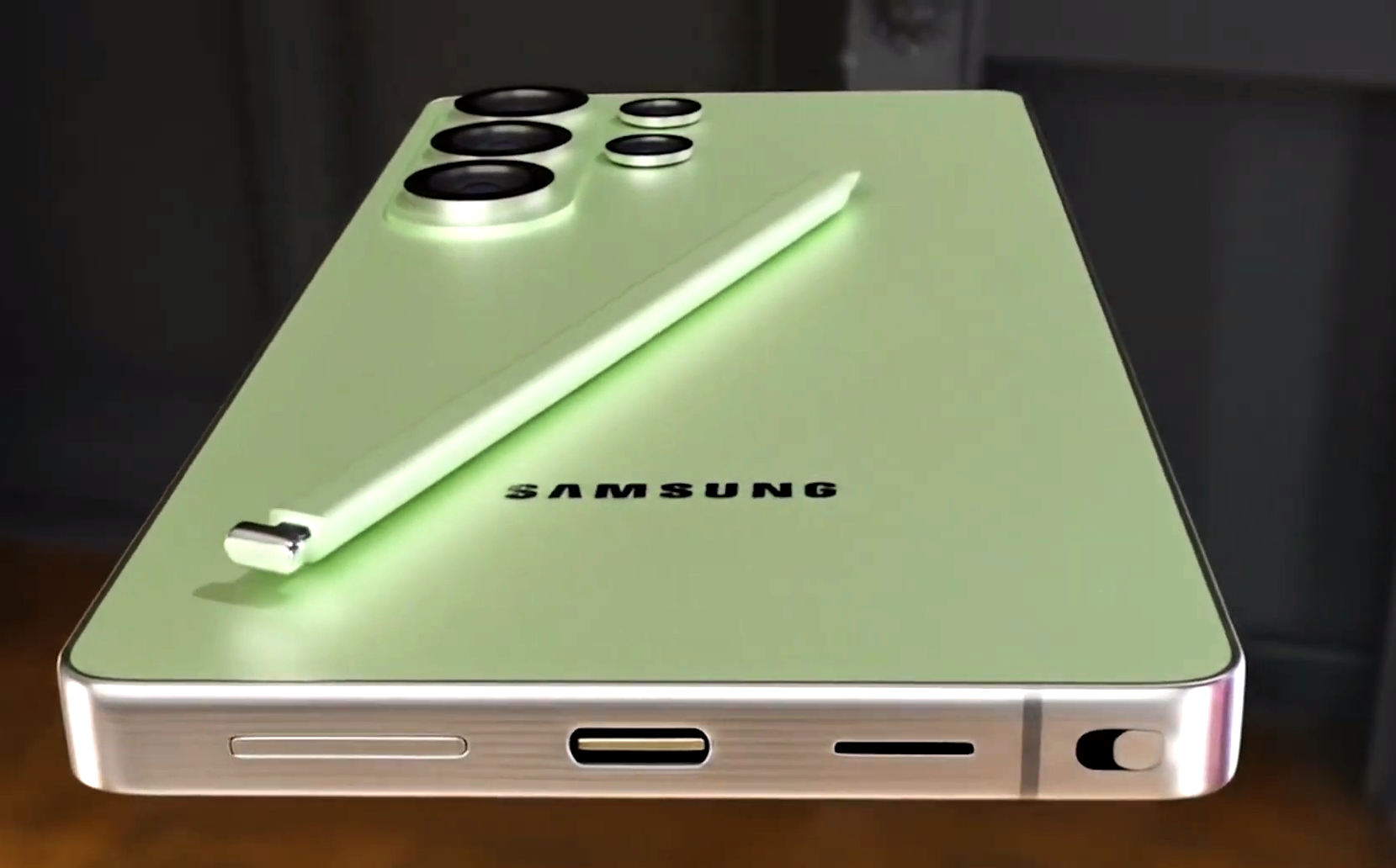
For years, Samsung appeared locked within self-imposed design limits. In the early stages, this restraint was tolerable. But as time passed and flagship models failed to evolve, the company began to lag - especially when it came to battery performance.
Whether the constraint stemmed from technical standards or internal policy, it allowed rivals - particularly Chinese manufacturers - to race ahead. What was once a slight edge has now grown into a significant gap, and battery capacity is where Samsung finds itself falling behind most starkly.
News that the Galaxy S26 Ultra would finally break past the 5,000mAh threshold initially brought hope. But the excitement faded quickly. According to recent leaks, Samsung’s upgrade stops at 5,200mAh - a mere 200mAh increase over previous models.
It’s a move that feels more like a technicality than a breakthrough.
To be fair, the Galaxy S26 Ultra is not entirely without improvements. Alongside the modest battery boost, the device reportedly upgrades its wired fast charging from 45W to 60W, and its wireless charging from 15W to 25W. This means the phone can recharge more quickly, even if it still runs out just as fast.
However, when competitors are rolling out 10,000mAh batteries using next-gen silicon-carbon technology, the jump to 5,200mAh seems almost symbolic.
The move appears less about innovation and more about optics.
In recent years, Apple has caught up with Samsung across nearly every specification - RAM, storage, performance, and even battery life. The iPhone 17 Pro Max marked a milestone where Apple no longer trailed in hardware metrics.
This dynamic has played out repeatedly. iPhone Air reportedly inspired the Galaxy S25 Edge. Rumors of a foldable iPhone helped push Samsung to develop a more refined Z Fold 7. Now, with Apple setting benchmarks, Samsung seems to be making just enough changes to claim superiority on paper.
But fans are starting to notice.
After years of anticipation, many expected the Galaxy series to finally push past its long-standing 5,000mAh cap with a significant leap forward. Instead, they’ve been met with a cautious step.
Samsung still makes some of the finest Android phones available, but its upgrades are becoming too predictable. Surprises are few and far between.
Looking ahead, there are a few speculative features on the horizon. The Galaxy S27 may adopt a variable aperture camera system - a feature reportedly coming to the iPhone 18. The S26 Ultra, meanwhile, is said to be reverting to an older camera module design, with only minor aperture enhancements.
Samsung might also pursue a seamless display with no cutouts, in response to rumors about Apple’s 20th anniversary iPhone featuring an under-display front camera and Face ID. There’s even talk that Samsung could beat Apple to market with such tech.
Battery-wise, future foldables could see major gains. With rumors of Apple’s foldable iPhone offering a larger battery than the Z Fold 7, Samsung may be compelled to increase capacity in the Z Fold 8 to remain competitive.
This kind of mutual push for innovation benefits users, especially if companies start prioritizing battery life over cameras and ultra-slim designs. Yet a 200mAh jump in the S26 Ultra feels underwhelming in that context.
What frustrates Samsung fans even more is the impression that meaningful changes only happen after Apple leads the way. And not all of Apple’s innovations have been user-friendly.
Many still recall who first removed the headphone jack. Or who stopped including chargers in the box. If Samsung continues to follow Apple’s lead, its loyal users may be the ones paying the price.
Hai Phong
.svg)
