 Vietnamnet.vn

 Podcast



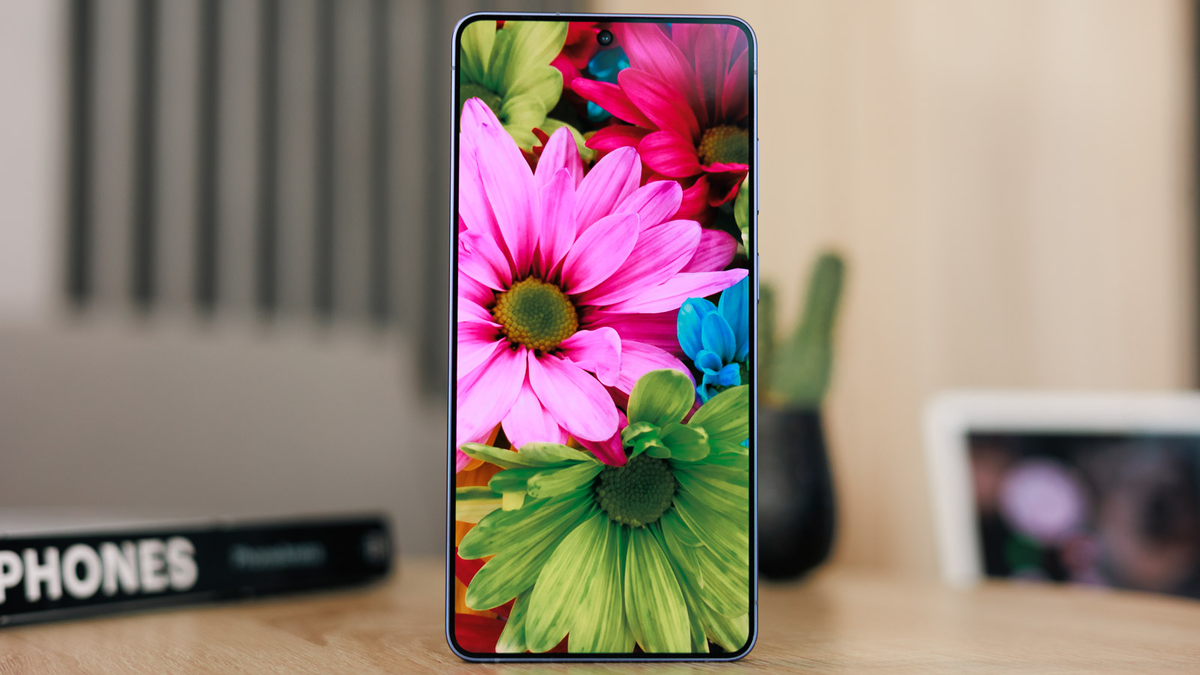
Galaxy S27 could launch as early as January 2027
Consumers may not have to wait too long to see Samsung’s next generation of flagship Android smartphones. According to the latest leaks, the South Korean tech giant could bring the Galaxy S27 series back to its familiar January launch window rather than sticking with the late-February or March timing of the Galaxy S26.
Samsung has traditionally unveiled its Galaxy S lineup early in the year, typically in January. With the Galaxy S26, however, the company held its launch event on February 25, 2026, before the devices officially went on sale on March 11.
More recently, well-known leaker Anvin shared on X a screenshot purportedly taken from China’s 3C certification database. The information is believed to relate to the Galaxy S27 and Galaxy S27+, while also offering a notable clue as to when Samsung could unveil its next flagship generation.
3C certification typically appears several months before a smartphone officially launches. The Galaxy S26 series, for example, received certification in China in January 2026 before Samsung unveiled the devices and put them on sale in March. The Galaxy S25, meanwhile, launched in January 2025 after completing 3C certification in September 2024.
If Samsung follows a similar timeline, a February 2027 unveiling for the Galaxy S27 becomes less likely, while a January 2027 event appears entirely plausible.
Still, the official timing cannot yet be confirmed at this stage, and Samsung’s plans could change as 2027 approaches.
Galaxy S27 could still be limited to 25W charging
Beyond the potential launch timing, the 3C certification data also points to another detail that may disappoint some Galaxy users.
According to the shared listing, the Galaxy S27, carrying model number SM-S9520, and the Galaxy S27+, identified as SM-S9560, appear to offer no upgrade in charging power. The standard Galaxy S27 is reportedly still capped at 25W charging, while the Galaxy S27+ continues to support 45W.
If accurate, Samsung could be keeping 25W charging on the standard Galaxy S model for a seventh consecutive year. That would be particularly noteworthy at a time when many Android rivals have pushed fast-charging speeds to significantly higher levels.
Charging wattage on paper, however, does not always tell the full story about real-world charging speeds. Previous tests have shown that the Galaxy S26 and Galaxy S26+ can charge slightly faster than their predecessors despite retaining the same maximum charging ratings.
Samsung could therefore still improve charging speeds on the Galaxy S27 through software optimization, better thermal management or greater charging efficiency. If those improvements prove effective enough, the Galaxy S27 could reach a full charge faster than Galaxy S26 models even without an increase in its nominal charging wattage.
Hai Phong
.svg)
