 Vietnamnet.vn

 Podcast



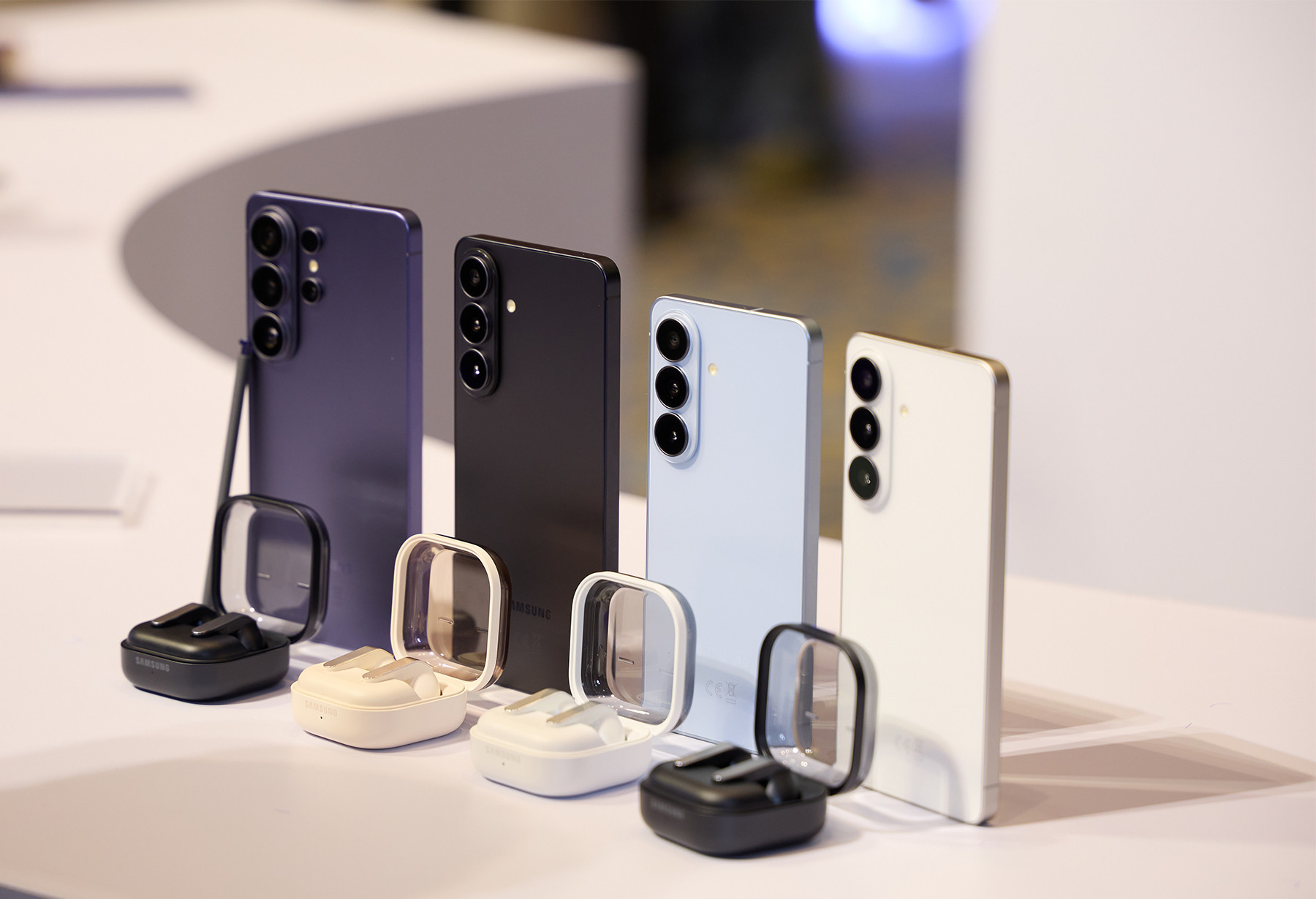
The Galaxy S26 may turn out to be a transitional generation, with Samsung only truly breaking past the 5,000 mAh battery ceiling on next year’s Galaxy S27.
After years of being seen as standing still in battery innovation, Samsung appears to be preparing for a significant shift. A new report suggests the Korean tech giant is ready to equip its Galaxy S flagships with higher-capacity silicon-carbon batteries, possibly starting with the Galaxy S27 series next year - a move long awaited by users.
Notably, the recently launched Galaxy S26 Ultra continues a seven-year tradition of using a 5,000 mAh battery, a capacity first introduced on the Galaxy S20 Ultra in 2020.
Samsung seen as lagging in battery innovation
According to the cited source, Samsung has candidly acknowledged that it has fallen behind in the race to innovate smartphone battery technology.
The report also claims that Samsung has already developed a smartphone prototype powered by a silicon-carbon battery. The company is said to be applying strict control standards to ensure a safe and effective transition to the new technology, avoiding any repeat of past battery-related incidents. The device is expected to launch in the not-too-distant future.
More importantly, all future versions of the Galaxy S lineup - from the standard model and Plus to the Ultra - are predicted to see battery capacities rise by “three digits,” meaning an increase of several hundred mAh compared to current levels. In other words, the 5,000 mAh mark may soon be surpassed.
Why silicon-carbon matters
Silicon-carbon batteries offer higher energy density than traditional lithium-ion cells. This allows them to store more energy within the same physical space - a key advantage that enables manufacturers to increase battery capacity without making devices thicker or heavier.
While Samsung has remained cautious, several Chinese manufacturers have already adopted the technology. The market now includes mid-range smartphones equipped with 8,000 mAh batteries, and some devices even reach 10,000 mAh. Against that backdrop, major players such as Apple and Google have been viewed as slow to adapt.
In reality, Samsung is not entirely constrained by technical limits. Even in the US market, where regulations are relatively strict, the company has managed to equip the Samsung Galaxy Z TriFold with a 5,600 mAh battery. This suggests that the issue extends beyond regulatory barriers and into product strategy.
Some observers believe the Galaxy S26 could serve as a bridge generation, with Samsung only breaking the 5,000 mAh threshold on the Galaxy S27 next year. If that proves true, it would mark an upgrade fans have been anticipating for years.
High expectations, lingering concerns
Samsung’s reported move toward silicon-carbon batteries is undoubtedly positive news. If successful, it could prompt Apple and Google to follow suit, accelerating the industry’s shift toward a new battery standard.
However, certain details warrant caution. The report currently references only the Galaxy S line, raising the possibility that mid-range Galaxy A devices - and even premium foldables - may continue using traditional lithium-ion batteries for some time. If the Galaxy S27 is the first to benefit, then the idea of an imminent change may be somewhat optimistic.
Another concern lies in Samsung’s design philosophy. The company has consistently pursued thinner and lighter smartphones. On the Galaxy S26 Ultra, Samsung even reintroduced a more pronounced camera bump to accommodate a new aperture within a slimmer chassis.
This raises the possibility that Samsung could use silicon-carbon technology not to increase battery capacity, but to further reduce device thickness while maintaining the existing 5,000 mAh level. Current Galaxy models are already approaching the limits of lithium-ion cells, and the new technology could serve as a technical solution to preserve ultra-thin designs.
Finally, the report may inadvertently make the Galaxy S26 feel less compelling to some users. While its new privacy display feature has drawn praise, many Samsung fans openly admit they would trade supplementary upgrades for a larger battery.
Still, if the report proves accurate, Samsung stands at the threshold of redefining battery standards in the premium smartphone segment. After years of holding at 5,000 mAh, the Korean tech giant may soon demonstrate that it can lead not only in displays and cameras, but also in the single most critical factor for users: battery life.
Hai Phong
.svg)
