 Vietnamnet.vn

 Podcast



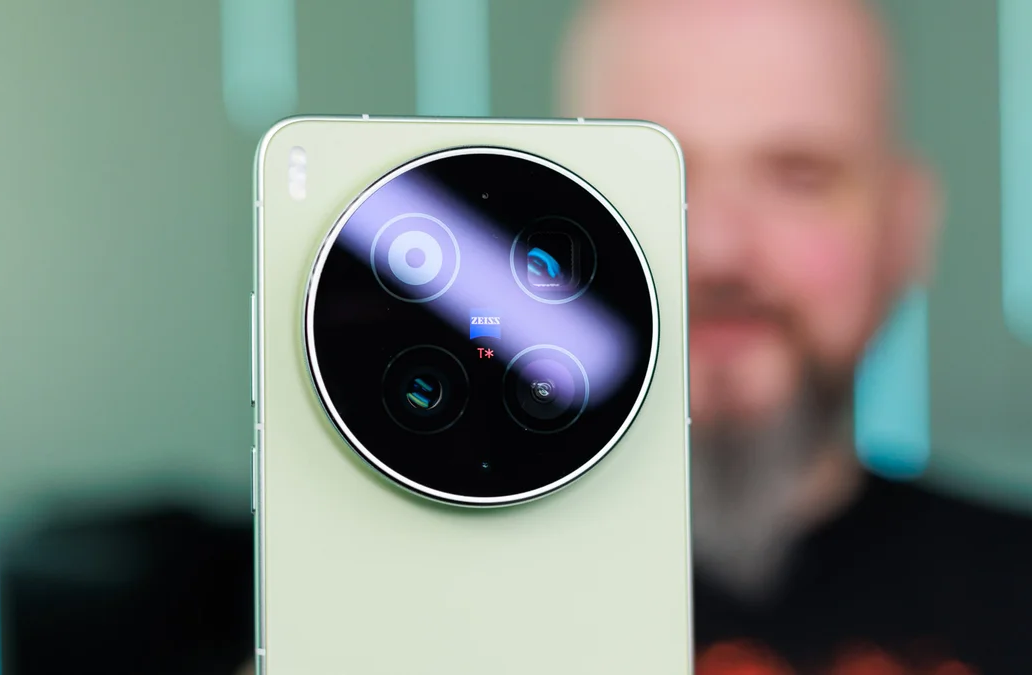
With several rivals potentially disappearing, the Galaxy S27 Ultra could find itself in a golden position as the last major “survivor” of the RAM price storm.
When Samsung launched the Galaxy S26 Ultra, its most premium flagship had to compete not only with the iPhone 17 Pro Max but also with formidable rivals such as the Xiaomi 17 Ultra and Vivo X300 Ultra. That landscape could look dramatically different by the time the Galaxy S27 Ultra arrives, as a new rumor suggests the flagship smartphone market is heading for a major shake-up.
Premium Android Ultra phones could disappear from global markets
The next generation of Ultra-class Android smartphones may not be widely available internationally, while some models could even be canceled altogether. According to a post on X by leaker Kartikey Singh, several Chinese brands are reconsidering their strategies for launching their next-generation flagship devices.
Among them, Xiaomi is said to have taken the most drastic step by completely canceling plans to develop the Xiaomi 18 Ultra. Notably, the company is reportedly not even planning to launch the model in China. If accurate, the claim suggests that the challenges facing premium smartphone makers could be more serious than previously thought.
Meanwhile, Oppo and Vivo are reportedly still planning to develop new Ultra-branded flagships later this year. Unlike their current models, however, the successors to the Oppo Find X9 Ultra and Vivo X300 Ultra are said to be skipping a global launch and remaining exclusive to China.
If these reports prove accurate, Samsung could become the only manufacturer still offering an Ultra smartphone on a global scale. The Galaxy S27 series is expected to launch early next year, and there are currently no indications that the Galaxy S27 Ultra could be canceled.
Samsung, however, would not be entirely alone in the Android flagship battle. Even if it gains a significant advantage by becoming one of the few brands still committed to the Ultra segment, Chinese manufacturers are reportedly preparing to shift their attention toward flagship models carrying the Pro Max name.
The reason could lie in the ongoing memory price crisis and broader supply-chain difficulties. Rising component costs could make Ultra phones with exceptionally ambitious specifications and camera systems so expensive that maintaining healthy profit margins becomes increasingly difficult.
The new Pro Max models could simply be modest upgrades over devices such as the Vivo X300 Pro or Oppo Find X9 Pro. They could, however, also be designed to compete more directly with Apple’s upcoming iPhone 18 Pro Max or the current iPhone 17 Pro Max.
Xiaomi has already begun changing its strategy with the Xiaomi 17 lineup by introducing a Xiaomi 17 Pro Max. It would therefore not be surprising if other Chinese brands followed a similar path should the Ultra segment become increasingly difficult to sustain financially.
Such a shift, however, would raise a major question over camera capabilities. This could ultimately become the deciding factor in whether consumers embrace or reject the new models.
Do global consumers really care about Chinese Ultra smartphones?
So far, Chinese Ultra flagships have yet to build a particularly large following in international markets. That does not mean these devices lack quality. The bigger issue is their already steep pricing, which puts them beyond the reach of many consumers.
As the RAM crisis grows more severe, prices for the next generation of Ultra phones could climb to levels that are difficult to imagine. With memory and other key component costs continuing to rise, manufacturers will have to carefully balance maintaining premium specifications against keeping their devices within consumers’ reach.
For now, the best outcome would be for the memory supply and pricing crisis to ease soon enough for the Ultra segment to make a comeback. Until then, Pro Max models could become the more practical alternative, particularly if manufacturers can keep their prices within reach of consumers.
If that scenario unfolds, the Galaxy S27 Ultra could emerge as a major beneficiary. Samsung would not only face less direct competition from Chinese Ultra rivals but could also gain an opportunity to strengthen its position in the global premium Android smartphone market.
Hai Phong
.svg)
