 Vietnamnet.vn

 Podcast



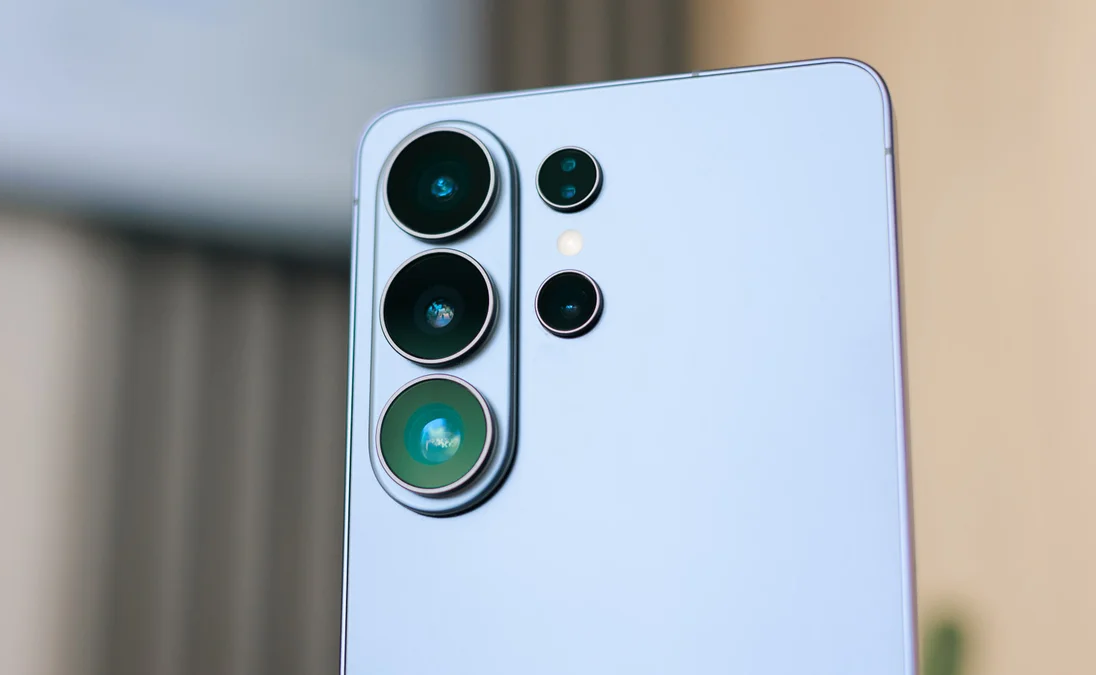
For several generations, Samsung’s Galaxy S Ultra series, including the current Galaxy S26 Ultra, has been regarded as one of the benchmarks for smartphone photography. Equipped with a quad-camera system and a 200MP main sensor, the device appears to offer nearly every tool expected from a premium flagship phone.
But according to growing feedback from users, that is no longer enough.
A recent survey asking consumers what would make the upcoming Galaxy S27 Ultra worth buying revealed a clear and difficult-to-ignore trend.
More than 60% of respondents said they wanted a complete overhaul of the camera system, suggesting that small annual improvements are no longer convincing enough. Another 19.35% believed adding new sensors would be sufficient, while 10.85% emphasized the importance of upgrading software processing and optical systems.
Only 9.38% said the current camera setup was already good enough.
The results point to a broader issue for Samsung: users appear to be losing patience with cautious, incremental changes.
Recent leaks suggest the company could make a dramatic shift with the Galaxy S27 Ultra by reducing the rear camera setup from four lenses to three. That would reportedly involve removing the long-standing 10MP 3x zoom lens.
Such a move would represent a bold change, though whether it qualifies as the “reinvention” users are demanding remains uncertain.
Industry observers say the answer will depend on how effectively Samsung can optimize the remaining sensors. Reducing the number of cameras may not necessarily be a disadvantage if the company can significantly improve image quality and overall performance through better hardware integration.
Leaks also indicate Samsung is developing an entirely new main sensor for the S27 Ultra.
The device is rumored to feature variable aperture technology alongside LOFIC high dynamic range support, upgrades that could substantially improve low-light photography and image detail.
If those rumors prove accurate, the Galaxy S27 Ultra could finally break away from a design formula that has remained largely unchanged for several generations.
Still, hardware alone may not solve the problem.
Survey results also showed that users place significant value on software optimization and imaging algorithms. That raises an important question for Samsung: if the company dramatically changes its camera hardware, will the image processing system be ready to deliver the expected experience from day one?
The challenge highlights a broader reality in the smartphone industry. Even the most advanced hardware can disappoint if software processing, effectively the “brain” behind the camera system, fails to keep pace.
Samsung is also facing increasing pressure from competitors.
Chinese brands such as Vivo and Oppo have attracted attention with aggressive innovations in mobile photography, including larger sensors and increasingly sophisticated AI image processing systems.
At the same time, Apple is rumored to bring variable aperture technology to future iPhone models, further intensifying competition in the premium smartphone segment.
The gap between major smartphone brands is narrowing rapidly, and Samsung’s long-standing dominance in mobile photography no longer appears guaranteed.
The future of the Galaxy S Ultra lineup may now depend on whether Samsung is willing to rethink its strategy entirely rather than continue with gradual refinements.
If the company remains too conservative, it risks losing its position in the smartphone camera race. But if Samsung embraces more radical changes in both hardware and software, the Galaxy S27 Ultra could once again emerge as one of the defining flagship devices in the industry.
Hai Phong
.svg)
