 Vietnamnet.vn

 Podcast



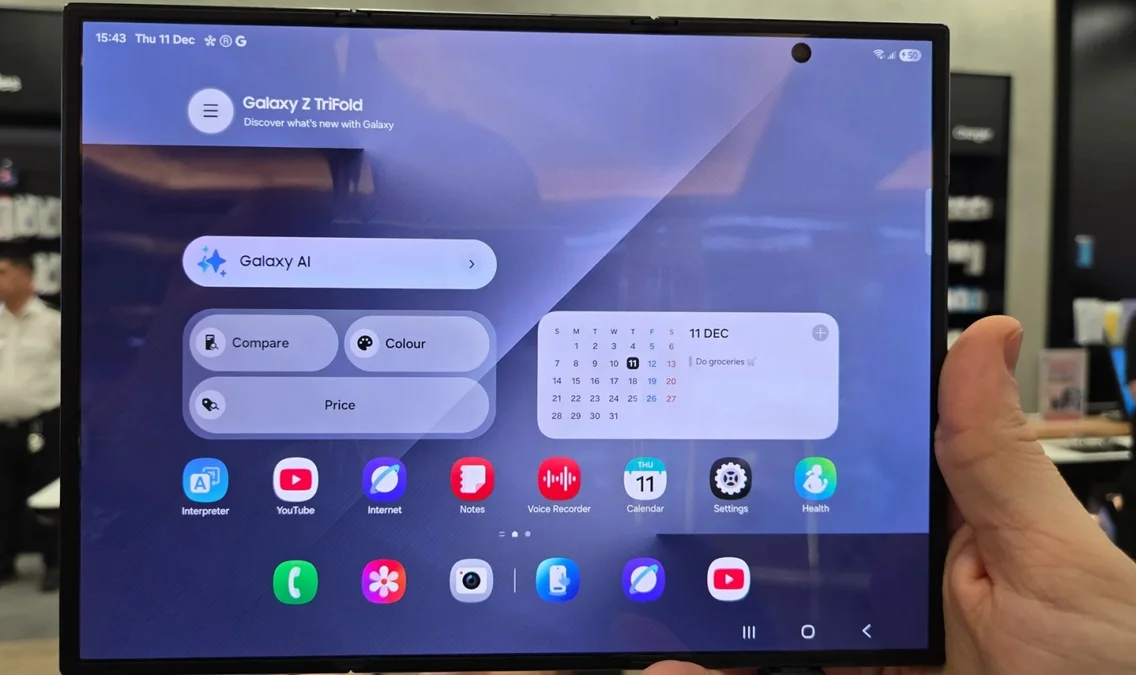
Many had assumed the race for foldable tri-fold phones was nearing its conclusion once both Samsung and Huawei successfully introduced devices in the category. In reality, however, neither tech giant appears ready to slow down or shift its focus entirely back to traditional foldables.
Huawei currently holds more experience in this segment. After unveiling the world’s first tri-fold smartphone, the Mate XT Ultimate Design, the company later introduced the Mate XTs as a refined follow-up aimed at polishing the user experience.
On the other side, Samsung finally turned the long-rumoured Galaxy Z TriFold into reality after years of speculation. According to the latest reports, the South Korean tech giant is already preparing a second-generation tri-fold device. More importantly, Huawei seemingly has no intention of letting Samsung pull too far ahead.
Huawei prepares a new “weapon”
According to industry rumours, Huawei is developing its third tri-fold smartphone, tentatively referred to as the Mate XT 2. While the name has not been officially confirmed, the tech community is using it to distinguish the device from previous generations.
The upcoming model is expected to feature “major design changes.” Although concrete details remain scarce, sources claim Huawei is aiming for a more fashionable, refined and premium appearance.
That is notable considering both the Mate XT and Mate XTs are already viewed as highly luxurious and eye-catching devices. Huawei clearly wants tri-fold smartphones to become not only advanced pieces of technology but also status symbols representing lifestyle and personal identity.
More detailed design information is expected to emerge later this summer as supply chain leaks become more frequent.
Analysts predict the Mate XT 2 could debut around September or October 2026 - a particularly important window for the global smartphone market, as Apple is also expected to unveil its next-generation iPhones during that period.
Although Huawei no longer maintains a strong presence in the US market because of sanctions, the company still faces intense competition from Apple in China. And this year, that pressure may become even greater.
The reason lies in growing speculation that Apple could release its first foldable iPhone, potentially called the iPhone Fold or iPhone Ultra. If that happens, Chinese brands like Huawei will face a difficult challenge: convincing domestic consumers to continue choosing local products instead of rushing toward Apple’s first foldable device.
That is why Huawei needs to deliver something genuinely fresh to maintain its first-mover advantage.
Beyond design and colour changes, the Mate XT 2 is also expected to receive hardware upgrades. One of the most notable rumours points to the use of Huawei’s next-generation Kirin 9050 Pro chipset.
In recent years, Huawei’s Kirin processors have often been considered weaker than Qualcomm Snapdragon chips in raw performance, especially in benchmark testing and heavy gaming workloads.
However, in daily use, the gap is not always obvious. Even the current Mate XT is not viewed as sluggish or laggy during normal tasks.
As a result, the Kirin 9050 Pro may not deliver a dramatic leap in performance, but it could still provide a more stable and refined premium experience for Huawei’s target customers.
Is Samsung becoming the inspiration?
Interestingly, rumours surrounding the Mate XT 2 appeared only days after new information about Samsung’s Galaxy Z TriFold 2 surfaced online.
According to recent reports, Samsung’s next tri-fold device may support an integrated S Pen stored directly inside the phone’s body. That would represent a highly meaningful upgrade, as a large-screen tri-fold device naturally suits note-taking, productivity and creative work.
If Samsung successfully implements the concept, Huawei could easily follow a similar path. A Mate XT 2 with stylus support would significantly strengthen the brand’s competitiveness, especially among business users and professionals.
The tri-fold smartphone war is therefore entering a new phase. It is no longer simply about showcasing engineering achievements. Smartphone makers must now figure out how to turn tri-fold devices into products that are genuinely useful, visually appealing and compelling enough for consumers to justify their extremely high prices.
With Apple preparing to enter the foldable race, the pressure on both Samsung and Huawei is expected to intensify even further in the months ahead.
Hai Phong
.svg)
