 Vietnamnet.vn

 Podcast



The emergence of Enterovirus 71 is raising serious concern as children diagnosed with hand foot and mouth disease face a heightened risk of rapid deterioration, with dangerous neurological complications possible if not detected and treated in time.
A highly dangerous strain
In the first 11 weeks of 2026, Ho Chi Minh City recorded more than 7,000 cases of hand, foot and mouth disease, an increase of around 240% compared to the same period in 2025. Severe cases, classified from grade 2B and above, accounted for approximately 1.3%.
At Children’s Hospital 2, 330 children required inpatient treatment in just the first three months of the year. About 97% of these patients were preschool-aged, mostly under two years old. Notably, 52 cases were classified as severe.
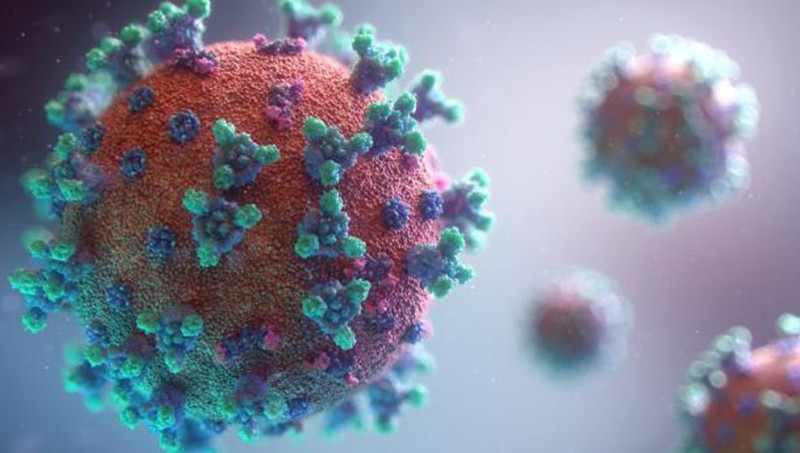
Laboratory results indicate the circulation of Enterovirus 71 (EV71), a strain known for its ability to cause serious neurological complications and for its rapid progression, significantly increasing the risk of death.
According to Dr Nguyen Dinh Qui, head of the infectious diseases department at the hospital, EV71 is particularly dangerous due to the speed at which it attacks the body. The virus shows a strong affinity for the central nervous system. After entering through mucosal surfaces, it quickly spreads to lymph nodes, causes viremia, and then directly targets the brain and cardiovascular system.
In some cases, the disease can worsen dramatically within just 24 hours, requiring immediate emergency intervention.
Recognizing early signs in children
Amid growing concerns, doctors are urging parents to pay close attention to early symptoms.
Typical signs include mouth ulcers appearing on the palate, gums or tongue, causing pain and irritability, as well as rashes on the palms, soles, knees or buttocks.
For children monitored at home, parents are advised to manage fever properly when it exceeds 38.5 degrees Celsius, using cooling measures and ensuring the child wears light clothing. Soft, cool foods are recommended to ease swallowing discomfort, while maintaining strict hygiene in both personal care and living environments.
Children diagnosed with hand, foot and mouth disease should stay home and be isolated for at least 10 days from the onset of symptoms to prevent transmission.
Parents should seek immediate medical care if a child develops a high fever above 39 degrees Celsius that is difficult to reduce or persists for more than two days, experiences sudden jerking movements especially when falling asleep, tremors, unsteady walking, persistent vomiting, lethargy, or altered consciousness.
Dr Nguyen Tien Thanh, a member of the Vietnam Dermatology Association, noted that a common mistake is waiting for visible rashes before suspecting the disease. In reality, early symptoms often include fever, fatigue, loss of appetite, sore throat and irritability, with ulcers and blisters appearing later.
Prevention remains critical
To prevent infection, experts emphasize strict hygiene practices.
Hand hygiene is the first and most important rule. Caregivers should wash hands with soap before preparing food, before feeding children, after changing diapers, after cleaning a child, and after contact with potentially infectious secretions.
Children should also be taught proper handwashing, particularly before meals and after using the toilet. The long-standing principle of “three cleans” - clean eating, clean living and clean hands - remains a cornerstone of prevention.
Regular cleaning of frequently touched surfaces is equally essential. Toys, furniture, door handles, floors and personal items should be disinfected regularly, especially if a case has been identified at home or in school. Young children who often put objects in their mouths face a higher risk if hygiene is neglected.
Finally, children who are ill should not attend school or visit crowded places, as limiting contact is key to controlling the spread of the disease.
Recent cases highlight the urgency of early detection, as EV71 continues to drive more severe and fast-progressing infections. Without timely intervention, the consequences can be life-threatening.
Phuong Thuy
.svg)
