 Vietnamnet.vn

 Podcast



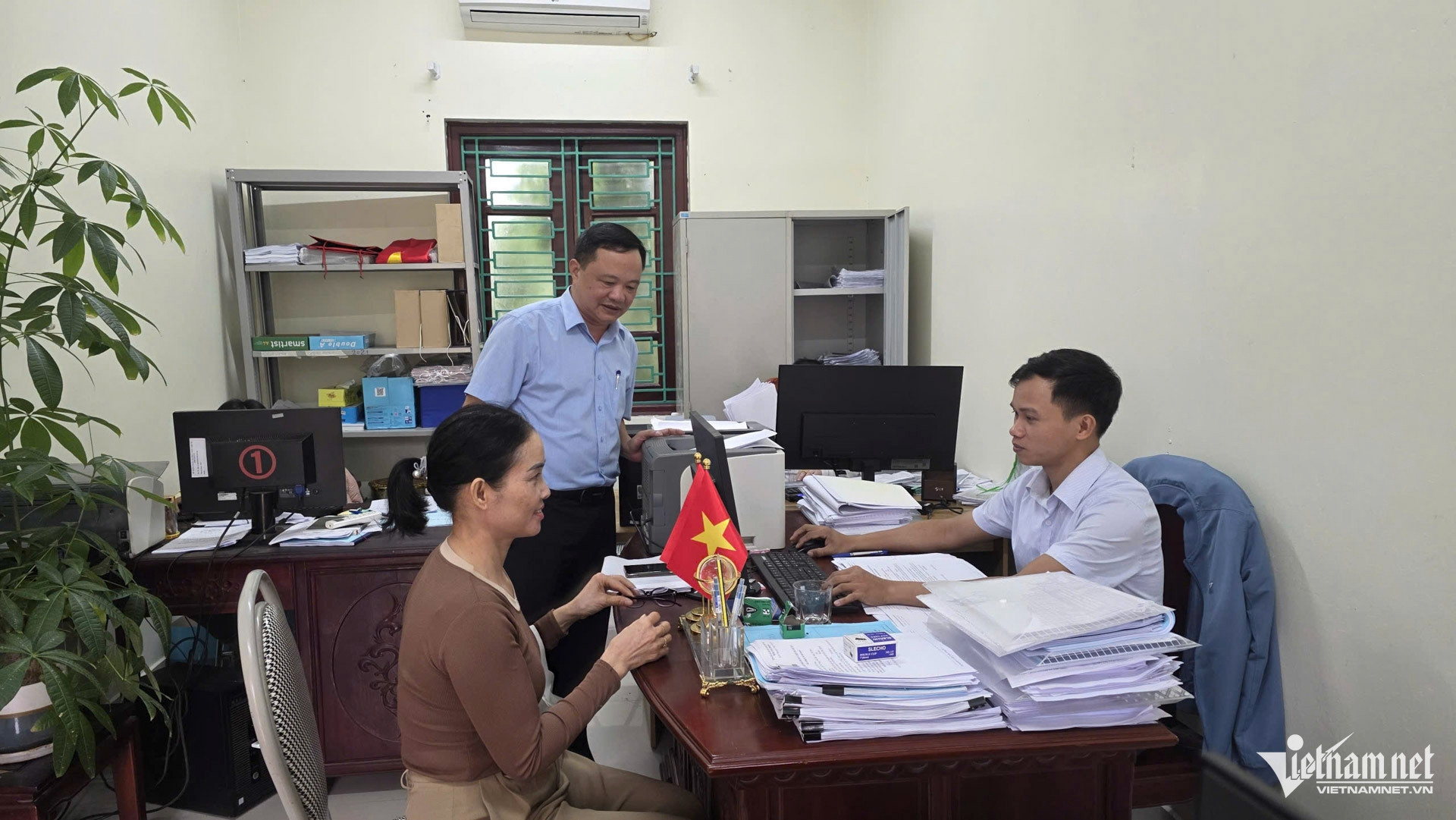
With hundreds of comments, the discussion shows high consensus on the goal of serving citizens better, but also many concerns about feasibility.
The convenience citizens expect
Many readers support the proposal to shift land procedures to the commune/ward level. They believe this would reduce travel time, shorten waiting periods, and make services more accessible.
Reader Tran Duc Hoan stated that if the priority is to serve citizens best, transferring land procedures from land registration offices (LROs) to communes/wards is completely reasonable and aligned with public expectations, adding that technical issues can be fully managed.
Meanwhile, from a staffing perspective, reader Trinh Huy Long believed that the main bottleneck lies with human resources. However, he suggested that it is entirely possible to transfer qualified personnel from LROs to communes to handle the work. Long emphasized: “Nothing is too difficult if we are determined to serve the people.”
Several other opinions highlighted the importance of convenience. Reader Pham Son Thanh noted that the commune level is the grassroots level, and people should not have to go to the provincial office for everything, as convenience is what matters most. Sharing the same view, reader Anh Nguyen said: “We live much closer to the commune/ward office, and if missing documents, we can quickly run home to get them.”
However, many readers also pointed out that if land procedures are transferred to communes, the qualifications of land management officers must be raised accordingly. Reader Chi Ha stressed that commune/ward officers must have university degrees, solid professional skills, and strict discipline; unqualified personnel cannot handle such an important and risk-prone area as land administration.
Concerns about feasibility
Alongside the support, many readers expressed concerns that delegating land procedures to communes/wards might fragment the system, reduce professional quality, and slow down processing.
Another major concern is the risk of increased misconduct when giving more authority to the commune level, where oversight mechanisms remain limited.
Reader Txgiangbinh added that procedures handled at the commune level must be accompanied by extremely strict supervision mechanisms to avoid favoritism or arbitrary handling. To ensure serious implementation, reader Lich Nguyen warned that higher-level authorities must conduct frequent inspections, monitoring, and even unannounced visits when decentralizing land procedures.
Beyond concerns about professional quality and risks of misconduct, some opinions raised worries that shifting land procedures to communes could expand the administrative apparatus, increasing staffing and recurring costs.
Reader Phan Dung Hoa mentioned the financial burden: transferring land procedures to communes will certainly require more personnel. Staffing quotas, salary budgets, equipment, and facilities could create significant additional expenses if not carefully planned.
Reader Do Dinh Chien argued that in the context of digital transformation, expanding the administrative apparatus is not an optimal solution. This reader reasoned: “In a technology-driven era, paperwork does not automatically create land titles; the more fragmented the system, the harder it is to control.” According to him, the most important factor is enabling citizens to look up information, submit documents online, and ensuring transparency in the process.
Although opinions differ on transferring procedures from LROs to commune/ward authorities, most agree that land-administration reform cannot be separated from digital transformation.
Reader UVan believes that the fundamental solution is building a unified national land database. “When all information on land, water, and minerals is digitized and operated within a single system, authorities at all levels will avoid overlap and inconsistent practices,” this reader emphasized.
Sharing a similar viewpoint, reader Minh Anh hopes that land-related applications will eventually be processed fully online. This reader expressed the expectation: “If transfers can be completed on VNeID and citizens rarely have to meet officers directly, people will certainly support it. Technology will reduce inconvenience and also limit opportunities for misconduct.”
Vu Diep
.svg)
